
Understanding the governmental structure of a state is fundamental to grasping its democratic processes and how its citizens are represented. For those interested in the political landscape of a particular region, knowing the number of representatives in its legislative body is a key piece of information. In the case of Colorado, this question leads us to explore the composition of its State House of Representatives, a vital component of the Colorado General Assembly.
The Colorado House of Representatives: A Closer Look
The Colorado House of Representatives is one of the two chambers that comprise the state legislature. Its members are elected from districts across the Colorado and are responsible for crafting and voting on bills that become state law. The number of representatives is a critical factor in determining the size and scope of legislative debate, as well as the directness of constituent representation.

Apportionment and Representation
The number of representatives in the Colorado House of Representatives is set by state law and has historically been based on population. Following each decennial census, the state undergoes a redistricting process to ensure that each legislative district has a roughly equal population. This process is crucial for maintaining fair representation, as it aims to prevent over- or under-representation of certain areas or demographic groups.
As of the most recent apportionment, the Colorado House of Representatives consists of 65 members. Each of these representatives serves a two-year term and is elected by the voters within their designated district. This means that for every roughly 77,000 Coloradans (based on the 2020 Census population of approximately 5.8 million and 65 representatives), there is one elected state representative. This ratio ensures that the voice of the people is, in theory, effectively channeled into the legislative process.
The structure of 65 representatives provides a substantial body for deliberation, allowing for diverse perspectives to be heard. It also means that individual representatives have a defined constituency, enabling them to focus on the specific needs and concerns of the people within their district. This direct link between a representative and their constituents is a cornerstone of democratic governance.
The Role of the State House
The 65 state representatives play a pivotal role in the day-to-day workings of Colorado’s government. They are responsible for:
- Introducing and Debating Legislation: Representatives draft, sponsor, and debate bills that address a wide range of issues, from education and healthcare to infrastructure and environmental protection.
- Voting on Bills: Once debated, bills are brought to a vote in the House. A majority vote is typically required for a bill to pass to the Colorado Senate.
- Budgetary Oversight: The House of Representatives has significant power in shaping the state’s budget. They review proposed expenditures and allocate funds to various state agencies and programs.
- Constituent Services: Beyond legislative duties, representatives often assist their constituents with issues they may encounter with state government agencies.
The sheer number of representatives, 65, ensures that the legislative process is robust and that no single faction can easily dominate. It encourages coalition-building and compromise, which are essential for effective policymaking in a diverse state like Colorado.
Historical Context and Changes
The number of representatives in the Colorado House of Representatives has not always been fixed at 65. Like many states, Colorado has adjusted its legislative numbers over time to reflect population growth and demographic shifts. Understanding this historical context can provide insight into the evolving nature of representation.
Growth and Redefinition
Early in Colorado’s history as a state, the legislative body was smaller. As the population grew, particularly with the influx of settlers drawn by mining and later by economic diversification in cities like Denver and Colorado Springs, the need for more granular representation became apparent. The process of reapportionment, guided by census data, has been the mechanism for these adjustments.
The current number of 65 representatives was established through legislative action and subsequent redistricting efforts. This figure aims to strike a balance between having a legislature that is large enough to be representative of a diverse population and small enough to be efficient and manageable. The principle of “one person, one vote” underpins these decisions, ensuring that each representative is elected by a district of roughly equivalent population size.
The Impact of Redistricting
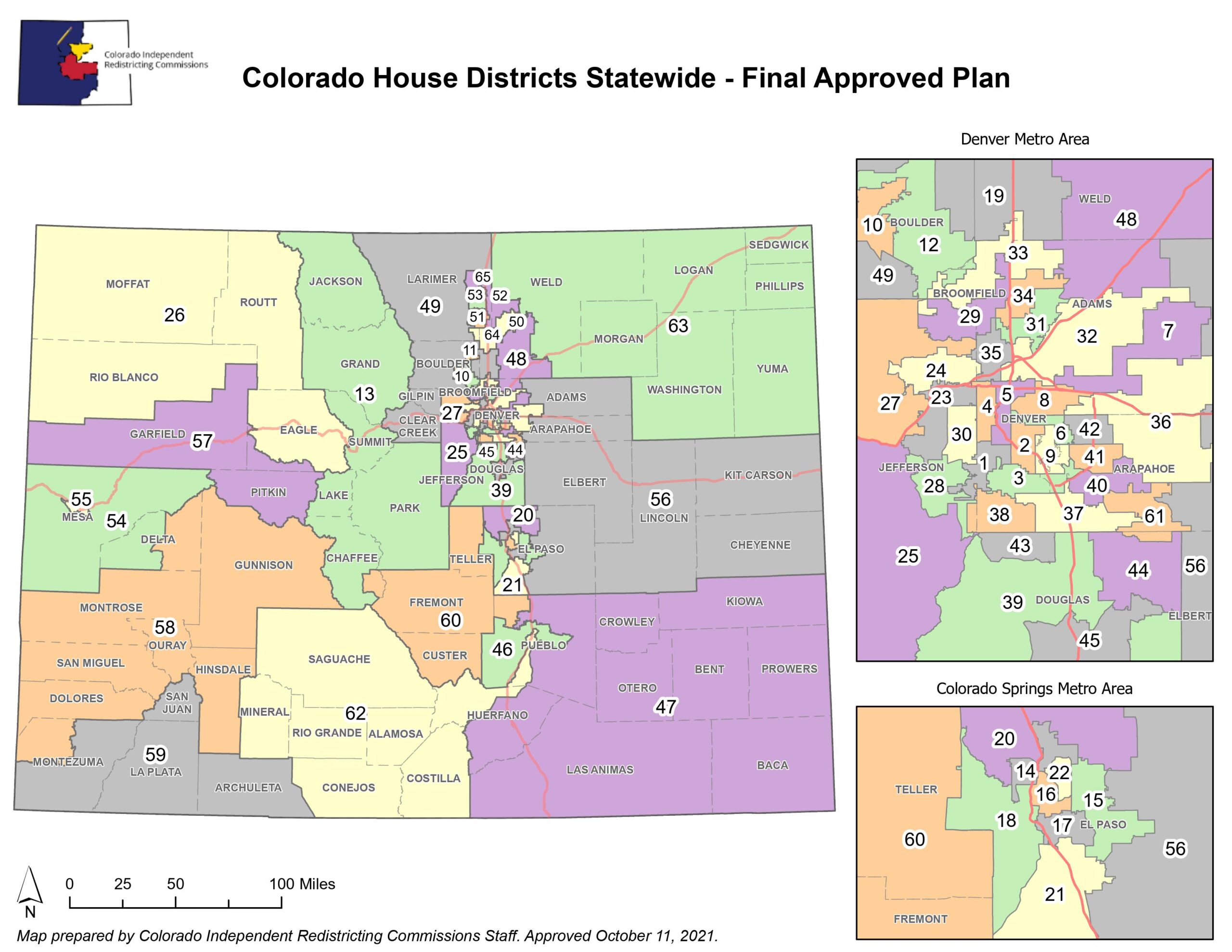
Redistricting, which occurs every ten years, is a critical process that directly impacts the constituencies of the 65 representatives. Independent redistricting commissions in Colorado are tasked with drawing new district boundaries based on the latest census data. This process is intended to be non-partisan, although it often becomes a subject of intense political debate.
The drawing of these boundaries can affect which party holds a majority in the House and can influence the types of candidates who can successfully run for office. The 65 districts are meticulously drawn to ensure they are contiguous, compact, and as equal in population as possible, while also respecting existing political subdivisions where feasible.
The Bicameral Legislature: A Partnership
It is important to remember that the Colorado House of Representatives is only one half of the state’s legislative branch. The other chamber is the Colorado Senate, which has 35 members. Together, these two bodies form the Colorado General Assembly, responsible for legislating for the entire state.
How Bills Become Law
The process of a bill becoming law in Colorado involves both chambers:
- Introduction: A bill is introduced in either the House or the Senate.
- Committee Review: The bill is sent to a relevant committee for hearings, amendments, and a vote.
- Floor Debate and Vote: If it passes committee, the bill proceeds to the floor of its originating chamber for debate and a vote.
- Second Chamber: If passed, the bill moves to the other chamber, where it undergoes a similar process of committee review, debate, and voting.
- Conference Committee (if needed): If the two chambers pass different versions of the same bill, a conference committee is formed to reconcile the differences.
- Governor’s Action: Once both chambers agree on the final version, the bill is sent to the Governor of Colorado for signature, veto, or to become law without a signature.
The existence of two chambers, with the House having 65 members and the Senate 35, creates a system of checks and balances within the legislative branch itself. This ensures that legislation is thoroughly vetted and debated before it can become law. The differing numbers of representatives in each chamber reflect different historical approaches to legislative structure and representation, with the larger House intended to provide more direct constituent representation.
Significance for Colorado Residents
For the residents of Colorado, understanding the number of state representatives is more than just a trivia fact; it’s a key to understanding their own political power and how their government functions. Knowing that there are 65 members in the House means that constituents can identify their specific representative and engage with them on issues that matter to their community.
Engaging with Your Representative
Each of the 65 state representatives serves a specific district. To find your representative, you can typically visit the Colorado General Assembly website and use a district lookup tool, often requiring your address. Once identified, residents can:
- Contact their representative: Share opinions on proposed legislation, express concerns, or seek assistance with state government issues.
- Attend town hall meetings: Many representatives hold public meetings to hear directly from their constituents.
- Follow legislative activity: Stay informed about the bills your representative is supporting or opposing.
The system of 65 representatives is designed to foster a close connection between elected officials and the people they serve. It is a tangible representation of the democratic principle of citizen participation in government.
Conclusion: A Foundation for Representation
In conclusion, the Colorado House of Representatives comprises 65 members. This number, determined by state law and adjusted through reapportionment based on census data, is a fundamental aspect of Colorado’s representative democracy. It ensures that the diverse population of the state has a significant voice in the legislative process, contributing to the crafting of laws that shape the future of the Centennial State. Whether you’re a long-time resident or a visitor interested in the intricacies of Colorado’s governance, understanding the size and role of its House of Representatives is a crucial step in appreciating the state’s political fabric. This body, working in tandem with the Colorado Senate, forms the cornerstone of the state’s legislative power, ensuring that the concerns and aspirations of Coloradans are brought to the forefront of public policy.
LifeOutOfTheBox is a participant in the Amazon Services LLC Associates Program, an affiliate advertising program designed to provide a means for sites to earn advertising fees by advertising and linking to Amazon.com. Amazon, the Amazon logo, AmazonSupply, and the AmazonSupply logo are trademarks of Amazon.com, Inc. or its affiliates. As an Amazon Associate we earn affiliate commissions from qualifying purchases.