
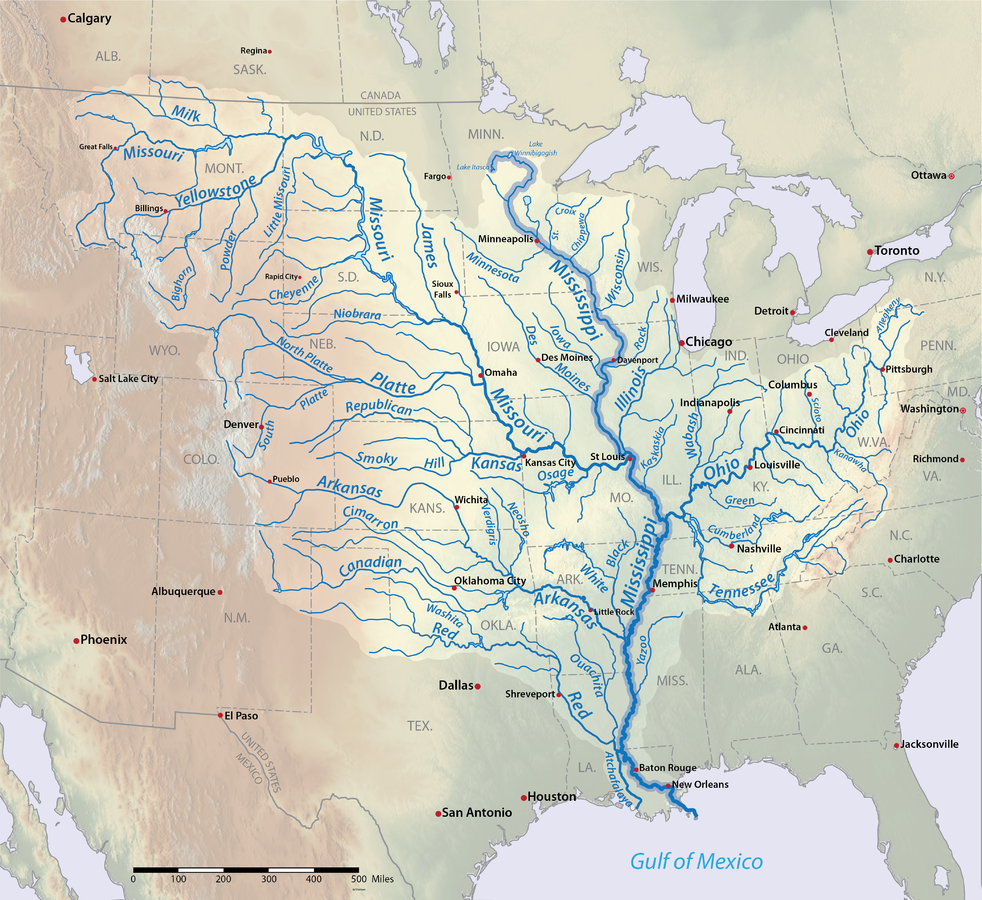
The Mississippi River is more than just a body of water; it is the lifeblood of the United States, a colossal artery that has shaped the history, economy, and ecology of the continent for centuries. Stretching from the dense forests of the north to the sun-drenched deltas of the south, this majestic river flows through ten different states. Its journey is a testament to the diverse landscape of North America, traversing through heartlands, industrial hubs, and historic landscapes. For travelers, history buffs, and nature enthusiasts, understanding the path of this river is essential to appreciating the vast geography of the region.

The Northern Headwaters: Where the Journey Begins
The story of the river begins in the unassuming, tranquil wilderness of Minnesota. Specifically, the river originates at Lake Itasca, nestled within Itasca State Park. At this point, the river is surprisingly narrow, and visitors can easily hop across the stones that mark the start of its 2,340-mile trek to the Gulf of Mexico.
Minnesota and Wisconsin
As the river leaves the pristine forests of northern Minnesota, it acts as a natural boundary. It flows through Wisconsin, creating a scenic border that offers some of the most breathtaking river vistas in the country. The bluffs along this stretch are iconic, providing hikers and bird watchers with endless opportunities to engage with nature. Towns like La Crosse serve as reminders of the river’s historical importance as a primary transportation route during the era of steamships and log drives.
The Iowa and Illinois Connection
Moving further south, the river creates a wide, powerful path between Iowa and Illinois. This section of the river is characterized by its massive lock and dam systems, which allow modern commercial barges to traverse the water safely. For those traveling through the Midwest, cities like Dubuque and Quad Cities provide a deep dive into the industrial heritage that flourished because of this natural highway.
The Heartland Stretch: Where Culture Meets Geography
As the river pushes deeper into the heart of the country, the landscape transitions from rolling hills and forests to expansive plains and historical riverfront towns. This central portion of the river is where the Mississippi River truly takes on its reputation as the “Father of Waters.”
Missouri and the Gateway to the West
One of the most significant stops along the entire river is St. Louis, Missouri. The river was the primary catalyst for westward expansion in the 19th century, and today, the Gateway Arch stands as a monument to that spirit of discovery. Visitors standing on the banks here can look out over the confluence of the Mississippi River and the Missouri River, a sight that has inspired explorers, writers, and artists for generations.
Kentucky and Tennessee
While the Mississippi River technically touches the borders of Kentucky and Tennessee, its impact is most profound in Memphis. Known for its rich musical heritage and soul-stirring cuisine, Memphis is inextricably linked to the river. The riverfront parks and the historic Beale Street reflect the cultural fusion that occurs when such a significant geographical feature brings diverse people and ideas together. The slow, steady flow of the water here seems to echo the rhythms of the blues that originated in the surrounding Delta region.
The Southern Delta and the Journey’s End
The final leg of the river’s journey is perhaps the most dramatic. As it flows through the southern states, the Mississippi River widens and deepens, feeding into a sprawling, lush ecosystem that defines the identity of the American South.
Arkansas and Mississippi
Between Arkansas and Mississippi, the river meanders through rich, fertile floodplains. This is the heart of plantation history and agricultural tradition. The landscape here is defined by oxbow lakes, winding channels, and a humid, semi-tropical climate. Travelers exploring this area often find themselves drawn to the small towns that retain a slow-paced charm, where the river remains the focal point of daily life.
The Louisiana Finale
The culmination of the river’s journey occurs in Louisiana. Before it empties into the Gulf of Mexico, the river winds past New Orleans. This city, famous for its French Quarter and vibrant culinary scene, exists because of the river’s proximity to international shipping lanes. The Mississippi River has allowed New Orleans to become a melting pot of cultures, influencing everything from the architecture of the Garden District to the distinct flavors found in local gumbos and étouffées.
Why the Mississippi Matters Today
The importance of the Mississippi River cannot be overstated. It is a vital artery for the transport of agricultural goods from the Midwest to the global market, a major source of drinking water for millions of residents, and a massive tourist attraction for those interested in American history and natural beauty.
Tourism and Nature Conservation
For modern travelers, the river offers a unique way to experience the country. Whether it is taking a paddlewheel boat tour in New Orleans, hiking the bluffs in Wisconsin, or visiting Itasca State Park, the options are endless. Conservation efforts are now more important than ever, as the river faces environmental challenges from industrial runoff and climate change. Protecting this resource is a collective responsibility, ensuring that future generations can continue to enjoy the river that carved its way into the very soul of the continent.
The Ten-State Legacy
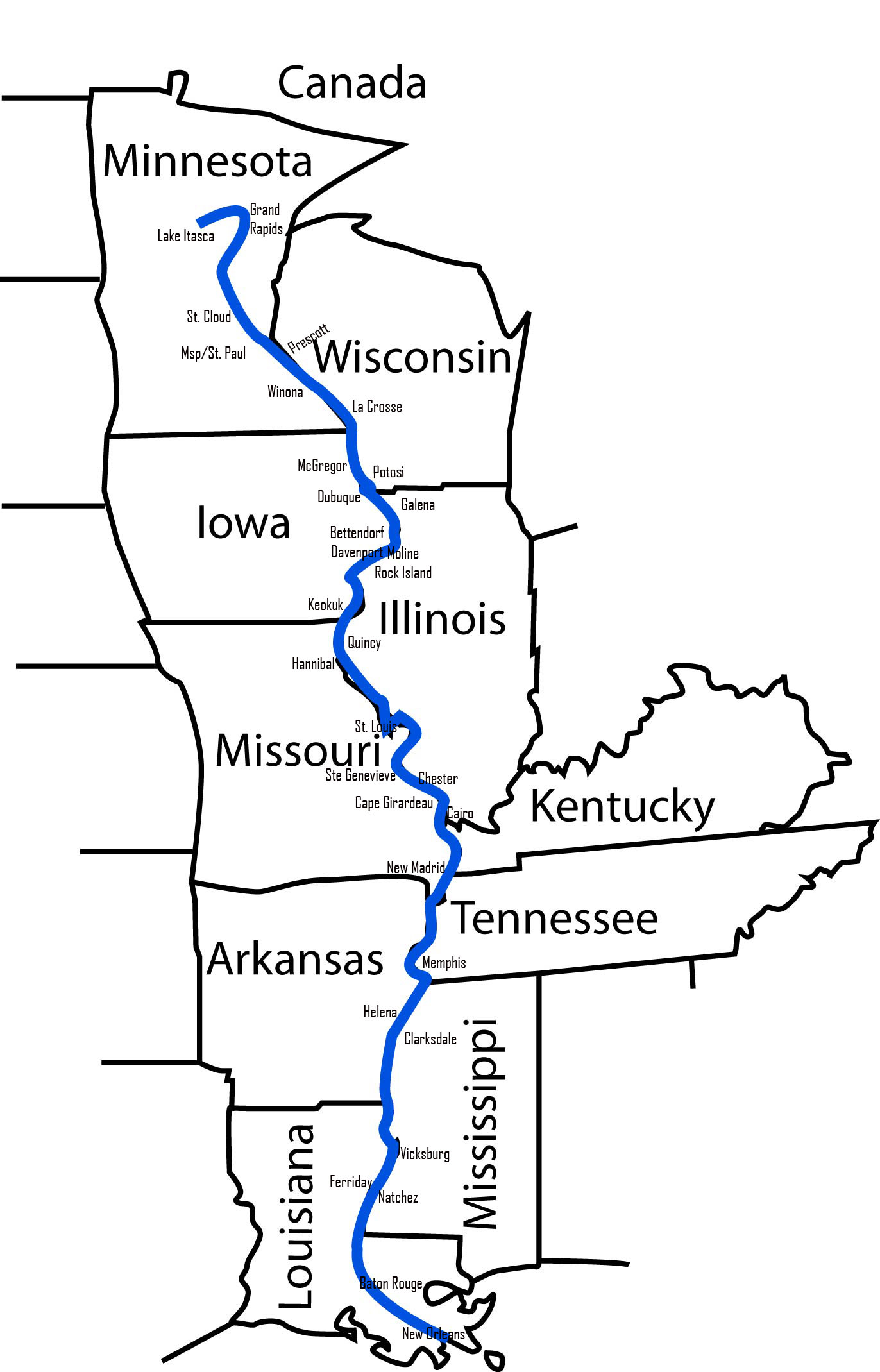
To summarize, the ten states the Mississippi River flows through are:
- Minnesota
- Wisconsin
- Iowa
- Illinois
- Missouri
- Kentucky
- Tennessee
- Arkansas
- Mississippi
- Louisiana
Each of these states holds a unique piece of the river’s story. From the icy, tranquil origin in the north to the bustling, culturally rich delta in the south, the Mississippi River remains a constant reminder of the physical and cultural diversity of the United States. It is not merely a geographic boundary but a unifying force that connects disparate regions through shared history and shared waters. Whether you are looking for an educational road trip or simply a quiet moment by the water, the river provides an unparalleled look into the heart of North America.
LifeOutOfTheBox is a participant in the Amazon Services LLC Associates Program, an affiliate advertising program designed to provide a means for sites to earn advertising fees by advertising and linking to Amazon.com. Amazon, the Amazon logo, AmazonSupply, and the AmazonSupply logo are trademarks of Amazon.com, Inc. or its affiliates. As an Amazon Associate we earn affiliate commissions from qualifying purchases.