
The mighty Mississippi River, a titan of North America, carves its way through the heart of the United States, a lifeblood for commerce, culture, and countless communities. For travelers and explorers, understanding its journey is key to unlocking a deeper appreciation for the diverse landscapes and histories it touches. The question of “How many states does the Mississippi River go through?” is more than just a geographical curiosity; it’s an invitation to explore a vast and varied region, from the rolling hills of the Midwest to the bayous of the South.

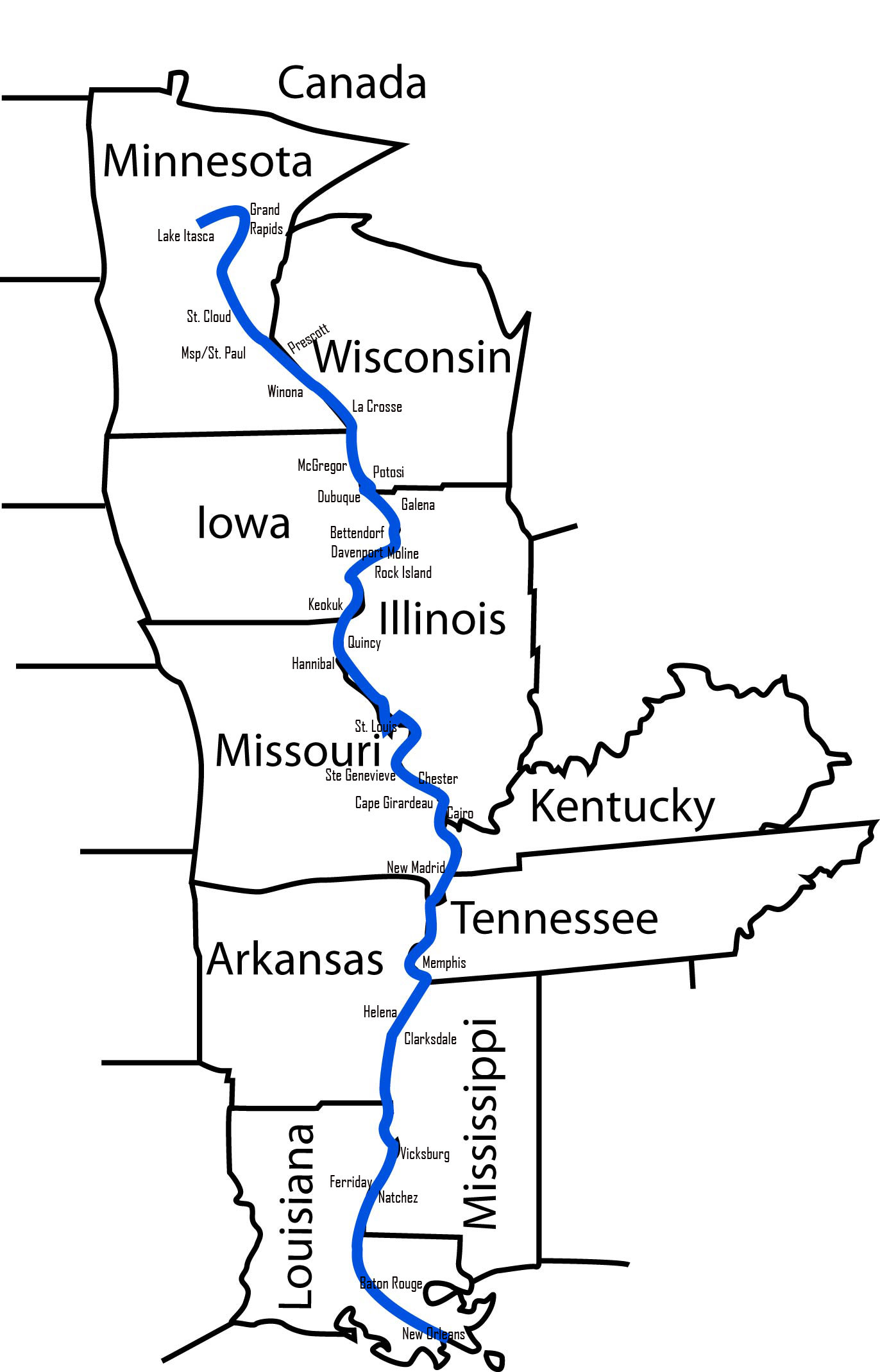
The answer, in short, is ten. These ten states form a crucial corridor of American identity, each contributing a unique flavor to the river’s storied narrative. From its headwaters to its delta, the Mississippi River serves as a natural border, a vital transportation artery, and a constant source of inspiration. Embarking on a journey along its banks offers an unparalleled glimpse into the soul of the nation.
Tracing the River’s Epic Journey: From Headwaters to the Gulf
The Mississippi River’s journey begins in the serene, pristine wilderness of northern Minnesota, a stark contrast to its powerful and broad presence downstream. Here, at Lake Itasca, the river’s humble beginnings are marked by a symbolic place where visitors can literally walk across its nascent flow. This starting point sets the stage for a dramatic transformation as the river gathers strength and volume, traversing a continent of diverse topography and climate.
The Upper Mississippi: A Tapestry of Midwestern Charm
The initial stretch of the Mississippi River winds through a landscape shaped by glaciers and characterized by lush forests, fertile plains, and a string of charming, historic towns. This region is often referred to as the Upper Mississippi.
Minnesota: The Birthplace of a Giant
The journey begins in Minnesota, where the Mississippi River emerges from Lake Itasca. Early on, the river is a narrow, playful stream, offering opportunities for gentle exploration. Travelers can visit the Itasca State Park to witness the river’s source and begin their exploration. The upper reaches are marked by stunning natural beauty, including dramatic bluffs and extensive wetlands, providing habitats for abundant wildlife.
Wisconsin: Bluffs and River Towns
As the Mississippi River flows south, it forms a significant portion of the border between Minnesota and Wisconsin. This section is renowned for its picturesque bluffs, carved by the river over millennia. The “Driftless Area,” a region in southwestern Wisconsin and southeastern Minnesota that was untouched by glaciers, presents a unique geological landscape. Historic river towns like Stillwater and La Crosse offer charming accommodations and a taste of Midwestern hospitality. These towns often boast beautifully preserved Victorian architecture and a thriving arts scene, making them ideal stops for leisurely exploration.
Iowa: The Breadbasket’s Waterway
The Mississippi River continues to define the eastern border of Iowa, flowing through some of the most productive agricultural land in the United States. This fertile region, known as the “Breadbasket of America,” relies heavily on the river for irrigation and transportation of crops. Cities like Dubuque and Davenport are important economic hubs along this stretch, each with its own unique character and attractions. The American Queen Steamboat offers a nostalgic way to experience the river, with its grand paddlewheel voyages harkening back to a bygone era.
Illinois: Lincoln’s Legacy and a Metropolis
Illinois plays a significant role in the Mississippi River’s trajectory, particularly as the site of the nation’s second-largest city, Chicago, though it’s important to note that Chicago itself is situated on Lake Michigan. However, the Mississippi River flows along the western edge of Illinois, forming its border with Missouri. Springfield, the state capital, is deeply connected to the legacy of Abraham Lincoln, with numerous historical sites that draw visitors interested in American history. Further south, St. Louis, while technically in Missouri, is a crucial gateway city on the Mississippi River, famously marked by the iconic Gateway Arch.
Missouri: The Gateway to the West
Missouri is intrinsically linked with the Mississippi River, serving as a pivotal point in its journey. St. Louis is the most prominent city along this stretch, defined by the towering Gateway Arch, a monument to westward expansion. The river was the primary route for explorers and settlers heading west, and its influence on the state’s history and identity is undeniable. Beyond St. Louis, towns like Hannibal, the childhood home of author Mark Twain, offer a rich literary heritage.
The Lower Mississippi: A Realm of Culture and Grandeur
As the Mississippi River ventures south, its character shifts dramatically. The landscape becomes flatter, the climate warmer, and the cultural influences a vibrant blend of European, African, and Indigenous traditions. This is the realm of the Lower Mississippi, where the river truly embodies its reputation as a majestic and powerful force.
Arkansas: Delta Blues and Rich Wetlands
The Mississippi River forms the eastern border of Arkansas, a state known for its deep connection to the Mississippi Delta region. This area is the birthplace of blues music and boasts a rich agricultural heritage, with cotton being a historically significant crop. The river’s floodplains have created vast wetlands, supporting a diverse array of wildlife and offering unparalleled opportunities for birdwatching and nature photography. Cities like Helena-West Helena offer a glimpse into the region’s musical past and its enduring connection to the river.
Tennessee: A Musical Crossroads
While the Mississippi River primarily borders Arkansas and Mississippi, the state of Tennessee is not directly bordered by it for a significant stretch, though it is influenced by its proximity and the river’s role in regional transportation. However, Memphis, a major city on the Mississippi River, is a vital cultural hub in Tennessee, renowned for its contributions to blues, soul, and rock and roll music. Visitors can explore the historic Graceland, the former home of Elvis Presley, and experience the vibrant music scene on Beale Street.
Mississippi: The Heart of the Delta
The state of Mississippi shares a long border with the Mississippi River, and the river is central to its identity. The iconic Mississippi Delta region, a cradle of American music and culture, is profoundly shaped by the river. Exploring towns like Vicksburg, with its significant Civil War history, and Natchez, known for its antebellum mansions, provides a deep dive into the South’s complex past. The river’s influence is palpable, from its agricultural bounty to its rich cultural tapestry.
Louisiana: The Grand Finale and the Bayou
The final leg of the Mississippi River’s journey before it empties into the Gulf of Mexico is through Louisiana. Here, the river widens and slows, creating a vast deltaic plain characterized by bayous, swamps, and a unique Creole culture. New Orleans, the jewel of Louisiana, is a city unlike any other, a vibrant melting pot of music, food, and festivals. The river plays a crucial role in the city’s identity and its historical significance as a major port. Exploring the French Quarter and taking a steamboat cruise on the Mississippi River are quintessential New Orleans experiences. Further south, the river fans out into a complex network of channels and wetlands, ultimately merging with the saline waters of the Gulf of Mexico.
Experiencing the River: Travel, Tourism, and Timeless Landmarks
The Mississippi River is not just a geographical feature; it’s a vibrant corridor for travel and tourism, offering a diverse range of experiences for every type of adventurer. From luxurious resort stays to budget-friendly explorations, the river’s embrace extends to all.
Navigating the Waters: From Steamboats to Riverboats
The allure of traveling on the Mississippi River has captivated travelers for centuries. Today, visitors can choose from a variety of ways to experience its grandeur. Historic steamboats, like the American Queen Steamboat, offer a romantic and nostalgic journey, complete with live music, fine dining, and guided shore excursions. Modern riverboats provide comfortable accommodations and a sophisticated way to see the diverse landscapes and charming towns along the river. For the more intrepid, kayaking or canoeing excursions on calmer stretches can offer an intimate connection with nature. Many of these voyages stop at iconic landmarks, providing opportunities for exploration and cultural immersion.
Exploring Riverside Cities and Their Treasures
Each state touched by the Mississippi River boasts unique cities that serve as gateways to its wonders. In the north, cities like St. Paul and Minneapolis in Minnesota offer urban sophistication and access to the river’s headwaters. Moving south, St. Louis in Missouri is dominated by the majestic Gateway Arch, a testament to American ambition. Further downriver, Memphis in Tennessee pulses with musical heritage, while New Orleans in Louisiana beckons with its unparalleled culture and culinary delights. These cities provide a wealth of attractions, from world-class museums and vibrant music venues to historic districts and lively markets, offering a comprehensive tourism experience.
Natural Wonders and Historical Sites
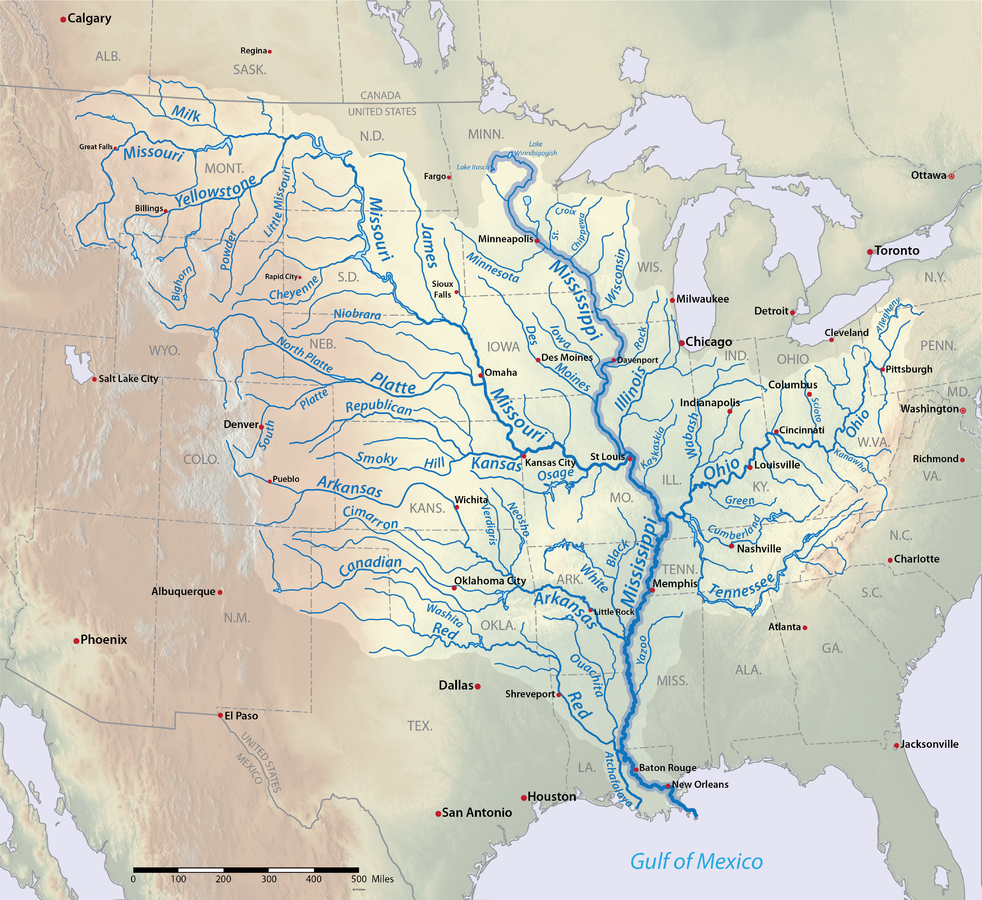
Beyond the bustling cities, the Mississippi River corridor is dotted with natural wonders and historically significant landmarks. Herculean Landing in Minnesota is a well-known starting point for many river adventures. The Mississippi National River and Recreation Area protects 72 miles of the river and its surrounding lands, offering hiking trails, scenic overlooks, and opportunities to learn about the river’s ecological importance. In Illinois, visitors can explore sites related to Abraham Lincoln. Vicksburg National Military Park in Mississippi preserves the battlefield of one of the Civil War’s most crucial sieges. The Natchez Trace Parkway is another scenic byway that follows an ancient trail, offering glimpses into the region’s past. These landmarks, combined with the river’s ever-changing scenery, create a rich tapestry for exploration, whether you’re seeking luxury travel, family adventures, or a deeper connection with American history and nature. The diversity of experiences available along the Mississippi River ensures that every journey is unique and unforgettable, catering to a wide spectrum of travel interests and lifestyles.