
The allure of the Northern Lights, or Aurora Borealis, is a powerful draw for travelers worldwide. This celestial ballet of vibrant colors dancing across the polar night sky is one of nature’s most breathtaking spectacles. For many, witnessing this phenomenon is a bucket-list dream, and Alaska stands out as one of the world’s premier destinations for aurora viewing. Known for its vast, unspoiled wilderness, minimal light pollution, and high latitude, the Last Frontier offers unparalleled opportunities to chase the aurora. However, simply being in Alaska isn’t enough; timing, location, and a bit of luck are crucial to maximize your chances of experiencing this otherworldly display. This comprehensive guide will delve into everything you need to know about when and where to see the Northern Lights in Alaska, helping you plan an unforgettable aurora adventure.
Understanding the Aurora Borealis Phenomenon
Before embarking on your journey, understanding the science behind the Northern Lights can deepen your appreciation for their magnificence. It’s not just a random light show; it’s a cosmic interaction of grand proportions.
The Science Behind the Spectacle
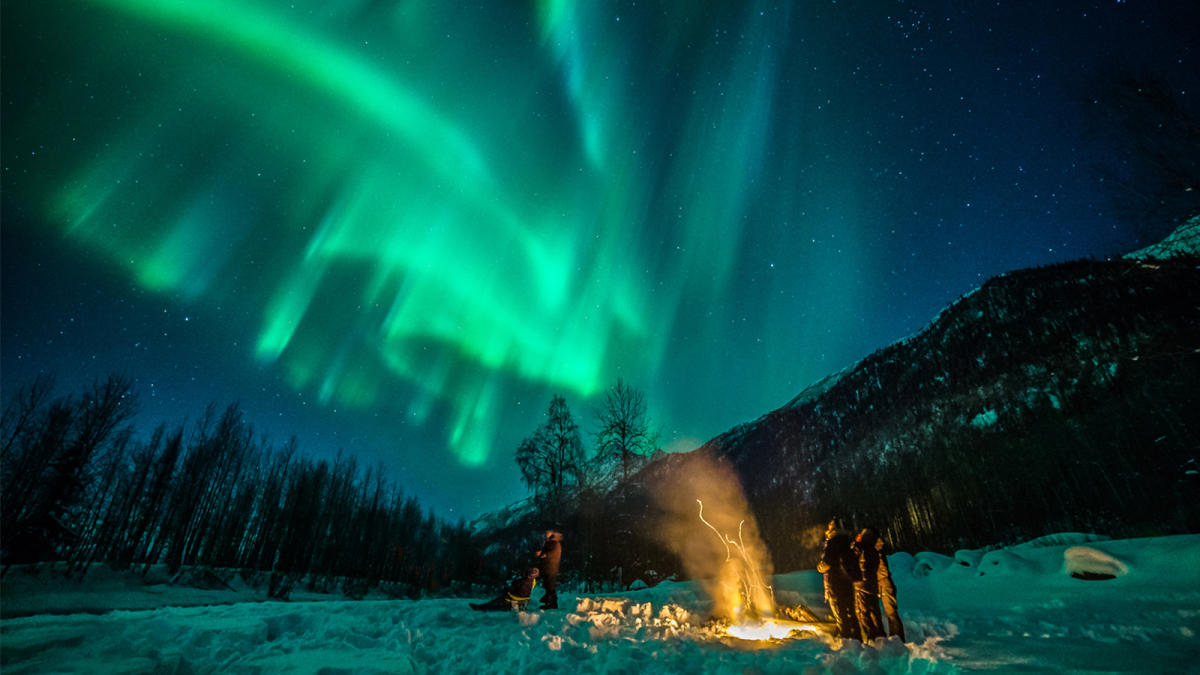
The Aurora Borealis is a natural light display in the Earth’s sky, predominantly seen in high-latitude regions around the Arctic Circle. It’s caused by disturbances in the magnetosphere by the solar wind. These disturbances are the result of a stream of charged particles (electrons and protons) emitted from the Sun’s atmosphere, known as the solar wind, colliding with gases in Earth’s upper atmosphere.
When these energized particles hit atoms of oxygen and nitrogen in the Earth’s atmosphere, they excite them, causing them to emit photons of light. The specific color of the aurora depends on the type of gas atoms involved and the altitude at which the collision occurs. Oxygen atoms typically produce green and yellow light (the most common colors), and sometimes red at higher altitudes. Nitrogen atoms often create blue and purple hues. The constantly changing shapes, patterns, and intensity of the aurora are due to the dynamic nature of solar activity and Earth’s magnetic field.
Key Factors for Optimal Viewing
Several critical factors influence your ability to see the Northern Lights:
- Darkness: This is paramount. The aurora, while bright, cannot compete with sunlight. This means you need complete darkness, which restricts viewing to the nighttime hours, especially during months with extended periods of darkness.
- Clear Skies: Clouds are the aurora chaser’s worst enemy. Even the most spectacular aurora will be invisible if obscured by cloud cover. Checking local weather forecasts for clear skies is an essential part of your nightly planning.
- Solar Activity: The intensity of the aurora directly correlates with solar activity. Geomagnetic storms on the sun send more charged particles towards Earth, resulting in more vibrant and widespread auroral displays. Scientists use indices like the KP-index to measure geomagnetic activity; a higher KP-index generally means better aurora viewing potential. Websites and apps dedicated to aurora forecasting provide real-time updates on solar activity.
- Location: Proximity to the magnetic pole is key. Alaska’s high latitude places much of the state directly within the auroral oval, a region around Earth’s magnetic poles where auroral activity is most frequent and intense. Moving away from urban centers to minimize light pollution also significantly improves viewing chances.
The Best Time to Witness Alaska’s Dazzling Display
Timing your trip to Alaska is perhaps the single most important decision for aurora viewing. While the aurora technically occurs year-round, specific seasons and times offer the best chances.
Seasonal Sweet Spot: Autumn and Winter
The prime window for seeing the Northern Lights in Alaska stretches from late August to mid-April. During these months, the state experiences long hours of darkness, a prerequisite for aurora visibility.
- Autumn (Late August to October): This is a fantastic time for aurora hunters. The nights begin to lengthen significantly, but the weather is often milder than in the depths of winter. The ground may not yet be heavily snow-covered, allowing for easier travel. Early autumn also offers the unique opportunity to capture auroras reflected in still lakes and rivers before they freeze over, creating stunning photographic opportunities. This period is also less crowded than the peak winter months, making for a more serene experience.
- Winter (November to March): These are the peak months. With the shortest days and longest nights, winter offers maximum darkness. Temperatures can be extremely cold, especially inland, but the crisp, clear air often accompanies these frigid conditions, leading to crystal-clear skies. The snow-covered landscape creates a beautiful contrast to the dancing lights, adding to the magical ambiance. Iconic winter activities like dog sledding, ice sculpting, and skiing also abound, making for a comprehensive winter wonderland experience.
- Spring (April to Mid-May): While still possible, the chances begin to diminish as daylight hours increase rapidly. By mid-May, the famed “midnight sun” begins to dominate, rendering aurora viewing impossible due to continuous daylight.
It’s important to note that the summer months (late May through early August) are entirely unsuitable for aurora viewing due to the extended daylight hours across Alaska. Even at night, the sky never gets dark enough to reveal the aurora.
Optimal Hours: Chasing Darkness
Within the aurora season, the best time of night to see the lights is typically between 10:00 PM and 3:00 AM. However, the aurora can appear at any point once the sky is sufficiently dark. Many dedicated aurora chasers will stay up much later, or even through the entire night, to ensure they don’t miss a sudden burst of activity. The darkest hours, generally around midnight, often provide the most intense displays. Patience is a virtue when aurora hunting; sometimes it’s a waiting game, with periods of stillness followed by a sudden explosion of color.
Monitoring Solar Activity
Modern technology makes predicting aurora activity more accessible than ever. Several resources can help you gauge the likelihood of a display:
- Geophysical Institute at the University of Alaska Fairbanks: This is a world-renowned authority on aurora research and provides excellent forecasts, often several days in advance, for aurora visibility in Alaska. Their website is an indispensable tool.
- NOAA Space Weather Prediction Center: Offers broader geomagnetic forecasts and real-time data on solar wind conditions.
- Aurora Forecast Apps: Numerous mobile applications provide real-time KP-index readings, aurora oval predictions, and alerts, allowing you to be notified when activity is high.
Checking these resources daily, or even hourly, can significantly improve your chances of being in the right place at the right time.
Prime Locations for Aurora Hunting in Alaska
While much of interior Alaska falls within the auroral oval, some locations offer distinct advantages due to their latitude, climate, and infrastructure.
Fairbanks: The Aurora Capital
Often hailed as the “Aurora Capital of Alaska,” Fairbanks is arguably the best base for aurora hunting. Its location at 64 degrees north latitude places it directly beneath the auroral oval, meaning that if there’s any aurora activity, you have a high probability of seeing it from Fairbanks or its immediate surroundings.
Why Fairbanks is Ideal:
- High Probability: Being within the auroral oval ensures frequent visibility.
- Infrastructure: As Alaska’s second-largest city, Fairbanks offers a wide range of accommodation options, from budget-friendly hotels like SpringHill Suites Fairbanks to more luxurious lodges, alongside restaurants, gear rentals, and tour operators.
- Accessibility: Fairbanks has a major international airport, making it easy to fly into.
- Clear Skies: The interior climate often brings cold, dry air and clearer skies compared to coastal regions, which are more prone to cloud cover.
- Aurora Tours: Numerous companies offer guided aurora tours, providing warm shelters, hot beverages, and transportation to prime viewing spots away from city lights. Some tours even include photography guidance.
Top Viewing Spots Near Fairbanks:
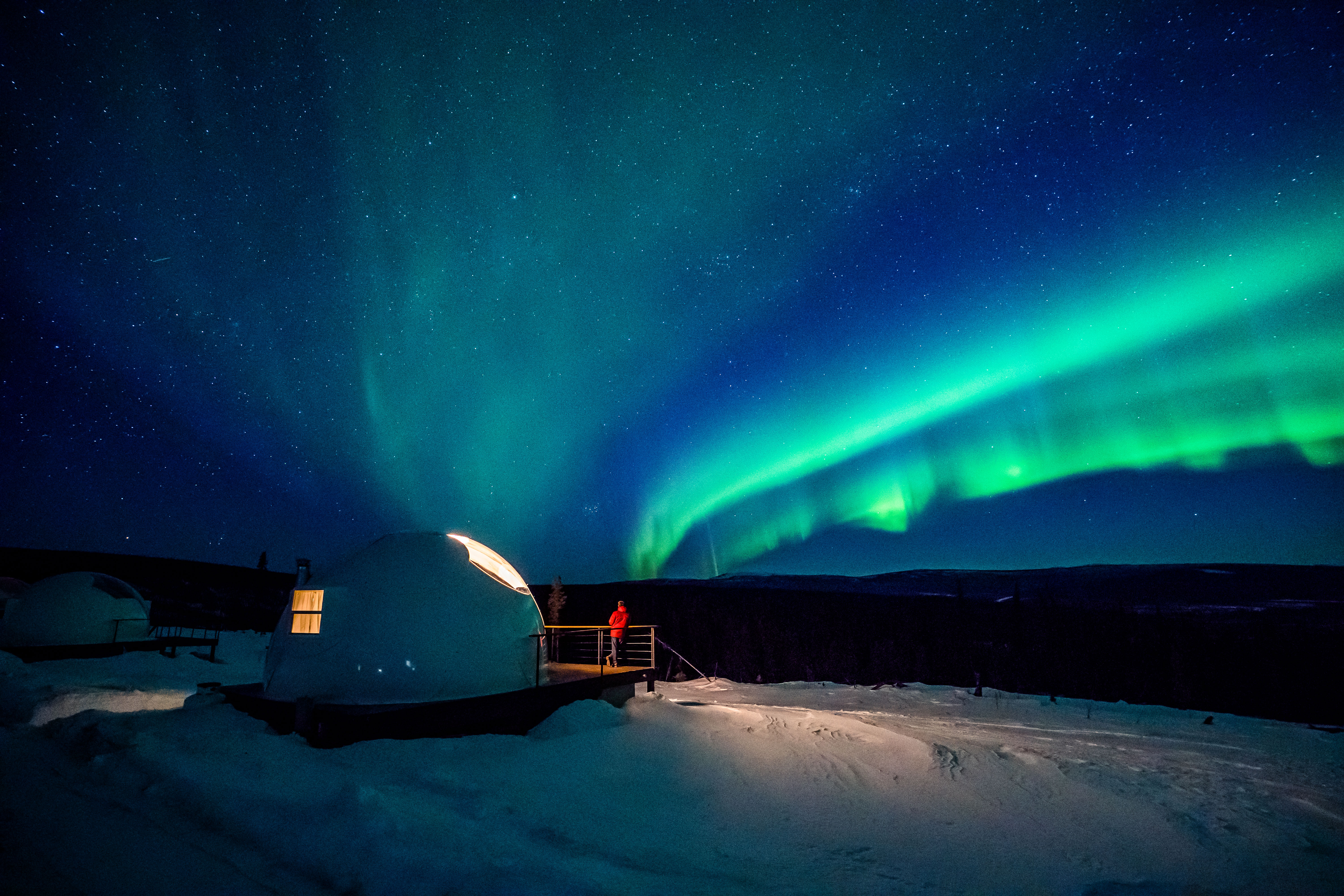
- Chena Hot Springs Resort: Located about an hour northeast of Fairbanks, this resort combines aurora viewing with the unique experience of soaking in natural hot springs. They have a “Aurora Ice Museum” and offer aurora-specific tours.
- Ester Dome: A popular elevated spot just outside Fairbanks, offering panoramic views.
- Murphy Dome: Another high-elevation site known for minimal light pollution.
- University of Alaska Fairbanks West Ridge: Even within the city, certain spots on the university campus offer good views, especially if the aurora is strong. However, driving a bit further out is always recommended.
Beyond Fairbanks: Remote Wilderness Escapes
For those seeking a more rugged and isolated experience, several other Alaskan destinations offer incredible aurora viewing opportunities, often with the added bonus of pristine wilderness backdrops.
- Denali National Park and Preserve: While the park road is mostly closed in winter, the area around the park entrance and the town of Talkeetna (further south, but still a good option) can offer stunning aurora views, especially with the majestic Denali mountain as a potential backdrop (though Denali itself is often shrouded in clouds). Accessibility requires careful planning in winter.
- Coldfoot and the Dalton Highway: Venturing north of the Arctic Circle along the Dalton Highway (the road to the Arctic Ocean) offers an incredibly remote and wild aurora experience. Coldfoot, a truck stop and small community, provides basic accommodation and is an excellent base for deep Arctic aurora viewing. This journey is best undertaken with experienced guides or in a well-equipped 4×4 vehicle.
- Utqiagvik (Barrow): The northernmost city in the United States, Utqiagvik offers continuous darkness for several weeks in winter, greatly increasing aurora chances. However, it’s very remote, expensive to reach, and extremely cold. It’s truly for the adventurous traveler.
Coastal Views and Mountain Retreats
While interior Alaska generally boasts clearer skies, some coastal and mountainous regions can also offer memorable aurora displays on clear nights.
- Anchorage: As Alaska’s largest city, Anchorage suffers from more light pollution. However, strong aurora displays can sometimes be seen from the city outskirts. Driving north towards the Mat-Su Valley or south along the Turnagain Arm can improve visibility. Staying at an upscale hotel like Hotel Captain Cook might offer city amenities, but aurora viewing will require a short drive out.
- Valdez and Homer: These scenic coastal towns, while beautiful, are more prone to cloud cover. On clear nights, however, the aurora over the water or mountains can be spectacular. They are better suited for those who prioritize other Alaskan experiences and view the aurora as a bonus.
Planning Your Unforgettable Aurora Adventure
Seeing the Northern Lights in Alaska requires more than just knowing when and where; it demands preparation, the right gear, and an understanding of the available options for experiencing this natural wonder.
Essential Gear and Preparation
Being prepared for the Alaskan winter is crucial for an enjoyable and safe aurora hunting trip.
- Warm Clothing: This is non-negotiable. Layering is key: thermal base layers, fleece mid-layers, and a waterproof/windproof outer shell. Don’t forget insulated boots, wool socks, hats that cover your ears, warm gloves or mittens, and hand/foot warmers. Temperatures can easily drop below -20°F (-29°C), especially at night while waiting outdoors.
- Photography Equipment:
- DSLR or mirrorless camera: With manual settings.
- Wide-angle lens: A fast lens (low f-number, e.g., f/2.8 or wider) is essential for capturing enough light.
- Sturdy tripod: Absolutely necessary for long exposures to prevent camera shake.
- Remote shutter release: To avoid touching the camera and causing blur.
- Extra batteries: Cold drains batteries quickly; keep spares warm in an inside pocket.
- Headlamp with a red light setting: To see in the dark without ruining your night vision or disturbing others.
- Patience and Flexibility: The aurora is a natural phenomenon, and there are no guarantees. Be prepared for multiple nights of waiting, and have backup activities planned for cloudy evenings.
- Transportation: A reliable vehicle, ideally a 4×4 or AWD with good winter tires, is highly recommended if you plan to self-drive outside of Fairbanks. Familiarize yourself with winter driving conditions.
Accommodation Choices for Aurora Chasers
Your choice of accommodation can significantly impact your aurora experience. Alaska offers a range of options catering to different budgets and preferences:
- Aurora Lodges/Cabins: Many remote lodges and cabins, particularly around Fairbanks and further north, specialize in aurora viewing. They often provide cozy, heated viewing areas, wake-up calls when the aurora appears, and easy access to dark skies. Examples include specialized cabins near Chena Hot Springs Resort or independent lodges slightly off the beaten path.
- Hotels in City Centers: In Fairbanks, hotels like Pike’s Waterfront Lodge offer comfortable stays. While you’ll likely need to venture out of the city for optimal viewing, these hotels provide a warm base and access to city amenities. In Anchorage, the Hotel Captain Cook offers a luxurious stay, though again, a drive outside the city will be needed for serious aurora viewing.
- Vacation Rentals: Renting an Airbnb or VRBO in a rural area outside a city can offer a more private and immersive experience, often with a clear view of the night sky from your doorstep. This is ideal for groups or families.
- Budget Accommodation: Hostels or more basic hotels are available in Fairbanks, allowing budget-conscious travelers to experience the aurora without breaking the bank.
When booking accommodation, inquire about their aurora policies, such as wake-up calls or dedicated viewing areas. Some accommodations even offer aurora photography workshops.
Guided Tours vs. Self-Exploration
Deciding whether to join a guided tour or explore independently depends on your comfort level with winter travel and your desired experience.
- Guided Tours:
- Pros: Eliminate the stress of driving in winter conditions, provide expert local knowledge of prime viewing spots, often include warm shelters, hot beverages, and sometimes even photography assistance. Some tours take you to remote, hard-to-reach locations.
- Cons: Less flexibility in schedule and location, potentially more crowded.
- Ideal for: First-time visitors to Alaska, those uncomfortable with winter driving, solo travelers, or those seeking expert guidance.
- Self-Exploration:
- Pros: Complete flexibility to chase clear skies, find unique spots, and stay out as long as you wish. More private and intimate experience.
- Cons: Requires knowledge of local conditions, confident winter driving skills, and self-sufficiency in extreme cold. You’ll need to do your own research on aurora forecasts and locations.
- Ideal for: Experienced winter travelers, photographers, or those who prefer independent adventures.
Many travelers opt for a hybrid approach: using a guided tour for their first few nights to learn the ropes, then venturing out independently on subsequent nights if they feel confident.
Making the Most of Your Alaskan Journey
While the Northern Lights are undoubtedly the main attraction, Alaska offers a wealth of other experiences that can enrich your trip and provide memorable daytime adventures. Embrace the “lifestyle” of an Alaskan winter traveler.
Beyond the Lights: Daytime Adventures
Don’t spend all your daylight hours sleeping! Alaska in winter is a wonderland of activities:
- Dog Sledding: Experience Alaska’s state sport with a thrilling ride through snowy forests. Many operators near Fairbanks offer tours, from short introductory runs to multi-day expeditions.
- Ice Sculpting/Art: Fairbanks hosts the World Ice Art Championships in March, showcasing incredible ice sculptures. Even outside this event, you can find beautiful ice art.
- Snowmobiling (Snowmachining): Explore vast tracts of wilderness on a guided snowmobile tour.
- Cross-Country Skiing and Snowshoeing: Enjoy the serene beauty of Alaska’s trails at your own pace.
- Ice Fishing: Try your hand at catching fish through a hole in the ice on one of Alaska’s many frozen lakes.
- Visiting Hot Springs: Chena Hot Springs Resort is a prime example, offering a relaxing soak amidst a snowy landscape.
- Cultural Experiences: Visit the Museum of the North at the University of Alaska Fairbanks to learn about Alaskan natural history, art, and indigenous cultures. In Anchorage, the Alaska Native Heritage Center offers insight into the state’s diverse native traditions.
- Wildlife Viewing: Keep an eye out for moose, caribou, and other winter wildlife. The Alaska Wildlife Conservation Center near Portage (south of Anchorage) is a great place to see Alaska’s iconic animals in a natural setting.

Tips for an Enjoyable and Safe Trip
- Book Early: Especially if traveling during peak season, accommodations and popular tours can book up quickly.
- Stay Flexible: Weather in Alaska can change rapidly. Have backup plans and be prepared to adjust your itinerary.
- Inform Someone: If you’re venturing into remote areas, let someone know your plans and expected return time.
- Carry Emergency Supplies: A basic emergency kit for your car (blankets, food, water, first-aid, jump starter) is always a good idea.
- Respect the Environment: Leave no trace, stay on marked trails, and give wildlife ample space.
- Embrace the Cold: With proper layering and preparation, the cold can be exhilarating rather than miserable.
- Allow Multiple Nights: To maximize your chances of seeing the aurora, plan to stay for at least 3-5 nights in a prime viewing area like Fairbanks. This increases your odds against cloudy weather or low solar activity on any given night.
Seeing the Northern Lights in Alaska is an experience that transcends mere sightseeing; it’s an encounter with the raw power and ethereal beauty of the natural world. By understanding the science, timing your visit strategically, choosing the right locations, and preparing adequately, you can significantly enhance your chances of witnessing this magnificent celestial dance. Whether you opt for the comfort of a guided tour or the thrill of a self-driven adventure, your Alaskan aurora chase promises to be an unforgettable journey, a true highlight of any traveler’s lifestyle.
LifeOutOfTheBox is a participant in the Amazon Services LLC Associates Program, an affiliate advertising program designed to provide a means for sites to earn advertising fees by advertising and linking to Amazon.com. Amazon, the Amazon logo, AmazonSupply, and the AmazonSupply logo are trademarks of Amazon.com, Inc. or its affiliates. As an Amazon Associate we earn affiliate commissions from qualifying purchases.