
The New York Stock Exchange, located at 11 Wall Street in the heart of Lower Manhattan, is more than just a global financial nerve center; it is a monument to American economic history. For millions of tourists and architecture enthusiasts who visit New York City, the exchange stands as a towering symbol of the United States financial dominance. While travelers often find themselves gazing up at the neoclassical facade, the inner workings of the institution—specifically the sheer number of companies listed there—remains a subject of constant fascination.
The Magnitude of the Exchange: Understanding Market Listings
When inquiring about the number of stocks on the New York Stock Exchange, one must distinguish between the total number of listed companies and the broader universe of equities. Historically, the exchange has hosted thousands of corporations, ranging from century-old blue-chip titans to innovative modern enterprises.
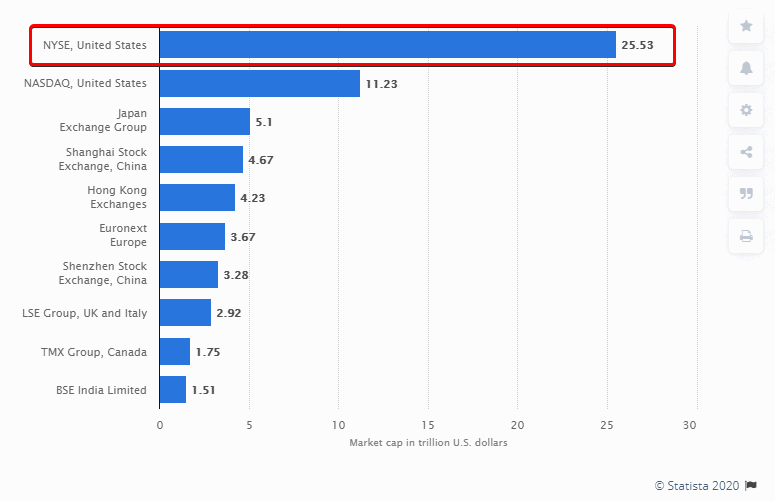
Defining the Scale of Global Finance
At any given moment, the New York Stock Exchange lists approximately 2,400 to 2,800 companies. This figure fluctuates based on initial public offerings (IPOs), mergers, acquisitions, and delistings. To the casual observer walking through the Financial District, these numbers represent the pulse of the global economy. Each ticker symbol displayed on the iconic digital boards represents a distinct slice of the world’s most influential businesses, spanning industries from technology and healthcare to energy and consumer goods.
The Dynamics of Market Fluctuations
The number of stocks is never static. In the landscape of New York, business moves fast. As companies reach maturity, they may be acquired or privatized, leading to their removal from the exchange. Simultaneously, the constant influx of new, high-growth startups ensures that the New York Stock Exchange remains a vibrant and evolving institution. This rhythmic cycle of turnover is a defining feature of the market’s health and longevity.
A Historical Landmark in the Heart of the City
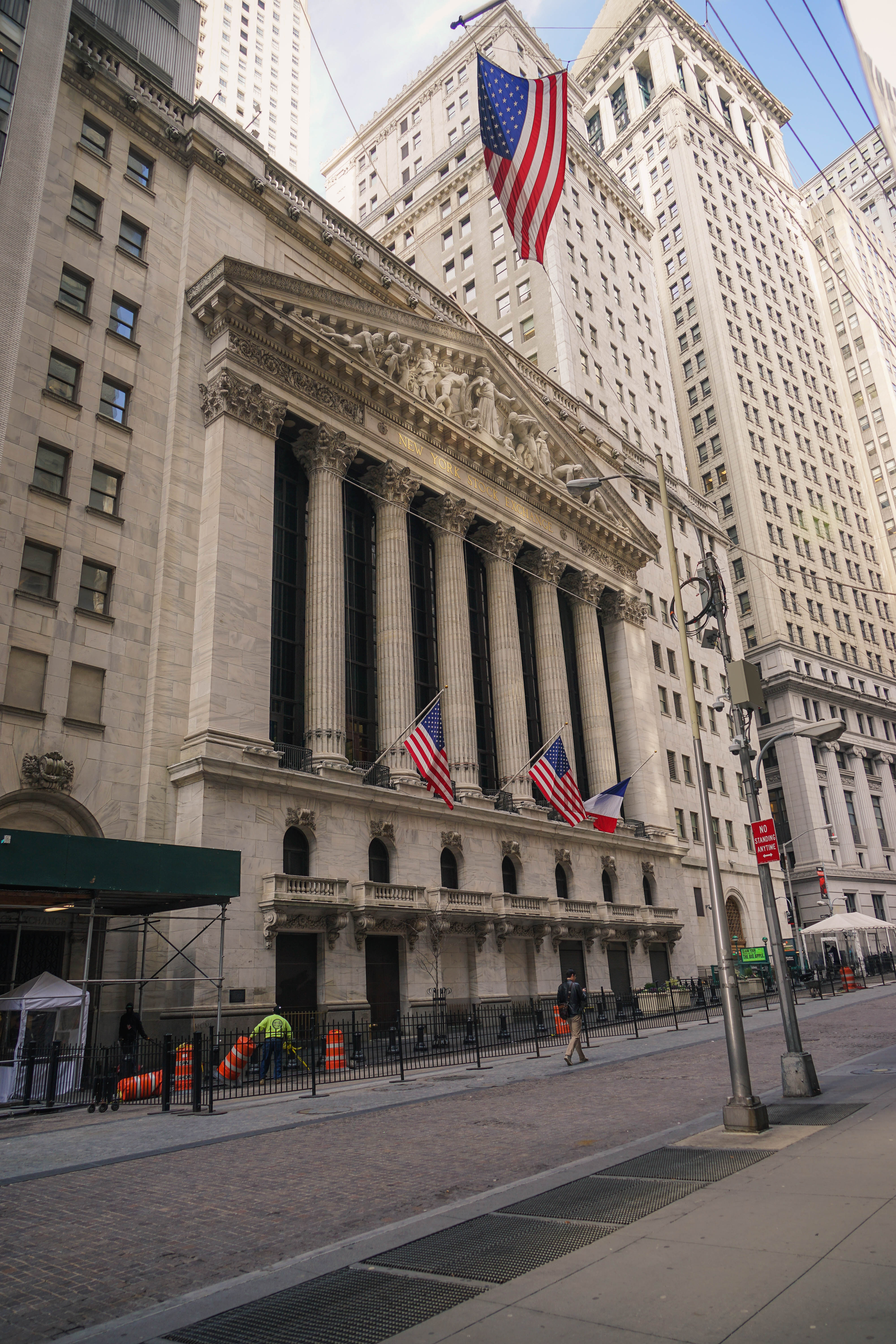
Beyond the numbers, the building itself is a masterpiece of design. Situated just steps away from Federal Hall, the New York Stock Exchange building is a premier Landmark. Visitors planning a trip to Manhattan often include this site on their itinerary to witness where the history of American capitalism unfolded.
The Architectural Significance
The building was designed by George B. Post and completed in 1903. Its grand marble facade, punctuated by Corinthian columns and a majestic pediment, reflects the power and stability that the New York Stock Exchange intended to project at the turn of the 20th century. While most tourists cannot enter the trading floor, the exterior provides an iconic photo opportunity that captures the spirit of Wall Street.
Integrating the Exchange into a New York Itinerary
For those visiting New York City, a stop at the New York Stock Exchange is best combined with a walk through the historic streets of Lower Manhattan. The proximity of other historical sites, such as the Charging Bull statue and the 9/11 Memorial & Museum, allows travelers to immerse themselves in the complex narrative of the city. Whether you are interested in the exact number of stocks listed or simply want to experience the atmosphere of the world’s most famous financial hub, the area provides a deep look into the cultural identity of America.
The Evolution of the Exchange and Its Global Reach
The New York Stock Exchange is no longer solely a venue for domestic firms. Over the past few decades, it has solidified its position as a truly international platform, hosting companies from Europe, Asia, and Latin America.
Cross-Border Listings and Market Diversity
The inclusion of international stocks has significantly expanded the diversity of companies available on the exchange. This global integration means that when you track the number of stocks, you are looking at a tapestry of the world economy. Investors from Tokyo to London look toward the New York Stock Exchange to gauge the sentiment of the international market. This global footprint is precisely what keeps the institution at the pinnacle of finance, regardless of the precise number of tickers active at any time.
Technology and the Future of Listing
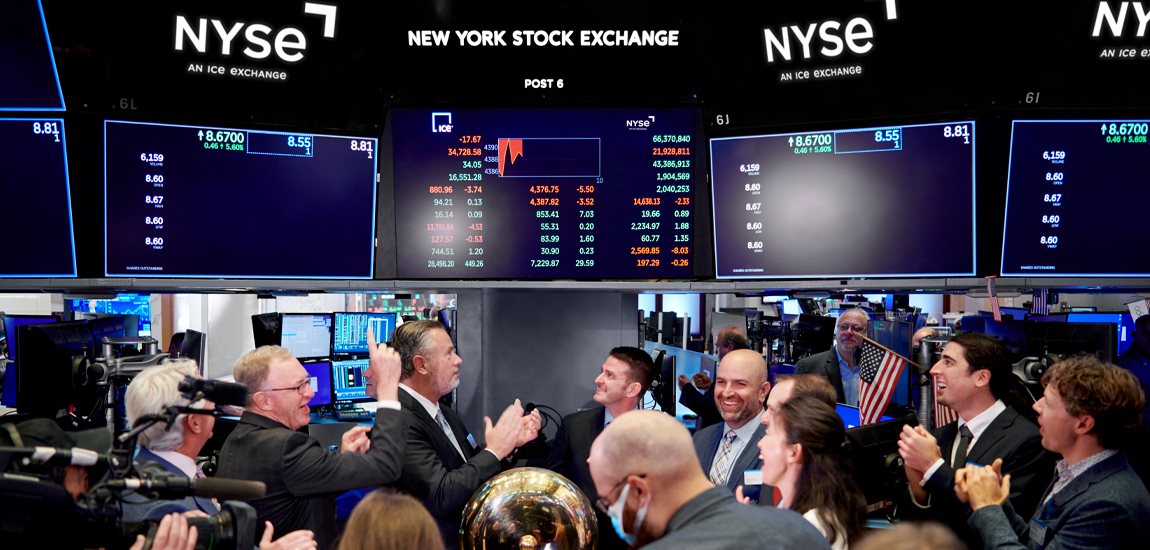
The transition from a physical, paper-based trading floor to a highly automated digital environment has changed the nature of how stocks are “in” the exchange. While human traders are still present, much of the volume is handled by sophisticated algorithms. This technological shift has allowed the New York Stock Exchange to handle more complexity and higher volumes than ever before. For the curious traveler, this evolution underscores why the building remains a focal point—it is a bridge between the physical history of New York and the digital future of global finance.
Traveling to the Financial District: Tips for Visitors
Planning a trip to the Financial District requires an understanding of how to balance professional sightseeing with the bustle of a working neighborhood. The area is dense, vibrant, and packed with history that extends well beyond the New York Stock Exchange.
Navigating the Landmarks
When visiting the New York Stock Exchange, consider starting your day early to avoid the peak rush-hour crowds. The Financial District is well-connected by subways to the rest of New York City, making it an easy addition to any travel itinerary. Ensure you leave time to walk down Broadway and explore the nearby Battery Park, which offers stunning views of the Statue of Liberty.
Cultural Insights and Local Culture
Tourism in the Financial District is a unique experience. Unlike the neon-lit frenzy of Times Square, this area moves with a more focused, intense rhythm. Visitors who take the time to observe the people entering and exiting the New York Stock Exchange will catch a glimpse of the high-stakes world that drives global commerce. It is a place where history, architecture, and current events collide, offering an unparalleled look at the foundations of the United States economy.
By understanding the scale of the New York Stock Exchange—the thousands of companies that call it home—visitors can appreciate the gravity of the institution. It is not just a building; it is a massive, interconnected network that facilitates the exchange of value across the entire planet. Whether you are a finance professional or a general traveler, the site remains an essential stop for anyone wanting to understand the heartbeat of modern society.
LifeOutOfTheBox is a participant in the Amazon Services LLC Associates Program, an affiliate advertising program designed to provide a means for sites to earn advertising fees by advertising and linking to Amazon.com. Amazon, the Amazon logo, AmazonSupply, and the AmazonSupply logo are trademarks of Amazon.com, Inc. or its affiliates. As an Amazon Associate we earn affiliate commissions from qualifying purchases.