
The quintessential image of a brownstone often conjures visions of stately row houses lining tree-shaded streets, a hallmark of urban elegance and historical depth. While most famously associated with the East Coast cities like New York or Boston, the distinctive brownstone aesthetic also found a significant, though perhaps less celebrated, home in the heart of the Midwest: Chicago. These robust, often ornate structures tell a profound story of Chicago’s post-fire rebuilding, its burgeoning wealth, and the architectural preferences of its late 19th and early 20th-century residents. Understanding the number of stories in a Chicago brownstone is more than just a structural observation; it’s a gateway into appreciating the city’s unique architectural landscape and social history.

The Enduring Allure of the Chicago Brownstone
Chicago’s brownstones, while sharing a common heritage with their Eastern counterparts, possess characteristics shaped by the city’s specific development patterns and architectural movements. The term “brownstone” itself refers to the brown sandstone used for the facade, lending the buildings their distinctive earthy hue and rugged texture. This material was prized for its durability, availability, and the sense of solidity and grandeur it conveyed, making it a popular choice for residential construction during an era of rapid urban expansion.
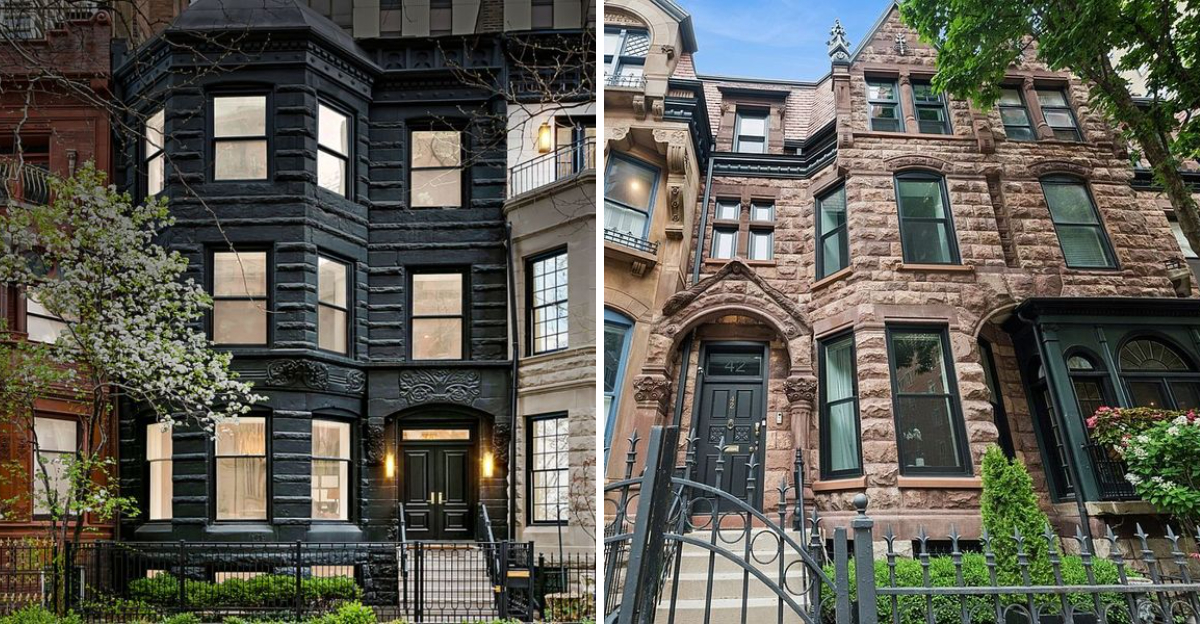
Unlike the tightly packed, often unified blocks of brownstones seen in, for example, Manhattan’s Upper West Side, Chicago’s brownstones often appear within a more varied architectural tapestry. They are found predominantly in historic neighborhoods that prospered after the Great Chicago Fire of 1871, representing a period of ambitious rebuilding and the establishment of affluent residential enclaves. These structures symbolized stability, permanence, and a certain aspirational lifestyle for the city’s growing middle and upper classes. Their intricate detailing, from carved lintels and cornices to elaborate bay windows, reflects the craftsmanship and aesthetic values of the Victorian and Edwardian eras.
Architectural Characteristics and Typical Story Counts
To truly answer how many stories a Chicago brownstone typically has, one must delve into the common residential archetypes that emerged in the city during its boom period. The dominant form of brownstone construction in Chicago was often the multi-flat dwelling, designed to maximize urban density while maintaining an air of respectability and comfort.
The Classic Three-Flat
The most prevalent type of brownstone in Chicago is arguably the “three-flat,” a stacked residential building typically comprising three separate apartment units. As the name suggests, these structures usually stand three stories tall. Each floor would house a single, spacious apartment, often spanning the entire footprint of the building. This configuration offered a compelling blend of private living and efficient land use, catering to families who desired urban living without the upkeep of a large single-family home, or as income-generating properties for landlords who occupied one unit and rented out the others.
These three-flats often feature a raised basement or garden level, which might house a fourth, smaller unit, or serve as utility space and extra rooms for the ground-floor apartment. While technically an additional level, it is usually not counted as a full “story” in the same way the main residential floors are. The entry to these buildings is typically via a stoop, a set of stairs leading to the main entrance on the first floor above the street level, a design element shared with brownstones across the country.
Variations and Adaptations
While the three-flat is iconic, Chicago’s brownstones are not exclusively limited to this configuration.
- Two-Flats: Smaller brownstones, often found on narrower lots or in slightly less dense areas, might be built as two-flats, featuring two stories above a potential garden level. These offered a more intimate living arrangement, often with larger individual units.
- Single-Family Homes: In more affluent areas, particularly in neighborhoods like Lincoln Park or the Gold Coast, grander, three or even four-story brownstones were constructed as magnificent single-family residences. These were the mansions of the era, designed for wealthy merchants, industrialists, and professionals, featuring multiple parlors, servants’ quarters, and expansive living spaces. Their facades often displayed even more elaborate architectural ornamentation, including intricate carvings, turrets, and arched windows.
- Row Houses: Some brownstone developments in Chicago adopted the traditional row house model, where a series of attached, similarly styled homes share side walls. These can vary from two to four stories depending on the specific development and the economic status of the intended occupants.
The story count, therefore, is directly tied to the building’s original intended use and its placement within Chicago’s evolving urban fabric. The vast majority, however, lean towards the two-to-three-story typology, reflecting the pragmatic yet elegant approach to urban housing that defined much of Chicago’s turn-of-the-century growth.
Materials and Facades
While the “brownstone” name inherently refers to the material, it’s worth noting the specificities in Chicago. The sandstone used was often sourced from quarries in Michigan, Wisconsin, or even more distant locales. The color range, while generally brown, can vary from reddish-brown to a more muted grey-brown, influencing the overall aesthetic of a streetscape. These facades are typically load-bearing, contributing to the robust and enduring nature of the buildings. Intricate stone carving around windows, doors, and rooflines further distinguishes these properties, showcasing a range of architectural styles from Romanesque Revival to Queen Anne and Richardsonian Romanesque, each influencing the overall massing and verticality, and thus, the perception of their story count.

A Glimpse into Chicago’s Architectural History
The prevalence of brownstones in Chicago is deeply rooted in the city’s dynamic history, particularly its reconstruction following the Great Chicago Fire of 1871.
Post-Fire Rebuilding
The devastating fire created an unprecedented opportunity for urban planning and architectural innovation. While the city famously embraced steel-frame construction for its downtown skyscrapers, residential areas saw a resurgence of more traditional, yet resilient, building materials. Brownstone, being fire-resistant compared to the wood structures that had fueled the inferno, became a popular and fashionable choice for rebuilding the homes of Chicago’s burgeoning middle and upper classes. This period saw the rapid development of neighborhoods with coherent architectural styles, many featuring brownstone facades. The need to rebuild quickly, combined with the desire for substantial, respectable housing, drove the demand for multi-story residential structures that could house multiple families or provide ample space for single-family living.
Neighborhoods of Significance
Several Chicago neighborhoods are particularly renowned for their concentrations of brownstones, offering a tangible link to the city’s architectural past.
- Lincoln Park: This affluent neighborhood boasts some of the city’s most elegant brownstones, ranging from grand single-family homes to meticulously preserved three-flats. The architecture here often showcases a blend of Victorian charm and late 19th-century opulence.
- Gold Coast: Characterized by its historic mansions, the Gold Coast features some of Chicago’s largest and most elaborate brownstones, often reaching three or four stories, reflecting the wealth of the city’s elite.
- Old Town: Nestled south of Lincoln Park, Old Town offers a charming collection of brownstone row houses and multi-flats, often integrated into a vibrant, historic streetscape.
- Wicker Park and Hyde Park: These neighborhoods also feature significant pockets of brownstones, reflecting their historical development as residential areas for different segments of Chicago society. Wicker Park, known for its stately mansions, includes many brownstone examples. Hyde Park has its own distinct collection, often reflecting a slightly later architectural influence.
- Lakeview: North of Lincoln Park, Lakeview also presents a significant number of brownstone three-flats, contributing to its historic charm.
These areas provide a living museum of Chicago’s residential architecture, with the story count of their brownstones being a key indicator of their original purpose and the prevailing urban planning philosophies of the time.
Preservation and Modern Relevance
Today, Chicago’s brownstones are highly coveted properties, prized for their historical character, solid construction, and often generous living spaces. Their story counts contribute to their appeal, with three-story buildings offering substantial vertical living, adaptable for various modern uses.
Historic Districts and Protections
Many of these brownstones fall within designated historic districts, such as the Lincoln Park Historic District or the Old Town Triangle District. These designations provide a layer of protection, ensuring that renovations and alterations respect the original architectural integrity, including preserving the exterior materials and overall massing. This commitment to preservation helps maintain the distinctive visual character of these neighborhoods and the architectural legacy of the brownstone.
Adaptive Reuse and Value
While many brownstones remain multi-unit dwellings, there’s a growing trend towards converting two-flats and three-flats back into grand single-family homes, particularly the three-story versions. This transformation allows owners to reconfigure the interior spaces to suit modern lifestyles while retaining the historic facade and the impressive vertical scale. The high ceilings, large windows, and robust construction typical of brownstones lend themselves well to these contemporary redesigns, making them highly desirable in Chicago’s competitive real estate market. The number of stories directly impacts the potential for square footage and the grandeur that can be achieved in such conversions.
Distinguishing Chicago Brownstones from Other Cities
While the term “brownstone” is universally understood, the specific architectural expressions vary by city. Chicago’s brownstones, particularly the predominant three-flats, often exhibit a slightly different character than those in New York or Boston.
- New York: New York brownstones are often narrower and taller, frequently four or even five stories, reflecting the extreme land scarcity of Manhattan and Brooklyn. They are almost exclusively row houses, forming continuous street walls.
- Boston: Boston’s brownstones, particularly in the Back Bay, are also typically four or five stories and part of elegant, unified rows, reflecting a similar density to New York but often with a more uniform Neoclassical or Second Empire influence.
- Chicago: Chicago brownstones, while part of urban streetscapes, are more commonly two or three stories and often found on slightly wider lots, allowing for more light and sometimes incorporating side entrances or larger bay windows. The three-flat model, a distinct Chicago invention, is less common in the East Coast brownstone canon. This difference in story count and typical footprint reflects Chicago’s unique land development patterns and its embrace of the multi-unit dwelling as a prestigious urban housing solution.
In conclusion, while single-family brownstones can reach four stories, and two-flats offer a more modest profile, the archetypal Chicago brownstone, especially the iconic three-flat, stands proudly at three stories tall. This verticality, combined with its distinctive material and historical context, makes the Chicago brownstone a cherished landmark and a testament to the city’s rich architectural legacy.
LifeOutOfTheBox is a participant in the Amazon Services LLC Associates Program, an affiliate advertising program designed to provide a means for sites to earn advertising fees by advertising and linking to Amazon.com. Amazon, the Amazon logo, AmazonSupply, and the AmazonSupply logo are trademarks of Amazon.com, Inc. or its affiliates. As an Amazon Associate we earn affiliate commissions from qualifying purchases.