
Florida Atlantic University (FAU), a vibrant public research institution, serves as a cornerstone of higher education in South Florida. Nestled in the heart of Boca Raton, with additional campuses strategically located across the region, FAU plays a significant role in the local tourism and lifestyle landscape. While the university’s academic prowess and research contributions are widely recognized, its sheer scale, reflected in its student population, directly impacts the ebb and flow of activity within the surrounding communities, influencing everything from accommodation demands to the local cultural scene. Understanding the number of students enrolled at FAU offers a unique lens through which to view the dynamic interplay between academia and the broader lifestyle of South Florida.
The Core Enrollment Figures
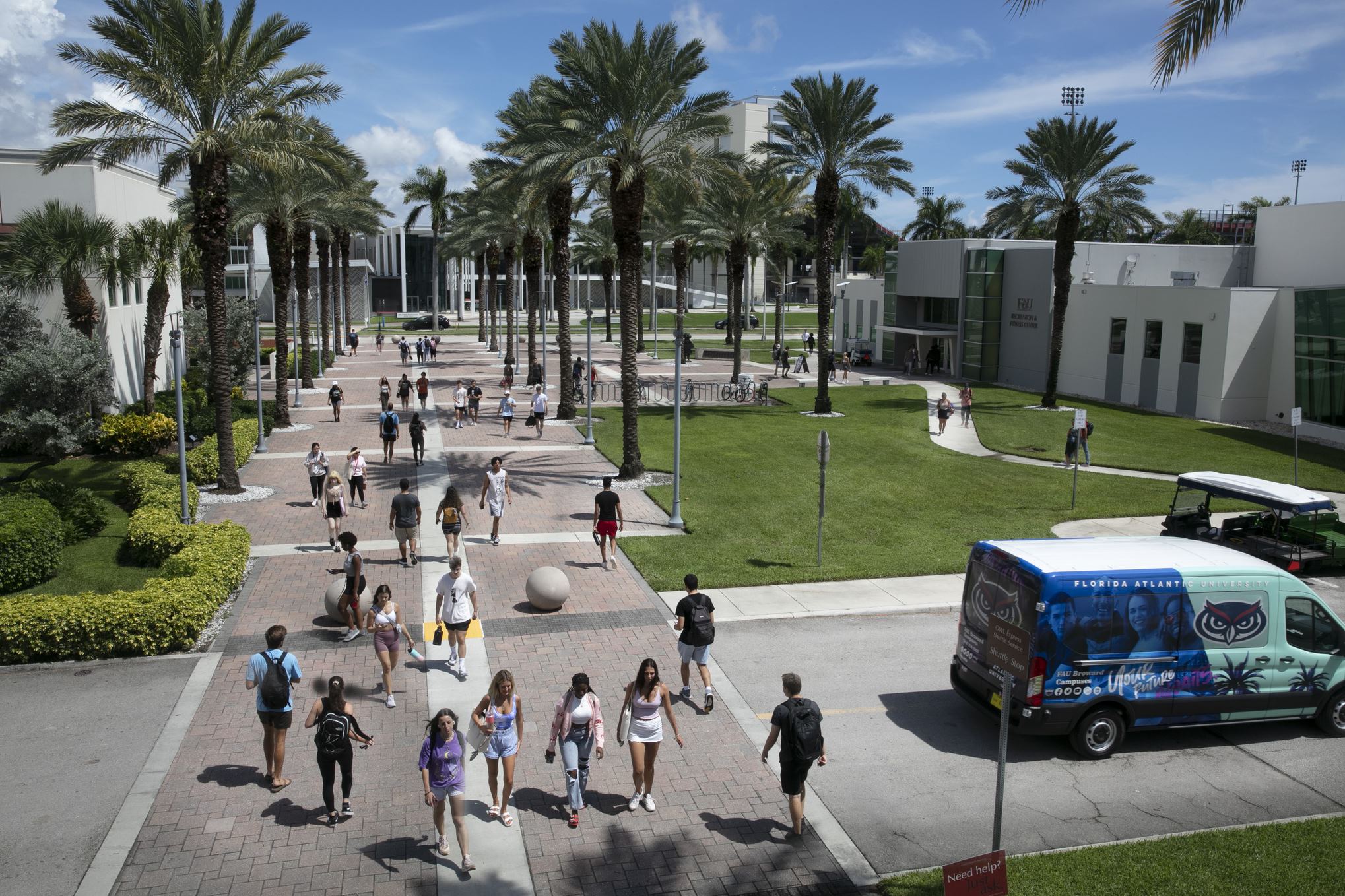
The student body at Florida Atlantic University is a substantial entity, comprising both undergraduate and graduate students across its various colleges and campuses. These figures are not static; they fluctuate annually based on admissions cycles, program popularity, and institutional growth strategies. For prospective students, families, and even those considering Florida as a place to live or visit, grasping the magnitude of FAU’s enrollment provides crucial context.
Undergraduate Enrollment Dynamics
The undergraduate population forms the largest segment of FAU’s student body. These students, drawn from Florida and beyond, are deeply involved in the academic and social fabric of the university. Their presence fuels demand for off-campus housing, contributes to the local economy through spending on goods and services, and energizes student-centric businesses and entertainment venues in Boca Raton and its environs. The undergraduate experience at FAU is multifaceted, encompassing rigorous academic pursuits alongside a rich array of extracurricular activities that often spill over into the local community, attracting families for visits and influencing weekend activities.
Graduate Student Population
Complementing the undergraduate cohort is a significant and growing population of graduate students. These individuals, pursuing master’s and doctoral degrees, often bring a different dynamic to the university and the surrounding areas. Graduate students frequently engage in advanced research, contributing to FAU’s standing as a research institution. Their presence can also influence the demand for more specialized accommodations and can contribute to a more mature and sophisticated local dining and cultural scene. Many graduate students are often working professionals or individuals looking for advanced training, and their residency in the Palm Beach County area can extend beyond the academic year, impacting long-term stay accommodations.
FAU’s Multi-Campus Footprint and Its Impact
Florida Atlantic University is not confined to a single location. Its distributed campus system is a key feature, significantly broadening its reach and influence across South Florida. Each campus contributes to the local character and economic activity of its respective area, and the student populations associated with each add a unique flavor to the local lifestyle and tourism offerings.
The Boca Raton Campus
The main campus in Boca Raton is the largest and most prominent. It is the epicenter of student life and academic activity, home to the majority of FAU’s enrollment. The surrounding neighborhoods and the city of Boca Raton itself are deeply intertwined with the university’s presence. This includes a significant demand for student housing, from traditional dormitories to apartments and rental properties in the nearby communities. The sheer number of students and faculty at the Boca Raton campus directly impacts the local hospitality sector, with hotels and resorts often seeing increased bookings from visiting families, prospective students, and academic conferences. The cultural events, sporting activities, and general vibrancy driven by the student body also contribute significantly to the lifestyle appeal of Boca Raton as a destination.
The Davie Campus
Located in Broward County, the Davie Campus serves a substantial student population, particularly in areas like nursing, education, and business. Its presence influences the local real estate market and contributes to the economic vitality of Davie and surrounding towns. Students at the Davie Campus contribute to a localized demand for dining, entertainment, and retail, shaping the lifestyle offerings in that part of South Florida. For those looking at Florida as a place to stay, understanding the concentration of students in areas like Davie can inform choices about neighborhoods and local attractions.
The Fort Lauderdale Campus
The Fort Lauderdale Campus, situated in the heart of a major metropolitan area, caters to a diverse range of academic programs and a significant student population. Its urban setting means that students at this campus are immersed in a dynamic environment with ample opportunities for internships, cultural experiences, and nightlife. This campus’s enrollment figures influence the demand for accommodation in Fort Lauderdale, including short-term stays for visiting academics and longer-term rentals for students and their families. The influx of students enhances the city’s reputation as a hub for both education and leisure, impacting the tourism industry.
Other Campuses and Their Influence

Beyond these primary locations, FAU operates other centers, including the Jensen Beach Campus focused on marine and atmospheric science, and the McFadden Campus in Fort Lauderdale for the College of Business. Each of these sites, while perhaps smaller in student numbers, contributes to the specialized academic and lifestyle offerings of their respective regions. The presence of these campuses, and their associated student bodies, subtly shapes the local tourism and lifestyle by drawing in visitors for academic events, research symposiums, and university-affiliated activities. Even the smaller satellite locations can influence the demand for specific types of accommodation in their vicinity.
Enrollment Trends and Future Projections
The student population at Florida Atlantic University is not static; it is a dynamic entity that reflects broader educational trends and economic conditions. Understanding enrollment trends provides valuable insights for potential students, real estate investors, and those involved in the hospitality and lifestyle industries in South Florida.
Growth and Stability
Over the years, FAU has experienced periods of significant growth, driven by factors such as expanding program offerings, increased demand for higher education in South Florida, and strategic recruitment efforts. While there can be year-to-year fluctuations, the overall trajectory for major public universities like FAU often points towards sustained enrollment. This consistent presence of a large student body ensures a steady flow of economic activity and maintains a consistent demand for accommodation and lifestyle services in the areas surrounding its campuses.
Factors Influencing Enrollment
Several factors influence the total number of students at FAU. These include the quality and breadth of academic programs, the affordability of tuition and living expenses, the university’s reputation, and the overall economic climate in Florida. Furthermore, global events and demographic shifts can also play a role in shaping enrollment patterns. For the tourism and lifestyle sectors, a stable or growing student population means a consistent market for various services, from budget-friendly eateries to higher-end resorts catering to visiting families.
Impact on Local Accommodation and Lifestyle
The sheer volume of students at FAU and its various campuses has a profound impact on the local accommodation landscape. This includes everything from university-owned housing to off-campus apartments, condominiums, and rental homes. For visitors, the presence of a large student body means that hotels in areas like Boca Raton, Fort Lauderdale, and surrounding cities often experience high occupancy rates, especially during the academic year and around major university events. The demand extends to vacation rentals and boutique hotels that cater to the discerning traveler looking for a more immersive lifestyle experience.
Beyond accommodation, the student population significantly shapes the lifestyle offerings in the region. This includes a vibrant restaurant scene, a plethora of entertainment venues, retail outlets catering to a younger demographic, and a general buzz of activity that makes South Florida an attractive place to live, study, and visit. The cultural exchange fostered by a diverse student body also enriches the local tapestry, influencing everything from the arts to the culinary landscape.
A University’s Role in the South Florida Lifestyle
Florida Atlantic University is more than just an educational institution; it is a significant contributor to the lifestyle and economic vitality of South Florida. The size of its student body is a key indicator of its impact.
Economic Engine
The thousands of students enrolled at FAU represent a substantial economic force. Their spending on tuition, housing, food, transportation, entertainment, and other personal needs directly benefits local businesses. This economic contribution is amplified by the university’s faculty, staff, and the influx of visitors—parents, prospective students, and conference attendees—who are drawn to the university’s activities. This sustained economic activity makes areas around FAU a perennial draw for those in the hospitality and retail sectors.
Cultural Hub
Universities are natural centers for cultural exchange and intellectual discourse. FAU, with its diverse student body and extensive academic programs, fosters a rich cultural environment. This translates into a vibrant arts scene, frequent public lectures, musical performances, and sporting events that are accessible to the wider community. These activities not only enrich the lives of students but also contribute to the allure of South Florida as a destination for cultural tourism and for those seeking a dynamic lifestyle.
Driving Accommodation Demand
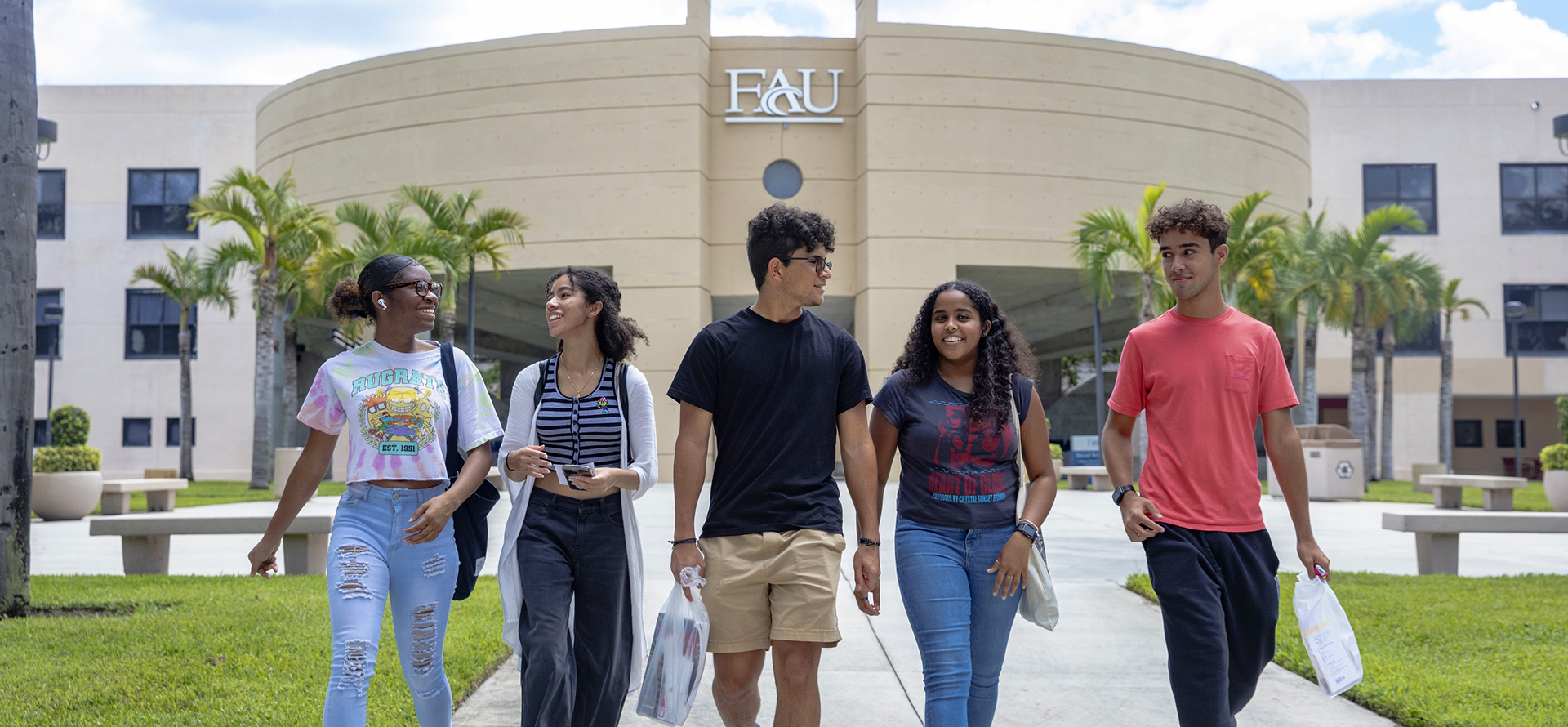
The constant influx of students, and the associated need for housing, significantly influences the accommodation market in the region. From short-term stays for visiting families during orientation or graduation to longer-term rentals for students and faculty, the demand is significant and ongoing. This makes areas around FAU prime locations for real estate investment in rental properties and for hotel development. The university’s presence can also drive demand for specialized accommodations, such as extended-stay hotels or furnished apartments catering to visiting scholars or temporary faculty. This consistent demand ensures that the accommodation sector around FAU remains robust and dynamic, offering a wide range of options for every type of traveler or resident.
LifeOutOfTheBox is a participant in the Amazon Services LLC Associates Program, an affiliate advertising program designed to provide a means for sites to earn advertising fees by advertising and linking to Amazon.com. Amazon, the Amazon logo, AmazonSupply, and the AmazonSupply logo are trademarks of Amazon.com, Inc. or its affiliates. As an Amazon Associate we earn affiliate commissions from qualifying purchases.