
In the fast-paced world of digital media, the subscription model has become the lifeblood of journalism. Just as a seasoned traveler monitors the fluctuating occupancy rates of a luxury resort or the shifting popularity of a boutique hotel in Paris, industry analysts watch the subscription metrics of giants like The New York Times with equal intensity. While the direct answer to “how many subscribers have they lost” is nuanced—often characterized by churn rates rather than a static net loss—the parallels between maintaining a loyal subscriber base and managing the reputation of a world-class hospitality brand are striking.
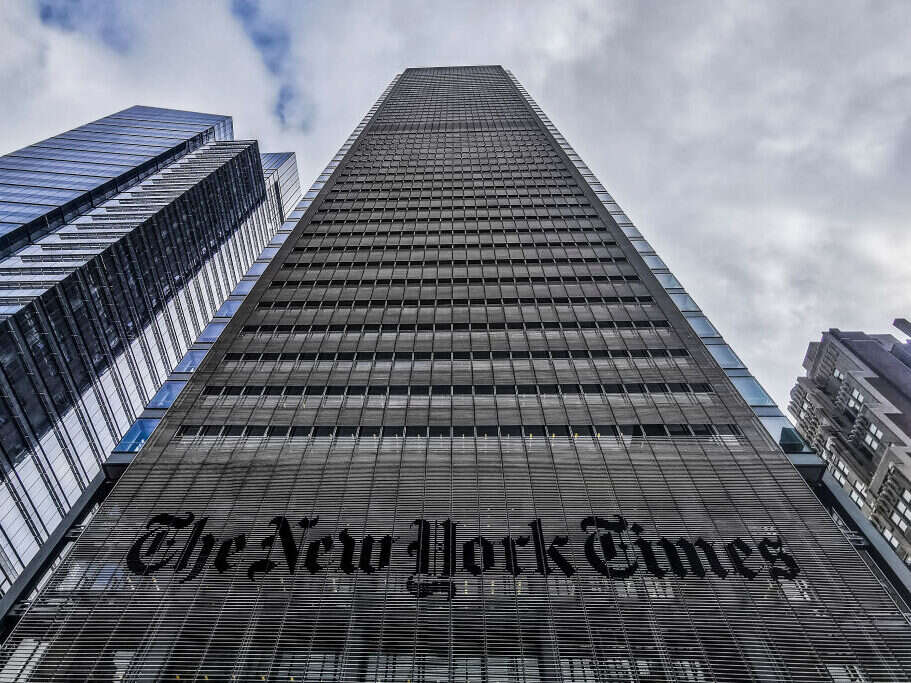
The Metrics of Loyalty in Media and Hospitality
For a publication as globally recognized as The New York Times, the “subscriber experience” is the digital equivalent of a guest’s stay at a five-star property like the Ritz-Carlton. When a reader hits the “unsubscribe” button, it serves as a critical feedback mechanism, much like a guest checking out of the Four Seasons Hotel prematurely due to dissatisfaction with service standards or amenities.
Understanding the Churn Rate
In the tourism industry, hotels monitor their “churn”—the turnover of guests and the difficulty of acquiring new ones during low season. Similarly, digital media organizations must balance the influx of new subscribers with the departure of long-term readers. If the content—the “amenities” of the digital experience—does not align with the subscriber’s expectations, engagement drops. Whether you are operating a boutique hotel in Tokyo or managing a global digital newsletter, the primary goal remains identical: delivering consistent value that justifies the recurring cost of membership.
The Cost of Digital Acquisition
Just as Marriott International invests heavily in loyalty programs to keep travelers within their ecosystem, news outlets invest in bundle offers. The New York Times has expanded its reach into cooking, games, and audio, effectively creating a “resort-style” experience where the reader never has to leave the brand ecosystem to be satisfied. By diversifying their offerings, they reduce the risk of a subscriber feeling that their subscription is no longer “worth the trip.”
Geographical Shifts in Reader Engagement
Just as certain tourist destinations like Bali or Santorini experience seasonal ebbs and flows in visitor numbers, major publications see subscriber fluctuations based on global events. The appetite for high-quality journalism is often dictated by the “climate” of world affairs. When headlines are dominated by international conflict or major cultural shifts, engagement spikes—similar to the peak tourist season in Rome when historical landmarks are flooded with sightseers.
The “Off-Season” for Media Consumption
When the news cycle quiets down, publications often face a decline in active readership. Savvy travel operators counter this by offering off-season packages—special culinary events, spa retreats, or cultural workshops. Similarly, digital media entities use “evergreen” content or lifestyle features to maintain the subscriber’s interest during the “off-season” of the news cycle. The ability to pivot from hard-hitting political analysis to long-form travelogues or cultural features is essential to retaining those who might otherwise cancel their membership.
Targeting the Global Traveler and Reader
It is no coincidence that the most successful subscription models prioritize accessibility. If you are a traveler looking for a comfortable stay in New York City, you expect seamless booking, clear communication, and quality assurance. The New York Times, by catering to an international audience, must ensure that their digital infrastructure is as robust as the architecture of the Burj Al Arab. When technical friction or a lack of relevant content arises, the “subscriber loss” is almost always the result of a failure in the user journey.
Comparative Trends: The Hotel Industry vs. Subscription Models
The hospitality sector provides a perfect lens through which to view media retention. If a luxury resort in London stops innovating, its occupancy levels—and ultimately its revenue—begin to suffer. A failure to adapt to the changing needs of the modern traveler is the fastest way to lose market share.
Innovation as a Retention Tool
Leading hotels constantly renovate their rooms, upgrade their Wi-Fi, and curate unique experiences to keep guests coming back. The digital media landscape functions the same way. By integrating features like personalized newsletters and immersive data visualization, The New York Times mirrors the efforts of properties like the Aman Resorts chain, which focuses on delivering hyper-personalized experiences for every guest.
Price Sensitivity and Value Perception
There is a point at which even the most loyal patron questions the value of their subscription. This is true for a subscriber to a premium newspaper and for a guest booking an extended stay at the St. Regis. Value perception is highly subjective. For the traveler, it might be the quality of the bedding or the concierge service. For the reader, it is the clarity of the reporting or the utility of the supplementary content. When the perception of value is lost, the “cancellation rate” rises, mirroring a decrease in repeat bookings at high-end accommodations in Dubai.
Future-Proofing the Subscriber Relationship
Looking ahead, both media giants and the global tourism industry face the challenge of digital transformation. The goal is to build an unbreakable bond with the user. Just as Hilton Hotels uses data to predict the preferences of their most frequent guests, media companies are using analytics to tailor their delivery to the specific interests of their readers.
The Role of Personalization
In the modern landscape, generic experiences are no longer sufficient. Whether you are staying at the Plaza Hotel or scrolling through an app, you want to feel that the experience was designed specifically for you. The New York Times has recognized this by creating specialized newsletters that cater to the niche interests of their subscriber base, much like a resort might offer tailored excursion packages for its guests in Switzerland.
Conclusion: The Sustainable Model
Ultimately, subscriber loss is rarely about a single mistake; it is the cumulative result of a drifting connection. Whether a reader stays with a publication or a traveler returns to a specific hotel in Hawaii, the underlying requirement is a relentless pursuit of excellence. By prioritizing the user experience, adapting to changing global trends, and ensuring that the content—like the amenities of a world-class resort—remains both essential and delightful, organizations can mitigate the churn that haunts even the most established brands. In a world of infinite choice, loyalty is not a given; it is a service that must be provided every single day.
LifeOutOfTheBox is a participant in the Amazon Services LLC Associates Program, an affiliate advertising program designed to provide a means for sites to earn advertising fees by advertising and linking to Amazon.com. Amazon, the Amazon logo, AmazonSupply, and the AmazonSupply logo are trademarks of Amazon.com, Inc. or its affiliates. As an Amazon Associate we earn affiliate commissions from qualifying purchases.