
New Orleans, a city synonymous with vibrant culture, tantalizing cuisine, and a spirit of celebration that permeates every street corner, has also carved out a significant niche in the world of American football. Beyond its legendary Mardi Gras parades and world-class jazz clubs, the Crescent City has hosted some of the most electrifying moments in Super Bowl history. For sports enthusiasts and travelers alike, understanding New Orleans’ connection to this premier event offers a compelling reason to explore its unique blend of hospitality and gridiron grandeur. This article delves into the history of the Super Bowl in New Orleans, exploring the iconic games, the venues that hosted them, and what makes this Southern metropolis such an enduringly popular choice for America’s biggest sporting spectacle.
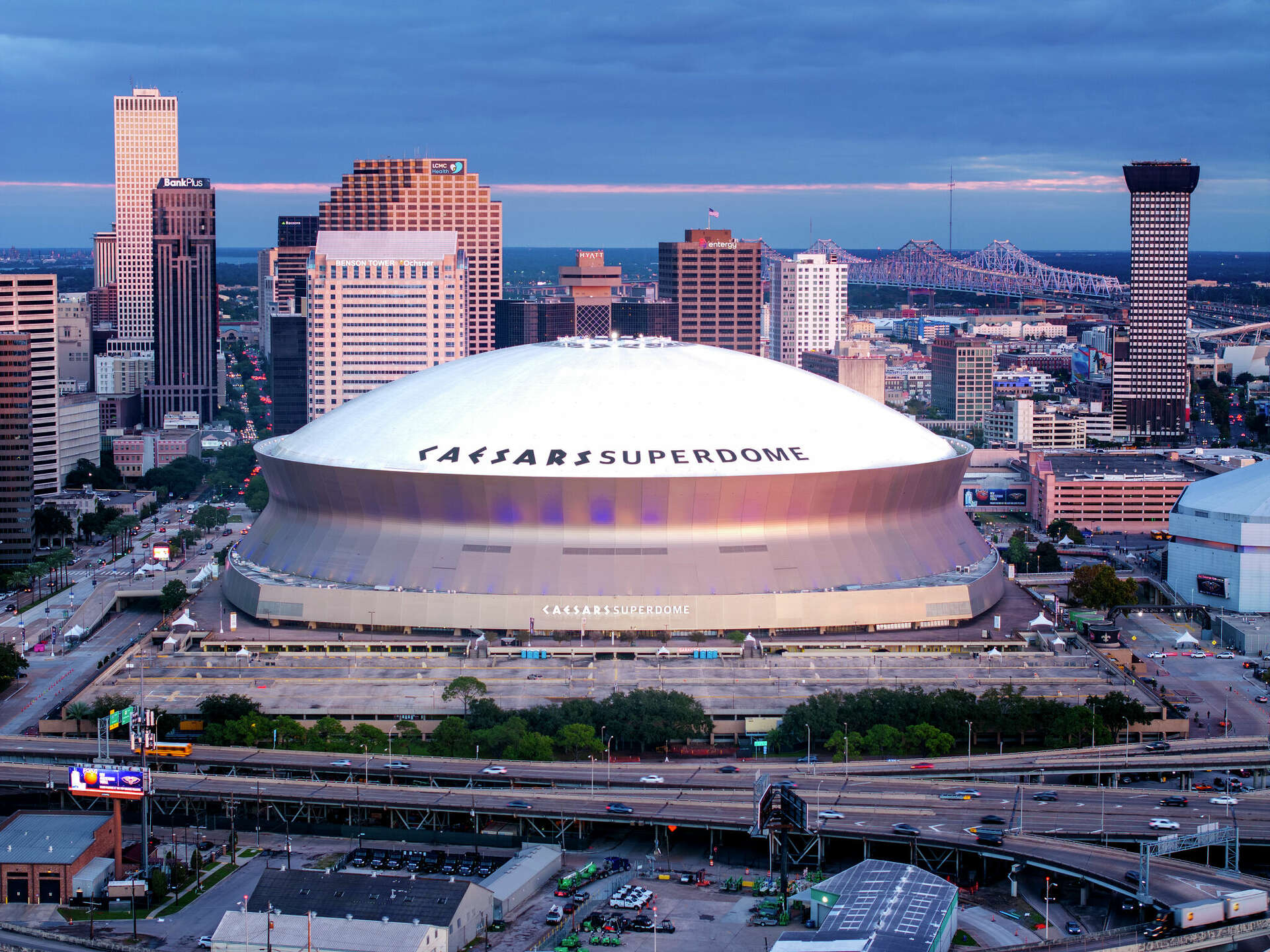
The allure of New Orleans as a Super Bowl host city is multifaceted. It begins with its unparalleled capacity to entertain and immerse visitors in an unforgettable experience. The city’s robust tourism infrastructure, from its diverse range of Hotels and Accommodation options to its wealth of Attractions and Activities, ensures that even those not solely focused on the game have a plethora of Experiences to enjoy. Moreover, the city’s rich Local Culture, particularly its world-renowned culinary scene and its deeply rooted musical heritage, provides a captivating backdrop that elevates the Super Bowl from just a game to a full-fledged cultural immersion.
A Storied Super Bowl Past: New Orleans’ Hosted Games
New Orleans has had the distinct honor of hosting the Super Bowl a remarkable number of times. To date, the city has welcomed the National Football League’s championship game a total of ten times. This impressive tally places New Orleans among the elite group of cities that have repeatedly served as the stage for this pinnacle of professional football. Each Super Bowl hosted in the city has brought its own unique narrative, memorable performances, and passionate fan bases, contributing to the rich tapestry of Super Bowl lore.
The journey of New Orleans as a Super Bowl host began decades ago, and its consistent selection speaks volumes about its ability to manage large-scale events and provide an exceptional experience for teams, fans, and media alike. From the early days of the game to its modern, globally televised spectacle, New Orleans has adapted and excelled, ensuring that each Super Bowl event held within its limits leaves a lasting positive impression.
The Venues: Cathedrals of Football
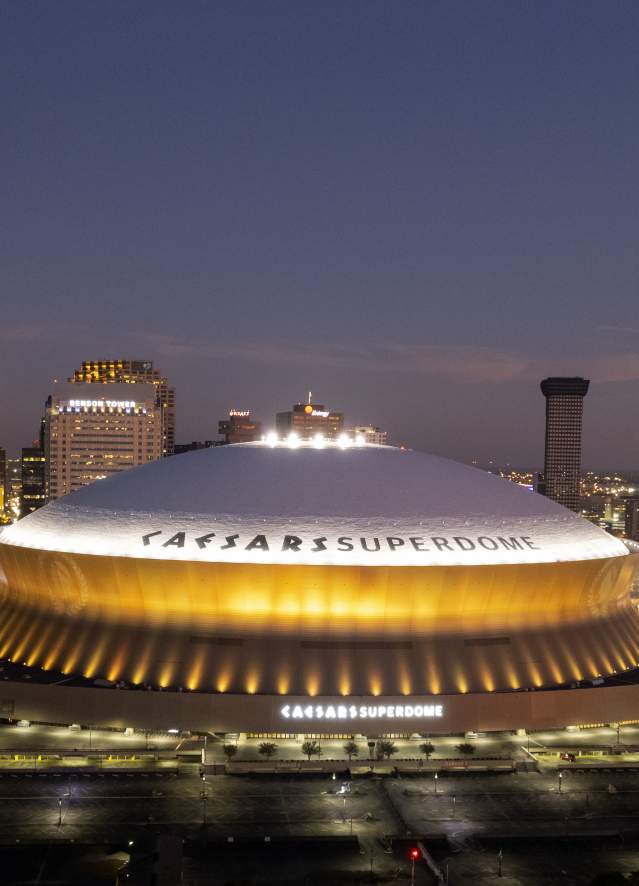
The grand stage for these historic Super Bowls has primarily been the iconic Mercedes-Benz Superdome. This colossal indoor stadium, a landmark in itself, has been the primary host venue for the majority of Super Bowls played in New Orleans. Its capacity to hold tens of thousands of spectators, coupled with its state-of-the-art facilities, makes it an ideal location for an event of this magnitude. The distinctive architecture of the Superdome, a beloved symbol of the city’s resilience and spirit, has witnessed some of the most thrilling finishes and iconic plays in Super Bowl history.
Beyond the Superdome, there have been instances where other venues have played a role, though the Superdome remains the undisputed heavyweight champion of Super Bowl hosting in New Orleans. The sheer number of times the Superdome has opened its doors to the Super Bowl underscores its significance not only as a sports arena but as a cultural and economic engine for the city. The atmosphere inside the Superdome on Super Bowl Sunday is electric, a testament to the combined excitement of the game and the infectious energy of New Orleans itself.
A Look Back: Memorable Super Bowls in the Crescent City
Over its ten Super Bowl hosting duties, New Orleans has been the backdrop for numerous unforgettable games, upsets, and legendary performances. These events have not only crowned champions but have also become ingrained in the collective memory of football fans worldwide.
-
Super Bowl IV (1970): The first Super Bowl hosted in New Orleans saw the Kansas City Chiefs defeat the heavily favored Minnesota Vikings. This game marked a significant victory for the AFL, solidifying its parity with the NFL in the nascent stages of the unified league. The Chiefs’ dominant performance, particularly their suffocating defense, left an indelible mark on Super Bowl history.
-
Super Bowl VI (1972): In a battle of expansion teams, the Dallas Cowboys secured their first Super Bowl title by triumphing over the Miami Dolphins. This game is remembered for the Cowboys’ strong offensive showing and their emergence as a dominant force in the league for years to come.
-
Super Bowl IX (1975): The Pittsburgh Steelers began their dynasty in earnest with a hard-fought victory over the Minnesota Vikings. This Super Bowl showcased the Steelers’ bruising defense and set the stage for their unparalleled success in the 1970s.
-
Super Bowl XII (1978): The “Spice Bowl” was a defensive struggle that saw the Dallas Cowboys claim their second Super Bowl title, defeating the Denver Broncos. The game is a testament to the defensive prowess of both teams, with the Cowboys ultimately proving superior.

-
Super Bowl XV (1981): The Oakland Raiders defeated the Philadelphia Eagles in a game that highlighted the Raiders’ opportunistic offense and a strong defensive effort. This win added another chapter to the Raiders’ storied legacy.
-
Super Bowl XX (1986): The most lopsided Super Bowl in history saw the dominant Chicago Bears dismantle the New England Patriots. The Bears’ legendary defense, known as the “46 defense,” put on a masterful performance, shutting down the Patriots’ offense and etching their names in football immortality. This game is a prime example of the thrill and occasional shock that Super Bowls can deliver.
-
Super Bowl XXIV (1990): The San Francisco 49ers continued their dynasty with a resounding victory over the Denver Broncos. This game is often cited for the 49ers’ offensive brilliance, showcasing their innovative schemes and star-studded lineup.
-
Super Bowl XXXI (1997): The Green Bay Packers, led by Brett Favre, defeated the New England Patriots in a game that featured explosive offensive plays and a dominant defensive performance by the Packers.
-
Super Bowl XXXVI (2002): In a thrilling upset, the New England Patriots, with a relatively unknown quarterback named Tom Brady, defeated the heavily favored St. Louis Rams. This game marked the beginning of the Patriots’ own dynasty and is a classic example of how the Super Bowl can deliver unexpected outcomes.
-
Super Bowl XLVII (2013): This was the most recent Super Bowl hosted in New Orleans and is famously known as the “Harbaugh Bowl” due to it being the first Super Bowl to feature two head coaches who were brothers, Jim and John Harbaugh. The Baltimore Ravens emerged victorious over the San Francisco 49ers in a game that also included a memorable power outage in the Superdome, adding an unusual dramatic pause to the proceedings.
These are just a few highlights from the many Super Bowls that have graced New Orleans. Each game contributed to the city’s reputation as a premier host, blending the excitement of the NFL championship with the undeniable charm and hospitality that only New Orleans can offer.
Beyond the Game: Experiencing New Orleans During Super Bowl Season
Hosting the Super Bowl is more than just an event; it’s an opportunity for New Orleans to shine on a global stage, showcasing its unique appeal to millions of visitors and viewers. The influx of tourists for the Super Bowl provides a significant boost to the local economy, supporting Hotels, restaurants, and numerous Tourism businesses. The planning and execution of such a massive event also highlight the city’s logistical prowess and its commitment to providing a world-class experience.
For travelers visiting New Orleans specifically for the Super Bowl, the experience extends far beyond the confines of the Mercedes-Benz Superdome. The city offers a vibrant tapestry of Activities and Attractions that cater to every interest.
Culinary Delights and Cultural Immersion
New Orleans is a UNESCO City of Music and a renowned culinary capital, offering an unparalleled gastronomic adventure. From savory Creole and Cajun dishes to fresh seafood and decadent desserts, the food scene is a major draw. Visitors can indulge in classics like gumbo, jambalaya, and beignets, or explore the diverse culinary landscape that ranges from fine dining establishments to lively neighborhood bistros. The city’s rich Local Culture is deeply intertwined with its food, with traditions and recipes passed down through generations.
The city’s vibrant music scene is another essential element of the New Orleans experience. Live jazz music can be heard pouring from clubs on Frenchmen Street and throughout the French Quarter. Street performers add to the lively atmosphere, creating a soundtrack for exploration and celebration. Visiting iconic Landmarks like Jackson Square and taking a stroll through the historic streets offers a glimpse into the city’s rich history and unique architecture.
Accommodation Options for Every Traveler
When it comes to finding a place to stay, New Orleans offers a wide array of options, perfectly aligning with the website’s focus on Accommodation and Hotels. Travelers can choose from luxurious Resorts and boutique hotels in the heart of the city, charming guesthouses in historic neighborhoods like the Garden District, or more budget-friendly apartments for longer stays. Many Hotels offer amenities catering to both leisure and business travelers, ensuring comfort and convenience. Whether one is seeking a lavish suite or a cozy villa, New Orleans provides a suitable base for enjoying the Super Bowl festivities and exploring the city’s many wonders. The diverse range of lodging reflects the city’s capacity to accommodate various Lifestyle preferences, from Luxury Travel to more economical options.
In conclusion, New Orleans has not only proven itself as a consistent and capable host of the Super Bowl, but it has also woven the event into the very fabric of its identity. With ten Super Bowls hosted, primarily at the majestic Mercedes-Benz Superdome, the city has a proud tradition of delivering unforgettable sporting moments alongside its unparalleled cultural attractions. For anyone planning a trip to witness this spectacle, or simply to explore the magic of New Orleans, the city promises an experience that is as rich and diverse as the flavors and sounds that define it.
LifeOutOfTheBox is a participant in the Amazon Services LLC Associates Program, an affiliate advertising program designed to provide a means for sites to earn advertising fees by advertising and linking to Amazon.com. Amazon, the Amazon logo, AmazonSupply, and the AmazonSupply logo are trademarks of Amazon.com, Inc. or its affiliates. As an Amazon Associate we earn affiliate commissions from qualifying purchases.