
Florida, often affectionately known as the “Sunshine State”, is a destination synonymous with vibrant culture, breathtaking natural beauty, and world-class attractions. From the pristine shores of the Atlantic Ocean to the tranquil waters of the Gulf of Mexico, millions flock here annually to experience everything from the magical allure of Walt Disney World Resort in Orlando to the bustling urban landscape of Miami and the serene, historic charm of St-augustine. But beyond the captivating travel experiences, pristine beaches, and luxurious accommodations, the state operates under a robust governmental structure designed to maintain its unique identity and facilitate its growth. Central to this structure is the office of the Florida Governor, a powerful figure whose leadership shapes policies impacting everything from tourism infrastructure to environmental protection.
Understanding the constitutional framework that governs this crucial role, especially concerning term limits, offers insights into the stability and continuity of governance in one of the United States’ most dynamic states. For both long-term residents and transient visitors planning their next adventure, grasping how leadership transitions occur provides a deeper appreciation for the legislative landscape that underlies the Florida experience.
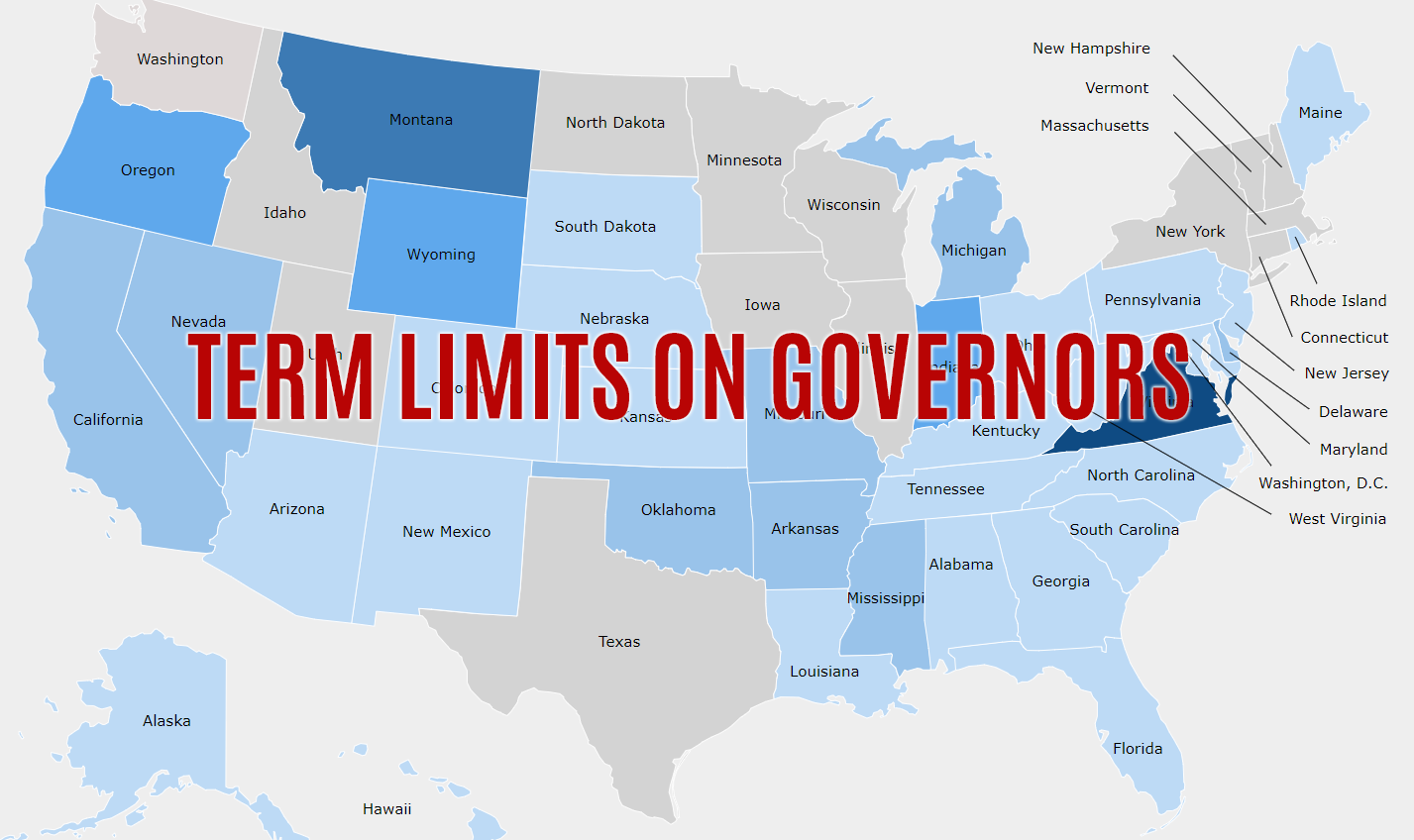
The Constitutional Mandate: Term Limits for Florida’s Chief Executive
The question of how many terms a Florida Governor can serve is explicitly answered within the state’s foundational legal document: the Florida Constitution. Unlike some other states or the federal presidency, which allow for varying re-election possibilities, Florida imposes strict limitations on how long an individual can hold the state’s highest office. This constitutional provision reflects a broader commitment to democratic principles, aiming to prevent the concentration of power and encourage fresh perspectives in leadership.
Article IV, Section 5: The Specifics of Gubernatorial Terms
According to Article IV, Section 5 of the Florida Constitution, the Florida Governor is elected for a term of four years. The crucial stipulation, however, is that “No person shall be elected to the office of Governor for more than two consecutive terms.” This means an individual can serve a maximum of two terms back-to-back.
Once a governor has completed two consecutive terms, they are ineligible to run for the office again in the immediately following election. However, the constitution does not impose a lifetime ban. A former governor could, theoretically, run for the office again after a break in service – typically, after at least one full gubernatorial term (four years) has passed. This “lame duck” period or “cooling off” period allows other candidates to emerge and gives the electorate an opportunity for fresh leadership without completely barring experienced individuals from future public service.
This two-term limit applies regardless of whether the terms were full terms or partially served terms (for instance, if a lieutenant governor ascended to the governorship to complete a predecessor’s term). The intent is clear: to ensure regular rotation of power and to offer new leaders opportunities to shape the state’s future. The process for election involves a statewide vote, with the governor’s office being contested every four years, usually coinciding with midterm elections for the United States Congress. The capital city of Tallahassee serves as the administrative hub for the governor and the entire Florida State Legislature.

Historical Context and Rationale Behind Term Limits
The concept of term limits for executive offices is deeply rooted in American democratic thought, harking back to concerns about monarchical power and the desire for regular accountability. For Florida, these limits help foster a dynamic political landscape, encouraging new ideas and preventing any single individual from accumulating excessive influence over state institutions. The rationale often cited for such provisions includes:
- Preventing Stagnation: New leadership often brings new perspectives and approaches to complex issues, from economic development to environmental conservation.
- Enhancing Accountability: The knowledge that one’s time in office is finite can encourage governors to focus on impactful achievements within their given timeframe, knowing they must deliver results to secure future political capital or legacy.
- Promoting Diverse Leadership: Term limits open the door for a wider array of individuals to aspire to and achieve the governorship, reflecting the diverse population and interests of Florida.
- Reducing Corruption Risks: Shorter tenures can potentially mitigate opportunities for long-term corruption networks to become entrenched within the executive branch.
This system ensures that while a governor has ample time to implement significant policies and see projects through, their tenure is ultimately capped, guaranteeing periodic renewal at the state’s highest level of executive authority.
The Governor’s Influence: Shaping Florida’s Travel, Tourism, and Lifestyle Landscape
The policies and priorities set by the Florida Governor and the Florida State Legislature have a profound and direct impact on the state’s massive travel, tourism, and lifestyle industries. Given Florida’s heavy reliance on visitors and its reputation as a desirable place to live, work, and play, the governor’s vision can literally steer the state’s economic and cultural trajectory.
Economic Policies and Tourism Growth
A governor’s stance on economic development, taxation, and infrastructure directly influences how attractive Florida is to tourists and businesses alike. For instance, policies that support the growth of major tourism hubs like Orlando, home to Universal Studios Florida, or coastal cities such as Miami, Fort-lauderdale, and Tampa, are often high on the gubernatorial agenda.
Governors frequently champion initiatives to:
- Improve Transportation Networks: Investing in airports (e.g., Miami International Airport, Orlando International Airport), highways, and public transit systems makes it easier for visitors to explore the state and for businesses to operate. This directly impacts travel convenience and accessibility to various destinations, from the Florida Keys down to Key West to the historic streets of St-augustine.
- Promote Florida Globally: State-funded tourism marketing campaigns are essential for attracting international visitors, filling hotel suites, luxury resorts, and boutique accommodation options across the state. A governor’s support for agencies like Visit Florida is critical in showcasing the state’s diverse offerings, from family-friendly theme parks to sophisticated cultural experiences in Sarasota and Naples.
- Foster Business-Friendly Environments: Policies that encourage investment in new hotels, attractions, and service industries create jobs and enhance the visitor experience. This includes regulations impacting everything from resort development in Palm Beach to the operation of vacation rentals along the Gulf Coast.

The stability offered by a gubernatorial term allows for the long-term planning necessary for these large-scale projects, ensuring that Florida remains a top-tier global destination for various types of travel, whether it’s luxury travel, budget-friendly trips, or family vacations.
Environmental Stewardship and Landmark Preservation
Florida’s allure is undeniably linked to its unique natural environment, from its extensive coastline and pristine beaches to its vast wetlands and diverse ecosystems. Governors play a pivotal role in environmental policy, which directly impacts the preservation of natural landmarks and the sustainability of eco-tourism.
Key areas of gubernatorial influence include:
- Conservation Efforts: Protecting invaluable natural assets such as Everglades National Park, the delicate coral reefs, and the state’s numerous springs and waterways is crucial. Gubernatorial decisions on land acquisition for conservation, water quality regulations, and wildlife protection directly affect these vital resources. This ensures that iconic experiences like airboat rides through the Everglades or snorkeling in the Keys remain viable for future generations of travelers.
- Coastal Management: With extensive coastlines exposed to hurricanes and rising sea levels, gubernatorial leadership in coastal protection, beach renourishment, and resilient infrastructure development is paramount. Policies here influence the long-term viability of beachfront hotels, resorts, and popular spots like South Beach in Miami or the serene shores of Amelia Island.
- Support for State Parks and Recreational Areas: Funding and policy direction for Florida’s award-winning state park system ensure that these natural attractions remain accessible and well-maintained for camping, hiking, fishing, and other outdoor lifestyle activities.
A governor’s commitment to environmental stewardship directly underpins Florida’s appeal as a destination for nature lovers and those seeking an active, outdoor lifestyle.
Enhancing Quality of Life and Community Development
Beyond direct tourism and environmental aspects, a governor’s policies contribute to the overall quality of life for residents, which indirectly makes Florida an attractive place for long-term stays, business tourism, and families considering relocation.
This includes:
- Public Safety and Healthcare: A safe and healthy environment is fundamental for both residents and visitors. Gubernatorial policies on law enforcement funding, emergency preparedness (especially for hurricanes), and healthcare access are critical.
- Education and Workforce Development: A skilled workforce supports the hospitality industry, ensuring high-quality service in hotels, restaurants, and attractions. Investments in education, from K-12 to universities in cities like Gainesville and St-petersburg, contribute to a vibrant and capable labor market.
- Cultural and Recreational Opportunities: Support for arts, culture, and sports initiatives enriches communities and provides diverse attractions for visitors. This includes funding for museums, performing arts centers, and sports venues in cities like Jacksonville and Tampa.
The Florida Governor’s ability to serve two consecutive terms allows for the development and implementation of comprehensive strategies that can truly transform the state. It offers enough time for a vision to take root, for infrastructure projects to be initiated and substantially completed, and for policies to demonstrate their effectiveness. This continuity, tempered by the constitutional term limits, ensures that while leaders can make a significant impact, the state also benefits from periodic infusions of new ideas and leadership.
The Succession Plan and its Implications
While the focus is often on how many terms a Florida Governor can serve, understanding the succession plan is also vital for comprehending the stability of state governance, particularly in a state as vital and dynamic as Florida. The absence of a governor, whether due to resignation, removal, or incapacitation, triggers a constitutional process designed to maintain continuity.
The Role of the Lieutenant Governor
The Florida Constitution clearly outlines the line of succession. If the office of governor becomes vacant, the Lieutenant Governor assumes the governorship. The Lieutenant Governor serves as the governor-in-waiting, an elected official who runs on the same ticket as the gubernatorial candidate. This ensures a seamless transition and avoids a power vacuum, crucial for a state that experiences significant events like hurricane seasons and plays a pivotal role in national and international affairs.
This continuity is particularly important for the state’s tourism sector. Imagine a major crisis, like a severe hurricane affecting the Space Coast or the Florida Keys. A clear line of succession ensures that leadership remains stable, decisions can be made swiftly, and recovery efforts (which directly impact tourism infrastructure, hotels, and travel routes) can begin without delay. This governmental stability offers reassurance to both residents and potential visitors, reinforcing Florida’s image as a well-managed and resilient destination.
Impact of Leadership Transitions on State Direction
Each new governor, whether coming in after an election or via succession, brings their own set of priorities and a fresh vision for Florida. While broad goals like promoting tourism and protecting the environment often remain consistent across administrations, the specific approaches and emphasis can shift considerably.
A new administration might, for example:
- Prioritize specific infrastructure projects: One governor might focus on expanding high-speed rail connections between Orlando and Miami, while another might prioritize road improvements in rural areas or seaport expansions for cruise lines heading to the Bahamas or Caribbean.
- Shift environmental focus: Some governors might emphasize renewable energy initiatives, while others might focus more on Everglades restoration or coastal resilience against climate change.
- Re-evaluate economic incentives: New leadership might alter tax incentives for businesses looking to relocate to Florida, influencing the growth of industries beyond traditional tourism, such as technology or aerospace at the Kennedy Space Center Visitor Complex.
These shifts can affect the daily lives of Florida residents and the experiences of tourists. A governor’s ability to serve two consecutive terms provides a window of eight years, which is often enough to initiate and solidify significant policy directions, leaving a tangible legacy. Yet, the constitutional term limit ensures that after a maximum of two terms, the electorate has the opportunity to choose new leadership, ensuring the state remains responsive to evolving challenges and opportunities.
In conclusion, the simple answer to “How many terms can a Florida Governor serve?” is two consecutive four-year terms. This fundamental constitutional provision is more than just a legal technicality; it’s a critical element of Florida’s governmental design. It ensures both stability and renewal, allowing governors to pursue impactful agendas that shape the state’s future, while simultaneously guaranteeing that the power of the office remains accountable to the people and open to fresh perspectives. This balance ultimately contributes to the vibrant, ever-evolving character of the Sunshine State, a place cherished by millions for its travel, tourism, and unparalleled lifestyle opportunities.
LifeOutOfTheBox is a participant in the Amazon Services LLC Associates Program, an affiliate advertising program designed to provide a means for sites to earn advertising fees by advertising and linking to Amazon.com. Amazon, the Amazon logo, AmazonSupply, and the AmazonSupply logo are trademarks of Amazon.com, Inc. or its affiliates. As an Amazon Associate we earn affiliate commissions from qualifying purchases.