
The Lone Star State, a vast expanse of diverse landscapes and rich history, is not merely a collection of sprawling ranches and bustling metropolises. Its administrative and geographical fabric is woven from a remarkable number of counties, each contributing to the unique tapestry of Texas. Understanding the sheer quantity of these divisions offers a foundational insight into the state’s governance, its historical development, and the sheer scale of its territory. For travelers, locals, and history enthusiasts alike, grasping the number of Texas counties provides a crucial lens through which to view the state’s intricate makeup.
The Official Count: A Shifting Landscape
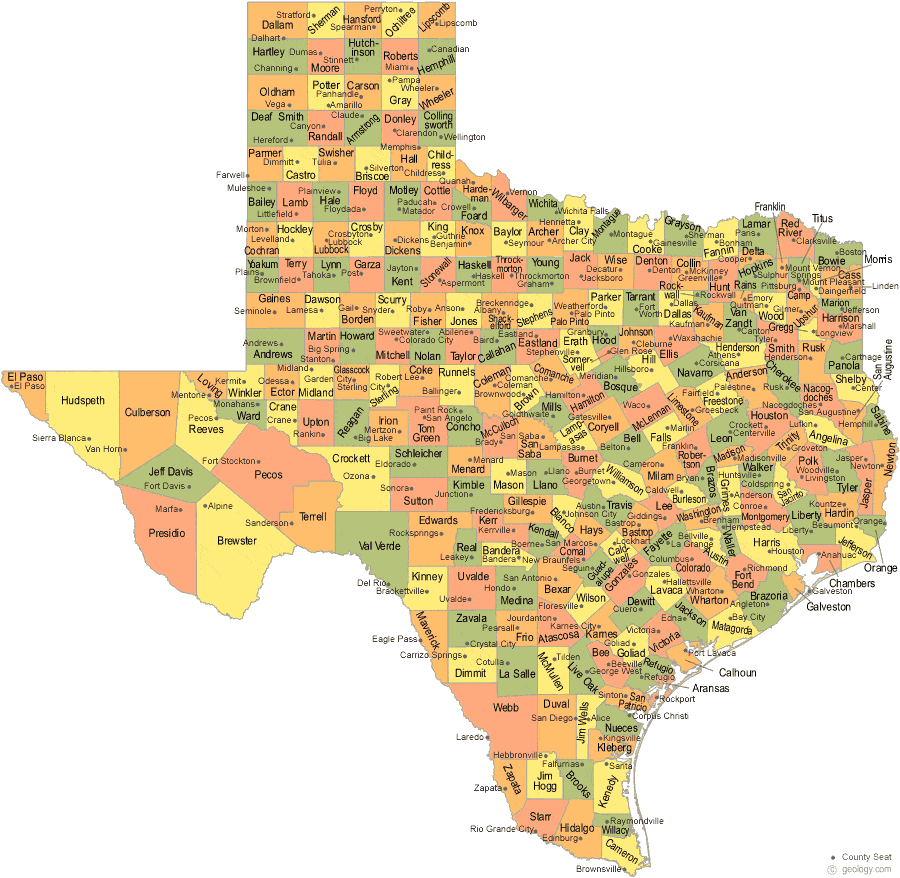
At present, the official number of counties in Texas stands at a significant 254. This figure makes Texas the state with the most counties in the entire United States. This high number is not a static decree but rather a result of a long and often complex historical process of organization and subdivision.
Historical Origins of County Formation
The establishment of counties in Texas can be traced back to its colonial past and its subsequent journey to statehood. Initially, during the period of Mexican rule and the early days of the Republic of Texas, administrative divisions were fewer and often bore different names, such as “departments” or “municipalities.”
Following the establishment of the Republic of Texas in 1836, there was a pressing need for more localized governance to manage land distribution, law enforcement, and taxation across its rapidly expanding territory. The initial counties were carved out from existing administrative regions, reflecting the population centers and economic activities of the time.
The process of county creation continued throughout the 19th century, particularly after Texas joined the United States in 1845. As settlers moved westward and new communities emerged, the legislature responded by creating new counties, often from the larger, sparsely populated existing ones. This dynamic process ensured that governance remained accessible to residents, even in remote areas.
The Largest County and the Smallest
The sheer diversity within these 254 counties is staggering. Looking at the extremes offers a glimpse into this variation:
-
Largest in Area: Brewster County holds the distinction of being the largest county in Texas by land area, encompassing a vast 6,197 square miles. Much of this immense territory is characterized by rugged desert landscapes and mountains, including significant portions of the Chihuahuan Desert and the iconic Big Bend National Park. Its county seat is Alpine.
-
Smallest in Area: In contrast, Kenedy County is the smallest county in Texas by land area, covering only 372 square miles. Located on the southern coast, it is largely agricultural and ranch land, with a relatively small population. Its county seat is Sarita.
This significant difference in size highlights the varied geographical and demographic realities across the state, influencing everything from travel distances to the types of attractions and local cultures one encounters.
Navigating Texas: Counties as Travel Markers
For anyone planning a journey through Texas, understanding the county system can be an invaluable tool for navigation and for appreciating the state’s diverse offerings. Each county, with its unique history, geography, and local flavor, represents a distinct destination waiting to be explored.
The Role of Counties in Texas Tourism
While major cities like Houston, Dallas, and Austin naturally draw significant attention, the true essence of Texas often lies within its numerous counties. These divisions serve as natural boundaries for experiencing different aspects of Texas life:
-
Geographical Diversity: From the piney woods of East Texas to the rolling plains of the Panhandle, the dramatic mountain ranges of West Texas, and the coastal regions along the Gulf of Mexico, the counties delineate these distinct geographical zones. Exploring counties like Nacogdoches County in the Piney Woods or Potter County in the Panhandle offers vastly different natural experiences.
-
Cultural Pockets: Texas is a melting pot of cultures, and its counties often reflect this. Spanish colonial heritage is strong in South Texas counties like Webb County. German and Czech heritage is evident in the Hill Country counties of Central Texas, such as Gillespie County. The African American influence is significant in counties throughout East Texas.

- Historical Narratives: Each county has its own historical narrative, often tied to its settlement, its role in the Texas Revolution, its agricultural or industrial development, or its connection to famous figures and events. Visiting historic courthouses, local museums, and historic sites within specific counties provides deep dives into these stories.
Practical Travel Tips for Exploring Texas Counties
When planning a trip that involves traversing multiple counties, consider these practical tips:
-
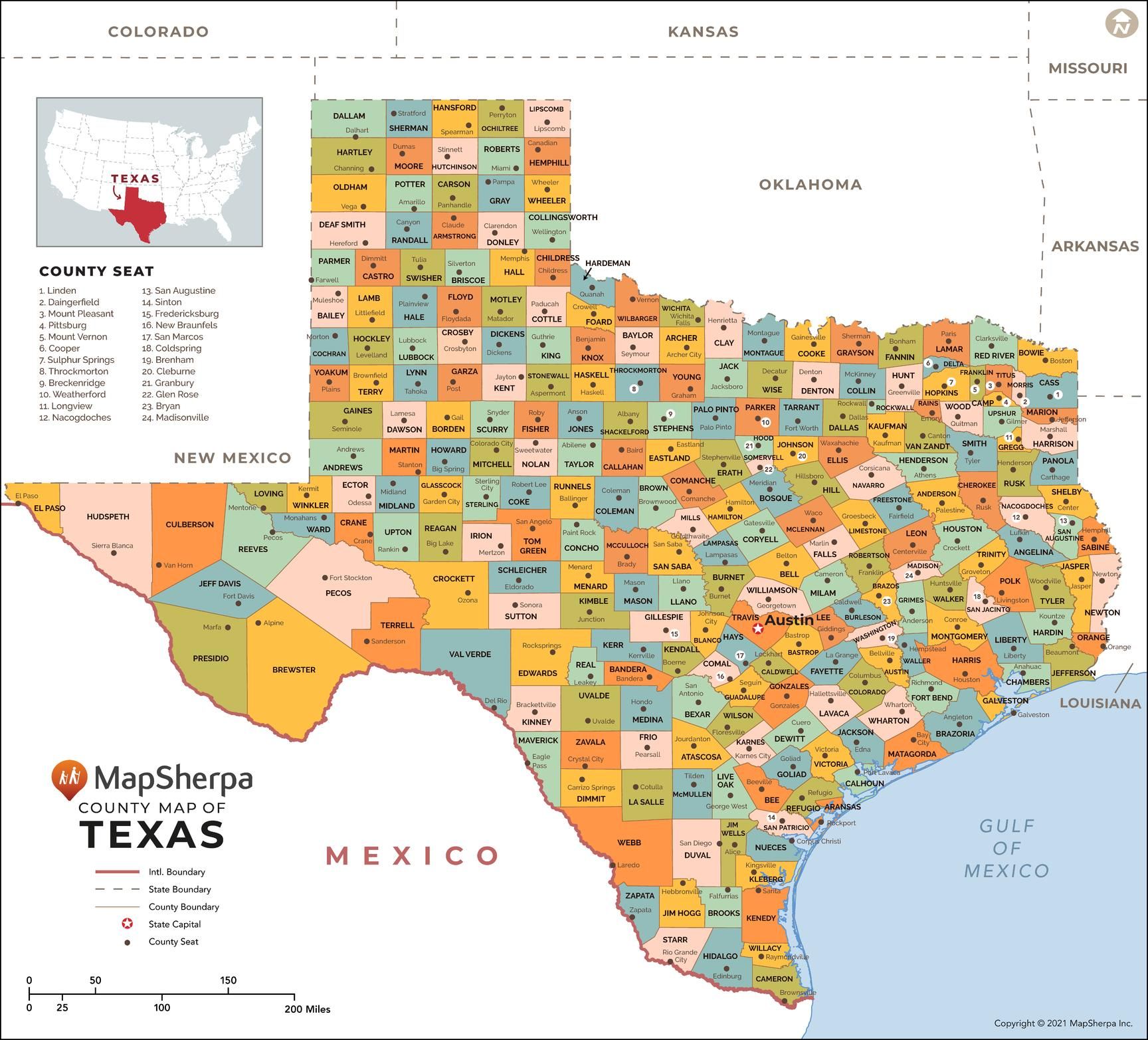
Map It Out: Familiarize yourself with a Texas county map. This will help you understand the geographical relationships between the places you want to visit and the routes you might take. Road atlases or online mapping tools are invaluable.
-
Embrace the Detour: The beauty of Texas often lies off the main highways. Don’t be afraid to explore the smaller state highways and county roads that wind through rural areas. These routes often lead to charming small towns, scenic vistas, and authentic local experiences.
-
County Seat Exploration: The county seat is typically the administrative center of a county and often boasts a historic courthouse and a town square. These serve as excellent starting points for exploring the local history and culture of a particular county. Towns like Galveston (in Galveston County), San Antonio (in Bexar County), and Fort Worth (in Tarrant County) are major cities, but the surrounding smaller counties also hold treasures.
-
Local Events: Research local festivals, rodeos, and community events happening within the counties you plan to visit. These are fantastic ways to immerse yourself in the local culture and experience the genuine spirit of Texas.
The Significance of County Identity in Local Life
Beyond their role in governance and tourism, Texas counties foster a strong sense of local identity and community pride. This intrinsic connection shapes the unique character of each region and influences the lifestyle and experiences of its residents and visitors.
Community and Local Governance
Each county operates with its own elected officials, including commissioners, sheriffs, and district attorneys, who are responsible for providing essential services to the residents. This decentralized system allows for governance tailored to the specific needs and priorities of each locality.
-
County Services: These services range from road maintenance and law enforcement to public health initiatives and justice systems. The effectiveness and focus of these services can vary significantly from one county to another, reflecting the diverse economic bases and population densities.
-
Local Decision-Making: The county structure empowers local communities to make decisions that directly impact their way of life. This can range from zoning ordinances to the management of local parks and natural resources.
Cultural Heritage and Local Traditions
The distinct cultural heritage of many Texas counties is a source of immense pride. These traditions are often passed down through generations and are celebrated through various local events and customs.
-
Folk Arts and Crafts: Many counties are known for specific forms of folk art, music, or craft traditions. For instance, the western heritage and ranching culture are deeply ingrained in counties across West Texas and the Panhandle.
-
Culinary Specialties: Regional cuisine is a significant aspect of county identity. From the barbecue traditions of Central Texas counties to the Tex-Mex flavors of the border counties, each region offers a distinct culinary experience. Exploring the local diners, cafes, and barbecue joints within a county is a direct way to engage with its cultural heritage.
-
Annual Events: From county fairs and chili cook-offs to historical reenactments and music festivals, annual events are vital for preserving and celebrating county identity. These gatherings bring communities together and offer visitors a chance to experience the heart and soul of Texas life.
Conclusion: A State Defined by its Counties
The answer to “How many Texas counties are there?” is a definitive 254. However, this number is far more than a mere statistic; it represents the intricate administrative framework, the diverse geographical tapestry, and the rich cultural mosaic of the Lone Star State. For anyone seeking to truly understand and experience Texas, delving into the individuality of its 254 counties is not just an option, but a necessity. Each county holds a unique story, a distinct landscape, and a welcoming spirit, collectively forming the grand and multifaceted entity that is Texas.
LifeOutOfTheBox is a participant in the Amazon Services LLC Associates Program, an affiliate advertising program designed to provide a means for sites to earn advertising fees by advertising and linking to Amazon.com. Amazon, the Amazon logo, AmazonSupply, and the AmazonSupply logo are trademarks of Amazon.com, Inc. or its affiliates. As an Amazon Associate we earn affiliate commissions from qualifying purchases.