
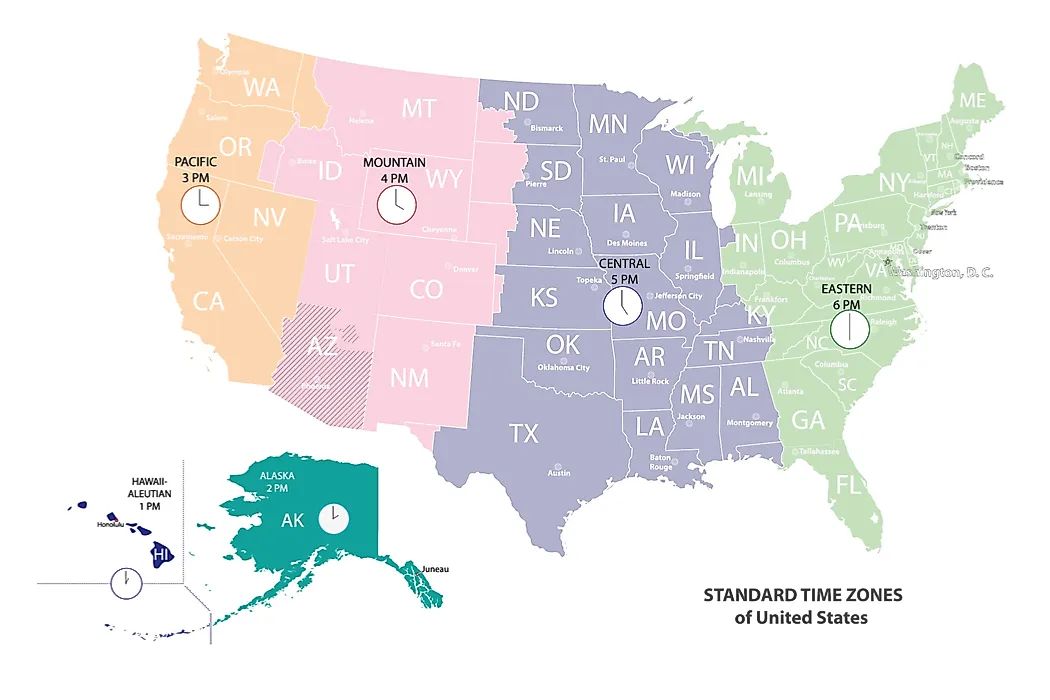
Alaska, often dubbed “The Last Frontier,” is a land of unparalleled beauty, vast wilderness, and unique geographical challenges. For travelers planning an adventure to this magnificent state, understanding its time zones is a crucial, though often overlooked, aspect of preparation. Given its immense size and position on the globe, the question “How many time zones are in Alaska?” is more nuanced than it might initially appear. The simple answer is that most of Alaska observes one time zone, the Alaska Time Zone, but a specific western portion operates on the Hawaii-Aleutian Time Zone. This distinction is vital for seamless travel, efficient communication, and a truly enjoyable Alaskan experience, whether you’re navigating flight schedules, booking hotels, or coordinating local tours.

Unraveling Alaska’s Time Zones: More Than Meets The Eye
To fully appreciate the time zone situation in Alaska, one must first grasp its sheer scale. As the largest state in the United States by area, spanning a distance that stretches from nearly the longitude of California to almost that of Russia, Alaska naturally encounters significant variations in solar time. While many assume that such a vast expanse would encompass multiple time zones, the reality is a little more consolidated than one might expect for a landmass of its size.
Historically, Alaska has seen its share of time zone adjustments. Before 1983, parts of the state were divided into four different time zones, reflecting its extreme longitudinal spread. However, to simplify administration and communication, particularly for the majority of its population centers, a significant consolidation effort was undertaken. This led to the establishment of the Alaska Time Zone (AKST during standard time, AKDT during daylight saving time) as the predominant standard for most of the state.
The Alaska Time Zone is offset by UTC-09:00 during standard time and UTC-08:00 during daylight saving time. This means it is typically one hour behind Pacific Standard Time observed in states like California and Washington, and four hours behind Eastern Standard Time. This single time zone covers major cities like Anchorage, Fairbanks, and Juneau, encompassing the vast majority of Alaska’s population and its most visited tourist destinations.
However, the exception lies with the far western edge of the state: the Aleutian Islands west of 169°30′ W longitude. These islands, extending far into the Pacific Ocean towards the International Date Line, observe the Hawaii-Aleutian Time Zone (HST during standard time, HDT during daylight saving time). This time zone is offset by UTC-10:00 during standard time and UTC-09:00 during daylight saving time, meaning it is one hour behind the rest of Alaska. This effectively makes it two hours behind Pacific Standard Time. The reason for this specific carve-out is purely geographical; these islands are situated so far west that aligning them with the primary Alaska Time Zone would result in extreme discrepancies between clock time and solar time, causing midday to occur very late in the afternoon. The most notable inhabited location in this time zone is Dutch Harbor on Unalaska Island, a critical port and fishing hub.
Both time zones in Alaska observe Daylight Saving Time, adjusting forward one hour on the second Sunday in March and back one hour on the first Sunday in November, consistent with most of the United States. This seasonal shift adds another layer of complexity for travelers, especially those planning trips around these transition dates.
Navigating Travel Across Alaska’s Time Zones
Understanding Alaska’s time zones is not merely an academic exercise; it’s a practical necessity for anyone planning a trip, particularly if your itinerary involves internal flights or communicating with those outside the state. From booking accommodation to scheduling activities, time zone awareness can significantly impact the smoothness of your journey.
Planning Your Itinerary: Time Zone Considerations
When drafting your Alaskan adventure, the time difference needs to be front and center. For many visitors, their journey will begin with a flight into Anchorage or Fairbanks, both firmly within the Alaska Time Zone. If you’re arriving from the lower 48 states, anticipate a significant time shift – typically three to four hours difference from the East Coast, and one hour from the West Coast. This can lead to immediate jet lag, so factor in some downtime upon arrival.
Flights and Connections: Pay close attention to departure and arrival times, especially for connecting flights. An itinerary that seems perfectly timed on paper might have tight connections once the time zone changes are factored in. For example, a flight from Seattle to Anchorage might seem short, but you gain an hour crossing into the Alaska Time Zone. Conversely, the return journey will feel an hour longer. For those venturing to the Aleutian Islands, the additional one-hour shift into the Hawaii-Aleutian Time Zone must be calculated, making a round trip to Dutch Harbor feel even more substantial in terms of time changes.
Hotel Bookings and Accommodation: Always confirm check-in and check-out times with your hotel, resort, or rental accommodation in local time. While most booking platforms automatically adjust, a quick double-check can prevent misunderstandings, especially if you’re arriving late or departing early. For example, if you’re flying into Anchorage at what feels like midnight Eastern Standard Time, remember it’s actually 8 PM Alaska Time – giving you more local time than you might initially perceive.
Activity Scheduling: From guided fishing trips in Seward to bear viewing tours in Kodiak Island, all activities will be scheduled in local time. Confirming times directly with operators, especially for time-sensitive excursions like glacier cruises or flightseeing tours, is good practice. If you are coordinating with tour operators located in different time zones (e.g., booking a Western Aleutian tour from Anchorage), always clarify which time zone the listed schedule refers to.
Communication: Staying in touch with family, friends, or colleagues outside of Alaska requires careful consideration of the time difference. A 9 AM call for someone on the East Coast is 5 AM in Anchorage and 4 AM in Dutch Harbor. Using world clock apps can be incredibly helpful for seamless communication without accidental early morning or late-night disturbances.

Key Destinations and Their Time Zones
For the vast majority of travelers, Alaska’s adventures will take place within the Alaska Time Zone.
- Anchorage: As the largest city, Anchorage serves as a major transportation hub and gateway to the rest of the state. Visitors exploring its urban attractions, nearby Chugach State Park, or embarking on rail journeys, will observe Alaska Time.
- Fairbanks: Located in the Interior, Fairbanks is famous for its Northern Lights viewing opportunities and access to the Arctic. It too falls squarely within the Alaska Time Zone.
- Juneau: The state capital, accessible primarily by air or sea due to its isolated location in Southeast Alaska, operates on Alaska Time. Cruise ship passengers navigating the Inside Passage will find all port calls, including Juneau, Skagway, and Ketchikan, adhering to this standard.
- Denali National Park and Preserve: The jewel of Alaska’s national parks, home to Mount Denali, also observes Alaska Time.
- Dutch Harbor / Unalaska and the Western Aleutian Islands: For those seeking truly remote and unique travel experiences, venturing to places like Dutch Harbor means entering the Hawaii-Aleutian Time Zone. This region is known for its rugged beauty, abundant wildlife, and rich World War II history. While not a common tourist destination, its inclusion highlights the geographical extent of Alaska and the necessity of its dual time zones.
It’s important to note that the vast Yukon-Koyukuk Census Area, despite its immense size and westerly reach in some parts, mostly stays within the Alaska Time Zone, further underscoring the consolidation efforts for the state’s timekeeping.
Practical Tips for a Seamless Alaskan Journey
Integrating time zone awareness into your travel planning is a small effort that yields significant rewards, ensuring your Alaskan adventure is as smooth and stress-free as possible.
Before You Go: Essential Preparations
- Double-Check Flight Itineraries: Always review your flight details, paying extra attention to the time zone specified for departure and arrival times. Most airlines list times in local departure/arrival zones, but an explicit check, especially for connecting flights, never hurts.
- Verify Accommodation Bookings: Confirm your check-in and check-out times in local time directly with your hotel or accommodation provider. This is particularly relevant if you’re arriving on a red-eye flight or planning a very early departure.
- Inform Your Contacts: Let family and friends know about the time difference, so they don’t accidentally call you at an inconvenient hour.
- Utilize Technology: Download a reliable world clock app on your smartphone that automatically updates time zones. Most modern smartphones and smartwatches will automatically adjust to the local time when you arrive, but having a widget showing multiple time zones (your home, Alaska Time, and if applicable, Hawaii-Aleutian Time) can be very helpful.
During Your Trip: Maximizing Your Experience
- Embrace the Local Rhythm: Try to adjust to the local time as quickly as possible. This might mean pushing through fatigue on your first day or waking up earlier than usual. The extended daylight hours in summer can sometimes make it feel like “early evening” when it’s well past midnight, so relying on your clock and itinerary is key.
- Stay Flexible: While planning is essential, Alaska travel often comes with unexpected changes due to weather or other logistical factors. A degree of flexibility will serve you well.
- Confirm Tour Times Verbally: Even if you’ve pre-booked activities, a quick call or chat with your tour operator upon arrival to re-confirm departure times (in local time) is a smart move.
- Manage Daylight: The extreme daylight variations in Alaska can sometimes mess with your internal clock more than a time zone change. In summer, with nearly 24 hours of daylight in some northern regions, it’s easy to lose track of time. In winter, the short daylight hours can make days feel much shorter. Use blackout curtains in your room and stick to a routine to help regulate your sleep.
Accommodation and Lifestyle Implications
The time zone considerations extend beyond just immediate travel logistics, impacting broader aspects of your lifestyle while in Alaska.
- Luxury vs. Budget Travel: Whether you’re indulging in a luxury cruise through the Inside Passage or roughing it on a budget camping trip in Denali, time zones affect everyone. For business travelers, strict meeting schedules across different time zones become even more critical. For family trips, managing children’s sleep schedules amidst time changes and extreme daylight can be a significant challenge. Resorts and hotels geared towards luxury might offer services to help with jet lag, while budget options will require travelers to be more self-reliant.
- Long-term Stays: If you’re planning an extended stay or considering remote work from Alaska, adapting to the local time zone becomes your new normal. Coordinating with colleagues or clients in the Lower 48 will require consistent attention to the time difference. The early morning hours in Alaska often coincide with the mid-morning for East Coast businesses, potentially shifting your work day.
- Local Culture and Pace: While not directly tied to time zones, the rhythm of life in Alaska can feel different. Remote communities, especially in the Aleutians, operate on a unique pace dictated by weather, tides, and seasonal industries like fishing. Understanding their specific time zone is part of respecting and integrating into the local lifestyle, even if for a short visit.
Beyond Time Zones: The Allure of Alaska
While understanding Alaska’s time zones is a practical necessity for any traveler, it should ultimately serve as a small footnote in the grand adventure that awaits. This magnificent state offers an unparalleled array of experiences, from the awe-inspiring glaciers of Prince William Sound to the vast tundra of the Arctic National Wildlife Refuge.
Travelers can embark on unforgettable wildlife viewing tours, witness the spectacular Northern Lights, explore vibrant local cultures, or challenge themselves with rugged hiking trails and kayaking expeditions. The state’s natural landmarks are legendary, from the towering peak of Mount Denali to the dramatic fjords of Kenai Fjords National Park. Alaska truly offers a diverse range of attractions for every type of visitor, whether you’re seeking luxury lodges or rustic cabins.
In conclusion, Alaska primarily utilizes one time zone, the Alaska Time Zone, for the vast majority of its landmass and population centers. However, a small but significant portion of its westernmost Aleutian Islands observes the Hawaii-Aleutian Time Zone. While this dual-zone system adds a layer of complexity, armed with this knowledge and a few practical tips, you can seamlessly navigate your journey. The minimal effort required to understand and account for these time differences will be richly rewarded by the extraordinary experiences that only Alaska can offer. So, pack your bags, set your clocks, and prepare for an unforgettable adventure in “The Last Frontier.”
LifeOutOfTheBox is a participant in the Amazon Services LLC Associates Program, an affiliate advertising program designed to provide a means for sites to earn advertising fees by advertising and linking to Amazon.com. Amazon, the Amazon logo, AmazonSupply, and the AmazonSupply logo are trademarks of Amazon.com, Inc. or its affiliates. As an Amazon Associate we earn affiliate commissions from qualifying purchases.