
Florida, affectionately known as the Sunshine State, conjures images of endless beaches, swaying palm trees, vibrant theme parks, and year-round warmth. It’s a quintessential travel destination for those seeking an escape from winter’s chill, a place where bikinis and flip-flops are standard attire even in December. Yet, tucked away in the annals of its history are curious tales of a phenomenon so rare it borders on myth: snow. The very idea of snowflakes gracing the sandy shores and subtropical landscapes of Florida seems almost contradictory to its identity. This leads many curious travelers and weather enthusiasts to ponder: just how many times has it truly snowed in Florida?
While snow in Florida is an exceedingly uncommon event, it’s not entirely unprecedented. These sporadic occurrences are more than just meteorological anomalies; they are moments that punctuate the state’s vibrant history, creating unforgettable memories for residents and becoming fascinating stories for visitors. For a state built on the promise of warm getaways and abundant sunshine, a dusting of snow transforms the familiar into the extraordinary, offering a glimpse into a rarely seen side of Florida’s climate and charm. Exploring these events reveals not only the capricious nature of weather but also highlights the enduring appeal of Florida as a destination, a place of constant discovery, even when it comes to its winter climate.
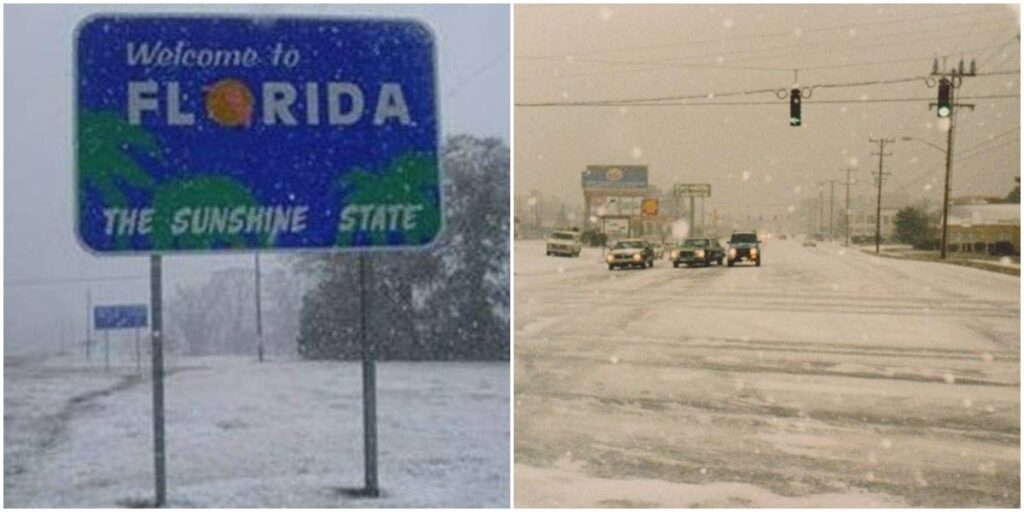
The Sunshine State’s Frosty Paradox: A Rare Phenomenon
Florida’s reputation precedes it: a haven for those escaping the harsh realities of northern winters. Tourists flock to its shores year-round, seeking the warmth and abundant outdoor activities that define the Sunshine State lifestyle. From the pristine beaches of the Gulf Coast to the lively resorts of Orlando and the vibrant culture of Miami, Florida consistently delivers on its promise of sunny skies and temperate conditions. It’s a premier destination for travel, offering diverse attractions from world-class theme parks like Walt Disney World and Universal Studios to the natural wonders of the Everglades National Park and the historic charm of St. Augustine. Accommodation options abound, from luxurious five-star hotels to cozy beachfront villas, catering to every type of traveler.
Given this context, the notion of snow in Florida feels almost like an oxymoron. Yet, against all odds, snow has indeed made fleeting appearances across various parts of the state throughout history. These events are so rare that they become instant legends, etched into the collective memory of those who witness them. For a resident, seeing snow is a once-in-a-lifetime experience, often documented with countless photos and shared stories. For visitors, it would be an unparalleled, if perhaps slightly disappointing, departure from the expected tropical vacation. However, even these rare weather anomalies contribute to Florida’s multifaceted appeal, adding an unexpected layer to its rich tapestry of experiences and making it a place where anything, even a dusting of snow, seems possible.
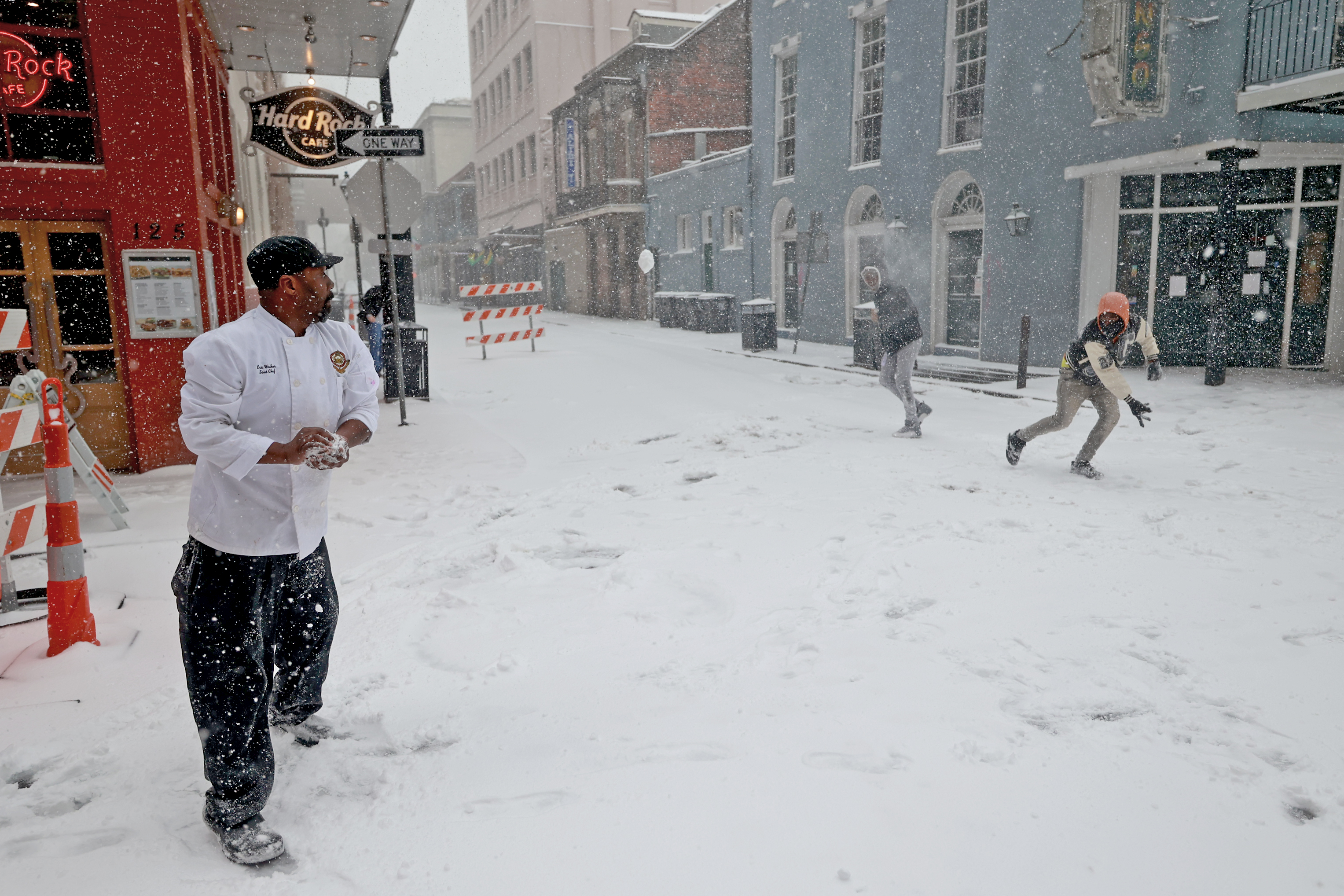
A Historical Chill: Documented Snowfall Events
Pinpointing the exact number of times it has snowed in Florida with absolute precision is challenging, primarily because “snow” can range from a few flurries that melt on contact to a light dusting that briefly covers the ground. Records prior to modern meteorological instrumentation are also less consistent. However, historical accounts and modern weather data allow us to identify several significant instances where snow made a memorable, if brief, visit to the Sunshine State. These events, though few and far between, paint a fascinating picture of Florida’s sometimes surprising encounters with winter.
The Earliest Records: Whispers of White
The earliest documented instance of snow in Florida dates back to the Great Blizzard of 1899, a truly monumental cold snap that swept across the United States. This arctic blast brought snow and freezing temperatures remarkably far south. On February 13, 1899, measurable snow fell in Jacksonville, with some reports indicating as much as two inches. It was a significant event that paralyzed parts of North Florida, an area unaccustomed to such extreme winter conditions. This unprecedented event would have caused considerable disruption to local commerce and daily life, as infrastructure and lifestyle in the region were certainly not equipped for such a cold snap. Imagine the astonishment of residents waking up to a blanket of white in a place known for its oranges and beaches. This truly underscores the unique place this event holds in the state’s history.
Prior to 1899, anecdotal accounts and older records mention other instances, such as an event in December 1835 when a destructive freeze, possibly accompanied by snow or sleet, devastated orange groves. While exact snowfall amounts are difficult to verify from this era, these historical footnotes serve as reminders that Florida has always been susceptible to the fringes of extreme weather systems. These early records, though sparse, contribute to the mystique of Florida’s rare winter anomalies, offering a unique perspective on the state’s historical climate.

Iconic Winter Wonders: Major Snowfalls Through the Decades
Beyond the early records, certain snow events stand out due to their widespread impact and clarity of documentation.
-
January 19, 1977: This date is arguably the most famous and widely remembered snow event in modern Florida history. For the first and only time on record, snow fell in Miami, marking the furthest south that snowflakes have ever been observed in the state. While it was mostly flurries that melted quickly, seeing snow in a city synonymous with tropical warmth created indelible memories. Further north, cities like Orlando, Tampa, and Jacksonville received more substantial amounts, with some areas reporting up to two inches of accumulation. The entire state, particularly Central Florida and South Florida, was captivated. Schools closed, traffic slowed to a crawl, and residents ventured outside in disbelief, touching the fleeting white flakes. This event, so profoundly out of character for the region, became a legendary tale, passed down through generations. Imagine booking a stay at a resort in [Miami](https://lifeoutofthebox.com/miami] for a winter escape, only to wake up to snow! It would undoubtedly be an experience worthy of countless stories. Hotels and accommodations, typically bustling with sun-seekers, would have been filled with guests experiencing an entirely unexpected winter wonderland.
-
Christmas 1989: Another memorable cold snap brought snow to the Panhandle and parts of North Florida around Christmas Day. While not as widespread as the 1977 event, it delivered a genuine white Christmas to cities like Jacksonville and Tallahassee. Some areas reported several inches of snow, creating picturesque scenes that felt more like a New England postcard than a Florida holiday. This festive timing added to the magic, offering a unique holiday experience for families. This type of weather would certainly impact travel plans, but also create a rare, cozy atmosphere for those staying in Tallahassee hotels or celebrating in local homes.
-
January 2010: While mostly confined to the Panhandle, a significant snow event blanketed cities like Pensacola and Tallahassee with several inches of snow. This provided another generation of Floridians, particularly those in North Florida, with the rare opportunity to build snowmen and enjoy winter sports in an unexpected setting. The impact on local culture was notable, with local news outlets like the Tallahassee Democrat dedicating extensive coverage to the unusual weather and its effects on everyday life and tourism.
-
January 2018: A powerful winter storm brought a mix of freezing rain and snow to parts of North Florida, particularly Tallahassee, which experienced its first measurable snowfall in decades. This event, though brief, caused significant disruptions, including school closures and hazardous road conditions. It was a stark reminder that even the southernmost regions of the Deep South are not entirely immune to winter’s grasp. For students and young families, it was an exciting and novel experience, a brief interruption from the usual mild winter routine, creating lasting memories.
In summary, measurable snow has fallen in various parts of Florida on at least a handful of well-documented occasions since the late 19th century, with numerous other instances of flurries or trace amounts reported. The further north you go in Florida, especially in the Panhandle bordering Georgia and Alabama, the slightly higher the chance of seeing snowflakes, though still incredibly rare.
The Meteorological Marvel: Why Snow in Florida is So Extraordinary
The rarity of snow in Florida isn’t merely a matter of chance; it’s a testament to the specific and often contradictory meteorological conditions required for it to occur. Florida’s geographical location, extending deep into the subtropical latitudes of the United States, usually places it outside the normal track of cold air masses severe enough to produce snow.
The Perfect Storm: A Confluence of Conditions
For snow to fall, two primary ingredients are essential: freezing temperatures and moisture.
- Freezing Temperatures: The entire atmospheric column, from the cloud producing the precipitation down to the ground, must be at or below freezing (32°F or 0°C). This is the most significant hurdle for Florida. While cold fronts do penetrate the state, they rarely bring temperatures low enough to sustain freezing conditions for long, especially at lower altitudes. Even when ground temperatures drop below freezing, the air aloft might still be too warm, causing any falling snowflakes to melt into rain before reaching the surface.
- Moisture: A substantial amount of moisture in the atmosphere is also required to form snow-producing clouds. [Florida](https://lifeoutofthebox.com/florida], being surrounded by the Gulf of Mexico and the Atlantic Ocean, generally has ample moisture. However, the paradox is that the very systems that bring extreme cold to Florida (strong arctic air masses) often scour the atmosphere of moisture as they move south. So, finding a cold air mass that is both sufficiently deep and also interacts with a source of moisture (like a coastal storm developing quickly) over Florida is an exceptionally rare meteorological alignment.
When these conditions do align, as they did in January 1977 or during the Great Blizzard of 1899, it signifies an extraordinary combination of a powerful arctic outbreak pushing unusually far south, coupled with a dynamic weather system pulling moisture into the colder air. This explains why snow events in Florida are few, far between, and often of very short duration.
From Flurries to Accumulation: Defining a Snow Event
It’s crucial to differentiate between “snow” as a general phenomenon and “measurable snow” or “accumulating snow.”
- Snow Flurries: These are very light snowfalls that often melt before or immediately upon contact with the ground. These are the most common type of snow event in Florida, typically reported in North Florida and occasionally pushing into Central Florida. For many Floridians, seeing even a few flakes drift down is an event in itself.
- Trace Amounts: A trace amount means snow fell but was too little to be measured, or it melted instantly. This is more common than accumulation, but still a rare sight.
- Accumulating Snow: This refers to snow that falls and remains on the ground, even if only a fraction of an inch. This is the truly rare event that captures headlines and becomes local legend. When accumulation occurs, even a small amount, it can transform landscapes and create significant disruptions, as local infrastructure isn’t designed for such conditions. For instance, in 1977, the sight of a thin white blanket over citrus groves and palm trees in Orlando and Tampa was utterly surreal.
The extreme rarity of accumulating snow, particularly in Central Florida and South Florida below the Lake Okeechobee line, underscores just how uniquely adapted Florida’s ecosystems and human infrastructure are to persistent warmth. The state’s tourism and lifestyle industries thrive on this warmth, making these brief snowy episodes even more pronounced as departures from the norm.
The Cultural and Tourist Impact: Beyond the Snowflakes
The very idea of snow in Florida creates a fascinating contrast with the state’s dominant image. These rare events, while fleeting, leave an enduring mark on local culture and offer a unique perspective for understanding Florida’s broader appeal as a global tourism and lifestyle destination.
A Memory to Cherish: Local Reactions and Lifestyle Shifts
When snow falls in [Florida](https://lifeoutofthebox.com/florida], especially in areas like Orlando or Miami where it’s virtually unheard of, the reaction is universally one of astonishment and excitement. For children, it’s a magical day, perhaps their only chance to experience something most northerners take for granted. Schools often close, not due to impassable roads, but because authorities recognize the unique opportunity for kids to play in the snow. Adults, too, embrace the novelty, venturing out to capture photos of palm trees dusted with white, a truly incongruous and beautiful sight. Local news channels provide wall-to-wall coverage, with reporters often as awestruck as the public.
This momentary shift in lifestyle, however, also reveals practical challenges. Florida cities are not equipped for ice or snow. Roads become treacherous with even a light glaze, leading to traffic jams and accidents. Plumbing in older homes can freeze, and sensitive agriculture like citrus groves can suffer devastating damage, as seen in historic freezes. Local businesses, especially those not accustomed to selling winter gear, might find themselves unprepared for a sudden demand for coats, hats, and gloves. Yet, these events often foster a sense of community spirit, as neighbors help each other navigate the unusual conditions, and everyone shares in the collective wonder of this extraordinary weather. These stories become cherished local legends, passed down through families, defining a unique facet of Florida lifestyle.
Florida’s Enduring Appeal: Winter Sun vs. Winter White
Despite these rare snowy interludes, Florida’s primary allure for travelers and those seeking a warm lifestyle remains its consistent sunshine and mild winters. The scarcity of snow only serves to highlight the state’s true strength as a premier travel destination, especially during the colder months in other parts of the world. Tourists from the United States, Canada, and Europe flock to Florida seeking relief from ice and cold, drawn by the promise of pristine beaches in Naples, the vibrant nightlife of South Beach in Miami, the world-class attractions of Orlando, and the laid-back charm of the Florida Keys.
The state’s tourism industry, with its array of luxury hotels, resorts, and diverse accommodation options, is built on providing year-round warm-weather experiences. Imagine indulging in watersports off Fort Lauderdale, exploring the historic streets of St. Augustine, or witnessing a rocket launch from the Kennedy Space Center – these are the authentic Florida experiences that attract millions annually. The occasional snowflake, while fascinating, is merely a footnote in the grand narrative of Florida’s identity as the ultimate warm-weather escape. It’s the consistently beautiful weather, the rich local culture, the delicious food, and the endless activities that define the Florida lifestyle and its enduring appeal.
Conclusion: The Rarity That Defines the Sunshine State’s Charm
So, how many times has it snowed in Florida? The answer, while not a precise single digit, points to a handful of truly significant events that brought measurable snow, complemented by a scattering of times where flurries danced briefly in the air. These moments, stretched across more than a century, are anomalies that highlight the extraordinary meteorological conditions required to produce snow in such a subtropical climate. From the Great Blizzard of 1899 to the iconic Miami flurries of 1977 and more recent dustings in Tallahassee, each instance stands as a unique chapter in the Sunshine State’s history.
These rare encounters with winter only serve to underscore Florida’s primary and undeniable identity: a vibrant, warm, and inviting destination. While the novelty of snow in Florida is a captivating historical footnote, its enduring allure lies in its consistent climate, its stunning natural landmarks, its world-class attractions, and the relaxed, sun-drenched lifestyle it offers year-round. For travelers seeking an escape from winter’s grasp, Florida remains the undisputed champion, a place where the chances of building a snowman are infinitesimally small, but the opportunities for sun-soaked adventure are boundless. It’s a testament to Florida’s charm that even its rarest weather events only reinforce its status as a quintessential warm-weather paradise.
LifeOutOfTheBox is a participant in the Amazon Services LLC Associates Program, an affiliate advertising program designed to provide a means for sites to earn advertising fees by advertising and linking to Amazon.com. Amazon, the Amazon logo, AmazonSupply, and the AmazonSupply logo are trademarks of Amazon.com, Inc. or its affiliates. As an Amazon Associate we earn affiliate commissions from qualifying purchases.