
Navigating the journey to a vibrant metropolis like Chicago often involves more than just plotting a course on a map. For many travelers, a significant, and sometimes overlooked, aspect of this preparation is understanding the financial landscape of tolls. The question “How Many Tolls To Chicago?” is not merely about counting overhead gantries; it’s about anticipating costs, optimizing routes, and ensuring a smoother arrival into the Windy City. This guide aims to demystify the toll road systems that crisscross the United States, with a specific focus on routes leading to Chicago, helping you budget effectively and travel with greater peace of mind.
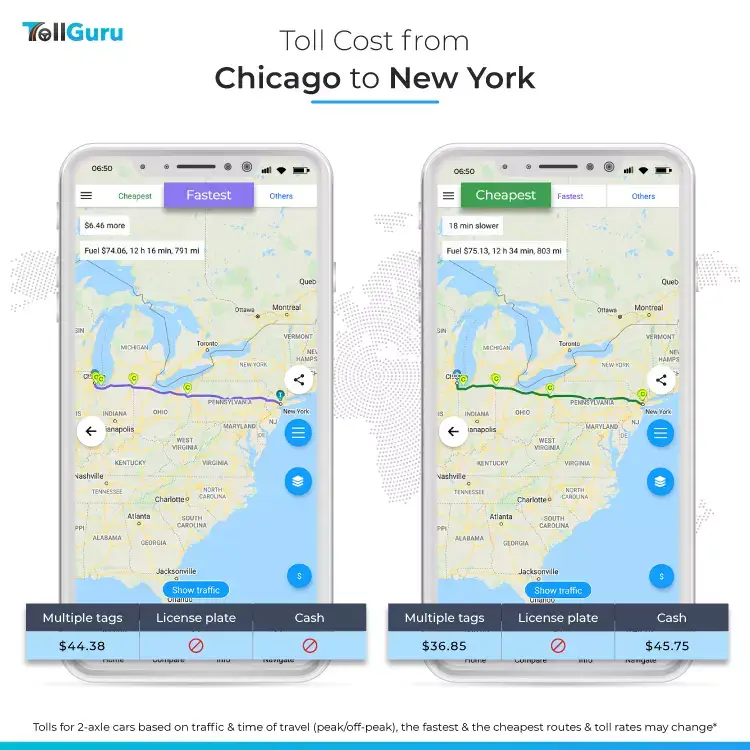
Understanding Toll Road Systems in the United States
The United States employs a multifaceted system of toll collection, managed by various state and local authorities. These tolls are levied to fund the construction, maintenance, and improvement of roadways, bridges, and tunnels. While the concept is straightforward, the implementation varies significantly from one region to another.
Types of Toll Collection
- Open Road Tolling (ORT): This is the most modern and efficient form of toll collection. Gantries with electronic readers are placed above the roadway, allowing vehicles to pass through at highway speeds. Payment is typically handled through electronic transponders or by capturing license plate images for billing. Many major toll roads, especially newer ones or those recently modernized, utilize ORT.
- Toll Booths (Toll Plazas): The traditional method involves drivers stopping at designated booths to pay a cash toll or present an electronic pass. While becoming less common due to traffic flow issues and higher operational costs, some older toll roads or specific bridges may still operate with toll booths.
- Express Toll Lanes (ETL): These are often existing lanes on a highway that are converted to toll lanes, typically during peak hours or all day. They offer faster travel times for those willing to pay, acting as a premium service. Payment is almost exclusively electronic, often with dynamic pricing that adjusts based on traffic volume.
Toll Transponders and Payment Methods
To facilitate toll payment and often provide discounts, various electronic toll collection systems exist. Drivers can typically choose from:
- State-Specific Transponders: Most states with extensive toll systems have their own transponder programs. For example, Illinois has the I-PASS, and neighboring states have their equivalents like EZ-Pass in the Northeast or SunPass in Florida. These are generally interoperable across many states, especially within regional alliances.
- Regional Alliances: Groups of states often form alliances to allow their transponders to be used interchangeably. The EZ-Pass system is a prime example, covering a vast network of toll roads from Maine to Virginia. It’s crucial to check if your transponder is accepted on the routes you plan to take.
- Pay-by-Plate: If you don’t have a transponder, toll authorities will typically capture your license plate number. You will then receive a bill by mail, or you may have the option to pay online before or after your travel. Be aware that “pay-by-plate” rates are often higher than those for transponder users.
Toll Routes Leading to Chicago
Chicago is a major transportation hub, and its accessibility by road involves a complex network of interstate highways and state routes. Many of these pathways incorporate toll collection, particularly as you approach the metropolitan area. The number of tolls and their associated costs will depend heavily on your starting point and the specific route you choose.
Major Interstate Routes and Tolls
- I-90 (Jane Addams Memorial Tollway): This is one of the primary arteries leading into Chicago from the west and northwest. It is a fully-tolled highway for a significant portion of its length in Illinois. Coming from states like Wisconsin or points further west, you will likely encounter numerous toll plazas along I-90 as it nears the Chicagoland area.
- I-80 (Calumet Expressway/Kingery Expressway/Tri-State Tollway): This major east-west route also plays a critical role in accessing Chicago, especially from the south and east. The section of I-80 that forms the Illinois portion of the Tri-State Tollway is heavily tolled. Travelers coming from Indiana or points further east will find themselves on these tolled sections.
- I-94 (Dan Ryan Expressway/Kennedy Expressway/Edens Expressway): While parts of I-94 within the city of Chicago are non-tolled expressways, the approach from the north (Edens Expressway) and south (Dan Ryan Expressway) can involve tolled segments, particularly when connecting to other toll facilities like the Tri-State Tollway.
- I-55 (Stevenson Expressway): Primarily a non-tolled route within Illinois, I-55 can connect to tolled routes as you get closer to Chicago, depending on your specific destination within the metro area.
Estimating Toll Costs
The exact number of tolls is highly variable. A trip from, for instance, the Wisconsin border on I-90 might involve anywhere from 5 to 15 toll points, depending on whether you exit the tollway before entering the city proper or continue on it to bypass certain areas. Similarly, a journey from the Indiana border on I-80/I-94 could present a similar range of tolling points on the Tri-State Tollway.
To get a precise estimate for your specific journey, several tools are invaluable:
Route Planning Tools
- Online Mapping Services: Most popular online mapping applications (Google Maps, Waze, etc.) allow you to input your starting point and destination. Crucially, they usually have an option to “Avoid Tolls” or to include tolls in your route calculation. When you select the option to include tolls, the estimated cost for your journey is often displayed. These tools are dynamic and consider current toll rates and routes.
- State Toll Authority Websites: The Illinois Tollway Authority provides detailed information about its toll roads, including interactive maps, toll calculators, and lists of toll rates. Visiting their website is an excellent way to get the most accurate and up-to-date information for routes within Illinois. Other state toll authorities will have similar resources.
Key Factors Affecting Toll Costs:
- Time of Day: Some express toll lanes utilize dynamic pricing, meaning tolls can be higher during peak commuting hours and lower during off-peak times.
- Vehicle Type: Larger vehicles (trucks, RVs) generally pay higher tolls than passenger cars.
- Payment Method: As mentioned, using an electronic transponder often results in lower toll rates compared to paying by plate or cash.
- Specific Route Chosen: Minor deviations or alternative routes, even within a toll system, can impact the number of tolls encountered.
Optimizing Your Travel to Chicago

Beyond simply counting tolls, strategic planning can significantly enhance your trip to Chicago. Understanding the toll infrastructure allows for informed decisions that can save you time and money.
Leveraging Electronic Toll Collection
The most significant advantage of electronic toll collection for a trip to Chicago is convenience and potential cost savings.
- Acquiring a Transponder: If you frequently travel on toll roads, investing in a transponder is highly recommended. For travel into Chicago, an Illinois I-PASS is ideal, as it is accepted on all Illinois Tollway facilities and many other toll roads throughout the Midwest and beyond through interoperability agreements. If you are coming from a region with a different system, check for compatibility. For instance, an EZ-Pass transponder is generally accepted on Illinois Tollway roads.
- Understanding Account Management: Ensure your transponder account has sufficient funds or is linked to a valid payment method to avoid missed tolls or billing issues. Many toll authorities offer online portals or mobile apps for easy account management.
Considering Route Alternatives
While major interstates often have tolls, exploring alternative routes, even if they appear longer on a map, can sometimes be a viable strategy, especially if your primary goal is to minimize toll expenses.
- “Scenic” or Non-Toll Routes: For travelers who are not on a strict time schedule, opting for non-tolled highways can significantly reduce costs. This often means using US highways and state routes. While these routes may be slower due to lower speed limits, traffic lights, and more local traffic, they offer a different perspective on the landscape and can be an enjoyable experience in themselves. For example, traveling from the east, using US-30 instead of I-80 for a portion of the journey could avoid some tolls.
- Toll Road Exits: Carefully examine your route. Sometimes, exiting a toll road just before a major toll plaza and re-entering it later, or taking a parallel non-tolled route for a short segment, can bypass one or more significant tolls. Mapping tools that highlight toll points are useful for this.
Budgeting for Tolls
Given the number of toll roads and their varying rates, it’s wise to budget a specific amount for tolls.
- Research Your Specific Route: Use the online tools mentioned earlier to get an estimated total cost for your planned journey before you depart.
- Add a Buffer: It’s always prudent to add a 10-20% buffer to your estimated toll cost. This accounts for potential unforeseen route changes, miscalculations, or increases in toll rates.
- Keep Records: If you receive toll bills by mail (pay-by-plate), ensure you pay them promptly to avoid late fees and potential escalating costs.
Tolls Within the Chicago Metropolitan Area
Once you are within the Chicagoland area, the toll system can become even more intricate. Chicago itself is served by a network of expressways, some of which are tolled, and the Illinois Tollway operates an extensive system of toll roads that encircle and serve the greater metropolitan region.
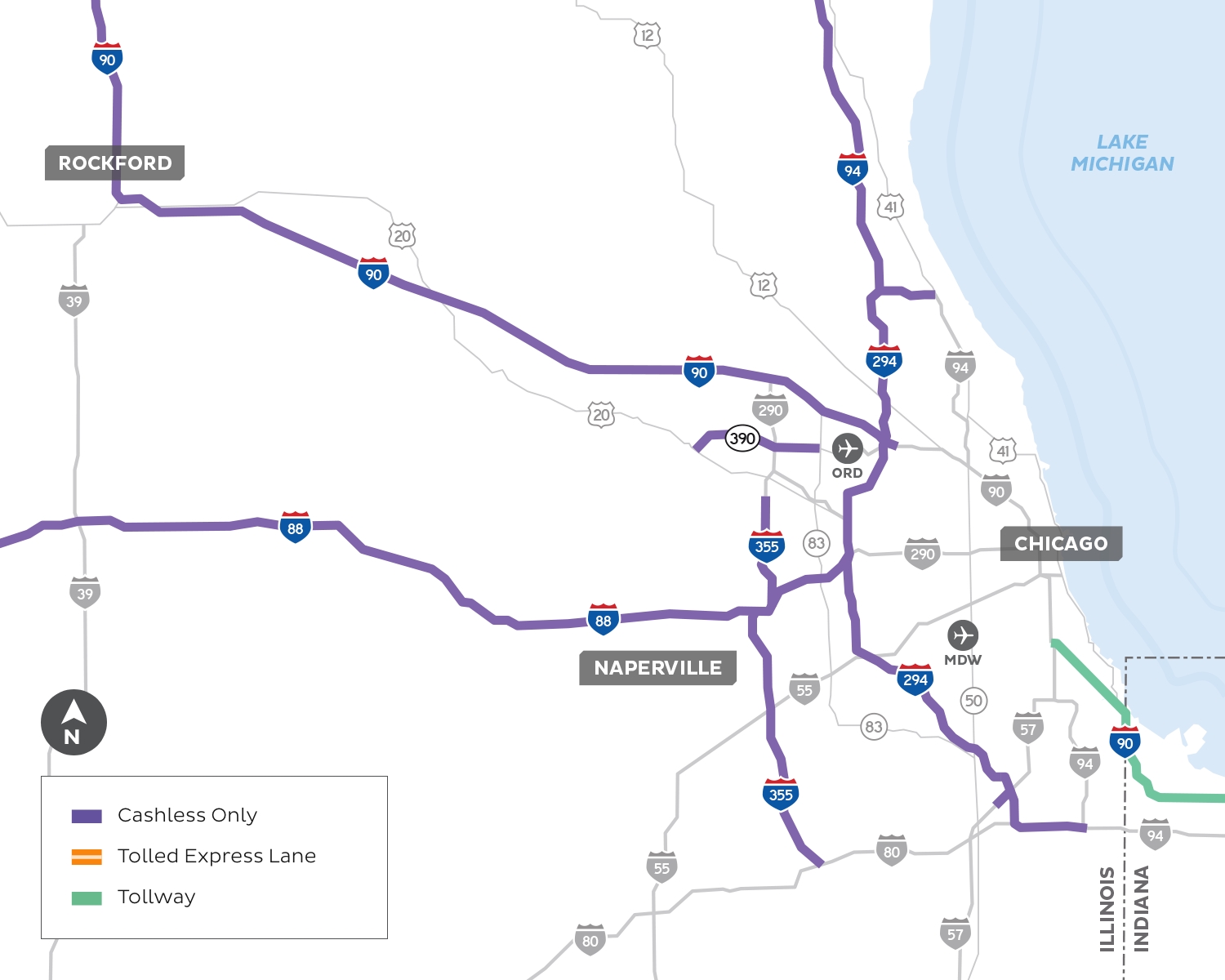
The Illinois Tollway System
The Illinois Tollway is comprised of several major toll roads, all of which are managed under the I-PASS system. Key among them are:
- The Reagan Memorial Tollway (I-88): Connects the western suburbs of Chicago to the Quad Cities.
- The Veterans Memorial Tollway (I-355): A north-south tollway that connects I-88 to I-80.
- The Jane Addams Memorial Tollway (I-90): Serves the northwest corridor.
- The Tri-State Tollway (I-294/I-80/I-94): Encircles the southern and eastern parts of the metropolitan area, connecting to Indiana and Wisconsin. This is a crucial artery for many travelers entering or leaving Chicago from surrounding states.
Navigating City Expressways vs. Tollways
It’s essential to distinguish between the non-tolled expressways that run through the city of Chicago (like the Kennedy, Dan Ryan, Eisenhower, and Stevenson Expressways) and the surrounding tolled highways operated by the Illinois Tollway. While both offer high-speed travel, the presence and cost of tolls differ significantly.
For example, if your destination is in the downtown Loop, you might be able to utilize non-tolled expressways for much of your journey, depending on your entry point. However, if you are approaching from the north or south suburbs, or traveling to a western or southern suburb, you will almost certainly encounter the Illinois Tollway system and its associated tolls.
Specific Considerations for City Entry:
- Exiting Tollways: As you get closer to your specific destination within the city, you will need to decide whether to exit a tollway or continue on it. Each exit ramp and subsequent non-tolled route will have its own set of implications for your total toll count and travel time.
- Dynamic Pricing on Express Lanes: Some of the express lanes on Chicago’s traditional expressways can also have dynamic pricing, similar to toll roads. It is important to check signage carefully when using these lanes.
The question of “How Many Tolls To Chicago?” is best answered by understanding that it’s not a fixed number but a variable dependent on your origin, chosen route, and payment method. By utilizing available planning tools, embracing electronic toll collection, and considering alternative routes, travelers can effectively manage their toll expenses and ensure a smoother, more predictable arrival into this iconic American city.
LifeOutOfTheBox is a participant in the Amazon Services LLC Associates Program, an affiliate advertising program designed to provide a means for sites to earn advertising fees by advertising and linking to Amazon.com. Amazon, the Amazon logo, AmazonSupply, and the AmazonSupply logo are trademarks of Amazon.com, Inc. or its affiliates. As an Amazon Associate we earn affiliate commissions from qualifying purchases.