
Embarking on a road trip to New York City is an exciting prospect, promising iconic landmarks, unparalleled culture, and an adventure like no other. However, for many first-time visitors or those unfamiliar with the region’s complex infrastructure, a pressing question often arises: “How many tolls will I encounter on my way to New York, and what will they cost?” The truth is, entering and navigating the New York metropolitan area by car almost invariably involves tolls, which can add a significant, often surprising, component to your overall travel budget.
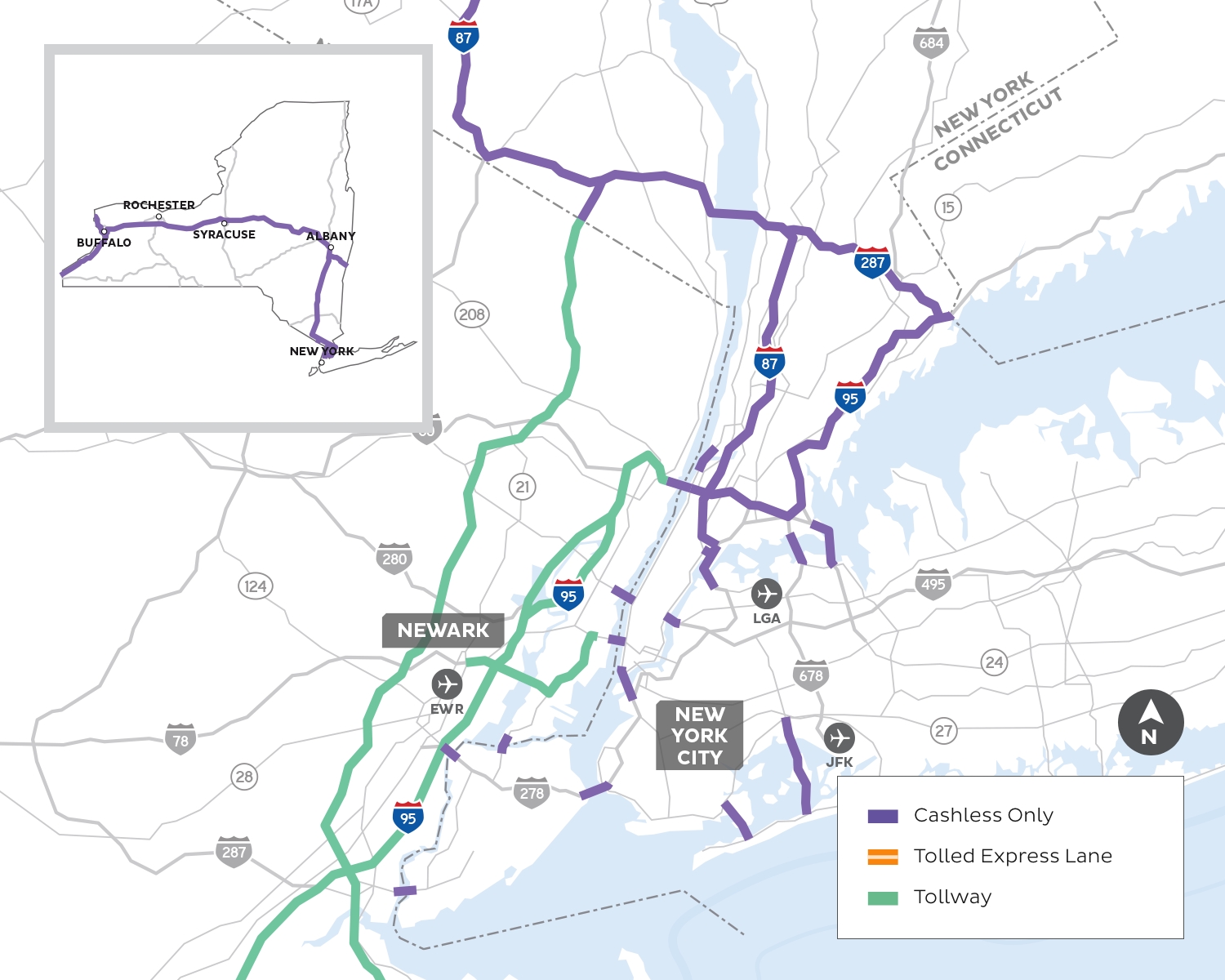
The toll system around NYC is a sprawling network of bridges, tunnels, and highways managed by various authorities, including the MTA (Metropolitan Transportation Authority), the Port Authority of New York and New Jersey (PANYNJ), and the New York State Thruway Authority, among others. This intricate web is designed to manage traffic flow, maintain critical infrastructure, and fund future improvements, but it can be daunting for drivers. Understanding this system is crucial for a smooth journey, allowing you to plan your route, estimate costs, and even discover strategies to minimize your expenses. Whether you’re traveling from a neighboring state like New Jersey or Pennsylvania, or embarking on a longer drive from states further afield, a clear grasp of the toll situation will enhance your lifestyle as a discerning traveler, ensuring your focus remains on the wonders of New York rather than unexpected fees.
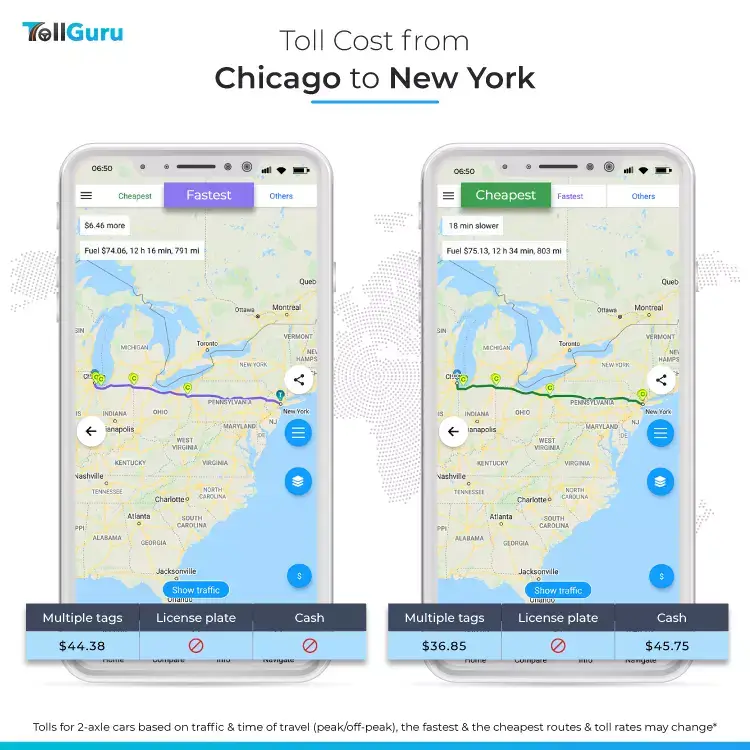
Navigating the Toll Landscape: An Overview
The number of tolls you’ll encounter on your journey to New York isn’t a fixed figure; it largely depends on your starting point, your chosen route, and your ultimate destination within the city. However, a common pattern emerges: most of the significant tolls are levied at the major crossings into and within New York City itself, particularly when entering Manhattan or traveling between boroughs.
Key Entry Points and Their Tolls
The primary gateways into Manhattan from New Jersey are notorious for their tolls. These are managed by the Port Authority of New York and New Jersey and include:
- George Washington Bridge (GWB): Connecting Fort Lee, New Jersey, to Manhattan’s Washington Heights, the GWB is one of the busiest bridges in the world. Tolls are collected only when entering New York.
- Holland Tunnel: Linking Jersey City, New Jersey, to Lower Manhattan, this historic tunnel also charges tolls for eastbound traffic only.
- Lincoln Tunnel: Connecting Weehawken, New Jersey, to Midtown Manhattan, similar to the Holland Tunnel, tolls apply when entering New York.
Within New York City, especially for travel between boroughs or to Long Island, several MTA bridges and tunnels charge tolls in both directions:
- Verrazzano-Narrows Bridge: Linking Staten Island and Brooklyn, a double toll is charged for non-E-ZPass users traveling towards Brooklyn.
- Robert F. Kennedy Bridge (formerly Triborough Bridge): Connects Manhattan, the Bronx, and Queens.
- Bronx-Whitestone Bridge: Connects the Bronx and Queens.
- Throgs Neck Bridge: Another vital link between the Bronx and Queens.
- Hugh L. Carey Tunnel (formerly Brooklyn-Battery Tunnel): Connects Manhattan and Brooklyn.
- Queens Midtown Tunnel: Connects Manhattan and Queens.
Each of these crossings has its own toll rate, which can vary based on the time of day (peak vs. off-peak), vehicle type, and most importantly, your payment method.
Understanding Toll Payment Systems
Gone are the days when every toll plaza had an attendant to take your cash. The New York area has largely transitioned to cashless tolling, making payment methods a crucial consideration for any driver.
- E-ZPass: This electronic toll collection system is by far the most convenient and often the most economical way to pay tolls in the Northeast. With an E-ZPass transponder affixed to your windshield, tolls are automatically deducted from a prepaid account. Not only does it allow you to sail through toll plazas without stopping, but E-ZPass users typically receive discounted rates compared to other payment methods. It’s an absolute must for anyone frequently driving in the region or planning a substantial road trip.
- Toll-by-Mail: For drivers without an E-ZPass, cameras at the toll plazas capture your license plate, and a bill is mailed to the registered owner of the vehicle. This method is less convenient and often incurs higher rates than E-ZPass (as much as 30-50% higher for some crossings) due to administrative fees. If you’re renting a car, be aware that rental companies typically add their own administrative fees on top of the toll, which can quickly add up.
- Cash: Cash tolling has been virtually eliminated at all major bridges and tunnels managed by the MTA and Port Authority of New York and New Jersey. While some isolated points on highways further out might still accept cash, do not rely on it for your entry into NYC.
Routes to New York From Different Directions
The cumulative number of tolls and total cost depend heavily on your origin. Here’s a breakdown of what to expect from common directions:
From New Jersey and the West
If you’re approaching New York from New Jersey or states further west (like Pennsylvania, Ohio, or beyond), you’ll likely encounter tolls on the major highways leading to NYC and then a significant toll at the Hudson River crossings.
- New Jersey Turnpike (I-95): This is a heavily tolled highway that traverses much of New Jersey. The toll amount depends on your entry and exit points.
- Garden State Parkway: Another primary north-south artery in New Jersey with numerous plaza tolls.
- Crossings: You’ll then pay a single, substantial toll to enter Manhattan via the George Washington Bridge, Lincoln Tunnel, or Holland Tunnel. If your destination is Staten Island or Brooklyn, you might use the Goethals Bridge, Bayonne Bridge, or Outerbridge Crossing, which also charge tolls when entering New York.
- Total tolls from New Jersey: Expect at least one or two tolls on the approach highways, plus one major toll for entering NYC from New Jersey. Total cost can range from $20-$40, depending on distance traveled in NJ and the specific crossing chosen.
From Pennsylvania and the Southwest
Drivers from Pennsylvania will likely use the Pennsylvania Turnpike (I-76) or I-78, both of which have tolls, before connecting to New Jersey highways.
- Pennsylvania Turnpike: A significant portion of this highway is tolled, particularly if you’re coming from Philadelphia or areas further west.
- New Jersey Transition: Once in New Jersey, you’ll follow the pattern described above, likely taking the New Jersey Turnpike to one of the Hudson River crossings.
- Total tolls from Pennsylvania: You could face 2-4 tolls on the PA Turnpike and NJ Turnpike, plus the final NYC crossing toll. This could bring the total to $30-$60 or more for a round trip.

From Connecticut and the Northeast
Traveling from Connecticut or New England generally involves I-95 South, which historically had tolls in Connecticut but is now largely toll-free in that state, making the approach somewhat less tolled until you hit the NYC area.
- I-95 South: Most of I-95 in Connecticut is toll-free, though there may be limited toll points re-emerging in some areas or specific bridges. The major tolls begin as you approach New York.
- Cross Bronx Expressway: While not tolled itself, this expressway can be a nightmare for traffic. To avoid it, many opt for the Throgs Neck Bridge or Bronx-Whitestone Bridge to enter Queens and then proceed to Manhattan via the Queens Midtown Tunnel, incurring additional tolls.
- New England Thruway (I-95 in Westchester County): This section is part of the NY State Thruway system and does have tolls, particularly if you’re coming from the northern parts of the NYC metro area.
- Total tolls from Connecticut: You might encounter 1-2 tolls on the New England Thruway or major bridges within NYC (Bronx to Queens, or Queens to Manhattan). Expect costs around $15-$30.
From Upstate New York and the North
Drivers coming from Upstate New York often use the New York State Thruway (I-87 or I-90), which is a tolled highway.
- New York State Thruway: This extensive system has variable tolls based on distance. If you’re coming from Albany or further north, you’ll accumulate Thruway tolls.
- Tappan Zee Bridge (now the Governor Mario M. Cuomo Bridge): This bridge, crossing the Hudson River north of NYC, is part of the Thruway system and carries a significant toll southbound.
- Approach to Manhattan: After the Thruway, you’ll likely use highways that feed into the Bronx and then into Manhattan via a toll-free bridge like the Henry Hudson Bridge (though it does have a separate toll itself) or a tolled bridge/tunnel like the Robert F. Kennedy Bridge.
- Total tolls from Upstate New York: Depending on your starting point, you could pay $10-$20+ on the Thruway, plus any tolls for entering Manhattan or traveling between boroughs.
Strategies for Managing and Minimizing Toll Costs
While tolls are an unavoidable reality when driving to New York, smart planning can help you manage these expenses and ensure your travel remains enjoyable and within budget.
The E-ZPass Advantage
As mentioned, an E-ZPass transponder is your best friend when navigating the NYC area. If you anticipate multiple trips or simply want to save money and time, investing in an E-ZPass is highly recommended. You can purchase one online or at various retail locations throughout the Northeast. Even if you’re renting a car, consider whether your rental company offers an E-ZPass program, but be sure to understand their fees, as sometimes these can outweigh the savings for a short trip. For frequent travelers, a personal E-ZPass account is almost always the better lifestyle choice.
Planning Your Route Strategically
Navigation apps like Google Maps, Waze, or Apple Maps are invaluable tools. They often allow you to select “avoid tolls” as a route preference. While this might lead to longer travel times or more complex routes, it can significantly reduce or eliminate tolls. For example, using the Outerbridge Crossing to Staten Island (a toll when entering NY), and then the free Staten Island Ferry to Manhattan (leaving your car on Staten Island), can save you a substantial Hudson River crossing toll and parking fees in Manhattan. This “budget travel” approach allows you to dedicate more of your funds to attractions or accommodations.
Also, be mindful of peak vs. off-peak toll rates. If your schedule allows for flexibility, traveling during off-peak hours can sometimes result in lower toll charges, particularly on Port Authority crossings. Checking the official websites of the MTA and Port Authority of New York and New Jersey for current rates before your trip is always a good idea.
Considering Public Transportation
For many, especially those looking to explore Manhattan, driving into the city can be more of a hindrance than a help. Parking in Manhattan is exorbitantly expensive, easily adding $50-$100+ per day to your costs, on top of tolls and gas. A highly effective strategy, particularly for those on a budget or simply preferring convenience, is to drive to a train station or park-and-ride facility outside the immediate NYC core (e.g., in New Jersey, Westchester County, or Long Island) and take public transportation in.
- NJ Transit: Offers extensive train and bus service from various points in New Jersey into Penn Station or the Port Authority Bus Terminal in Manhattan. Parking at these suburban stations is typically much cheaper than in NYC.
- Metro-North Railroad: Serves Westchester, Putnam, and Dutchess Counties in New York, and even parts of Connecticut, bringing commuters into Grand Central Terminal in Manhattan.
- Long Island Rail Road (LIRR): Provides service from across Long Island into Penn Station and Grand Central Madison.
This approach allows you to avoid the final, often most expensive, tolls and the stress of driving and parking in the city, aligning perfectly with a relaxed tourism experience. It’s an excellent option for family trips or those seeking a more immersive cultural experience without the automotive hassle.
Beyond the Tolls: Your New York City Adventure Awaits
Once you’ve successfully navigated the toll gantries and found your way into the heart of New York, a world of incredible experiences awaits. From the iconic glow of Times Square to the serene beauty of Central Park, from world-class museums like the Metropolitan Museum of Art to the historic significance of the Statue of Liberty and Ellis Island, NYC offers an endless array of attractions and activities.
When planning your stay, consider the diverse accommodation options available. From luxury hotels in Midtown Manhattan to boutique apartments in Brooklyn or charming suites near cultural hubs, there’s something to fit every preference and budget. Reviews and comparison websites, perhaps even on our own platform, can help you find the perfect place to rest after a day of exploration. Many hotels offer excellent amenities, and some even provide special packages for sightseers.
For those on a budget travel journey, exploring various boroughs beyond Manhattan can offer unique cultural insights and more affordable dining and accommodation. Queens boasts an incredible culinary scene, reflecting its diverse population, while Brooklyn offers trendy neighborhoods, beautiful parks, and a vibrant arts scene. Each borough provides a different facet of the New York experience, contributing to a rich tourism tapestry.
In conclusion, while the question of “How many tolls to New York?” might seem complex, with a little preparation and strategic planning, these costs can be easily managed. Arm yourself with an E-ZPass, utilize navigation apps, and consider public transportation as a viable alternative. By doing so, you can ensure that your focus remains squarely on enjoying the unparalleled energy and unforgettable experiences that make New York City one of the world’s most desired destinations for travel and tourism.
LifeOutOfTheBox is a participant in the Amazon Services LLC Associates Program, an affiliate advertising program designed to provide a means for sites to earn advertising fees by advertising and linking to Amazon.com. Amazon, the Amazon logo, AmazonSupply, and the AmazonSupply logo are trademarks of Amazon.com, Inc. or its affiliates. As an Amazon Associate we earn affiliate commissions from qualifying purchases.