
When one thinks of Oklahoma, a certain image often springs to mind: wide-open plains, a rich Western heritage, and, for many, tornadoes. The Sooner State has long been synonymous with powerful storms, particularly the rotating columns of air that capture both awe and apprehension. For travelers planning a trip to this vibrant state, understanding the reality of its weather patterns – specifically, how many tornadoes Oklahoma experiences annually – is a crucial part of preparation, ensuring a safe and enjoyable journey.
Beyond the headlines, Oklahoma is a land of diverse landscapes, fascinating history, and warm hospitality. From the bustling urban centers of Oklahoma City and Tulsa to the serene beauty of its state parks and lakes, there’s an abundance of experiences waiting to be discovered. This article will delve into the statistical reality of Oklahoma’s tornado activity, provide essential safety information for visitors, and ultimately, showcase why this resilient state remains a captivating destination for tourism, offering unique landmarks, unforgettable experiences, and a lifestyle shaped by its extraordinary environment.
The Tornado Alley Phenomenon: Understanding Oklahoma’s Climate
Oklahoma sits squarely within what meteorologists and the public alike refer to as Tornado Alley, a broad area of the central United States where conditions are frequently ideal for the formation of supercell thunderstorms that can spawn tornadoes. This geographical designation is not just a catchy name; it’s a scientific reality rooted in the unique collision of air masses over the region. Understanding this phenomenon is key to comprehending why Oklahoma experiences a higher frequency of tornadoes than many other places in the world.
Unpacking the Numbers: Average Tornado Activity
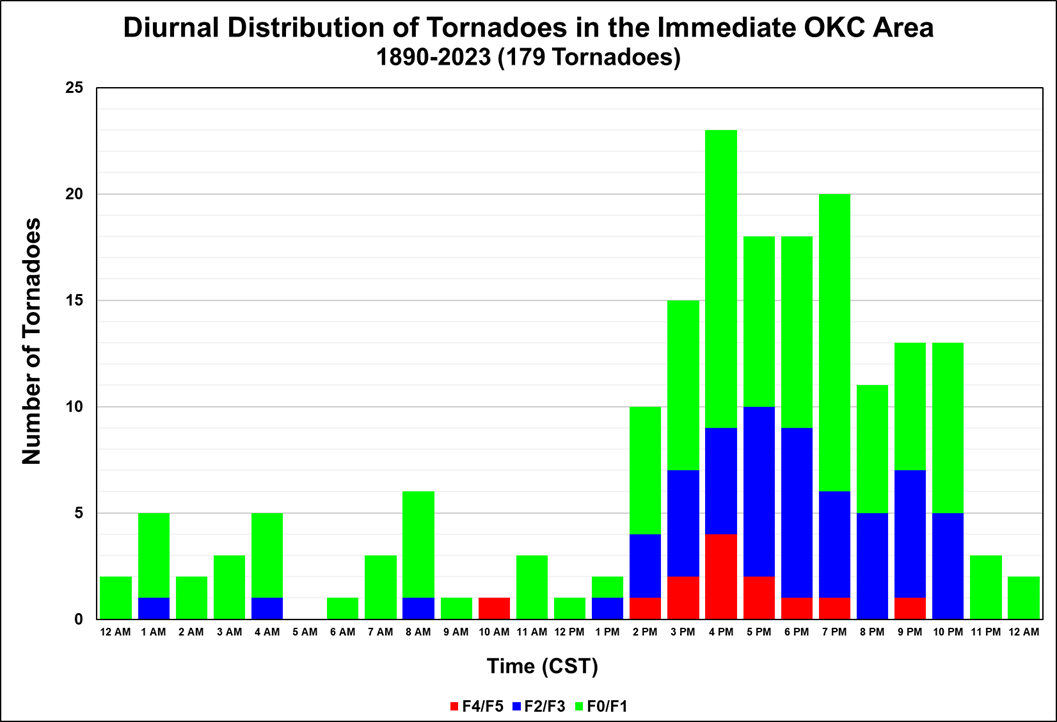
So, just how many tornadoes does Oklahoma have a year? According to historical data compiled by the National Weather Service and the National Oceanic and Atmospheric Administration (NOAA), Oklahoma averages around 50 to 60 tornadoes per year. It’s important to note that this is an average, and the actual number can fluctuate significantly from year to year. Some years might see fewer than 30, while others could push past 100. For instance, the infamous year of 1999 saw a staggering 145 tornadoes, while 2018 recorded a comparatively low 29.
The peak “tornado season” in Oklahoma typically runs from April through June, with May often being the most active month. During this period, the atmospheric ingredients necessary for severe weather are most prevalent. While tornadoes can occur at any time of year, even in winter, spring is when the conditions align most frequently, creating powerful storms that captivate weather enthusiasts and underscore the importance of preparedness for residents and visitors alike.
Why Oklahoma? Geographical and Meteorological Factors
Oklahoma’s position at the heart of Tornado Alley is no accident. It’s a confluence of geographical features and meteorological patterns that create a perfect breeding ground for severe thunderstorms. Three main air masses converge over the state:
- Warm, Moist Air from the Gulf of Mexico: This southerly flow brings abundant moisture and instability to the lower atmosphere.
- Cool, Dry Air from the Rocky Mountains: Westerly winds often deliver a dryline, a boundary between dry and moist air, which acts as a trigger for storm initiation.
- Cold, Dry Air from Canada: A strong jet stream from the north provides wind shear – a change in wind speed and direction with height – which is crucial for organizing thunderstorms into supercells, the rotating storms capable of producing tornadoes.
When these three air masses interact, they create a highly unstable atmosphere, allowing powerful updrafts to form. The wind shear then causes these updrafts to rotate, leading to the development of mesocyclones within the supercells. If the conditions are right, this rotation can tighten and extend to the ground, forming a tornado. The flat topography of the Great Plains offers little to no obstruction for these developing storm systems, further contributing to their intensity and frequency.
Navigating Tornado Season: Safety and Preparedness for Travelers
While the statistics might seem daunting, it’s crucial to put them into perspective. The vast majority of Oklahoma experiences are tornado-free, and fatalities from tornadoes are exceedingly rare, especially for those who follow safety guidelines. For travelers, understanding the risks and knowing how to respond is paramount. Oklahoma residents are highly attuned to weather safety, and visitors will find a robust system of alerts and resources in place.
Essential Safety Tips and Resources
For anyone traveling through Oklahoma during tornado season, preparedness is key. Here are essential tips to ensure your safety:
- Stay Informed: This is the most critical step. Download a reliable weather app (like the NOAA Weather Radar app) and ensure your phone is set up to receive emergency alerts. Tune into local news or weather radio stations (NOAA Weather Radio is excellent for this, providing continuous broadcasts).
- Understand Watches vs. Warnings:
- Tornado Watch: Means conditions are favorable for tornadoes to develop in or near your area. This is the time to review your safety plan and stay alert. Continue with your plans but remain vigilant.
- Tornado Warning: Means a tornado has been sighted or indicated by radar and poses an imminent threat to your location. Seek immediate shelter.
- Know Your Shelter Options:
- In a Building: Go to the lowest level (basement or storm cellar if available). If not, seek an interior room or hallway on the ground floor, away from windows. Put as many walls as possible between you and the outside.
- In a Hotel: Hotels in Oklahoma are often equipped with designated storm shelters or have procedures in place. Ask hotel staff upon check-in about their severe weather plan and where the designated safe areas are located.
- In a Vehicle: If a tornado warning is issued while you’re driving, do not try to outrun it in your car. Seek sturdy shelter indoors. If no sturdy shelter is available, pull over, get out of the vehicle, and lie in a ditch or other low-lying area, covering your head with your arms.
- Have a Communication Plan: Ensure your phone is charged. Inform family or friends of your travel plans and check-in points.
- Emergency Kit: While not always practical for travelers, consider keeping a small bag with water, snacks, a flashlight, and a portable charger handy, especially if road tripping.
Accommodation Choices and Preparedness
When booking accommodations in Oklahoma, especially during spring, consider inquiring about their severe weather protocols. Many modern hotels and resorts, particularly in larger cities like Oklahoma City and Tulsa, are built with robust construction standards and may even have dedicated storm shelters or reinforced interior spaces. Luxury resorts, boutique hotels, and even budget-friendly options should be able to provide information on their emergency plans.

For example, hotels like the historic Skirvin Hilton Oklahoma City or the contemporary 21c Museum Hotel Oklahoma City often have comprehensive safety procedures. Similarly, establishments around Tulsa, such as the Hard Rock Hotel & Casino Tulsa, are aware of local weather patterns and prioritize guest safety. Don’t hesitate to ask about these provisions during your booking or upon arrival. This proactive approach allows you to travel with peace of mind, knowing that your chosen accommodation is prepared for any eventuality.
Beyond the Storms: Exploring Oklahoma’s Rich Attractions and Culture
While the discussion of tornadoes is important for safety, it’s crucial not to let it overshadow the incredible experiences Oklahoma has to offer. The state’s tourism sector is vibrant, offering a blend of history, natural beauty, and modern attractions that cater to every type of traveler, from those seeking luxury travel to budget-conscious adventurers and family trips.
Must-Visit Destinations and Landmarks
Oklahoma is brimming with unique destinations and landmarks.
In Oklahoma City, the revitalized Bricktown Entertainment District offers canal rides, dining, and nightlife. The poignant Oklahoma City National Memorial & Museum provides a powerful testament to resilience and remembrance. For nature lovers, the Myriad Botanical Gardens offer an urban oasis. Immerse yourself in the state’s cowboy heritage at the National Cowboy & Western Heritage Museum, or explore scientific wonders at the Science Museum Oklahoma. A must-see is the First Americans Museum, celebrating the history and cultures of the 39 tribal nations in Oklahoma.
Tulsa boasts the world-class Philbrook Museum of Art and the stunning Gathering Place, an award-winning public park perfect for family outings. The city is also a significant stop on historic Route 66, offering nostalgic diners and quirky roadside attractions.
Beyond the cities, Oklahoma’s natural beauty shines. The Wichita Mountains Wildlife Refuge provides opportunities for hiking, wildlife viewing (including bison and longhorns), and photography. Southeastern Oklahoma is home to the stunning Broken Bow area, with Beavers Bend State Park and the pristine Broken Bow Lake offering cabins, fishing, and watersports. For more aquatic adventures, Lake Texoma on the southern border and Grand Lake O’ the Cherokees in the northeast are popular for boating and fishing. And for something truly unique, the Museum of Osteology in Oklahoma City is a fascinating exploration of skeletons and anatomy.
Embracing Local Lifestyle: Food, Festivals, and Resilience
Oklahoma’s lifestyle is deeply rooted in its frontier spirit and a strong sense of community. The state’s culinary scene offers hearty, comforting fare. Don’t leave without trying a classic Oklahoma onion burger, savoring some authentic barbecue, or indulging in chicken-fried steak. The state hosts numerous festivals throughout the year, celebrating everything from Native American heritage to jazz music and fall foliage. These events offer an authentic glimpse into local culture and are a fantastic way to engage with Oklahomans.
Perhaps one of the most striking aspects of the Oklahoman lifestyle is its remarkable resilience. Living in a region prone to severe weather has fostered a deep sense of community and mutual support. Visitors often remark on the genuine friendliness and helpfulness of the locals, a testament to a culture that has learned to face challenges with grace and solidarity. This welcoming atmosphere makes Oklahoma a truly special place to visit, offering a unique blend of adventure, relaxation, and genuine human connection.
Making the Most of Your Oklahoma Adventure
Planning a trip to Oklahoma requires a bit of foresight, especially concerning the weather, but it promises rich rewards. Whether you’re interested in its natural wonders, historical significance, or vibrant city life, tailoring your visit to your preferences and seasonal considerations will ensure a memorable experience.
Planning Your Trip: Best Times to Visit
While tornado season peaks in late spring, many travelers still visit Oklahoma during this time, drawn by pleasant temperatures and the full bloom of nature. If you’re particularly apprehensive about severe weather, consider visiting in late summer or fall (September and October). These months offer typically stable, warm weather, making them ideal for outdoor activities like hiking, exploring state parks, or enjoying urban attractions without the increased risk of spring storms. Fall also brings beautiful foliage, especially in the eastern part of the state. Winter is generally mild but can have cold snaps and occasional ice storms, while summer can be quite hot, though perfect for enjoying the state’s many lakes.

Budget to Luxury: Accommodation and Travel Styles
Oklahoma caters to a wide spectrum of travel budgets and preferences. For those seeking luxury travel, Oklahoma City and Tulsa offer upscale hotels, fine dining, and sophisticated cultural experiences. Resorts around the state’s major lakes provide high-end amenities for a relaxing escape.
Budget travelers will find numerous affordable hotels, motels, and charming bed and breakfasts throughout the state. Camping and cabin rentals in state parks like Beavers Bend offer economical ways to experience Oklahoma’s natural beauty. For family trips, attractions like the Gathering Place, zoos, and museums provide engaging entertainment, and many hotels offer family-friendly suites and amenities.
No matter your travel style, booking accommodations in advance is always recommended, especially during peak seasons or major events. Comparing options and reading reviews on sites like Life Out of the Box can help you find the perfect stay, whether you’re looking for a cozy apartment for a long-term stay or a grand resort for a lavish vacation.
In conclusion, while Oklahoma does experience an average of 50 to 60 tornadoes annually, primarily concentrated in the spring months, this fact should not deter adventurous travelers. With proper planning, awareness, and utilization of the readily available safety resources, a trip to the Sooner State can be an incredibly rewarding experience. Oklahoma offers a unique blend of natural wonders, historical depth, and genuine hospitality, making it a truly compelling destination for those willing to explore beyond the headlines and embrace its resilient spirit.
LifeOutOfTheBox is a participant in the Amazon Services LLC Associates Program, an affiliate advertising program designed to provide a means for sites to earn advertising fees by advertising and linking to Amazon.com. Amazon, the Amazon logo, AmazonSupply, and the AmazonSupply logo are trademarks of Amazon.com, Inc. or its affiliates. As an Amazon Associate we earn affiliate commissions from qualifying purchases.