
The plains of Oklahoma have long been defined by their dramatic meteorological shifts. As a focal point of the legendary “Tornado Alley,” the state serves as a primary destination for storm chasers, researchers, and travelers fascinated by the raw, volatile power of nature. Understanding the frequency of these storms in 2024 is not merely a matter of statistical record-keeping; it is a way to appreciate the resilience of the local landscape and the precautions taken by those who visit this unique geographical region.
The Meteorological Narrative of 2024
The year 2024 has proven to be an active period for severe weather in the central United States. From the early spring months, atmospheric instability across the Great Plains led to an increased frequency of supercell formations. For those planning a journey through Oklahoma City or the surrounding rural counties, the weather patterns of 2024 serve as a stark reminder of the importance of vigilance when exploring the heartland.

Tracking the Numbers
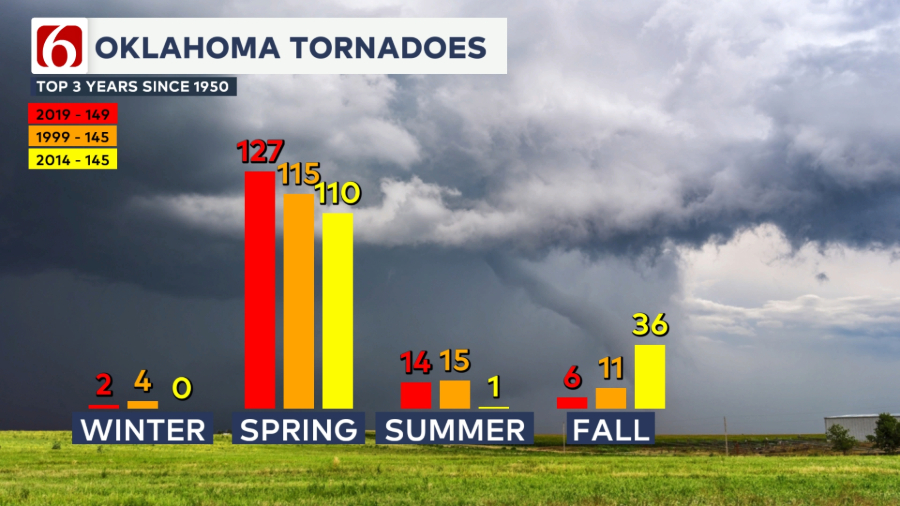
While the National Weather Service finalizes data after detailed ground and aerial surveys, preliminary reports indicate that Oklahoma has experienced a statistically significant number of tornadoes throughout the first three quarters of 2024. The numbers often fluctuate as experts verify damage paths and intensity ratings, but the sheer volume of alerts issued this year underscores why the region remains the global epicenter for tornado research.
Seasonal Variability
The severity and frequency of these storms are deeply tied to the seasonal transition. In 2024, the late spring months of April and May saw the highest concentration of tornado activity. During this time, the clash of moist air from the Gulf of Mexico and dry air from the Rocky Mountains created a volatile environment. For travelers, this seasonal window is often when the skies of Tulsa and Norman turn a haunting shade of green, marking the arrival of classic severe weather setups.
Nature’s Dynamic Influence on the Landscape
The geography of Oklahoma is uniquely suited for the formation of severe storms. The lack of significant topographical barriers across the expanse of the state allows air masses to interact with little friction, fostering the rotation necessary for tornado development. This natural phenomenon shapes not only the climate but also the history and culture of the region.
The Geography of Tornado Alley
Spanning from the Texas Panhandle through Oklahoma and up into Kansas, this corridor is a subject of constant fascination. Visitors exploring the Wichita Mountains or driving along Route 66 often find themselves in the heart of this volatile weather zone. The landscape is wide and open, offering expansive views of the horizon—a feature that makes the approach of a storm both breathtaking and intimidating.
Resilience and Adaptation
The people of Oklahoma have adapted their infrastructure to survive these events. When traveling through smaller towns like Moore or El Reno, one can observe the prevalence of storm cellars and reinforced building codes. This integration of survival into the built environment is a cornerstone of the state’s identity. It teaches travelers to respect the weather, ensuring that they prioritize safety protocols such as identifying storm shelters in public buildings and hotels during their stay.
Travel Safety and Preparedness in Storm Country
Traveling through a region known for high tornado activity requires a level of preparedness that goes beyond standard vacation planning. Whether you are visiting the National Weather Center in Norman or passing through the state on a cross-country trip, understanding how to react to severe weather is essential.
Essential Preparedness Tips
- Stay Informed: Always keep a portable weather radio or a reliable weather app installed on your device. Relying on local television news, such as channels based in Oklahoma City, provides the most granular information during active warning periods.
- Identify Shelter: Upon checking into your accommodation, whether it is a boutique hotel or a rural cabin, ask management about their severe weather procedures and the location of their storm shelter or designated safe room.
- Know the Signs: While modern technology is excellent, being aware of environmental cues—such as a sudden calm followed by a drop in pressure, large hail, or a persistent low-hanging cloud rotation—can provide those critical extra seconds to take cover.
The Allure of Storm Tourism
Interestingly, the frequency of tornadoes in 2024 has not deterred the growing trend of “storm tourism.” Educational tours that focus on weather photography and meteorological science have become a unique niche for those traveling to Oklahoma. Guided by experts who know how to navigate the plains safely, these experiences offer a respectful and scientific way to witness the sheer power of nature without putting oneself in unnecessary danger. It is a testament to the human desire to understand and appreciate the forces that shape our planet.
Looking Beyond the Numbers
While the count of tornadoes in 2024 provides a data-driven look at the year’s climate, the true takeaway for anyone visiting Oklahoma is the profound sense of awe one feels when looking across the vast, sky-dominated landscape. The weather here is not just an obstacle to travel; it is a defining characteristic of the state’s personality.
A Legacy of Observation
Oklahoma has long been at the forefront of tornado research, largely due to the frequency and accessibility of the storms. Institutions located in cities like Norman have turned the state into a global classroom for meteorology. For the casual visitor, this means there is an abundance of resources—from weather museums to public information campaigns—that can enrich a trip. Learning about the science of a tornado while standing in the very fields where they occur provides a perspective that no textbook can replicate.

Embracing the Experience
To visit Oklahoma is to accept that you are entering a dynamic environment. Whether the year brings a high number of tornadoes or a relatively quiet season, the sky remains the primary attraction. The sunsets in the Great Plains are amplified by the atmospheric conditions, and the resilience of the communities is inspiring. By respecting the power of the environment and staying informed, travelers can enjoy everything the Sooner State has to offer, from its rich history to its stunning natural beauty, while staying safely within the bounds of preparedness. As 2024 continues to unfold, those traversing these lands remain participants in a long, ongoing story of humanity’s relationship with the unpredictable, wild, and beautiful skies of the American Midwest.
LifeOutOfTheBox is a participant in the Amazon Services LLC Associates Program, an affiliate advertising program designed to provide a means for sites to earn advertising fees by advertising and linking to Amazon.com. Amazon, the Amazon logo, AmazonSupply, and the AmazonSupply logo are trademarks of Amazon.com, Inc. or its affiliates. As an Amazon Associate we earn affiliate commissions from qualifying purchases.