
When planning a trip to the United States, particularly to the heartland, concerns about natural phenomena like tornadoes often arise, especially regarding states located within the famed Tornado Alley. Oklahoma is undeniably central to this region, leading many prospective travelers to wonder: exactly how many tornadoes does Oklahoma experience annually? While the state’s reputation for severe weather is well-known, understanding the statistics, seasonal patterns, and safety measures can transform apprehension into preparedness, allowing visitors to fully appreciate the rich culture, stunning landscapes, and vibrant cities that Oklahoma has to offer. This comprehensive guide will delve into the meteorological realities, provide essential travel safety tips, and highlight the myriad attractions that make Oklahoma a captivating destination for any traveler.
Understanding Tornado Alley and Oklahoma’s Climate
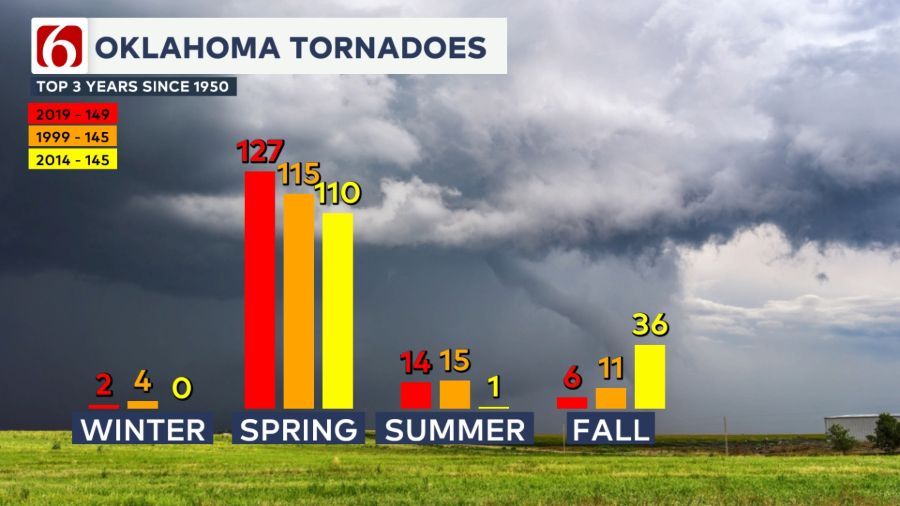
Oklahoma’s position at the crossroads of atmospheric conditions makes it a hotbed for tornadic activity. The average number of tornadoes in Oklahoma typically hovers around 50 to 60 per year. However, this is an average, and the actual number can fluctuate significantly from year to year, ranging from as few as a dozen to over a hundred in particularly active seasons. It’s crucial to remember that this figure represents all tornadoes, from brief, weak landspouts to powerful, long-track supercells. The vast majority of these events are relatively weak, short-lived, and localized, affecting very small areas.
The Science Behind Oklahoma’s Tornado Frequency
The reason Oklahoma is so prone to tornadoes lies in its unique geographical and meteorological setup. Situated where warm, moist air from the Gulf of Mexico meets cool, dry air from the Rocky Mountains and hot, dry air from the Sonoran Desert, the state frequently experiences the atmospheric instability required for severe thunderstorm development. These colliding air masses, coupled with the flat terrain of the Great Plains, create the perfect conditions for rotating updrafts that can spawn tornadoes. The interaction of a strong jet stream overhead often adds the necessary wind shear, completing the recipe for powerful storms.
Seasonal Peaks and What to Expect
Tornado season in Oklahoma typically runs from March through June, with peak activity usually occurring in April and May. During these months, travelers might encounter heightened awareness about weather conditions. However, tornadoes can occur at any time of year, albeit less frequently, and even strong tornadoes can develop outside of the traditional peak season. For instance, November has seen significant tornado outbreaks. The key for travelers is to remain informed, not alarmed. Many residents live their lives normally, understanding that severe weather is a part of living in the region, and advanced warning systems are highly effective.
Navigating Oklahoma Safely: Tips for Travelers
Understanding the statistics is one thing; feeling prepared as a traveler is another. While the idea of encountering a tornado might seem daunting, modern weather forecasting, alert systems, and local preparedness strategies significantly mitigate the risk to visitors. Oklahoma’s infrastructure and public safety protocols are designed to handle severe weather, making it a safe place to visit year-round, provided you follow basic precautions.
Preparing for Your Oklahoma Adventure
Before embarking on your Oklahoma journey, especially during the spring months, a little preparation goes a long way.
- Stay Informed: Download a reliable weather app that provides real-time severe weather alerts for your specific location. Apps from reputable sources like the National Weather Service (NWS) are excellent choices.
- Monitor Local News: Keep an eye on local news channels or radio stations, as they often provide detailed local forecasts and immediate updates during severe weather events.
- Understand Alert Levels: Familiarize yourself with the difference between a “tornado watch” (conditions are favorable for tornadoes to develop) and a “tornado warning” (a tornado has been sighted or indicated by radar, and you should seek shelter immediately).
- Travel Insurance: Consider purchasing comprehensive travel insurance that covers potential disruptions due to extreme weather, including flight delays or cancellations, and unforeseen accommodation changes.
On-the-Ground Safety Measures and Resources
Once you arrive, your accommodation choice plays a crucial role in your safety plan.
- Hotel Preparedness: Most hotels, especially those within major cities like Oklahoma City and Tulsa, have established severe weather protocols. Upon check-in, inquire about the hotel’s designated tornado shelter areas, which are often in basements, interior hallways on lower floors, or specially constructed safe rooms.
- Public Shelters: In some communities, public tornado shelters are available. Local emergency management agencies can provide information on these.
- Know Your Surroundings: If you’re out exploring and a warning is issued, seek sturdy shelter immediately. Avoid vehicles, mobile homes, or areas with large, unsupported roofs. Low-lying ditches or culverts can offer some protection if no other substantial shelter is available, but this should be a last resort.
- Follow Instructions: Always follow the guidance of local authorities, emergency personnel, and hotel staff during a severe weather event. Their instructions are paramount for your safety.
With these simple precautions, travelers can confidently explore Oklahoma, knowing they are prepared for any potential weather events, which are, statistically speaking, rare to directly impact a traveler.
Beyond the Storms: Exploring Oklahoma’s Diverse Attractions
While understanding the weather patterns is important, it’s equally essential to recognize that Oklahoma is a vibrant state teeming with attractions, making it a fantastic travel destination regardless of the season. From bustling urban centers to serene natural landscapes, and from rich historical sites to exciting entertainment venues, there’s something for every type of traveler.
Must-Visit Landmarks and Cultural Gems
Oklahoma’s cultural landscape is deeply shaped by its Native American heritage and its pioneering spirit.
- Oklahoma City: The capital city offers a wealth of experiences. The powerful and poignant Oklahoma City National Memorial & Museum honors the victims of the 1995 bombing. For entertainment, the revitalized Bricktown district provides canal boat rides, diverse restaurants, and lively nightlife. Families will enjoy the Myriad Botanical Gardens, the Science Museum Oklahoma, and the National Cowboy & Western Heritage Museum. Don’t miss the historic Stockyards City for an authentic taste of the Old West.
- Tulsa: Known as the “Oil Capital of the World,” Tulsa boasts stunning Art Deco architecture. The Philbrook Museum of Art, housed in an opulent villa, offers world-class collections and beautiful gardens. The Gathering Place, a massive urban park along the Arkansas River, provides incredible recreational opportunities for all ages. The Brady Arts District (now often referred to as the Arts District Tulsa) is home to galleries, music venues, and delicious eateries.
- Native American Heritage: Oklahoma is home to 39 federally recognized tribal nations. Visitors can delve into this rich history at sites like the Chickasaw Cultural Center in Sulphur, offering immersive exhibits and traditional performances, or explore the Cherokee Nation in Tahlequah.
- Route 66: The Mother Road cuts right through Oklahoma, offering nostalgic diners, quirky roadside attractions, and historic gas stations, providing a unique road trip experience. Many towns along the route, like Arcadia with its Round Barn, celebrate this iconic highway.
- Guthrie: Just north of Oklahoma City, this charming town was Oklahoma’s first state capital and boasts one of the largest Historic Preservation Districts in the nation, with beautifully preserved Victorian architecture.
Outdoor Adventures and Natural Beauty
Beyond its cities, Oklahoma surprises many with its diverse natural landscapes, perfect for outdoor enthusiasts.
- Mountains and Forests: The southeastern part of the state features the picturesque Ouachita Mountains, home to Beavers Bend State Park and the charming town of Broken Bow, offering cabin rentals, fishing, hiking, and water sports on Broken Bow Lake. The Wichita Mountains Wildlife Refuge in the southwest provides opportunities to see bison, elk, and longhorns in their natural habitat, alongside stunning granite mountains like Mount Scott.
- Lakes and Rivers: With more man-made lakes than any other state, Oklahoma is an aquatic playground. Popular spots include Lake Texoma on the Texas border, renowned for its fishing, and Grand Lake o’ the Cherokees in the northeast, a hub for boating and watersports.
- Waterfalls and Caves: Turner Falls Park in Davis features Oklahoma’s largest waterfall, swimming holes, and caves. Robbers Cave State Park near Wilburton is famous for its namesake cave, once a hideout for outlaws, and offers climbing, rappelling, and hiking.
- Prairies and Preserves: The Tallgrass Prairie Preserve near Pawhuska is the largest protected remnant of tallgrass prairie in the world, home to a free-roaming bison herd, offering a glimpse into Oklahoma’s ecological past. Nearby, the Pioneer Woman Mercantile has become a major draw for foodies and fans of the popular blogger.
Planning Your Stay: Accommodation and Travel Logistics
Making your Oklahoma trip memorable also involves choosing the right accommodation and handling travel logistics smoothly. The state offers a wide range of options to suit every budget and lifestyle, from luxurious resorts to quaint boutique hotels and family-friendly stays.
Finding the Perfect Hotel or Resort
- Luxury and Boutique Stays: In Oklahoma City, upscale options include the historic Skirvin Hilton Oklahoma City and the arts-focused 21c Museum Hotel Oklahoma City. Tulsa offers the elegant Ambassador Hotel Tulsa and the well-appointed Hyatt Regency Tulsa. Many tribal nations also operate impressive casino resorts, such as the River Spirit Casino Resort in Tulsa and the Hard Rock Hotel & Casino Tulsa, which provide a full array of amenities, dining, and entertainment.
- Family-Friendly Options: Many hotel chains cater to families, offering pools, complimentary breakfasts, and spacious suites. Vacation rentals, particularly in areas like Broken Bow or near popular lakes, are an excellent choice for groups and extended stays, providing more space and privacy.
- Budget Travel: For those on a budget, numerous motels and value-oriented hotels are available throughout the state, especially along major interstates and in smaller towns like Norman and Stillwater, home to the University of Oklahoma and Oklahoma State University, respectively.
- Booking Tips: It’s always advisable to book your accommodation in advance, especially during peak season or major events, to secure the best rates and availability. Utilize booking platforms to compare prices, read reviews, and find the perfect match for your travel style and needs.
Maximizing Your Oklahoma Experience
- Transportation: While Oklahoma City and Tulsa have some public transportation options, renting a car is highly recommended for exploring the state’s diverse attractions, many of which are spread out. Major airports like Will Rogers World Airport (OKC) in Oklahoma City and Tulsa International Airport (TUL) offer a wide selection of rental car agencies.
- Dining: Don’t leave Oklahoma without trying some local cuisine. From authentic barbecue and chicken-fried steak to the unique “onion burger” originating in El Reno, the state offers hearty and delicious culinary experiences.
- Events and Festivals: Check local tourism calendars for events and festivals, which often celebrate Oklahoma’s Western heritage, Native American culture, music, and food. These can add a unique dimension to your travel experience.
In conclusion, while Oklahoma averages 50-60 tornadoes per year, the direct risk to travelers is exceedingly low, especially with proper awareness and preparation. The beauty, history, and vibrant culture of the state far outweigh any perceived danger. By understanding the weather, utilizing readily available safety resources, and focusing on the incredible experiences awaiting, visitors can confidently plan an unforgettable trip to the Sooner State. From the urban delights of Oklahoma City and Tulsa to the majestic landscapes of the Wichita Mountains and Ouachita National Forest, Oklahoma promises a travel adventure rich in discovery and hospitality.
LifeOutOfTheBox is a participant in the Amazon Services LLC Associates Program, an affiliate advertising program designed to provide a means for sites to earn advertising fees by advertising and linking to Amazon.com. Amazon, the Amazon logo, AmazonSupply, and the AmazonSupply logo are trademarks of Amazon.com, Inc. or its affiliates. As an Amazon Associate we earn affiliate commissions from qualifying purchases.