
Las Vegas stands as a global anomaly in the world of tourism. Located in the middle of the Nevada desert, this neon-drenched oasis has transformed from a localized gambling hub into one of the world’s premier destinations for entertainment, conventions, and hospitality. Understanding the sheer volume of humanity that flows through this city provides a fascinating look into the resilience and evolution of modern travel trends.
The Statistical Scope of Visitation
To quantify how many travelers visit Las Vegas annually, one must look at the data provided by the Las Vegas Convention and Visitors Authority. In a typical pre-pandemic fiscal year, the city welcomed approximately 42 to 43 million visitors. Following the global disruptions of the early 2020s, the destination has staged a remarkable recovery, consistently climbing back toward these historic highs.

Understanding the Demographic Mix
The visitor profile of the city is highly diverse, ranging from international tourists seeking the spectacle of the Las Vegas Strip to domestic business professionals attending massive industry events. The city’s ability to cater to such a wide range of interests—from high-stakes gaming to family-friendly magic shows—is the primary engine behind these staggering numbers.
Seasonal Fluctuations and Peak Periods
Visitation is not uniform throughout the year. The cooler months of spring and autumn see the highest influx of leisure travelers who wish to explore the Mojave Desert or walk the pedestrian-friendly stretches of the boulevard without the extreme heat of mid-summer. Conversely, mid-week volume is bolstered significantly by the convention calendar, which draws millions of industry-specific visitors to facilities like the Las Vegas Convention Center.
The Economic Drivers of Tourism
Tourism serves as the lifeblood of Las Vegas, accounting for a massive portion of the regional GDP. The visitor economy isn’t just about hotel room nights; it encompasses a complex ecosystem of food and beverage, retail, entertainment, and professional services.
The Evolution of the “Vegas” Experience
Historically, Las Vegas was marketed almost exclusively on gaming. Today, the strategy has shifted toward “integrated resorts.” When visitors choose to stay at properties like the Caesars Palace, the MGM Grand, or the Wynn Las Vegas, they are rarely just there to gamble. They are visiting for world-class culinary experiences, residency performances by global superstars, and luxury retail therapy. This diversification has widened the appeal of the city, pulling in a younger and more varied demographic than in previous decades.
The Role of Business Travel
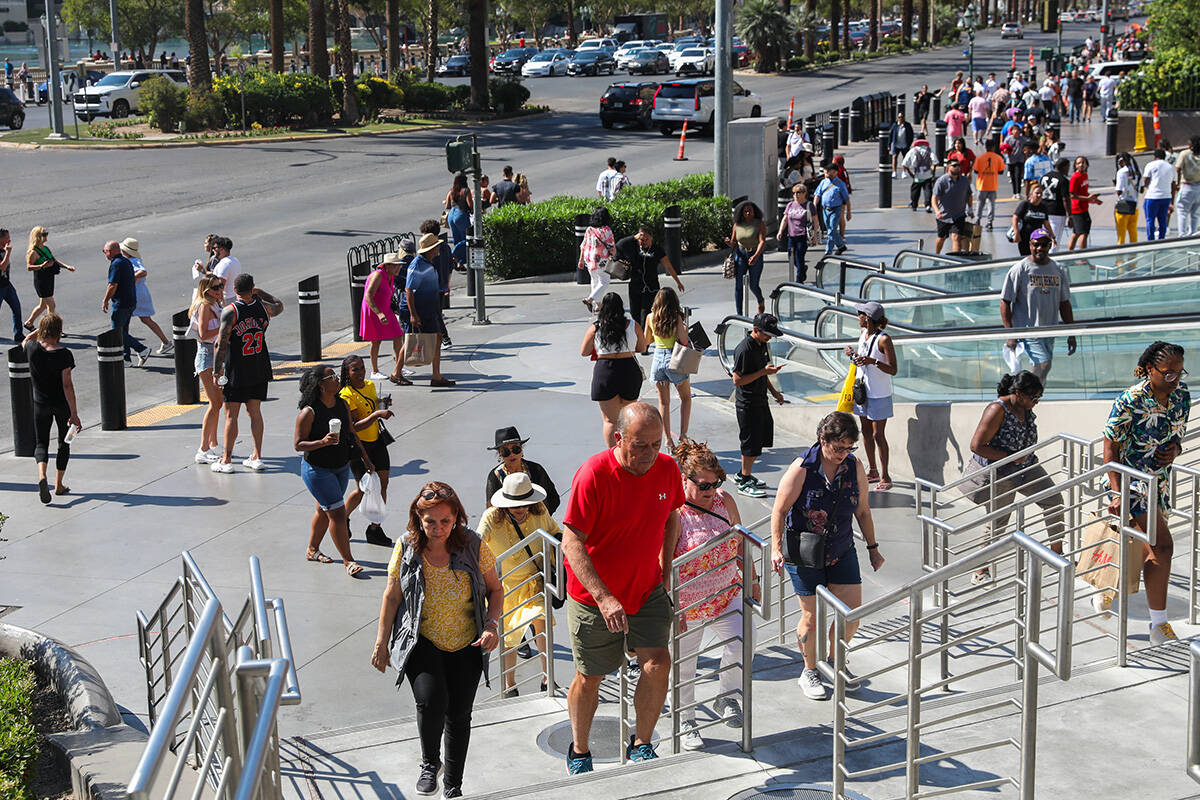
A significant percentage of those 40+ million annual visitors are not traditional tourists. Las Vegas is arguably the convention capital of the world. Huge events, such as the Consumer Electronics Show, bring tens of thousands of professionals to the city annually. These travelers tend to have different spending habits and duration-of-stay patterns compared to leisure visitors, further stabilizing the city’s visitor flow throughout the calendar year.
Challenges and Future Projections
Maintaining a visitor count that exceeds 40 million annually requires constant reinvention. The city is currently in a state of rapid evolution, with new architectural marvels constantly reshaping the horizon.
Infrastructure and Urban Development
The physical landscape of the Las Vegas Valley is constantly shifting. Investments in infrastructure, such as the expansion of the Harry Reid International Airport, are essential to accommodate the rising passenger volume. Without efficient transit and airport capacity, the destination could face bottlenecks that might deter the return of repeat visitors.
The Rise of Non-Gaming Attractions
The most significant trend in current visitation is the focus on non-gaming entertainment. The introduction of immersive, tech-forward venues like the Sphere at the Venetian Resort has created new reasons for tourists to visit. By decoupling the visitor experience from the casino floor, the city is positioning itself as a legitimate global entertainment destination that rivals New York City or London in terms of sheer cultural variety.
Sustainability and the Future of Tourism
As the city looks toward the future, the challenge lies in managing resources while keeping the visitor experience world-class. Water conservation and energy efficiency in massive resorts like the Bellagio Hotel and Casino have become major talking points. As global travelers become more conscious of their carbon footprints, the destination is working to balance its reputation for excess with a more sustainable operational model.
Why Travelers Keep Returning
Returning visitors make up a significant portion of the annual tourism statistics for Las Vegas. Many travelers return not just once, but multiple times a year, drawn by the revolving door of new restaurant openings, recurring concert residencies, and major sporting events.
The Sporting Revolution
The recent arrival of major professional sports teams has fundamentally altered the city’s tourism rhythm. The presence of the Las Vegas Raiders at Allegiant Stadium and the Vegas Golden Knights at T-Mobile Arena has created a “sports tourism” segment that didn’t exist a decade ago. These events create specific spikes in hotel demand and bring in a fan-based visitor who is likely to spend several days enjoying the city’s hospitality offerings before or after a game.

Proximity and Accessibility
For residents of California, particularly Los Angeles, Las Vegas functions as an accessible weekend getaway. This geographic proximity ensures a steady flow of high-frequency visitors who consider the city a secondary home. The ease of access—via both short-haul flights and a relatively straightforward drive through the Mojave National Preserve—plays a crucial role in maintaining those high annual numbers.
Ultimately, the number of people who visit Las Vegas every year is a testament to the city’s ability to remain relevant. Whether through the lens of a convention attendee, a high-roller, a sports fan, or a casual weekend vacationer, the destination provides an experience that is consistently evolving. As long as the city continues to prioritize innovation, it will remain one of the most visited locations on the planet, serving as a beacon for global travelers who crave excitement, luxury, and the unpredictable energy that only this desert city can provide.
LifeOutOfTheBox is a participant in the Amazon Services LLC Associates Program, an affiliate advertising program designed to provide a means for sites to earn advertising fees by advertising and linking to Amazon.com. Amazon, the Amazon logo, AmazonSupply, and the AmazonSupply logo are trademarks of Amazon.com, Inc. or its affiliates. As an Amazon Associate we earn affiliate commissions from qualifying purchases.