
Oklahoma is often referred to as a cultural crossroads, a place where the deep roots of Indigenous history are woven into the very fabric of the state’s identity. For visitors interested in the authentic tapestry of American history, understanding the presence of the various nations is essential. Today, the state is home to 39 federally recognized tribal nations, each with a unique heritage, sovereign status, and profound influence on the local culture, arts, and governance of the region.
The Historical Context of Tribal Nations in Oklahoma
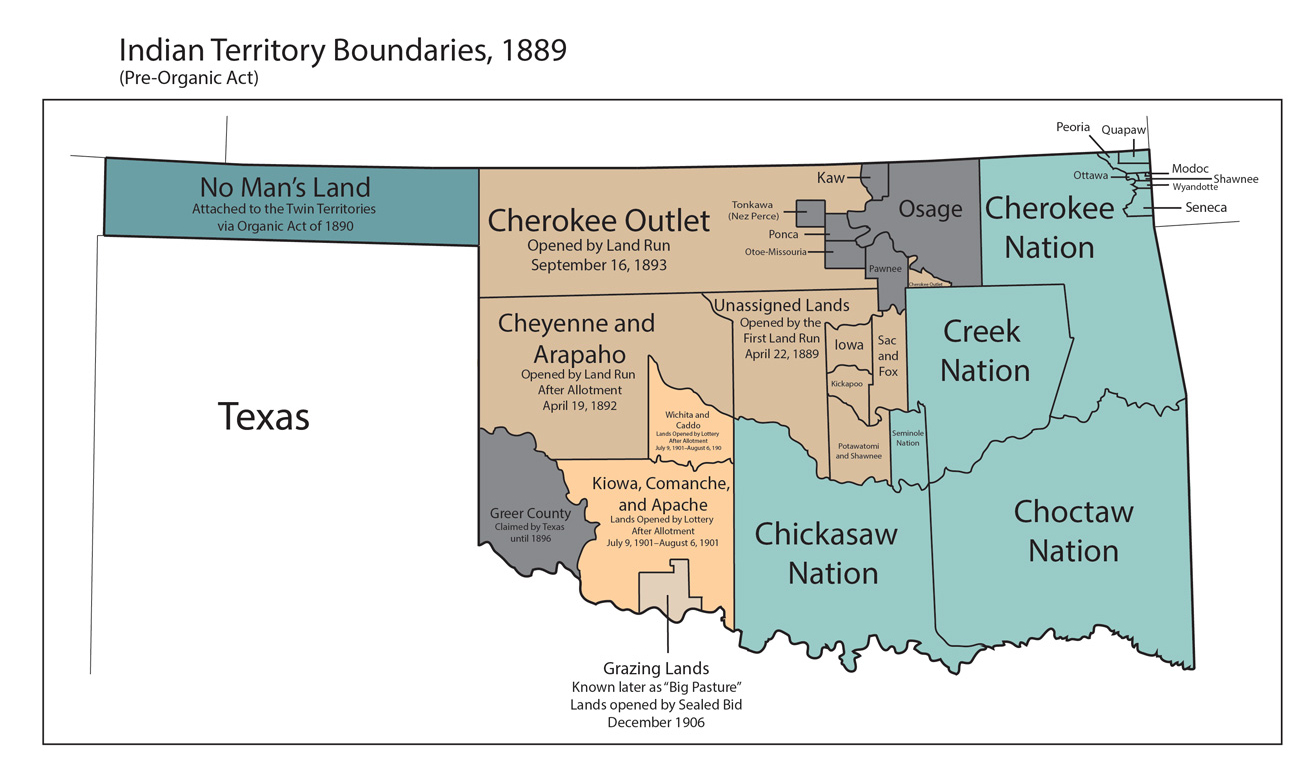
The presence of so many distinct nations in Oklahoma is a direct result of federal policies from the 19th century, most notably the Indian Removal Act of 1830. This era saw the forced relocation of dozens of tribes from their ancestral lands across the United States to what was then designated as Indian Territory.

Forced Relocation and Resilience
Many nations, including the Cherokee, Choctaw, Chickasaw, Muscogee, and Seminole, were forcibly marched along paths that became known as the Trail of Tears. Despite the immense tragedy of this period, these tribes demonstrated incredible resilience. Upon arrival, they rebuilt their governments, established school systems, and maintained their languages and traditions.
The Evolution of Sovereign Nations
Over the decades, these tribes integrated into the burgeoning territory, which eventually became the 46th state of the United States. Today, these 39 nations are not merely historical entities; they are modern, sovereign governments that contribute significantly to the economic and cultural landscape of the region. They operate their own court systems, healthcare facilities, and educational programs, ensuring that the legacy of their ancestors continues to thrive in the 21st century.
Cultural Landmarks and Tribal Heritage Sites
For the modern traveler, exploring the heritage of these 39 nations provides a profound look into the heart of the American Plains. From the rolling hills of the Ozarks to the western prairies, tribal influence is evident in the architecture, museums, and annual gatherings held across the state.
Cultural Centers and Museums
One of the best ways to understand the diversity of these nations is to visit the cultural centers they have built to preserve their history. In the city of Durant, the Choctaw Cultural Center offers an immersive experience, detailing the history of the Choctaw people through interactive exhibits and traditional storytelling. Similarly, the Chickasaw Cultural Center in Sulphur is a breathtaking facility nestled within the scenic Chickasaw National Recreation Area. It serves as a living testimony to the endurance and spirit of the Chickasaw Nation.

Architecture and Public Art
In Tahlequah, the capital of the Cherokee Nation, visitors can explore the Cherokee National Capitol, a historic site that captures the political and social evolution of the tribe. Throughout the state, public art projects and murals often reflect the stories and cosmology of the various nations, making a simple walk through a town like Tulsa or Oklahoma City an educational experience.
The Living Traditions of Oklahoma Tribes
The culture of these tribes is not confined to museums; it is practiced daily in the communities that call Oklahoma home. Festivals, powwows, and local food markets are integral to the contemporary experience of visiting the state.
Powwows and Celebrations
A powwow is a significant cultural event that serves as a celebration of life, heritage, and community. Many of the 39 tribes host public powwows throughout the year where drumming, traditional singing, and intricate dance performances are showcased. Attending such an event is one of the most respectful and enlightening ways for a traveler to witness the vibrancy of Indigenous culture today. It is a time for families to gather, honor their veterans, and share stories with the wider public in a spirit of friendship.
Culinary Traditions
The influence of Indigenous cuisine is becoming increasingly recognized as a vital component of the culinary scene. From traditional frybread to sophisticated dishes using heirloom ingredients like bison, maize, and wild greens, the gastronomy of the region is shifting toward a celebration of tribal roots. Visitors seeking an authentic taste of local heritage should look for restaurants owned and operated by tribal members, where the menu often tells the story of the land and its first inhabitants.
Engaging with Tribal Tourism Responsibly
When planning a trip to explore the tribal nations of Oklahoma, it is important to approach the experience with respect and a desire to learn. Tourism in this context is a bridge between cultures.
Guidelines for Travelers
- Respect the Sovereignty: Remember that tribal lands are sovereign nations with their own laws and protocols. Always observe signage and ask for permission before taking photographs of private gatherings or religious ceremonies.
- Support Native-Owned Businesses: One of the most effective ways to support tribal communities is to patronize businesses owned by their members. This includes buying authentic arts and crafts, which are often marked with a certification of authenticity to ensure the artist is indeed a registered member of a federally recognized tribe.
- Educate Yourself Beforehand: While the 39 tribes share a history of resilience, they are distinct entities. A traveler who takes the time to learn the difference between the Osage nation and the Pawnee nation will find their interactions and visits much more meaningful.
Planning Your Journey
If you are visiting for the first time, consider focusing on a specific region. The southeastern portion of the state is heavily influenced by the Choctaw and Chickasaw, while the northeastern quadrant is the heart of the Cherokee, Muscogee Creek, and Quapaw legacies. Whether you are traveling through the Wichita Mountains or exploring the urban centers, the presence of these 39 nations ensures that Oklahoma offers a travel experience unlike any other in the world.
By weaving together the history of the land with the vibrant, ongoing life of its tribal citizens, travelers can gain a much deeper appreciation for what it means to visit this unique corner of the globe. Oklahoma is not just a state; it is a complex, living archive of human history that invites exploration, reflection, and profound discovery. Each of the 39 tribes brings a unique thread to the tapestry, and together, they define the true spirit of the region. As you navigate the winding roads of this beautiful state, keep in mind that you are traversing land that has been stewarded for centuries—a legacy that continues to evolve with every passing season.
LifeOutOfTheBox is a participant in the Amazon Services LLC Associates Program, an affiliate advertising program designed to provide a means for sites to earn advertising fees by advertising and linking to Amazon.com. Amazon, the Amazon logo, AmazonSupply, and the AmazonSupply logo are trademarks of Amazon.com, Inc. or its affiliates. As an Amazon Associate we earn affiliate commissions from qualifying purchases.