
The vast expanse of Texas, often characterized by its sprawling landscapes and rich history, is also home to a significant and diverse higher education ecosystem. Understanding the sheer number of universities in the Lone Star State is crucial for prospective students, researchers, and anyone interested in the educational and economic landscape of this dynamic region. From world-renowned research institutions to specialized technical colleges, Texas offers a wide array of academic opportunities. This article delves into the quantitative and qualitative aspects of higher education in Texas, exploring the various types of institutions and their contributions to the state’s intellectual and cultural fabric.
The Scope of Higher Education in Texas
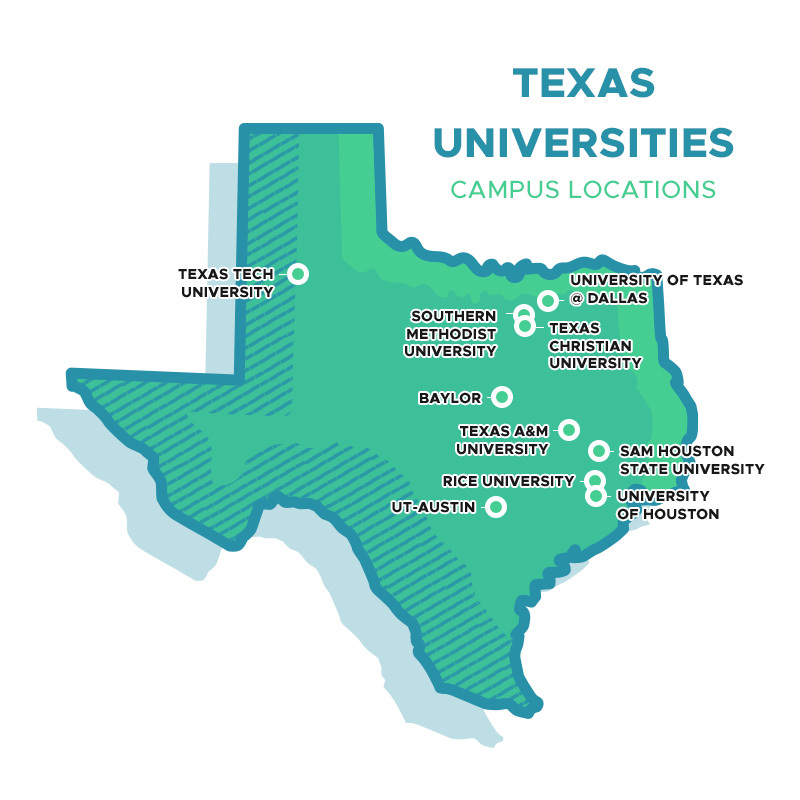
Texas boasts an impressive number of higher education institutions, a testament to its growing population and its commitment to fostering intellectual capital. This expansive network includes public universities, private universities, community colleges, and specialized professional schools. The sheer volume of these institutions underscores Texas‘s role as a major hub for learning, innovation, and economic development.
Public Universities: The Pillars of the System
Public universities form the backbone of higher education in Texas, serving a large percentage of the state’s student population. These institutions are typically funded by state appropriations and are governed by coordinating boards. They offer a broad spectrum of undergraduate and graduate programs, often with a strong emphasis on research and public service.
The University of Texas System
One of the most prominent public university systems in Texas is the University of Texas System. This system comprises nine academic institutions and six health institutions. Notable universities within this system include The University of Texas at Austin, known for its extensive research facilities and a wide range of programs; The University of Texas at Dallas, recognized for its strengths in science, engineering, and business; and The University of Texas at San Antonio, a major urban research university. Each campus within the University of Texas System has its unique strengths and focus areas, contributing to the overall educational landscape of Texas.
The Texas A&M University System
Another major player in Texas higher education is the Texas A&M University System. This system includes 11 university campuses and eight state agencies. Texas A&M University in College Station is its flagship institution, renowned globally for its engineering, agriculture, and veterinary medicine programs. Other key universities in the system include Texas A&M University Health Science Center and Texas A&M University-San Antonio. The Texas A&M University System is a driving force in research and innovation, particularly in areas critical to Texas‘s economy.
Other Public University Systems and Independent Institutions
Beyond these two major systems, Texas also has other significant public university systems, such as the University of Houston System, which includes University of Houston as its flagship, and the Texas State University System. Independent public universities like The University of North Texas in Denton and Texas Tech University in Lubbock also contribute substantially to the state’s educational offerings. These institutions collectively cater to a diverse student body and offer a wide range of academic disciplines.
Private Universities: Diversity and Specialization
While public institutions educate the majority of students, private universities in Texas offer a distinct set of advantages, often characterized by smaller class sizes, specialized programs, and unique institutional missions. These universities are typically funded through tuition, endowments, and private donations.
The Role of Religious Affiliation
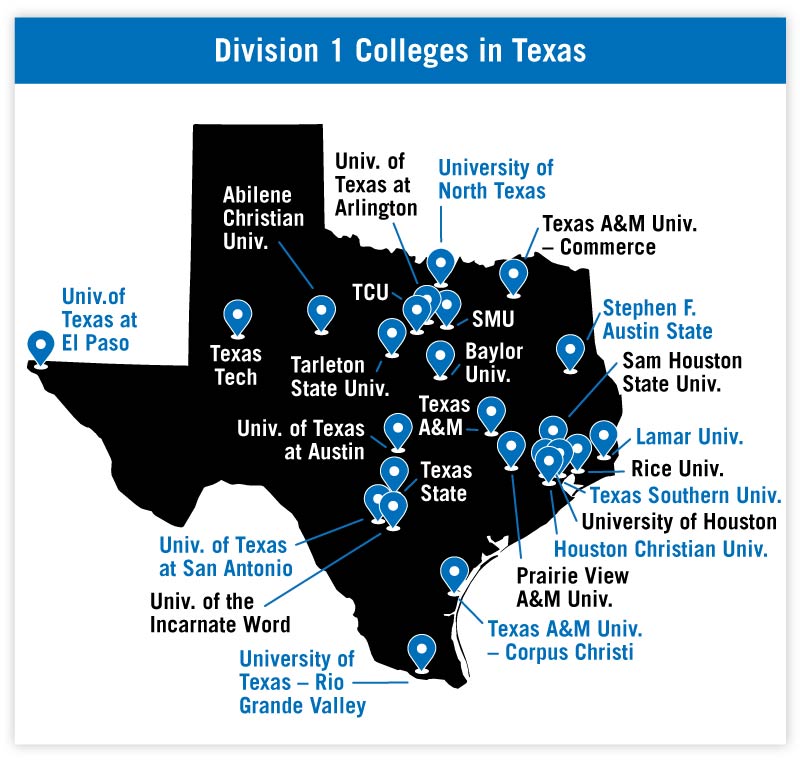
Many private universities in Texas have historical or ongoing affiliations with religious denominations. These institutions often integrate a specific worldview or spiritual emphasis into their academic programs and campus life. Examples include Baylor University in Waco, affiliated with the Baptist General Convention of Texas, known for its strong programs in health sciences and business. Southern Methodist University in Dallas, a vibrant research university with ties to the United Methodist Church, offers a broad spectrum of liberal arts and professional programs.
Non-Sectarian Private Institutions
Beyond religiously affiliated schools, Texas is also home to a number of non-sectarian private universities. Rice University in Houston stands out as a premier private research university, consistently ranked among the top institutions nationally. It is known for its rigorous academic programs, particularly in engineering, architecture, and the sciences, and its commitment to undergraduate education. Other private institutions, like Trinity University in San Antonio, focus on liberal arts and sciences, providing a distinctive educational experience.
Community Colleges and Technical Schools: Workforce Development
An integral part of Texas‘s higher education landscape is its robust network of community colleges and technical schools. These institutions play a vital role in workforce development, offering affordable pathways to associate degrees, certificates, and vocational training. They are crucial for providing the skilled labor force necessary to support Texas‘s diverse economy.
The Texas Community College System
The Texas Community College System encompasses a large number of public community colleges across the state. These colleges serve local communities, offering programs that align with regional industry needs. Students often use community colleges as a stepping stone to transfer to four-year universities, taking advantage of articulation agreements that ensure seamless credit transfer. Institutions like Austin Community College District and Dallas College (formerly Dallas County Community College District) are major providers of accessible and affordable higher education and workforce training.
Specialized Technical and Vocational Training Centers
In addition to community colleges, Texas has numerous specialized technical and vocational schools that focus on specific trades and industries. These institutions offer hands-on training for careers in fields such as automotive technology, healthcare, advanced manufacturing, and information technology. They are essential for equipping individuals with the practical skills needed to thrive in today’s job market.
Navigating the Educational Landscape
With hundreds of institutions of higher learning, Texas offers a multifaceted educational journey. The total number of universities and colleges in Texas is substantial, with the precise count varying slightly depending on how one categorizes institutions (e.g., including satellite campuses, specialized graduate-only schools, or certain vocational institutes). However, general estimates place the number of degree-granting institutions well into the hundreds, solidifying Texas‘s position as a national leader in higher education.
Factors Influencing Institutional Choice
Prospective students face a wide array of choices, and selecting the right institution involves considering several factors:
- Program Offerings: Does the university offer the specific major or field of study of interest?
- Academic Reputation and Rankings: While not the sole determinant, rankings can offer insights into an institution’s standing.
- Cost and Financial Aid: Tuition, fees, and the availability of scholarships and financial aid are crucial considerations.
- Campus Culture and Size: The learning environment, student-faculty ratio, and overall campus atmosphere can significantly impact the student experience.
- Location: Proximity to home, career opportunities in the area, and urban vs. rural settings are important logistical and lifestyle factors.
The Economic and Social Impact of Higher Education
The vast network of universities in Texas contributes immensely to the state’s economy and social fabric. These institutions are engines of research and innovation, driving advancements in fields such as energy, technology, medicine, and agriculture. They attract talent, create jobs, and foster a highly educated workforce. Furthermore, universities serve as cultural centers, hosting lectures, performances, and public events that enrich communities across Texas. The presence of numerous universities, from large public research powerhouses like The University of Texas at Austin and Texas A&M University to specialized liberal arts colleges and accessible community colleges, ensures that educational opportunities are available to a diverse range of individuals, fulfilling the state’s mission to cultivate knowledge and empower its citizens.
LifeOutOfTheBox is a participant in the Amazon Services LLC Associates Program, an affiliate advertising program designed to provide a means for sites to earn advertising fees by advertising and linking to Amazon.com. Amazon, the Amazon logo, AmazonSupply, and the AmazonSupply logo are trademarks of Amazon.com, Inc. or its affiliates. As an Amazon Associate we earn affiliate commissions from qualifying purchases.