
The Hawaiian Islands, an archipelago born from the relentless power of a geological hotspot beneath the Pacific Ocean, are synonymous with breathtaking natural beauty, vibrant culture, and, most notably, volcanoes. For many travelers planning a trip to this paradise, a fundamental question often arises: “How many volcanoes are in Hawaii?” The answer is more complex and fascinating than a simple number, revealing a dynamic landscape constantly being shaped by earth’s internal forces. From active lava flows that redraw coastlines to dormant giants offering panoramic vistas, and ancient, eroded peaks that form lush valleys, Hawaii’s volcanoes are not just geological features; they are integral to the islands’ identity, tourism appeal, and the lifestyle of its residents.
This comprehensive guide will delve into the fiery heart of Hawaii, exploring the count, characteristics, and captivating experiences these magnificent natural landmarks offer. We will journey through the islands, uncover the science behind their formation, highlight the best ways for travelers to interact with these geological marvels, and provide insights into the accommodation options and lifestyle choices that place you right at the doorstep of these incredible forces of nature. Whether you’re a seasoned adventurer, a curious family, or a luxury traveler seeking unique experiences, Hawaii’s volcanoes promise an unforgettable journey into the raw power and serene beauty of our planet.
The Volcanic Landscape of the Hawaiian Islands
To truly understand how many volcanoes grace the Hawaiian Islands, we must first clarify what constitutes a “volcano” in this unique geological context. Hawaii is famed for its shield volcanoes, characterized by their broad, gently sloping profiles, built up over thousands of eruptions of highly fluid basaltic lava. These differ significantly from the steeper, more explosive stratovolcanoes found in places like the Pacific Northwest or Japan.
The formation of the Hawaiian Islands is a classic example of hotspot volcanism. Unlike most volcanoes, which occur at plate boundaries, Hawaii’s volcanoes form in the middle of the Pacific Plate as it slowly drifts northwestward over a stationary plume of superheated magma. This process has created a chain of islands, with the youngest and most volcanically active ones located over the hotspot, and older, increasingly eroded, and dormant or extinct volcanoes stretching to the northwest, forming the Hawaiian Emperor Seamount Chain.
Defining “Volcano”: Active, Dormant, Extinct
The classification of a volcano significantly impacts its count and how we perceive its activity:
- Active Volcanoes: These are volcanoes that have erupted in historical times (within the last few centuries) or show signs of ongoing unrest, such as seismic activity or gas emissions.
- Dormant Volcanoes: These volcanoes have not erupted recently but are considered capable of erupting again in the future. Their internal plumbing system is still intact.
- Extinct Volcanoes: These volcanoes are considered unlikely to erupt again. Their magma supply has been cut off, or the geological conditions that fueled them have changed. They are typically heavily eroded and may no longer even resemble a classic volcanic cone.
When counting, we often focus on the major volcanic shields that comprise the main islands, rather than every individual vent or cinder cone.
The Big Five: Dominant Volcanoes on Hawaii Island
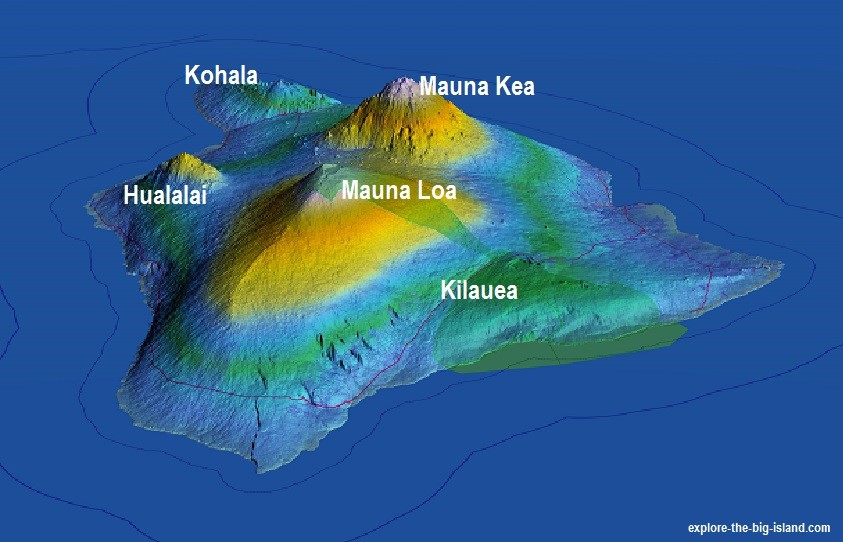
The largest and youngest island in the chain, officially named Hawaii Island (and colloquially known as The Big Island), is home to the most significant volcanic activity and houses five major volcanoes that collectively form its landmass. This is where the hotspot is currently most active:
- Mauna Loa: Meaning “Long Mountain,” Mauna Loa is the largest volcano on Earth by mass and volume, covering over half of Hawaii Island. It is an active shield volcano, known for its gentle slopes and massive scale. While less frequently active than its neighbor Kilauea, its eruptions can be voluminous and far-reaching. Its last eruption was in late 2022, reminding the world of its immense power.
- Kilauea: Perhaps the most famous volcano in the world, Kilauea (meaning “spewing” or “much spreading”) is one of the most active volcanoes on Earth. It has been erupting nearly continuously for decades, with periods of heightened activity that have captured global attention, such as the 2018 lower Puna eruption. Most of its activity occurs within Hawaii Volcanoes National Park, making it an accessible and awe-inspiring natural attraction.
- Mauna Kea: “White Mountain,” so named for the snow that often caps its summit in winter, Mauna Kea stands as the tallest mountain in the world when measured from its base on the ocean floor to its peak – exceeding even Mount Everest. It is a dormant shield volcano, last erupting approximately 4,500 years ago. Its summit is home to some of the world’s most advanced astronomical observatories due to its clear, dark skies.
- Hualalai: Located on the western side of Hawaii Island, near the resort towns of Kona, Hualalai is considered an active volcano, though it erupts infrequently. Its last eruption was in 1801, sending lava flows that created much of the Kona coastline. Geologists believe it is likely to erupt again within the next century.
- Kohala: The oldest of Hawaii Island’s volcanoes, Kohala (meaning “Long Ridge”) is extinct. It formed roughly one million years ago and last erupted about 120,000 years ago. Its northern slopes are deeply eroded by wind and rain, forming the spectacular valleys of the Hamakua Coast, a testament to the long geological history of the island.
In addition to these five, a burgeoning submarine volcano named Loihi Seamount is actively growing off the southeastern coast of Hawaii Island. Currently about 3,200 feet below the ocean surface, it is expected to eventually break the surface and become the next Hawaiian Island in tens of thousands of years.
Beyond the Big Island: Volcanoes on Other Isles
While Hawaii Island is the epicenter of volcanic activity, the other main islands also owe their existence to past volcanic eruptions, hosting volcanoes that are now primarily dormant or extinct.
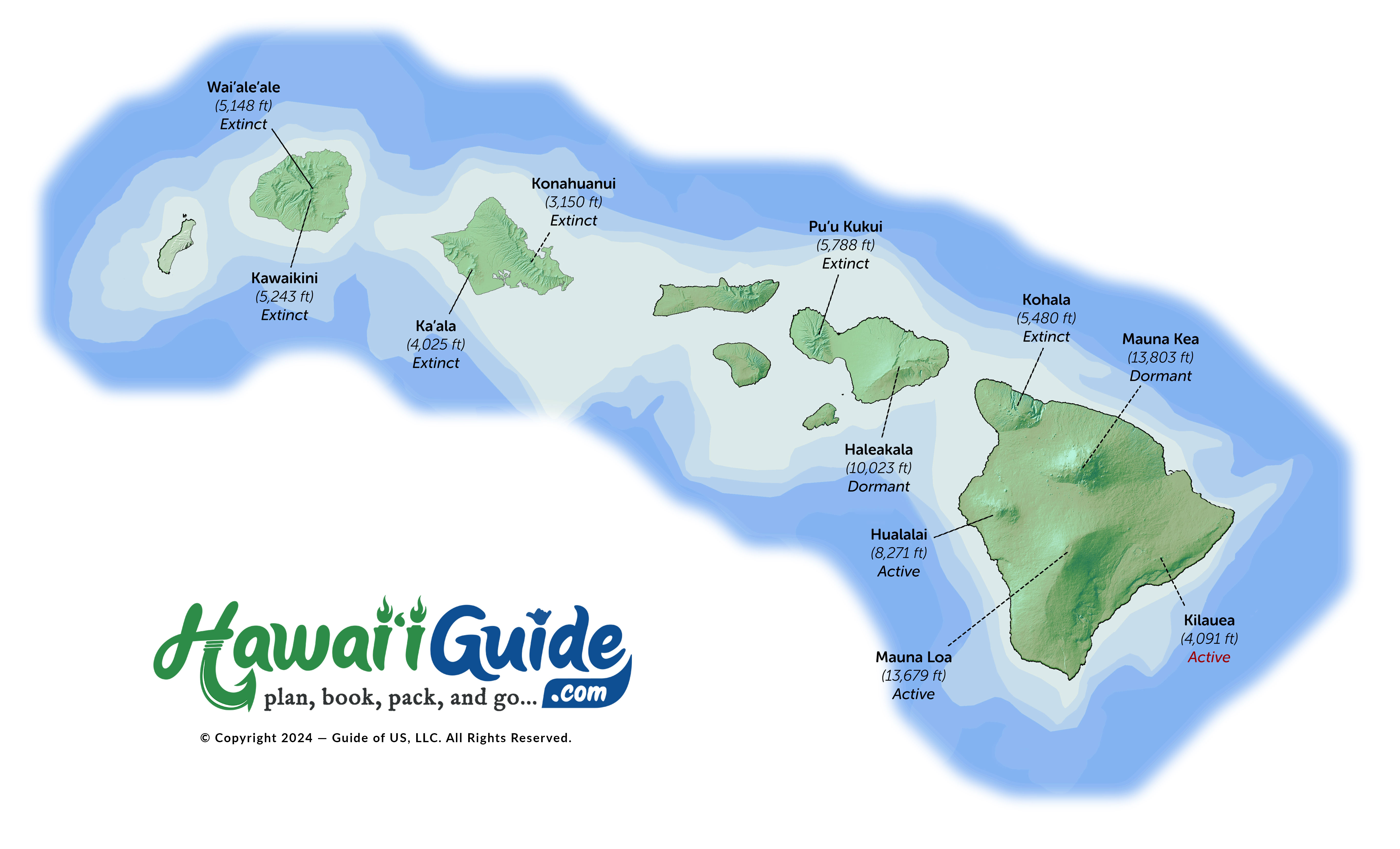
- Maui: The second-largest Hawaiian Island is dominated by Haleakala, a massive dormant shield volcano that forms more than 75% of Maui. Its name means “House of the Sun,” and its vast summit crater is a sight to behold, especially during sunrise. Haleakala last erupted sometime between 1480 and 1600 AD. The western part of Maui is formed by a much older, deeply eroded, and extinct volcano, the West Maui Mountains.
- Oahu: The most populous island, Oahu, is comprised of two major extinct shield volcanoes: the Waianae Range to the west and the Koolau Range to the east. The familiar landmarks around Honolulu and Waikiki are remnants of a later, smaller phase of volcanism, including the iconic Diamond Head (Le’ahi), Koko Head, and Punchbowl Crater, all of which are volcanic tuff cones, long extinct and now major tourist attractions.
- Kauai: Known as the “Garden Isle,” Kauai is the oldest of the main Hawaiian Islands, formed by a single massive shield volcano that became extinct approximately 5 million years ago. Its age is evident in the dramatic erosion that has sculpted its landscapes into deep canyons, such as Waimea Canyon, and spectacular cliffs like the Na Pali Coast.
- Other Islands: Molokai consists of two extinct shield volcanoes, and Lanai and Kahoolawe are also remnants of older, extinct volcanic activity. Niihau also represents the eroded remains of an ancient volcano.
So, if you count the major shield volcanoes that formed the eight main Hawaiian Islands, you’d arrive at a figure of around 15-20 distinct volcanic edifices, including those that have merged or significantly eroded. However, focusing on the active and dormant volcanoes that still dominate the landscape and influence the travel experience, the core number is closer to eight to ten prominent ones, with Kilauea and Mauna Loa being the most active, and Haleakala, Mauna Kea, and Hualalai representing significant dormant or less frequently active giants.
Experiencing Hawaii’s Volcanic Wonders: Travel and Tourism
The volcanoes of Hawaii are not just subjects of geological study; they are premier travel destinations, offering a unique blend of adventure, education, and breathtaking beauty. The tourism industry has expertly integrated these natural landmarks into unforgettable experiences, attracting millions of visitors each year.
Journeying Through Hawaii Volcanoes National Park
The undisputed crown jewel for volcanic exploration is Hawaii Volcanoes National Park on Hawaii Island, a UNESCO World Heritage Site. This park encompasses the summits of Kilauea and Mauna Loa, providing unparalleled access to active volcanism.
Visitors can drive the scenic Crater Rim Drive, offering views of the vast Kilauea Caldera, steam vents, and older lava flows. The Chain of Craters Road descends 3,700 feet to the coast, passing numerous pit craters and ancient lava flows, culminating in an impressive sea arch carved by the ocean. Hiking opportunities abound, from short, accessible trails to more challenging backcountry treks. A favorite is the Kilauea Iki Trail, which descends into a solidified lava lake, offering an otherworldly experience.
At night, the glow from Kilauea’s summit crater can be a mesmerizing spectacle, visible from designated viewing areas within the park, depending on current volcanic activity. Park rangers provide daily updates on conditions, ensuring visitors have the most current information for safe viewing. For adventurous souls, guided tours delve into the park’s history, geology, and cultural significance.
Iconic Volcanic Landmarks and Activities Across the Islands
Beyond Hawaii Island, other volcanoes offer distinct attractions:
- Haleakala National Park on Maui: Witnessing a sunrise from the summit of Haleakala is a quintessential Maui experience. The panoramic views of the clouds, the vast caldera, and the colors painting the sky are simply unforgettable. Reservations are often required for sunrise viewing. During the day, hiking trails wind through the unique lunar-like landscape of the crater, and at night, it’s an exceptional spot for stargazing due to its high elevation and clear atmosphere.
- Diamond Head State Monument on Oahu: This iconic volcanic tuff cone is a famous landmark overlooking Waikiki and Honolulu. A relatively strenuous but rewarding hike leads to the summit, offering breathtaking 360-degree views of the coastline, city, and interior of Oahu. It’s a testament to how even extinct volcanoes continue to draw crowds.
- Mauna Kea Summit on Hawaii Island: For those seeking a truly elevated experience, a trip to the summit of Mauna Kea offers incredible vistas, including views of Mauna Loa and Haleakala across the channel. Stargazing tours near the visitor information station (at 9,200 feet) or adventurous trips to the summit observatories provide unparalleled cosmic displays.
- Aerial Tours: Helicopter tours are a popular way to see Hawaii’s volcanic landscapes from a unique perspective. These tours often fly over active lava flows (when conditions permit), crater systems, and remote, inaccessible areas of the islands, offering stunning aerial photography opportunities and a true sense of the scale of these geological formations.
Cultural Significance and Mythology
The volcanoes of Hawaii are not merely geological features; they are imbued with profound cultural and spiritual significance for the Native Hawaiian people. The most revered deity associated with volcanic activity is Pele, Goddess of Fire and volcanoes. She is believed to reside in Halema’uma’u Crater within Kilauea Caldera, and her presence is felt in every eruption, lava flow, and tremor.
Respect for Pele and the sacredness of the land (aina) is central to Hawaiian culture. Visitors are encouraged to observe protocols, such as not removing lava rocks or sand from the islands, as this is considered disrespectful and may even incur “Pele’s curse.” Traditional chants, hula, and storytelling often recount Pele’s fiery passions and the creation of the islands, reminding everyone of the deep connection between the land and its people. This rich cultural tapestry adds another layer of depth to any visit to Hawaii’s volcanic landmarks.
Accommodation and Lifestyle Near Hawaii’s Volcanoes
For travelers eager to immerse themselves in Hawaii’s volcanic environment, a diverse range of accommodation options and lifestyle experiences await. Whether you prefer luxury resorts, cozy bed and breakfasts, or rustic retreats, there’s a perfect base for your volcanic adventures.
Where to Stay: Options for Every Traveler
-
Near Hawaii Volcanoes National Park (Hawaii Island):
- Volcano Village: Just outside the park entrance, Volcano Village offers a unique selection of charming bed and breakfasts, vacation rentals, and boutique lodges. Options like the Volcano House (the only hotel within the park) or various cozy rainforest cabins provide an intimate, misty, and cool atmosphere, perfect for early morning park access or stargazing. It’s ideal for those seeking a quiet, nature-focused stay.
- Hilo: About an hour’s drive from the park, Hilo on the east side of Hawaii Island offers more hotel options, including the Grand Naniloa Hotel Hilo, a DoubleTree by Hilton. It provides a more urban setting with access to shops, restaurants, and other attractions like waterfalls and botanical gardens, while still being a convenient base for park visits.
- Kona: On the sunny west coast of Hawaii Island, Kona is home to numerous luxury resorts and vacation rentals, such as the Mauna Lani, Auberge Resorts Collection. While further from the active volcanoes (a 2-3 hour drive), it’s ideal for those who want to combine volcanic exploration with beach activities, water sports, and golf.
-
Near Haleakala National Park (Maui):
- Upcountry Maui: To experience Haleakala fully, consider staying in the charming towns of Upcountry Maui like Kula or Makawao. These areas offer unique guesthouses and B&Bs, providing closer access for sunrise trips than the coastal resorts.
- Coastal Resorts: Most visitors stay in resort areas like Kaanapali or Wailea, which boast world-class hotels such as The Ritz-Carlton, Kapalua. While these are a longer drive to Haleakala, they offer a luxurious base for relaxation after your volcanic adventures.
-
Near Diamond Head (Oahu):
- Waikiki: Diamond Head is easily accessible from any hotel in Waikiki, the bustling heart of Honolulu. From luxury beachfront properties like the Outrigger Reef Waikiki Beach Resort to budget-friendly options, Waikiki provides countless choices. The hike up Diamond Head is often an easy addition to a day exploring the city and beaches.
Embracing the Volcanic Lifestyle: Tips for Your Trip
Visiting Hawaii’s volcanoes is more than just sightseeing; it’s an opportunity to connect with primal forces of nature and understand a unique way of life.
- Safety First: Always prioritize safety. Heed all warning signs, stay on marked trails, and follow instructions from park rangers. Volcanic areas can be hazardous with unstable ground, volcanic gases, and sudden changes in conditions.
- What to Pack: Layers of clothing are essential, especially when visiting higher elevations like Mauna Kea or Haleakala summits, where temperatures can drop significantly. Sturdy closed-toe shoes are a must for hiking on rough lava terrain. Bring plenty of water, sunscreen, hats, and rain gear, as weather can change quickly.
- Best Time to Visit: Hawaii is a year-round destination. The drier season (April to October) generally offers sunnier weather, while the wetter season (November to March) can bring more rain, which can affect visibility and trail conditions. However, clear days for stargazing or sunny conditions at the coast can occur at any time.
- Respect Local Culture and Environment: Embrace the spirit of malama aina (care for the land). Be mindful of your impact, pack out everything you pack in, and respect sacred sites. Learning a few basic Hawaiian phrases like aloha (hello/goodbye/love) and mahalo (thank you) can enhance your experience.
- Choosing Your Lifestyle: Whether you envision a luxury escape with helicopter tours and resort pampering or a budget-friendly adventure focused on hiking and local eateries, Hawaii’s volcanic regions cater to diverse lifestyles. Family trips can be incredibly educational, while solo adventurers will find ample opportunities for introspection amidst nature’s grandeur. Business stays might find inspiration in the island’s resilient spirit, and long-term stays allow for deeper exploration of the unique geology and culture.
In conclusion, the question of “How many volcanoes are in Hawaii?” opens a portal to understanding the dynamic geology that has forged these islands. While the exact number depends on definition, it is the active and dormant giants like Kilauea, Mauna Loa, and Haleakala that continue to draw visitors from around the world. These natural landmarks offer not only stunning vistas and thrilling adventures but also a profound connection to Earth’s powerful processes and the rich cultural heritage of the Hawaiian people. Planning your journey to these volcanic wonders is an invitation to witness creation in action and experience a truly unique travel destination within the United States.
LifeOutOfTheBox is a participant in the Amazon Services LLC Associates Program, an affiliate advertising program designed to provide a means for sites to earn advertising fees by advertising and linking to Amazon.com. Amazon, the Amazon logo, AmazonSupply, and the AmazonSupply logo are trademarks of Amazon.com, Inc. or its affiliates. As an Amazon Associate we earn affiliate commissions from qualifying purchases.