
When travelers dream of the Hawaiian Islands, they often envision pristine beaches, lush rainforests, and the iconic, jagged peaks that define the archipelago’s silhouette. However, these islands are not merely beautiful landscapes; they are the literal manifestation of volcanic power. Understanding the geological heartbeat of Hawaii is essential for any visitor looking to connect with the raw, transformative nature of the Pacific. To answer the question of how many volcanoes exist here, one must look beyond the postcard views and into the depths of the ocean floor where this legendary chain was born.
The Geological Reality: Above and Below the Surface
The archipelago is composed of numerous islands, but the landmasses visible today represent only the tallest peaks of a much larger, submerged mountain range. While there are many volcanic features across the chain, the primary focus for most visitors lies on the Big Island.
Defining a Hawaiian Volcano
In scientific terms, a volcano is defined by its eruptive history and its structure. When people ask how many volcanoes are in Hawaii, they are usually referring to the subaerial volcanoes—those that have grown tall enough to break the surface of the ocean. Across the main islands, there are 15 volcanoes that are considered either active, dormant, or extinct.
The Big Island’s Dominance
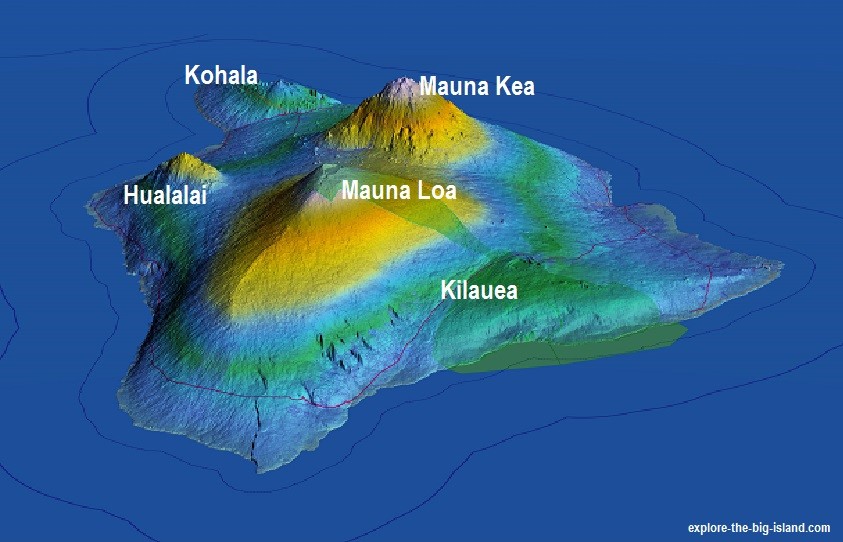
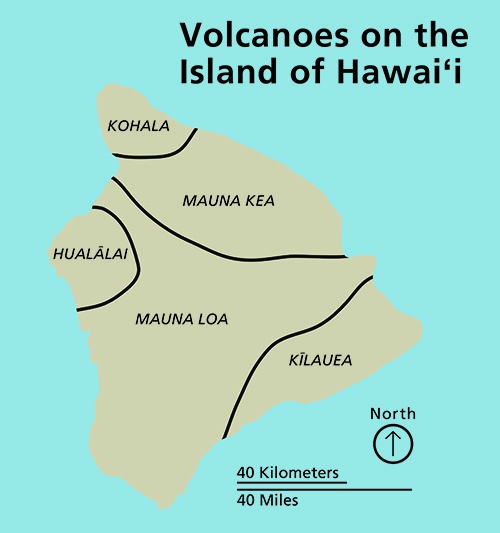
The Big Island is the youngest and most volcanically active member of the chain. It is constructed from five distinct shield volcanoes. These mountains—Mauna Kea, Mauna Loa, Kilauea, Hualalai, and Kohala—each possess a unique geological personality. Kohala is the oldest of the five and has been extinct for over 100,000 years, while Kilauea remains one of the most active volcanoes on Earth, consistently reshaping the landscape of Volcanoes National Park.
Exploring the Active Giants
For those visiting the islands, the opportunity to stand on the slopes of an active volcano is a singular experience. It is a humbling reminder of the constant creation of land, a process that has been ongoing for millions of years.
Kilauea: The Ever-Changing Landscape
Kilauea is the crown jewel of volcanic tourism. Known in Hawaiian mythology as the home of the fire goddess Pele, this volcano’s frequent eruptions have allowed scientists and visitors alike to witness the birth of new rock. Whether you are trekking through the Thurston Lava Tube or gazing across the Halemaumau Crater, the atmosphere is charged with a primal energy that is found nowhere else in the United States.
Mauna Loa: The World’s Largest Volcano
While Kilauea gets the fame for its activity, Mauna Loa holds the title for sheer volume. It is technically the largest subaerial volcano on the planet, comprising a massive portion of the landmass of the Big Island. A hike up its slopes reveals a stark, moon-like terrain of hardened lava flows that stretch toward the horizon. It is a powerful reminder that while the islands are synonymous with tropical luxury, they are fundamentally rugged, untamed geological formations.
Ancient Peaks and Dormant Giants
Beyond the active centers, the older islands offer a different perspective on the lifecycle of a volcano. As the Pacific Plate moves over the stationary volcanic hotspot, the islands are slowly carried away from their magma source, eventually leading to their extinction and subsequent erosion.
The Erosion of Oahu and Kauai
On Oahu, the remnants of two massive shield volcanoes, Waianae and Koolau, are still clearly visible. Over millions of years, wind and rain have carved these once-mighty craters into the dramatic ridges and valleys that define the Koʻolau Range. Similarly, on Kauai, the extinct Mount Waialeale has been weathered into the stunning, jagged cliffs of the Na Pali Coast. These landmarks prove that even the most powerful mountains eventually succumb to the slow, steady force of nature.
The Submerged Future: Loihi
While we categorize the current islands as the primary volcanic locations, the cycle is far from finished. Beneath the surface, off the southeastern coast of the Big Island, a new volcano is currently forming. Known as Kamaohuakanaloa—formerly called Loihi—this seamount is growing steadily. In several hundred thousand years, it will likely break the surface to become the next island in the Hawaiian chain.

Travel Tips for Volcano Enthusiasts
Visiting these geological marvels requires careful planning and a deep respect for the environment. Whether you are exploring Hawaii Volcanoes National Park or hiking the dormant peaks of Maui, your safety and the preservation of the land should be your top priorities.
- Check Conditions: Volcanoes are dynamic environments. Before setting out to explore Kilauea or Mauna Loa, always check the official National Park Service website for air quality alerts and trail closures.
- Respect the Culture: To the Native Hawaiians, these mountains are sacred ancestral lands. Treat the terrain with reverence, remain on marked trails, and never remove lava rocks or sand as souvenirs.
- Prepare for Elevation: If you are visiting Mauna Kea for stargazing, be aware that the summit reaches over 13,000 feet. Altitude sickness is a real concern; allow yourself time to acclimate at the visitor center before proceeding higher.
- Pack Accordingly: Volcanic terrain is sharp and unforgiving. Sturdy hiking boots, long pants, and layers of clothing are necessary, as temperatures can drop significantly as you ascend these massive shield volcanoes.
The story of the Hawaiian Islands is a story of fire and water. By understanding the number and nature of the volcanoes that built this paradise, travelers can gain a much deeper appreciation for the landscapes they visit. From the active craters on the Big Island to the weathered, emerald-cloaked ridges of Kauai, each peak tells a chapter in a geological epic that continues to unfold today. As you walk across the ancient lava flows and gaze up at the summits that pierce the clouds, remember that you are standing on the edge of a living world, a place where the earth is constantly remaking itself in the heart of the Pacific Ocean.
LifeOutOfTheBox is a participant in the Amazon Services LLC Associates Program, an affiliate advertising program designed to provide a means for sites to earn advertising fees by advertising and linking to Amazon.com. Amazon, the Amazon logo, AmazonSupply, and the AmazonSupply logo are trademarks of Amazon.com, Inc. or its affiliates. As an Amazon Associate we earn affiliate commissions from qualifying purchases.