
The Hawaiian archipelago is defined by fire and water, a chain of volcanic islands birthed from the depths of the Pacific Ocean. For travelers and geology enthusiasts alike, understanding the volcanic nature of Hawaii is essential to appreciating the landscape’s dramatic beauty. While many assume that all of the islands are bubbling with activity, the reality is a nuanced mix of dormant giants and restless, active craters.
Understanding Hawaii’s Volcanic Geography
The islands of Hawaii were formed by a “hotspot”—a stationary plume of magma rising from deep within the Earth’s mantle. As the Pacific Plate moves slowly over this hotspot, new volcanoes are created, while older ones are carried away from their heat source, eventually becoming extinct.
The Lifespan of a Shield Volcano
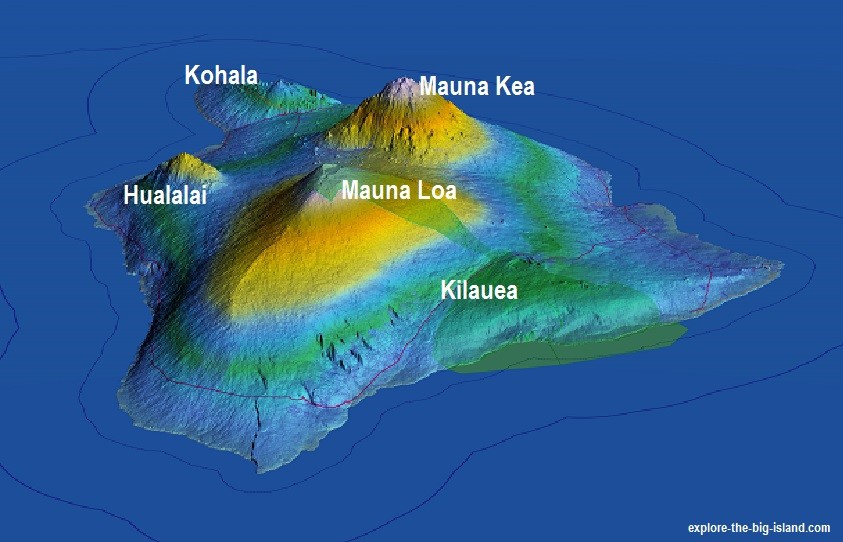
Most of the volcanoes in Hawaii are shield volcanoes, characterized by broad, gently sloping sides built by non-explosive lava flows. Throughout their lifespan, these volcanoes transition through several distinct stages: the submarine stage, the shield-building stage, the post-shield stage, and eventually, the erosional and reef-building stages. When visitors explore Oahu or Kauai, they are walking upon the ancient, eroded remains of volcanoes that have been dormant for millions of years.
The Hotspot Progression
Because of the plate movement, the volcanoes in the northwest are the oldest, while those in the southeast—specifically on the Big Island—are the youngest and most active. This geographic progression explains why you can find lush, eroded canyons on Kauai and fresh, black lava fields on the Big Island.
The Currently Active Volcanoes
When scientists discuss “active” volcanoes, they refer to those that have erupted in recent history and maintain the potential to erupt again. In Hawaii, the activity is currently concentrated on the Big Island, which hosts the most scientifically significant volcanic systems in the state.
Kilauea: The Ever-Changing Giant
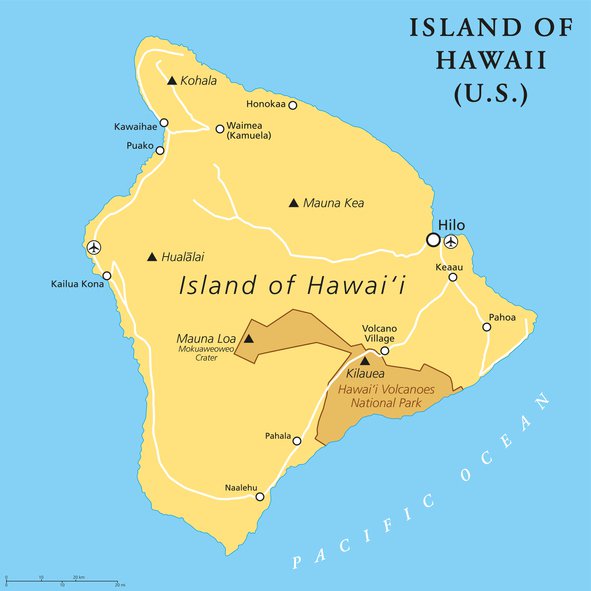
Kilauea is arguably the most famous and active volcano in the world. Located within Hawaii Volcanoes National Park, this shield volcano has been in a state of nearly constant eruption for decades. Its activity is defined by effusive lava flows, frequent summit collapses, and the creation of new land as molten rock meets the sea. Visitors flock to the park to witness the glowing vents and hardened lava flows that reshape the topography of the island almost annually.
Mauna Loa: The World’s Largest Volcano
Towering over the Big Island, Mauna Loa is a massive shield volcano that ranks as one of the largest subaerial volcanoes on Earth. While it remains dormant for long stretches of time, its sheer mass and history of frequent, high-volume eruptions classify it as highly active. A recent eruption in late 2022 served as a stark reminder of the mountain’s power, sending lava flows toward the northern part of the island. Monitoring this giant is a primary priority for the Hawaiian Volcano Observatory, which tracks seismic signals to predict potential future events.

Kama‘ehuakanaloa: The Hidden Volcano
Formerly known as Loihi, Kamaehuakanaloa is a submarine volcano currently forming off the southern coast of the Big Island. It has not yet broken the surface of the Pacific Ocean, but it is geologically active and growing. Scientists estimate that it will take tens of thousands of years for this seamount to rise above sea level and join the chain of islands. For now, it remains a fascinating subject for oceanographers and volcanologists studying the earliest stages of Hawaiian island formation.
Dormant and Extinct Volcanic Sites
While the Big Island grabs the headlines for its eruptive activity, the rest of the archipelago is home to impressive volcanic landmarks that are either dormant or extinct. Exploring these sites offers a glimpse into the geological past of Hawaii.
Mauna Kea
Mauna Kea is a dormant shield volcano and the tallest mountain in the world when measured from its base on the ocean floor. While it has not erupted for approximately 4,000 to 6,000 years, it is still considered geologically active. Its summit is a site of extreme geological and scientific importance, home to world-class observatories that take advantage of the thin, clear air at its peak.
Hualalai
Located on the western side of the Big Island, Hualalai is a dormant volcano that remains a subject of intense scientific interest. It last erupted in 1801, and while it is currently quiet, it is considered potentially active. Because it sits near populated areas like Kailua-Kona, local authorities closely monitor its seismic activity.
Iconic Erosional Landmarks
Across the other islands, many famous landmarks are the remnants of ancient, extinct volcanoes. Diamond Head on Oahu is a classic example—a volcanic tuff cone that provides sweeping views of Waikiki and the coastline. Similarly, the Haleakala crater on Maui represents a massive, dormant shield volcano that dominates the landscape, offering a surreal, moon-like environment for hikers and photographers.
Safety and Exploration Tips
Visiting a land of active volcanoes requires a balance of awe and caution. Hawaii provides world-class infrastructure for visitors to explore these natural wonders, but adhering to safety protocols is mandatory for anyone venturing near volcanic zones.
Respecting Volcanic Hazards
When visiting places like Hawaii Volcanoes National Park, it is critical to stay on marked trails and respect the boundaries set by rangers. Volcanic gases, shifting ground, and unpredictable lava flows pose significant risks. Always check the official updates provided by the United States Geological Survey before planning your trip, especially if you intend to visit remote areas of the Big Island.
The Best Way to Experience the Volcanoes
The best way to appreciate the volcanic nature of these islands is to diversify your itinerary:
- Hiking: Traverse the crater floors of Kilauea to experience the raw, sulfur-stained landscape up close.
- Stargazing: Visit the summit of Mauna Kea for an unparalleled view of the night sky, far away from light pollution.
- Aerial Tours: Consider a helicopter tour over the Big Island to gain a bird’s-eye perspective of the expansive lava fields and the sheer scale of Mauna Loa.
- Cultural Sites: Learn about the history and mythology associated with the volcanoes, particularly the stories of Pele, the Hawaiian goddess of fire, which are deeply intertwined with the geology of the islands.
Planning Your Adventure
Whether you are a seasoned hiker or a casual tourist, the volcanic beauty of Hawaii is best experienced by understanding the timeline of its creation. From the deep-sea formation of Kamaehuakanaloa to the ancient, lush slopes of Kauai, each island tells a chapter of the same story. By respecting the land and remaining informed about the current volcanic status, you can ensure a safe and unforgettable journey into the heart of the Pacific’s most volatile and vibrant landscape.
LifeOutOfTheBox is a participant in the Amazon Services LLC Associates Program, an affiliate advertising program designed to provide a means for sites to earn advertising fees by advertising and linking to Amazon.com. Amazon, the Amazon logo, AmazonSupply, and the AmazonSupply logo are trademarks of Amazon.com, Inc. or its affiliates. As an Amazon Associate we earn affiliate commissions from qualifying purchases.