
Understanding the electorate in the Lone Star State is crucial for anyone interested in the political landscape of Texas, from seasoned political analysts to casual observers of American democracy. The sheer size of Texas and its dynamic population growth present a complex and ever-shifting picture of voter participation. This exploration delves into the numbers, trends, and factors that define the Texan voting base.
The Scale of the Texan Electorate
Defining “voters” can be approached in several ways, each offering a distinct perspective on the state’s political engagement. The most straightforward metric is the number of registered voters, which represents individuals legally entitled to cast a ballot. However, this figure doesn’t directly translate to actual participation, as not all registered voters will turn out on election day. A more precise, though often more difficult to quantify, metric is the number of actual votes cast in a given election.
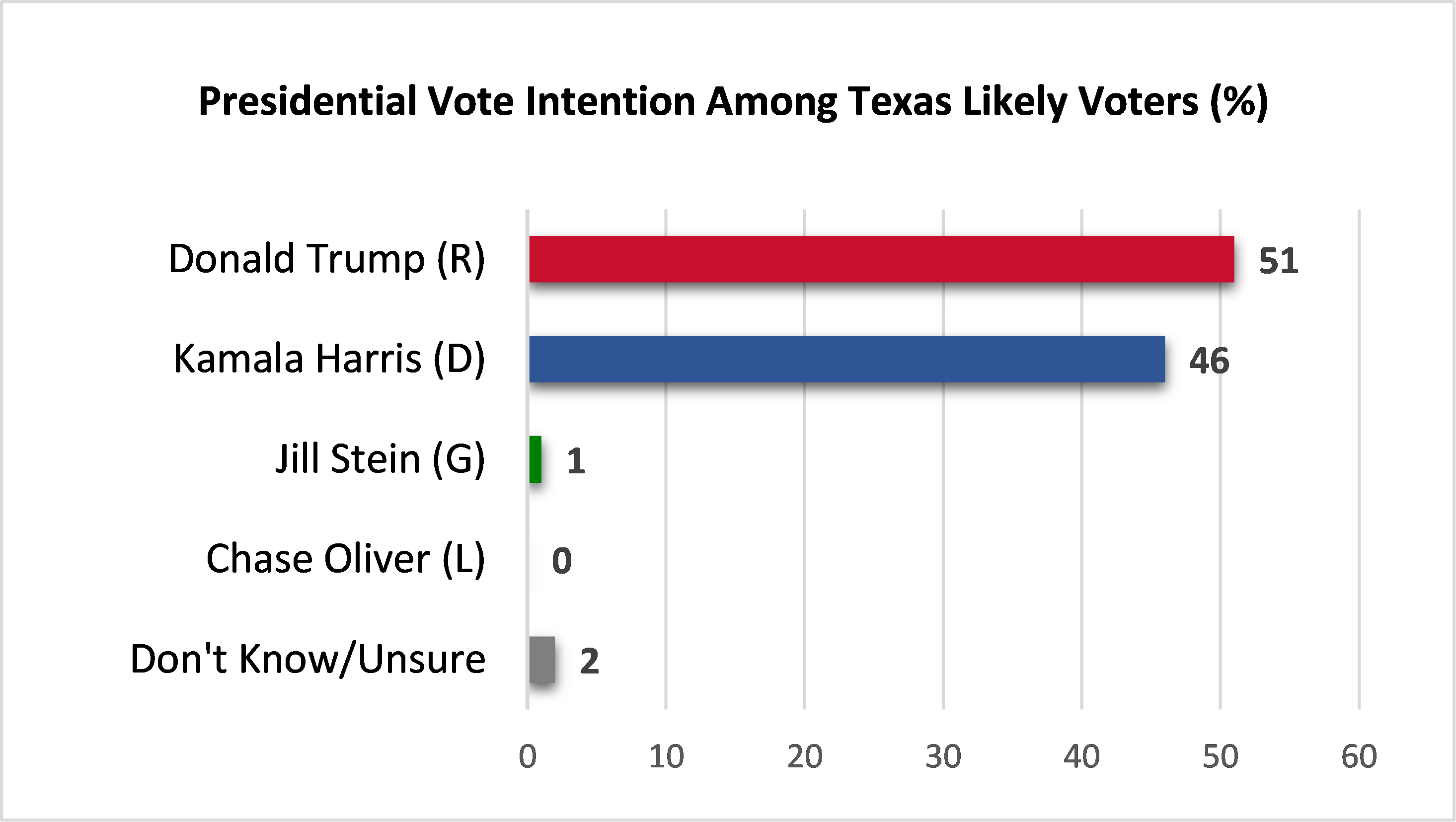
Registered Voters: The Potential Electorate
Texas consistently ranks among the states with the largest number of registered voters in the United States. As of recent data, the number of registered voters in Texas hovers around the 16 million mark. This figure is a testament to the state’s substantial population, which has seen significant growth in recent decades, fueled by both natural increase and migration. The process of voter registration itself is a key component of the electoral system, with efforts by various organizations and government bodies aimed at encouraging eligible citizens to register. Factors such as the ease of registration, demographic characteristics of the population, and political climate can all influence the overall number of registered voters.
Active vs. Inactive Voters
Within the registry, an important distinction is often made between active and inactive voters. Electoral officials periodically purge voter rolls to remove individuals who have moved, passed away, or otherwise become ineligible. Those who remain on the rolls and have participated in recent elections are typically classified as active. This distinction is important for administrative purposes and can provide insights into the stability and engagement of the electorate. While the total number of registered voters provides a ceiling, the number of active registered voters offers a more refined picture of those most likely to participate.
Voter Turnout: From Registration to the Ballot Box
The true measure of democratic engagement lies in voter turnout – the percentage of eligible or registered voters who cast a ballot. Texas has historically experienced voter turnout rates that vary significantly depending on the type of election. Presidential election years typically see the highest turnout, driven by national interest and the perceived high stakes of the presidential race. Midterm elections, while important, often see a dip in participation. Local elections, which have a direct impact on communities, can unfortunately suffer from the lowest turnout rates.
Presidential Election Turnout
In recent presidential election cycles, Texas has seen a substantial number of votes cast. For instance, in the 2020 presidential election, over 11 million Texans cast their ballots, representing a significant portion of the registered voter base. This surge in participation reflects a highly engaged electorate, driven by the competitive nature of the political contests and intense campaigns waged across the state. The sheer volume of votes cast in Texas during these pivotal elections underscores its importance in the national electoral map.
Midterm and Local Election Turnout
While presidential years showcase high engagement, midterm and local elections in Texas often present a different story. Turnout rates for these elections can be considerably lower, sometimes falling below 50% of registered voters. This disparity highlights a persistent challenge in American democracy: mobilizing voters for non-presidential contests. Understanding the reasons behind this variation – including voter apathy, perceived lack of impact, or the intensity of campaign efforts – is crucial for those seeking to improve civic participation.
Factors Influencing Voter Participation in Texas

Several interconnected factors influence the number of voters in Texas and their likelihood of casting a ballot. These include demographic shifts, socioeconomic conditions, political mobilization efforts, and the evolving landscape of voting methods.
Demographic Dynamics
Texas is a state characterized by its diverse and rapidly changing demographics. A significant portion of the state’s population is Hispanic, and this growing demographic group represents a crucial bloc in electoral calculations. Age, education level, and urban versus rural residency also play significant roles. Younger voters, for example, tend to have lower turnout rates than older cohorts, while highly educated individuals are more likely to vote. The increasing suburbanization of Texas also contributes to shifts in the electorate, as suburban voters often have different political priorities and engagement patterns compared to those in urban centers or rural areas.
Socioeconomic Status and Education
There is a well-documented correlation between socioeconomic status, education, and voter turnout. Individuals with higher levels of education and higher incomes tend to participate in elections at greater rates. This is often attributed to a variety of factors, including greater awareness of political issues, a stronger sense of civic duty, and more flexible schedules that allow for voting. Conversely, lower socioeconomic status can present barriers to voting, such as inflexible work schedules, lack of transportation, or limited access to reliable information about elections. Addressing these disparities is a key concern for organizations aiming to ensure equitable access to the ballot box for all Texans.
Political Mobilization and Campaign Strategies
The effectiveness of political campaigns in mobilizing voters is a critical determinant of turnout. Parties and advocacy groups invest considerable resources in identifying potential supporters, educating them about candidates and issues, and encouraging them to register and vote. This can involve extensive grassroots organizing, sophisticated digital outreach, and targeted advertising. In Texas, where political contests can be highly competitive, these mobilization efforts can have a substantial impact on the final vote count. Understanding which communities are being targeted and the strategies employed offers insight into the dynamics of voter engagement.
Voting Methods and Accessibility
The methods by which Texans can cast their ballots have evolved significantly, particularly in recent years. The expansion of early voting options and the availability of mail-in voting (often referred to as absentee voting for specific circumstances) have aimed to increase accessibility and convenience. These changes can have a direct impact on turnout rates by removing some of the traditional barriers to voting, such as long lines at polling places or the need to take time off work. However, debates surrounding voting laws and access continue to be a prominent feature of the political landscape in Texas, with different perspectives on how best to ensure both secure and accessible elections.
The Significance of Texas Voters in the National Arena
The sheer number of voters in Texas makes the state a significant player in national elections. As the second-most populous state in the United States, Texas wields considerable influence in the Electoral College during presidential elections. Its growing electorate also makes it a key battleground for congressional races and a bellwether for broader political trends.
Electoral College Impact
Texas currently holds 40 electoral votes, a substantial portion of the 270 needed to win the presidency. This makes campaigns for president pay close attention to the state, even though it has historically voted Republican. The potential for Texas to shift or become more competitive in future elections is a recurring topic of discussion in national politics, underscoring the importance of understanding its voter base.

Congressional Representation and State Politics
Beyond the presidential race, the number of voters in Texas directly impacts its representation in the U.S. House of Representatives, which is reapportioned every decade based on population. Furthermore, state-level elections for governor, lieutenant governor, and legislative seats are often closely watched due to the state’s significant population and its influence on national policy debates. The decisions made by Texan voters at all levels of government have far-reaching consequences.
In conclusion, determining “how many voters in Texas?” is not a simple static calculation but rather a dynamic assessment of registered voters, active participants, and actual turnout. The interplay of demographic forces, socioeconomic factors, and political strategies creates a complex electoral mosaic that is central to understanding the present and future of American democracy.
LifeOutOfTheBox is a participant in the Amazon Services LLC Associates Program, an affiliate advertising program designed to provide a means for sites to earn advertising fees by advertising and linking to Amazon.com. Amazon, the Amazon logo, AmazonSupply, and the AmazonSupply logo are trademarks of Amazon.com, Inc. or its affiliates. As an Amazon Associate we earn affiliate commissions from qualifying purchases.