
Understanding the demographic and social landscape of a destination is often part of the due diligence for those researching the complex realities of life in the American West. When looking at the state of Nevada, one often encounters statistics that reflect the unique challenges of a transient, high-growth environment. While the state is primarily known for its vibrant tourism economy, it is also a place where mental health advocates and government health departments work diligently to address public health metrics, including suicide rates.
The Statistical Landscape of Nevada
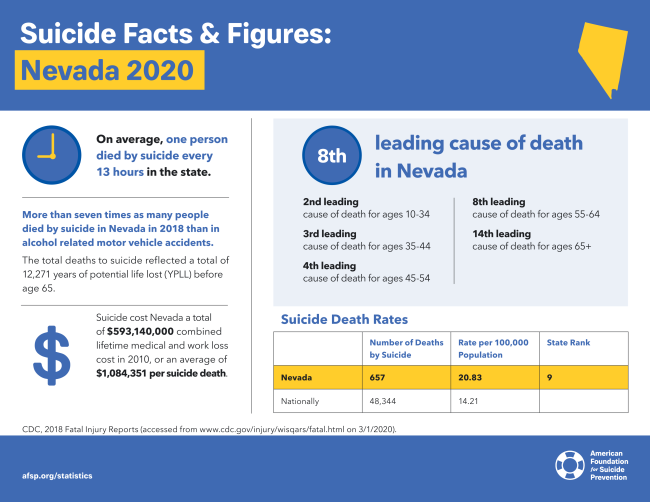
Analyzing health data in Nevada requires looking at comprehensive reports issued by the state’s Department of Health and Human Services. Historically, the Silver State has often reported suicide rates that are higher than the national average. Recent data indicates that the state typically sees between 600 and 700 deaths by suicide annually. These figures fluctuate based on economic cycles, public health initiatives, and demographic shifts within the state’s primary urban centers.

Factors Contributing to Public Health Metrics
Several factors are frequently cited by sociologists and health professionals when discussing these trends. Nevada is characterized by a high degree of transience, particularly in Las Vegas and Reno. When people move to a new location without an established social support network, they may experience higher levels of isolation. Furthermore, the 24-hour nature of the hospitality industry can impact sleep cycles and social engagement, creating unique stresses for those who reside in the state full-time rather than visiting for a brief vacation.
The Impact of Geography and Isolation
Outside of the major resort corridors, Nevada is a state defined by vast, open spaces. Rural counties, such as White Pine County or Elko County, often face different challenges than those found in the urban hubs. Limited access to specialized mental health facilities in remote areas can exacerbate existing issues, leading to disparities in health outcomes between the state’s metropolitan areas and its rural frontiers.
Public Health Initiatives and Community Response
Recognizing the gravity of these statistics, the state government and various non-profit organizations have prioritized suicide prevention. Efforts have transitioned from simple awareness campaigns to more integrated, community-based support systems. The state legislature has frequently allocated funds to bolster the “Zero Suicide” initiative, a framework designed to make health systems safer for individuals at risk.
Integration in the Hospitality Sector
Given that the tourism industry is the backbone of the economy, many large employers in Las Vegas have begun implementing employee wellness programs. These programs are designed to provide mental health resources to thousands of workers, recognizing that the health of the community is intrinsically linked to the health of those who maintain the world-class experiences enjoyed by visitors at iconic landmarks like the Bellagio or the Caesars Palace.
Education and Crisis Resources
Community-wide training in QPR—Question, Persuade, and Refer—has become a standard recommendation for citizens across Nevada. By empowering residents to recognize the warning signs in their friends, family, and colleagues, the state hopes to reduce the number of yearly fatalities. Crisis hotlines and digital health portals have been streamlined to ensure that help is accessible regardless of whether a person is in the heart of the Las Vegas Strip or the rugged terrain near Great Basin National Park.
Navigating Mental Health in a Transient State
For those moving to or residing in Nevada, it is important to be aware of the resources available. While the state is a premier destination for those seeking entertainment and adventure, the infrastructure for mental health is a vital component of the local social fabric.
Accessing Care in Urban Hubs
Las Vegas and Reno host the highest concentration of mental health professionals in the state. Private clinics, non-profit outreach programs, and major hospitals work in tandem to provide services that range from individual counseling to crisis intervention. Residents are encouraged to utilize state-sponsored databases to find licensed counselors who understand the specific stressors associated with the unique cultural dynamics of the region.
The Role of Social Connectivity
Sociologists emphasize that social connection is a primary protective factor. Despite its image as a place of fleeting encounters and short-term travel, Nevada possesses tight-knit local communities. Engaging with local hobby groups, community centers, and neighborhood associations is often recommended as a way to combat the isolation that can lead to deeper mental health struggles. Whether one is living near the Red Rock Canyon or closer to the bustling center of Henderson, building a local support network remains a critical part of health management.
Looking Toward the Future
The conversation surrounding mental health and suicide prevention in Nevada has shifted toward a more proactive stance. By acknowledging the reality of the statistics, the state is moving toward a model where prevention is integrated into the daily experience of its residents. As the population continues to grow and diversify, the challenge for policy makers remains consistent: providing equitable access to care across a landscape that is both beautiful and challenging.
Data Transparency and Continued Progress
The commitment to reporting accurate annual figures on suicides allows researchers to identify trends and adjust strategies accordingly. Transparency is viewed as a necessary tool in the fight against these preventable losses. With ongoing support from both the public and private sectors, the goal is to see a consistent downward trend in the number of suicides, ensuring that Nevada becomes a place where every resident has the opportunity to thrive.

Support for Those in Need
It is vital to reiterate that help is always available. The state of Nevada promotes various national and local resources for anyone experiencing a mental health crisis. Utilizing these services—whether it is a 24/7 hotline, a local mental health clinic, or community peer-support groups—can make a significant difference. For those visiting or living near major hubs like Carson City, taking that first step by reaching out to a professional or a support network is the most critical action one can take. By fostering a culture of compassion and readiness to help, the community works to protect its most vulnerable members and build a more resilient future.
LifeOutOfTheBox is a participant in the Amazon Services LLC Associates Program, an affiliate advertising program designed to provide a means for sites to earn advertising fees by advertising and linking to Amazon.com. Amazon, the Amazon logo, AmazonSupply, and the AmazonSupply logo are trademarks of Amazon.com, Inc. or its affiliates. As an Amazon Associate we earn affiliate commissions from qualifying purchases.