
The concept of the capsule hotel is synonymous with the urban landscape of Japan. Originally conceived as a utilitarian solution for overworked salarymen who missed the last train home, these modular sleeping pods have evolved into a diverse sector of the hospitality industry. For travelers planning a journey through the Land of the Rising Sun, understanding the cost of these unique accommodations is essential for effective budgeting. From basic pods to luxury “cabin” style rooms, the price of a stay varies significantly based on location, amenities, and the level of privacy offered.
Understanding the Cost Structure of Japanese Capsule Hotels
When analyzing how much capsule hotels cost in Japan, it is important to categorize them by their price tiers. On average, a night in a standard capsule hotel ranges from 2,500 JPY to 6,000 JPY (approximately $17 to $40 USD). However, this is a broad spectrum, and several factors influence the final booking price.
Standard and Budget Capsule Hotels
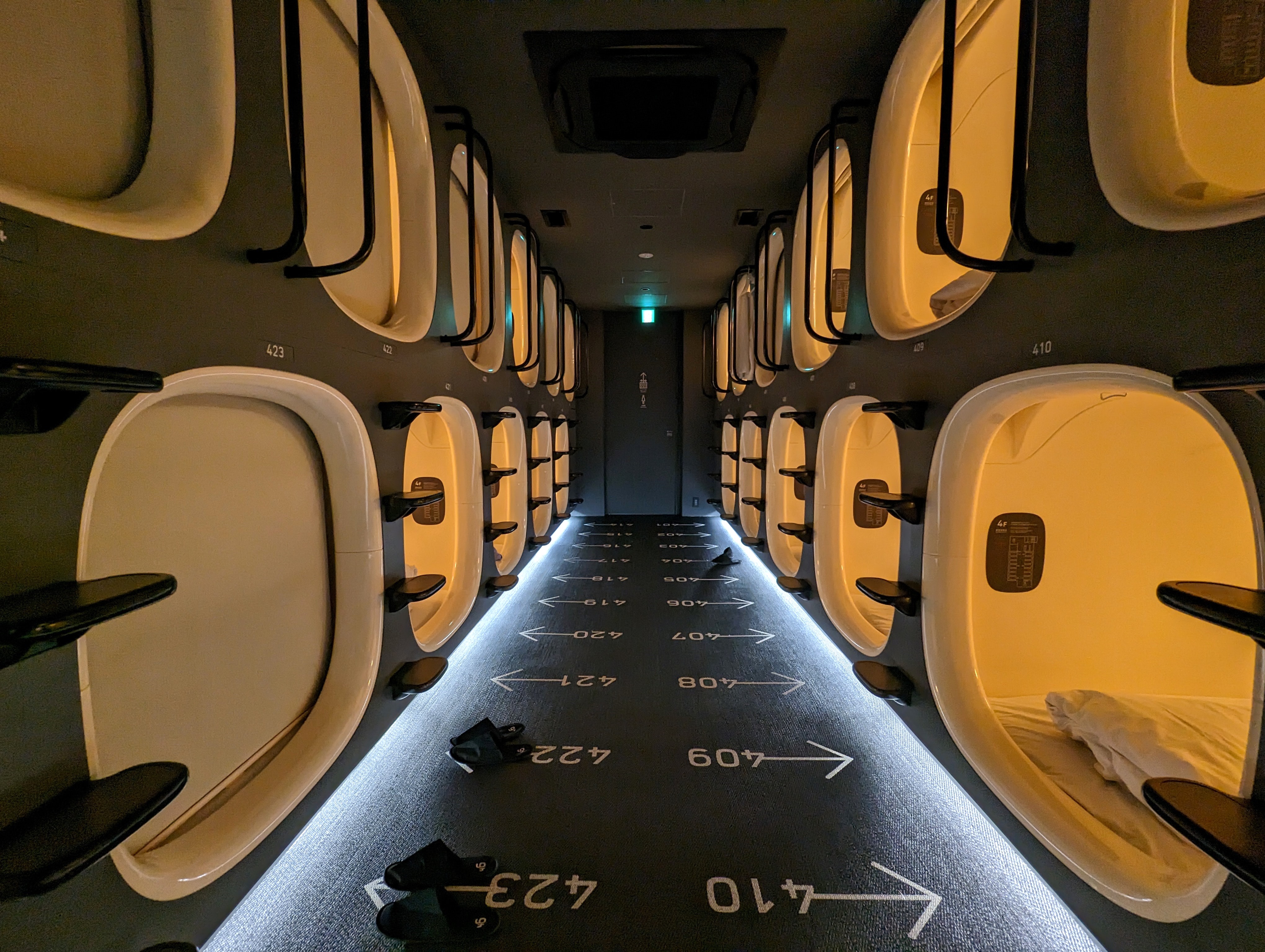
The most common type of capsule hotel caters to the budget-conscious traveler. In cities like Tokyo and Osaka, you can find basic pods for around 3,000 JPY per night. These facilities typically offer a clean, climate-controlled pod with a mattress, bedding, a light, and a power outlet. Shared facilities usually include communal showers, a large public bath (sento), and a locker area for luggage. Hotels like Nine Hours have revolutionized this segment by offering a minimalist, high-tech experience that focuses on the “9-hour” cycle: one hour to shower, seven hours to sleep, and one hour to get dressed.
Luxury and Boutique Pods
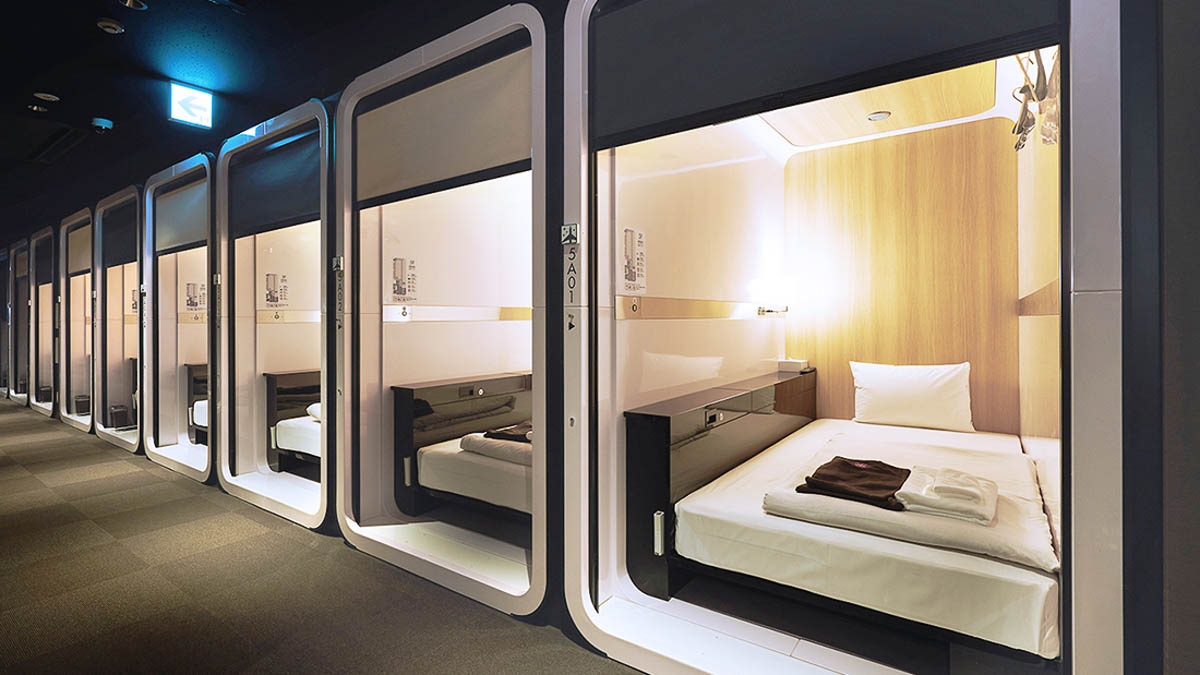
In recent years, the “luxury capsule” has emerged as a popular alternative to traditional mid-range hotels. These establishments, such as The Millennials or First Cabin, often charge between 6,000 JPY and 10,000 JPY per night. While still technically classified as capsule hotels because they lack a lockable door (due to Japanese fire laws regarding “simple lodging”), they offer significantly more space. First Cabin, for instance, designs its rooms based on airplane classes, with “First Class” cabins offering enough floor space to stand up and a small side table.
Seasonal and Weekly Fluctuations
Pricing in the Japan accommodation market is highly dynamic. During peak tourist seasons, such as the cherry blossom period in late March or Golden Week in early May, prices can double or even triple. A pod that costs 3,500 JPY on a Tuesday in November might reach 8,000 JPY on a Saturday night in Shinjuku during peak season. Travelers can often find better rates by booking through platforms like Agoda or Booking.com well in advance, or by utilizing Rakuten Travel, which is widely used within the country.
Location-Based Pricing Variations Across Japan
The geographical location of the hotel is perhaps the most significant determinant of price. Like any real estate market, central hubs with high demand command higher premiums.
Tokyo: The Premium Market
As the capital and largest city, Tokyo generally has the highest prices for capsule hotels. In popular districts such as Shibuya, Shinjuku, and Ginza, you should expect to pay at the higher end of the standard range. However, if you move toward residential or less touristy areas like Ueno or Asakusa, prices often drop by 20% to 30%. Book and Bed Tokyo, a famous “bookstore-themed” capsule hotel, offers a unique experience in Ikebukuro that blends accommodation with culture, usually priced around 5,000 JPY.
Osaka and Kyoto: Competitive Alternatives
Osaka is widely considered the birthplace of the capsule hotel, with the Capsule Inn Osaka being the first of its kind, designed by architect Kisho Kurokawa. Prices in Osaka, particularly in the Namba and Umeda districts, are often more competitive than in Tokyo, frequently hovering around the 3,000 JPY to 4,500 JPY mark. In Kyoto, the market is heavily influenced by the city’s status as a cultural capital. While you can find standard pods, there is a higher concentration of boutique and aesthetically pleasing capsule hotels that cater to tourists looking for a blend of tradition and modernity.
Regional Variations and Airport Capsules
In regional cities like Fukuoka, Sapporo, and Nagoya, capsule hotels are often significantly cheaper, sometimes dipping below 2,500 JPY for a basic stay. Conversely, airport-based capsule hotels, such as those located within Narita International Airport, Haneda Airport, or Kansai International Airport, charge a premium for convenience. These are ideal for travelers with early morning flights or long layovers, but a stay here can easily cost 6,000 JPY or more due to the convenience of staying within the terminal.
Amenities and Value-Added Services
When evaluating the cost of a capsule hotel, it is essential to consider what is included in the price. Unlike budget hostels in other parts of the world, Japanese capsule hotels provide a high level of service and many complimentary items that reduce the “hidden costs” of travel.
Comprehensive Amenity Kits
Most capsule hotels provide a set of amenities that would typically be found in a mid-range hotel. This usually includes a “yukata” (casual cotton kimono) or loungewear to wear within the facility, a set of towels, a toothbrush, and slippers. High-end chains like Anshin Oyado go a step further by offering complimentary soft drinks, massage chairs, and even a “miso soup” station. When you factor in the cost of these items and services, the 4,000 JPY to 5,000 JPY price tag becomes an excellent value proposition compared to a standard business hotel like APA Hotel.
Shared Spaces and Technology
The modern capsule hotel often includes communal workspaces, which is a major draw for digital nomads and business travelers. Facilities like The Millennials Kyoto feature high-speed Wi-Fi, stylish coworking lounges, and even free beer during certain evening hours. Furthermore, the technology within the pods themselves—such as integrated alarm clocks that gently wake you with light rather than sound, and high-quality headphones for the built-in television—adds to the perceived value.
Gender-Segregated Facilities
It is a standard practice in Japan for capsule hotels to be either gender-segregated by floor or entirely dedicated to one gender. Men-only capsule hotels are quite common, particularly older establishments that feature extensive sauna and spa facilities. However, there has been a significant rise in women-only capsule hotels, such as Nadeshiko Hotel Shibuya, which provide a safe and comfortable environment tailored to female travelers. These specialized facilities may carry a slightly higher price point due to the specialized services and enhanced security features they offer.
Comparative Value: Capsules vs. Other Accommodations
To truly understand if a capsule hotel is worth the price, one must compare it to other lodging options available in Japan.
Capsules vs. Business Hotels
A standard business hotel in a central city location typically costs between 8,000 JPY and 15,000 JPY. While these provide a private bathroom and a lockable door, the room size is often quite small. For a solo traveler, a capsule hotel at 4,000 JPY offers a 50% to 70% savings. If your primary goal is a place to sleep and shower while spending most of your day exploring Hiroshima or Yokohama, the capsule hotel is the more efficient choice.
Capsules vs. Hostels
Hostels in Japan are priced similarly to capsule hotels, often ranging from 2,500 JPY to 4,000 JPY for a bunk bed in a dormitory. However, capsule hotels offer a higher degree of privacy. In a hostel, you are in an open room with other people; in a capsule hotel, you have your own enclosed space. Furthermore, the cleanliness and “quiet culture” of Japanese capsule hotels often surpass that of international hostel chains, making them a preferred choice for those who value peace and order.

Capsules vs. Internet Cafes
For the ultimate budget traveler, Japan offers “Manga Cafes” or “Internet Cafes” where one can rent a booth for the night for as little as 2,000 JPY. While this is the cheapest option, it lacks the comfort of a real mattress and the professional hygiene standards of a dedicated capsule hotel. Most travelers find that the extra 1,000 JPY or 1,500 JPY required for a capsule hotel is a worthwhile investment for a better night’s sleep and access to proper bathing facilities.
Ultimately, the cost of a capsule hotel in Japan is a reflection of the country’s unique approach to space and efficiency. Whether you are looking for a minimalist pod in Akihabara or a luxurious cabin in Kyoto, these accommodations provide an affordable, safe, and quintessentially Japanese experience. By budgeting between 3,000 JPY and 6,000 JPY per night, most travelers can enjoy a high standard of hospitality that remains one of the most cost-effective ways to explore the country.
LifeOutOfTheBox is a participant in the Amazon Services LLC Associates Program, an affiliate advertising program designed to provide a means for sites to earn advertising fees by advertising and linking to Amazon.com. Amazon, the Amazon logo, AmazonSupply, and the AmazonSupply logo are trademarks of Amazon.com, Inc. or its affiliates. As an Amazon Associate we earn affiliate commissions from qualifying purchases.