
Traveling to Chicago by car offers unparalleled flexibility, allowing visitors to explore the bustling city center, its diverse neighborhoods, and the wider metropolitan area at their own pace. However, a crucial aspect of planning any road trip or driving within the Chicagoland region is understanding and budgeting for the extensive toll road system. Unlike some other major U.S. cities, many of the primary highways serving Chicago and its suburbs are part of the Illinois Tollway network, operating as a cashless system. Navigating these tolls efficiently can save travelers both time and unexpected fines, ensuring a smoother journey to the Windy City’s many attractions.
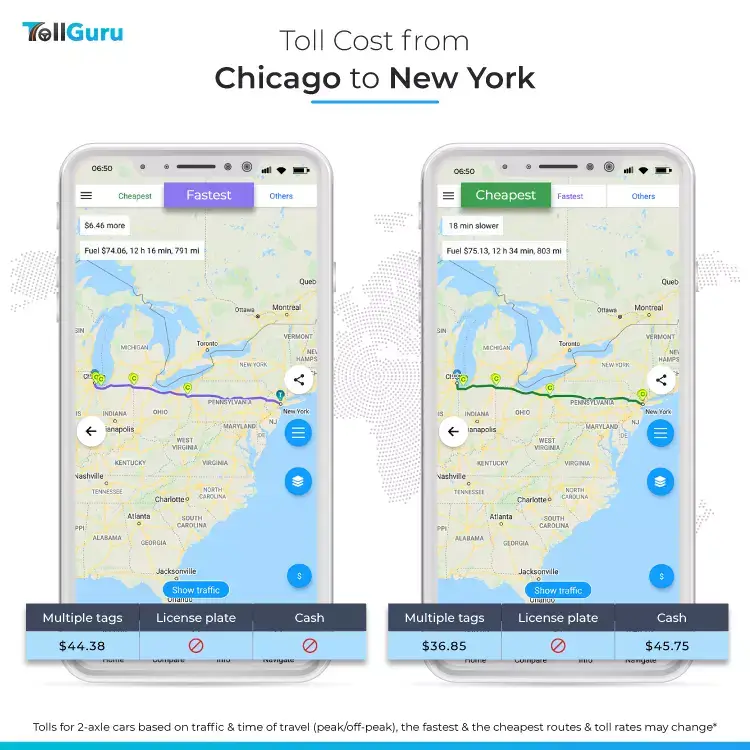
Understanding the Illinois Tollway System for Travelers
The Illinois Tollway manages 294 miles of interstate-standard roads across Northern Illinois, playing a vital role in connecting communities and facilitating travel. For visitors, understanding this system is paramount as many popular routes into and around Chicago are part of this network. The system is entirely electronic, meaning there are no tollbooths to stop at and pay cash. This efficiency is excellent for traffic flow but requires travelers to be prepared with a compatible transponder or to know how to pay online after their trip.
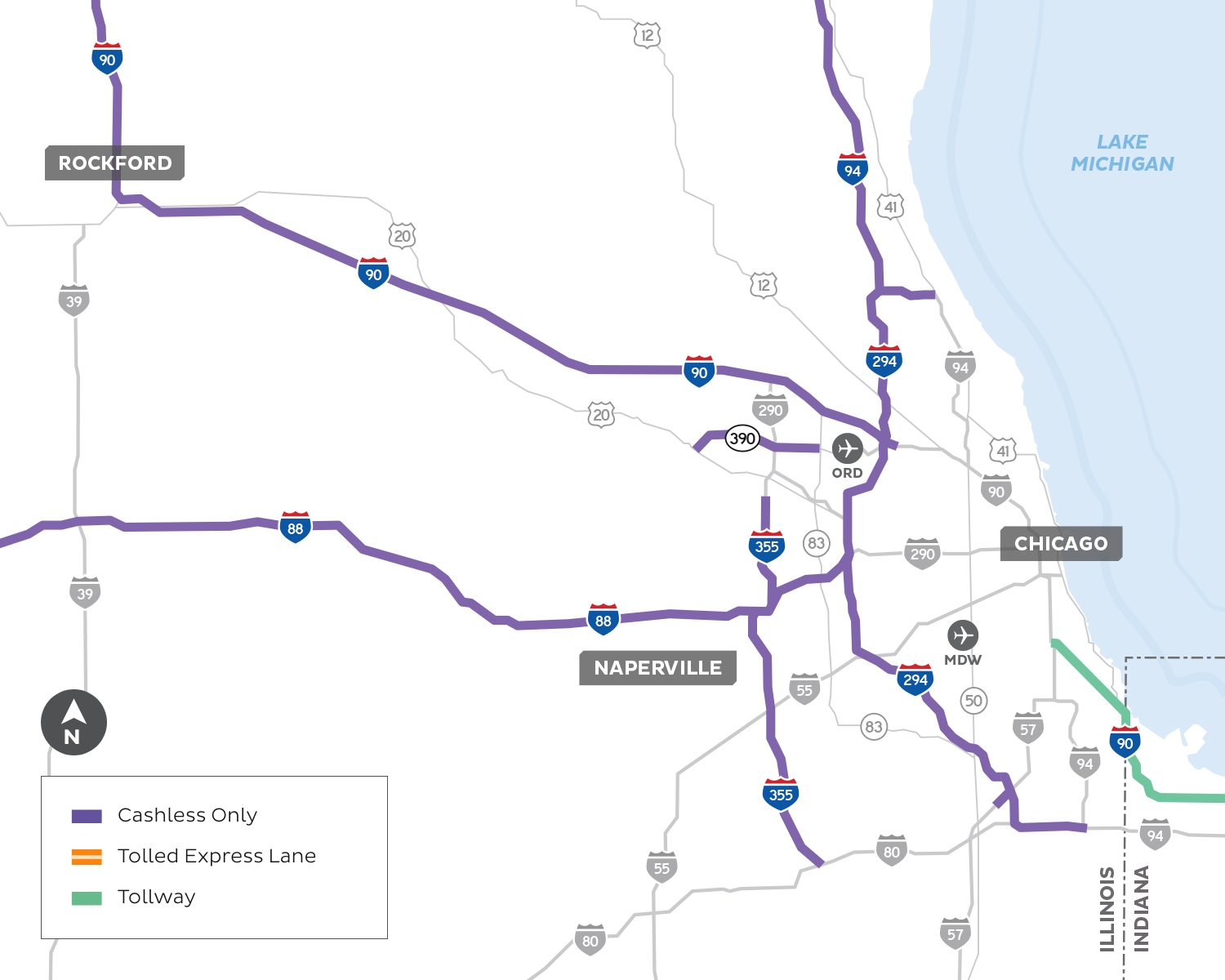
Key Toll Roads Around Chicago
Travelers will most frequently encounter several key toll roads that serve as major arteries into and around Chicago:
- Jane Addams Memorial Tollway (I-90): This is a critical route for travelers arriving from the northwest, particularly from Wisconsin or those heading to or from O’Hare International Airport. It connects Rockford and the far northwest suburbs to downtown Chicago.
- Ronald Reagan Memorial Tollway (I-88): Extending west from Chicago through the western suburbs, I-88 is vital for those traveling to or from cities like Aurora and Naperville, or further west towards Iowa.
- Veterans Memorial Tollway (I-355): This north-south route provides a bypass around the western side of the metropolitan area, connecting I-55 in the south to I-90 in the north, offering an alternative for travelers wanting to avoid downtown traffic.
- Tri-State Tollway (I-294): Circling the western and southern suburbs, I-294 is often used by travelers connecting between I-90 and I-80 or those heading to O’Hare International Airport from the south or east (Indiana). It’s a critical route for bypassing the immediate downtown area.
- Elgin O’Hare Western Access Tollway (I-390): This newer tollway provides direct access to O’Hare International Airport from the west, offering a more efficient route for those coming from Elgin and surrounding areas.
Each of these tollways consists of multiple toll points, with individual tolls varying based on the specific entry and exit points, the type of vehicle, and the payment method used.
Navigating Payment Methods and Avoiding Fines
The fully electronic nature of the Illinois Tollway system means that paying tolls requires proactive planning. There are no cash lanes, so drivers must use a transponder or pay online after passing a toll gantry. Failure to pay within the specified timeframe can result in significant fines and penalties, quickly turning a minor travel expense into a major headache.
The I-PASS System
The most convenient and cost-effective way to pay tolls in Illinois is with an I-PASS transponder. I-PASS users receive a significant discount (typically 50%) on tolls compared to paying online after the fact. While primarily used by Illinois residents and frequent commuters, travelers from other states may already have a compatible transponder. The Illinois Tollway is part of the broader E-ZPass network, meaning transponders from participating E-ZPass states are fully interoperable. If you have an E-ZPass from your home state, it will work seamlessly on the Illinois Tollway, and you will receive the same discounted rates as I-PASS users. This is a crucial detail for travelers coming from the East Coast or other regions within the E-ZPass network.
Pay Online: The Tourist’s Best Friend
For travelers without an I-PASS or E-ZPass transponder, the “Pay Online” option is the designated method. This system allows you to pay tolls using your license plate number. It’s imperative to pay your tolls within 14 days of your travel date to avoid fines.
Here’s how it works:
- Travel the Tollway: Drive through the electronic toll gantries without stopping.
- Visit the Website: Go to the Illinois Tollway “Pay My Last 14 Days of Tolls” section online.
- Enter Information: Input your license plate number, state of registration, and the dates of your travel. The system will then display any unpaid tolls associated with your vehicle.
- Pay: Complete the payment using a credit or debit card.
It is highly recommended to keep track of the specific dates you used the toll roads, or even better, make a habit of checking the online payment portal a day or two after your trip to ensure all tolls are captured and paid on time. Setting a calendar reminder for 10-12 days after your travel can be a good strategy to avoid missing the deadline.

Rental Cars and Tolls
Using a rental car in Chicago adds another layer of complexity to toll payment. Most major rental car companies offer their own toll payment programs (e.g., PlatePass, TollPass, or similar services). These programs typically involve a daily service fee, in addition to the actual toll charges, and can sometimes be quite expensive.
Before accepting a rental car’s toll program, travelers should:
- Understand the Fees: Ask the rental agent to explain all associated costs, including daily service charges and how tolls are billed.
- Consider Alternatives: It’s often more cost-effective for travelers to decline the rental car company’s toll program and instead use the Illinois Tollway “Pay Online” system directly. Ensure you explicitly opt out of their toll program to avoid being charged twice or incurring unnecessary fees.
- Record License Plate: Make sure to note down your rental car’s license plate number immediately upon pickup, as you’ll need it to pay tolls online.
While rental car toll programs offer convenience, the additional fees can quickly accumulate, making direct online payment a more budget-friendly option for many travelers.
Estimated Toll Costs for Popular Chicago Routes
Toll costs in Chicago are variable, depending on the specific route, the number of toll gantries passed, and whether you use a transponder or pay online. Generally, individual toll segments can range from a few cents to several dollars. For an average trip across the length of a major tollway, you might pay anywhere from $5 to $15 or more if paying online, and roughly half that with an I-PASS or E-ZPass.
Typical Routes and Their Toll Implications
To give a better idea, here are some common travel scenarios:
- Arrival from the North (Wisconsin via I-94 / Tri-State Tollway): Driving from the Wisconsin border down I-94 (which becomes the Tri-State Tollway / I-294 as it approaches Chicago) to downtown Chicago can involve multiple toll points. The total cost can vary, but expect several dollars for a one-way trip, potentially ranging from $5-$10 with online payment.
- Arrival from the West (Iowa via I-88): Travelers coming from the west on the Ronald Reagan Memorial Tollway (I-88) to reach downtown Chicago will also encounter a series of tolls. A full length trip on I-88 can add up, costing upwards of $10-$15 or more without a transponder.
- Arrival from the East (Indiana via I-90 / Indiana Toll Road or I-80 / I-94): While the Indiana Toll Road has its own toll system, once you cross into Illinois on I-90 (the Chicago Skyway, which is privately operated) or I-80 / I-94 (which connects to the Tri-State Tollway), you will face Illinois Tollway tolls. The Chicago Skyway itself has a separate, substantial toll.
- Accessing O’Hare International Airport or Midway International Airport: Both major Chicago airports are often accessed via toll roads. Driving to O’Hare International Airport from downtown via I-90 or the Tri-State Tollway will involve tolls. Similarly, routes to Midway International Airport might utilize portions of the Tri-State Tollway or other toll segments.
It’s important to note that specific toll rates can change, and the Elgin O’Hare Western Access Tollway (I-390) even implements variable pricing based on the time of day to manage congestion.
Planning Your Trip: Budgeting for Tolls
When planning your travel to Chicago by car, it’s essential to integrate toll costs into your overall travel budget. While tolls might seem like a small expense individually, they can quickly add up, especially if you plan to do a lot of driving around the metropolitan area or take multiple long trips on the tollways.
Utilizing Online Resources
The most accurate way to estimate your specific toll costs is to use the official Illinois Tollway website’s Toll Calculator. This tool allows you to input your exact entry and exit points, vehicle type, and payment method (transponder vs. pay online) to get a precise cost estimate for your journey. Many modern navigation apps like Google Maps and Waze also provide options to include or avoid toll roads when calculating routes, giving you a real-time overview of potential costs or alternative, toll-free (but often longer) paths.
Balancing Speed and Cost
For many travelers, the Illinois Tollway offers the most direct and efficient routes into and around Chicago. While it’s possible to find alternative, toll-free routes, these often involve significantly longer travel times, more local roads, and potentially heavier traffic, especially during peak hours. When budgeting, consider whether the savings from avoiding tolls are worth the extra time and potential frustration. For a seamless travel experience, particularly if your time in Chicago is limited, embracing the tollway system and planning for its costs is usually the most practical approach. A little foresight in understanding and preparing for Chicago tolls will ensure your focus remains on enjoying your destination rather than worrying about unexpected charges.
LifeOutOfTheBox is a participant in the Amazon Services LLC Associates Program, an affiliate advertising program designed to provide a means for sites to earn advertising fees by advertising and linking to Amazon.com. Amazon, the Amazon logo, AmazonSupply, and the AmazonSupply logo are trademarks of Amazon.com, Inc. or its affiliates. As an Amazon Associate we earn affiliate commissions from qualifying purchases.