
Embarking on a journey through the sun-drenched landscapes and vibrant cities of California is a dream for many travelers worldwide. From the iconic beaches of Malibu to the towering redwoods of the north, the Golden State offers an unparalleled array of experiences, attracting millions seeking adventure, relaxation, and a taste of its unique lifestyle. Whether you’re planning a luxurious escape to a five-star resort in Beverly Hills, a budget-friendly road trip along Highway 1, or a family vacation to world-renowned theme parks, understanding the full scope of travel expenses is paramount. Beyond accommodation, airfare, dining, and attractions, there are often subtle costs that can significantly impact your budget, one of which is the price of cigarettes. For those who smoke, the cost of a pack in California can be a surprising and substantial expense, far exceeding what many might expect from other parts of the United States or indeed the world. This article delves into the specifics of cigarette pricing in California, exploring why the costs are so high and how this might influence your travel planning and overall experience in this health-conscious state.

Understanding the Cost of Cigarettes in the Golden State
California has long been a trailblazer in public health initiatives, and its approach to tobacco control is no exception. The state has implemented some of the most stringent anti-smoking laws and highest tobacco taxes in the nation, all aimed at discouraging smoking and improving public health outcomes. This proactive stance directly translates into significantly higher prices for cigarettes, making them a notable line item for any traveler who smokes, regardless of their planned itinerary – from exploring the bustling streets of Los Angeles to unwinding in the serene vineyards of Napa Valley.
The Sticker Shock: Average Prices Across California
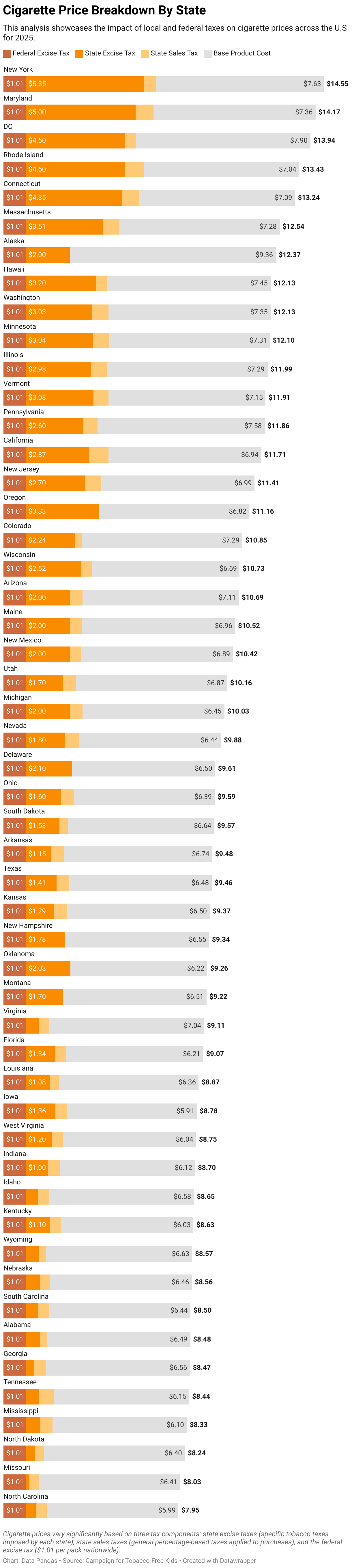
When you walk into a convenience store, gas station, or supermarket anywhere in California to purchase a pack of cigarettes, be prepared for a price tag that often elicits a double-take. While prices can fluctuate slightly based on the brand (premium versus value brands) and the specific retail outlet, the average cost for a standard pack of 20 cigarettes typically ranges between $8 to $15, with many popular brands falling squarely in the $10 to $12 range. This average is significantly higher than in many other states, where a pack might cost as little as $5 or $6. For a traveler planning a two-week stay who smokes a pack a day, this translates to an additional $140 to $210 added to their travel budget, a sum that could otherwise cover a night’s stay at a charming boutique hotel or a memorable dining experience.
The primary driver behind these elevated prices is taxation. California imposes a substantial state excise tax on cigarettes. As of early 2024, this tax adds an additional $2.87 per pack to the base price. This figure is layered on top of the federal excise tax, and then the standard state sales tax (which varies by county but averages around 7.25% to 10.75%) is applied to the total, including all excise taxes. This compounding effect means that a significant portion of what you pay for a pack of cigarettes goes directly into state coffers, funding various public health programs and anti-tobacco campaigns. Understanding this tax structure is key to grasping why the Golden State’s cigarette prices stand out so starkly.
Why So High? Taxation and Public Health Initiatives
California’s high cigarette prices are not an accidental byproduct but a deliberate policy choice rooted in a strong commitment to public health. The state has been at the forefront of the anti-tobacco movement for decades, implementing pioneering measures that have been emulated across the United States and beyond. A pivotal moment in this effort was the passage of Proposition 56 in 2016, which significantly increased the state’s tobacco excise tax. This ballot initiative raised the tax by $2.00 per pack, bringing the total state excise tax to its current level. The revenue generated from this tax hike is earmarked for a variety of purposes, including funding healthcare programs, tobacco prevention and cessation initiatives, medical research, and physician training.
This aggressive taxation policy serves a dual purpose. Firstly, it acts as a deterrent, making cigarettes less affordable and thereby discouraging new smokers from starting and encouraging current smokers to quit or reduce their consumption. Secondly, it generates substantial revenue that helps mitigate the healthcare costs associated with smoking-related illnesses. For a state that prides itself on its healthy, active lifestyle – from the wellness retreats in Palm Springs to the outdoor adventures in Yosemite National Park – these high taxes align perfectly with the broader cultural emphasis on well-being. Travelers accustomed to lower prices in their home states or countries might initially be surprised, but it’s important to view these costs through the lens of California’s comprehensive public health strategy. The high prices are an integral part of the state’s fabric, designed to foster a healthier environment for both residents and visitors alike.
Cigarette Costs and Your California Travel Budget
For many travelers, budgeting for a trip to California involves careful planning of flights, accommodation, dining, and activities. However, the often-overlooked cost of cigarettes can significantly inflate overall expenses, especially for longer stays or for those who smoke regularly. Integrating this expense into your financial planning is crucial for a smooth and stress-free vacation, ensuring you have ample funds left for the experiences that make California truly special, from exploring Disneyland Resort to traversing the Golden Gate Bridge.
Impact on Different Travel Styles: From Budget to Luxury
The financial impact of California’s cigarette prices can vary dramatically depending on your travel style and duration.
-
Budget Travelers: For those meticulously counting every dollar, the cost of cigarettes can be a substantial hit. A traveler opting for hostel stays, cooking their own meals, and relying on public transport might find that daily cigarette expenses erode a significant portion of their allocated budget for food or modest attractions. An extra $10-$15 per day, when combined with already high gas prices and parking fees in major cities like San Francisco or San Diego, can quickly derail careful financial planning, potentially forcing compromises on experiences or extending the trip’s cost beyond comfort levels. For a backpacker exploring the coastline from Santa Barbara down to Laguna Beach, these daily costs add up rapidly.
-
Luxury Travelers: Even for visitors indulging in the opulent amenities of a resort like the Beverly Wilshire, A Four Seasons Hotel or the Waldorf Astoria Beverly Hills, the higher price of cigarettes is noticeable, if not debilitating. While $10-$15 might not seem as impactful when daily expenses run into hundreds or thousands, it still represents an expense that could otherwise be allocated to an exquisite cocktail, a gourmet dessert, or a small souvenir. For those staying at an exclusive villa in Sonoma Valley or a beachfront suite at The Ritz-Carlton, Laguna Niguel, it’s simply another line item in a generally high-cost environment, albeit one that is significantly marked up due to state policies.
-
Family Trips: When traveling with family, every additional expense impacts the overall budget for shared experiences. The cost of cigarettes, while perhaps a personal indulgence, can reduce funds available for admission to family-friendly attractions like Universal Studios Hollywood or a memorable day at the Santa Monica Pier. Savvy parents often look for ways to optimize their travel spending, and factoring in the cost of tobacco products can reveal opportunities to reallocate funds to activities everyone can enjoy.
Ultimately, regardless of your chosen travel style, the elevated cost of cigarettes in California serves as a potent reminder to meticulously plan and account for all potential expenditures to ensure a truly enjoyable and financially predictable vacation.
Regional Price Variations: What to Expect in Major Destinations
While the state excise tax on cigarettes is uniform across California, local sales taxes and the pricing strategies of individual retailers mean that the exact price of a pack can still vary from one city or region to another. Generally, you can expect prices to be at the higher end of the spectrum in major metropolitan areas and popular tourist destinations, where the overall cost of living and doing business is already elevated.
-
Los Angeles and San Francisco: These two global cities, known for their high cost of living, typically feature some of the highest cigarette prices in the state. Expect to pay closer to the $12-$15 range for a standard pack in these urban centers, reflecting the premium associated with their bustling economies and concentrated populations. Whether you’re exploring the Hollywood Walk of Fame or visiting Alcatraz Island, convenience stores in these areas will likely present the steepest prices.
-
San Diego: As another popular coastal city, San Diego also maintains high prices for tobacco products, though they might occasionally be a dollar or two less than in Los Angeles or San Francisco for certain brands. The city’s vibrant tourism scene and military presence contribute to a steady demand, but high state taxes remain the dominant price factor. Historic landmarks like the Hotel del Coronado are surrounded by a retail environment where cigarette costs align with the general upscale nature of the area.
-
Napa Valley and Sonoma Valley: These renowned wine country destinations, catering to a more affluent clientele, might also see prices at the higher end. While the ambiance is one of sophisticated relaxation, the cost of incidental purchases like cigarettes will still reflect California’s state-wide policies and local overheads.
-
Inland and Smaller Cities (e.g., Sacramento, Oakland, San Jose): While still subject to the high state tax, you might occasionally find slightly lower prices in some of the less tourist-heavy or more suburban areas, though the difference is often marginal. The range of $10-$12 remains a very common expectation.
Travelers should also be aware that prices at airports, hotel gift shops, or tourist-centric outlets tend to be on the higher side compared to larger supermarkets or discount stores. Planning ahead by purchasing from larger retailers if possible could offer minimal savings, but the overarching tax structure ensures that cigarettes will remain an expensive commodity throughout your California adventure.
Navigating Smoking Regulations and Alternatives in California
Beyond the financial considerations, understanding California’s stringent smoking regulations is equally important for any traveler who uses tobacco products. The state’s commitment to public health extends not only to pricing but also to where and how tobacco can be consumed, creating a largely smoke-free environment that influences the tourism experience.
Where You Can and Cannot Smoke: A Tourist’s Guide
California has some of the strictest anti-smoking laws in the United States, and these apply uniformly to both residents and visitors. Being aware of these regulations is crucial to avoid fines and ensure a respectful interaction with the local environment.
-
Public Places: Smoking is generally prohibited in virtually all enclosed public places, including restaurants, bars, workplaces, and retail stores. This extends to many outdoor public spaces as well. You will find that most beaches, parks (including state and national parks like Joshua Tree National Park and Death Valley), and public buildings enforce strict no-smoking policies. Designated smoking areas, if they exist, are typically rare and often located far from main entrances or gathering spots.
-
Hotels and Accommodation: The vast majority of hotels, motels, and short-term rental properties in California are 100% smoke-free. Many establishments, from luxury resorts to budget apartments, levy significant cleaning fees (often hundreds of dollars) if evidence of smoking is found in a non-smoking room or suite. Always confirm the smoking policy with your chosen accommodation provider, such as the historic Hotel del Coronado or a contemporary San Jose hotel, before booking.
-
Age Restrictions: The legal age to purchase tobacco products, including cigarettes and vaping products, in California is 21 years old. Retailers strictly enforce this law, and anyone under this age attempting to purchase tobacco will be denied.
-
Vaping: Regulations for vaping (e-cigarettes) are largely similar to those for traditional cigarettes. Vaping is generally prohibited wherever smoking is prohibited, reflecting the state’s comprehensive approach to all tobacco and nicotine products.
Travelers should exercise caution and always look for posted signage regarding smoking restrictions. When in doubt, it’s always best to assume smoking is prohibited. This not only avoids potential legal issues but also shows respect for local laws and the preferences of non-smoking residents and visitors.

Lifestyle Choices and Travel Planning
Given the high cost and strict regulations surrounding cigarettes in California, many travelers consider adjusting their smoking habits during their trip. This can range from reducing consumption to opting for alternatives or even using the trip as an opportunity to quit.
-
Budgeting for All Expenses: For those determined to continue smoking, explicitly factoring cigarette costs into your daily travel budget is crucial. Consider how much you anticipate spending and allocate those funds, just as you would for meals or entrance fees to landmarks like the Hollywood Sign or a boat trip on Lake Tahoe. Overlooking this expense can lead to an unexpected deficit in your funds, impacting your enjoyment of other aspects of your California adventure.
-
Considering Alternatives: Some travelers choose to bring nicotine patches, gum, or other cessation aids from home, which may be more cost-effective than purchasing cigarettes in California. Others might see their vacation as an ideal time to reduce their nicotine intake or explore a temporary break from smoking, aligning with the state’s generally health-conscious ethos.
-
Focusing on California’s Wellness Vibe: California embodies a lifestyle centered around health, fitness, and outdoor activities. From hiking in Big Sur to cycling along the coast, there are countless opportunities to embrace a wellness-oriented vacation. For some, the high cost and inconvenience of smoking in California might naturally lead to prioritizing these healthier experiences, enriching their trip in unexpected ways.
In conclusion, while the allure of California remains undeniable for travelers seeking diverse experiences and stunning landmarks, the cost of cigarettes stands as a notable and often surprising expense. The state’s aggressive taxation and comprehensive public health policies ensure that tobacco products are among the most expensive in the United States, a deliberate effort to deter smoking. For travelers, this means careful budgeting and an awareness of strict regulations are essential. By understanding these factors, you can better plan your finances and enjoy all the incredible destinations and attractions the Golden State has to offer, without any unwelcome surprises from your cigarette budget. Embrace the California spirit of health and adventure, and let your trip be filled with memorable moments, perhaps even prompting a fresh perspective on lifestyle choices.
LifeOutOfTheBox is a participant in the Amazon Services LLC Associates Program, an affiliate advertising program designed to provide a means for sites to earn advertising fees by advertising and linking to Amazon.com. Amazon, the Amazon logo, AmazonSupply, and the AmazonSupply logo are trademarks of Amazon.com, Inc. or its affiliates. As an Amazon Associate we earn affiliate commissions from qualifying purchases.