
Navigating the real estate market in New York State can be an exciting yet complex endeavor, particularly when it comes to understanding the financial intricacies involved in purchasing a property. Among the most significant of these financial considerations are closing costs. These are the various fees and expenses incurred by both buyers and sellers at the end of a real estate transaction, typically paid at the closing appointment. For prospective homeowners and investors in New York State, a clear understanding of these costs is paramount to budgeting effectively and avoiding unwelcome surprises.
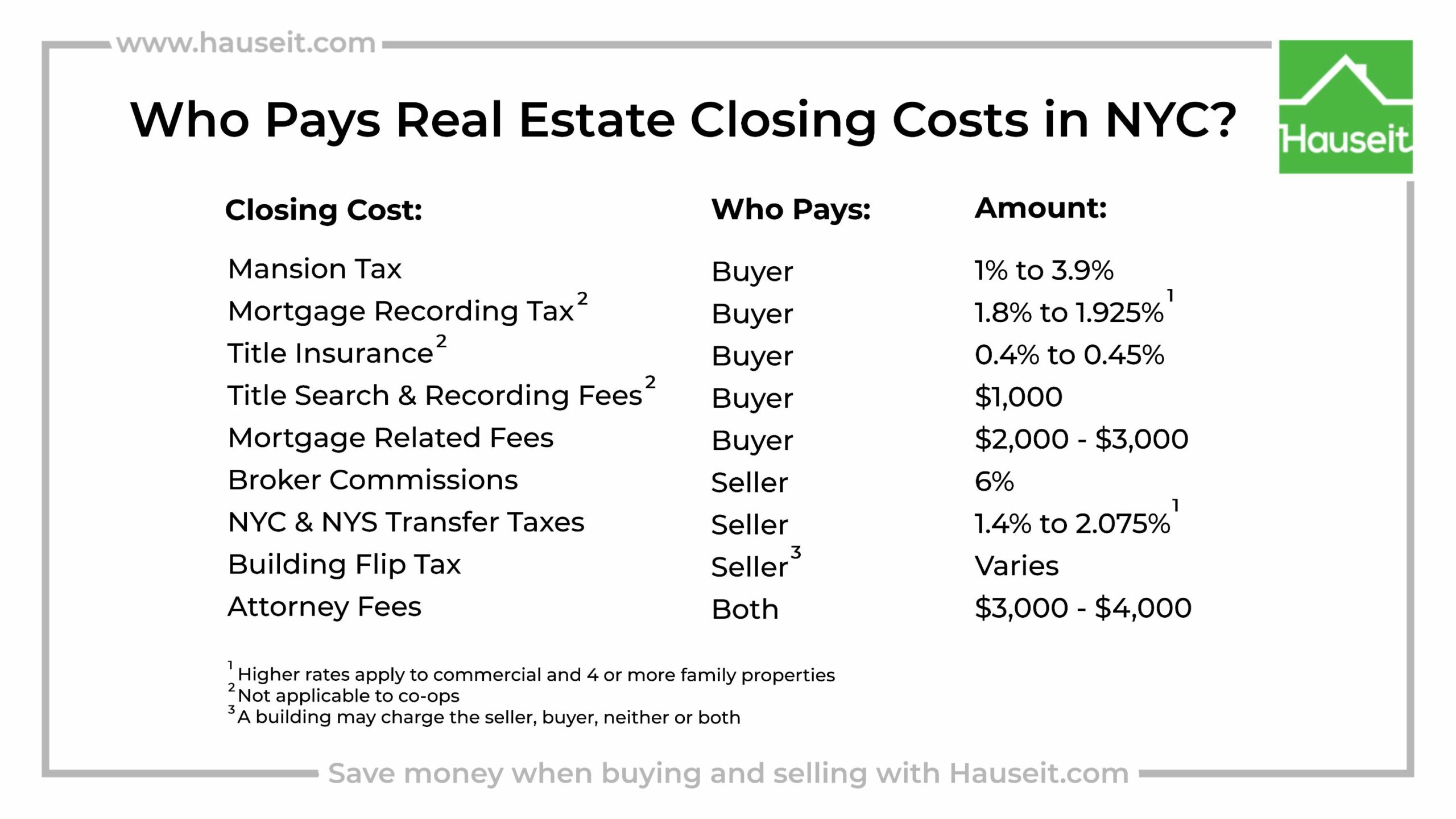
While the exact amount can fluctuate based on property value, location within New York State (whether it’s New York City, Buffalo, or a more rural area), and the specific terms of the sale, closing costs generally range from 2% to 5% of the loan amount. For a median-priced home, this could represent a substantial sum, making it essential to break down the typical components.
Understanding Buyer Closing Costs
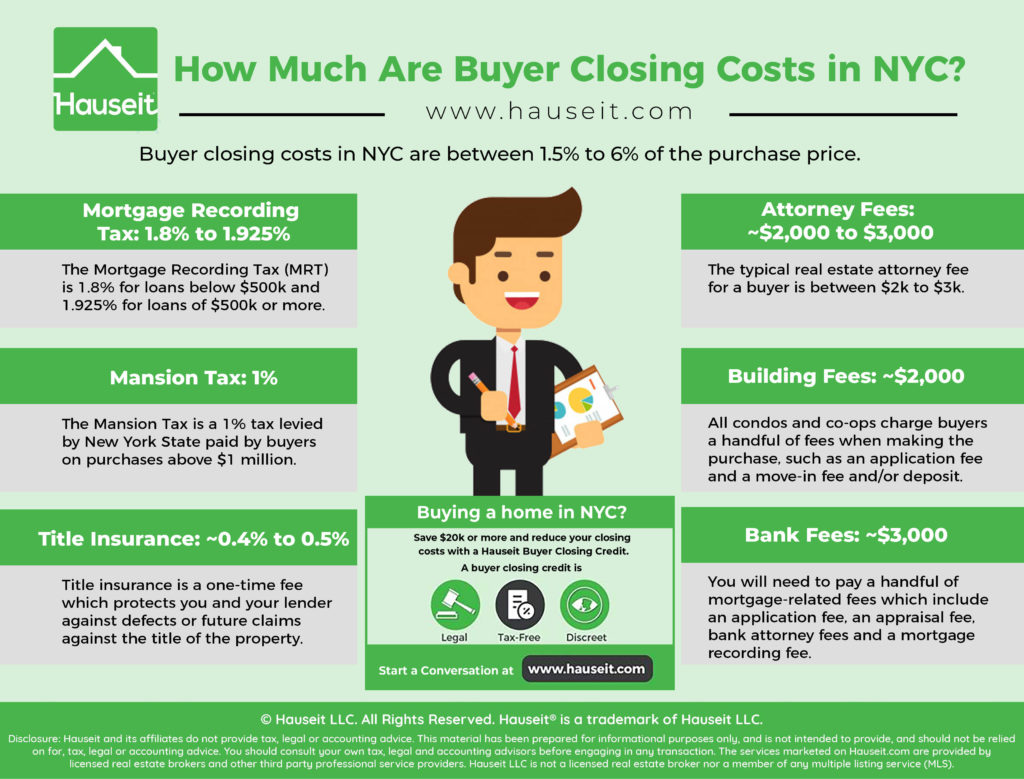
As a buyer, the closing costs you’ll encounter are multifaceted, reflecting the legal, financial, and administrative steps required to transfer ownership. These costs are often paid in addition to your down payment and the purchase price of the home.
Loan-Related Fees
A significant portion of buyer closing costs is tied to securing a mortgage.
Origination Fee
Lenders charge an origination fee for processing your loan application. This is typically a percentage of the loan amount, often around 0.5% to 1%. It covers the lender’s administrative expenses in underwriting and funding the loan.
Discount Points
These are optional fees paid directly to the lender at closing in exchange for a reduced interest rate on the loan. One point is equal to 1% of the loan amount. Whether buying points makes financial sense depends on how long you plan to stay in the home and the current interest rate environment.
Appraisal Fee
An appraiser is hired to provide an independent assessment of the property’s market value. Lenders require this to ensure the property is worth at least the amount of the loan. The fee typically ranges from $300 to $700.
Credit Report Fee
This fee covers the cost of obtaining your credit report from the major credit bureaus, which lenders use to assess your creditworthiness. It’s usually a modest amount, around $30 to $50.
Flood Certification Fee
If the property is located in a designated flood zone, a flood certification fee is required to determine its flood risk. This fee is generally between $20 and $30.
Title and Escrow Fees
Ensuring clear title to the property is a critical step, involving several associated fees.
Title Search Fee
A title company or attorney conducts a thorough search of public records to verify the seller’s ownership and identify any liens, easements, or other encumbrances on the property. The cost varies but can be a few hundred dollars.
Title Insurance
This is a crucial protection for both the lender and the buyer. Lender’s title insurance is almost always required by the mortgage lender to protect their investment. Owner’s title insurance is highly recommended to protect your equity in the home against future claims. Premiums are typically a one-time payment made at closing and can range from 0.5% to 1% of the sale price.
Escrow Fee (or Closing Fee)
This fee is paid to the title company or attorney acting as the escrow agent, who manages the closing process, holds funds, and ensures all parties fulfill their obligations before disbursing payments and transferring ownership. It can be a flat fee or a percentage of the sale price.
Government Fees and Taxes
Various government entities levy fees and taxes that must be paid at closing.
Recording Fees
Local government offices charge a fee to record the deed and mortgage in the public records, making the transfer of ownership official. These fees are generally modest, ranging from $50 to $200, depending on the county.
Transfer Taxes
New York State has real estate transfer taxes levied at both the state and local levels. In New York City, these taxes can be significant, especially for higher-priced properties. The rates vary by county and property value, often paid by the seller but sometimes negotiated to be split or paid by the buyer. For instance, on residential properties valued over $500,000 in New York City, the seller pays an additional “mansion tax” ranging from 1% to 3.75%.
Pre-Paid Items and Escrow Accounts
These are funds you pay upfront to cover future expenses.
Prepaid Interest
Mortgage interest is paid in arrears, meaning you pay interest for the period that has already passed. At closing, you’ll typically pay the interest that accrues from the closing date to the end of that month. For example, if you close on July 15th, you’ll pay interest for July 15th through July 31st.
Homeowners Insurance Premium
Lenders require you to have homeowners insurance in place before closing. You’ll typically need to pay the first year’s premium in full at closing.
Property Taxes and Homeowners Association (HOA) Dues
You will likely be required to deposit funds into an escrow account to cover upcoming property tax bills and HOA dues. This ensures that these payments are made on time. The amount deposited depends on the timing of tax assessments and HOA billing cycles.
Understanding Seller Closing Costs
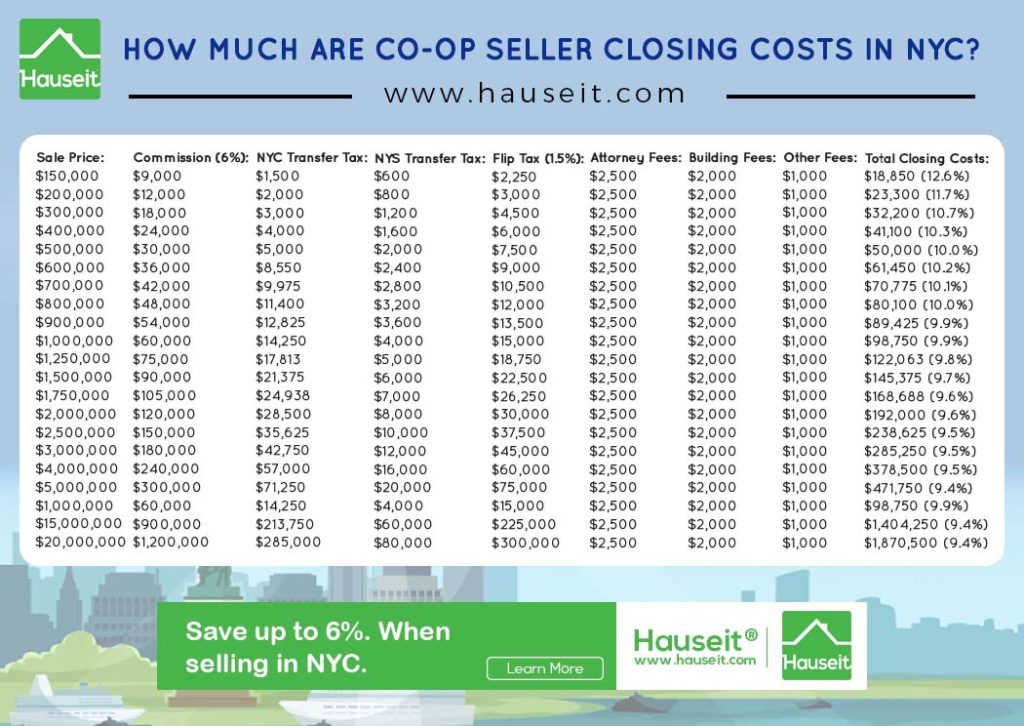
Sellers also incur closing costs, which are typically paid from the proceeds of the sale.
Real Estate Agent Commissions
This is often the largest closing cost for sellers. Real estate agents typically charge a commission, usually between 5% and 6% of the sale price, which is then split between the buyer’s agent and the seller’s agent.
Title Insurance (Owner’s Policy)
While often paid by the buyer in other states, in some parts of New York State, the seller may pay for the owner’s title insurance policy. This is a point of negotiation between buyer and seller.
Transfer Taxes
As mentioned, sellers are typically responsible for the state and local transfer taxes. The rates and responsibilities are clearly defined by New York State law.
Attorney Fees
Sellers will engage a real estate attorney to review and prepare contracts, handle negotiations, and ensure the transaction proceeds smoothly. Attorney fees can vary widely.
Recording Fees
Sellers may also have to pay fees to record the deed, though this is often a buyer’s expense.
Mortgage Payoff
If the seller still has an outstanding mortgage on the property, they will need to pay off the remaining balance at closing. This amount includes the principal, any accrued interest, and potentially a prepayment penalty if applicable.
Other Potential Seller Costs
This can include fees for releasing liens, paying outstanding utility bills, or covering costs associated with any agreed-upon repairs or credits to the buyer.
Factors Influencing Closing Costs in New York State
Several key factors can influence the total amount of closing costs you can expect in New York State.
Property Value
The higher the purchase price or loan amount, the greater most percentage-based closing costs will be, such as origination fees, title insurance, and transfer taxes in some cases.
Location Within New York State
Geographic location plays a significant role. New York City and its surrounding counties often have higher closing costs due to more complex regulations, higher real estate values, and more substantial transfer taxes. Areas outside the metropolitan region might see lower costs.
Type of Mortgage
The type of mortgage you obtain can affect closing costs. For instance, some government-backed loans, like an FHA loan, may have specific fees. The interest rate chosen also impacts prepaid interest and the potential for buying down the rate with discount points.
Negotiation and Seller Concessions
The final closing costs can be influenced by negotiations between the buyer and seller. A seller might agree to cover some of the buyer’s closing costs as a concession, especially in a buyer’s market or if the property has been on the market for a while.
Choice of Professionals
The fees charged by attorneys, title companies, and lenders can vary. It’s wise to shop around and get quotes from multiple providers to find competitive rates.
Strategies for Managing Closing Costs
While closing costs are an unavoidable part of real estate transactions, there are strategies buyers can employ to manage them effectively.
Budgeting in Advance
The most crucial step is to anticipate these costs from the outset. Work with your mortgage lender and real estate agent to obtain a Loan Estimate, which provides a detailed breakdown of anticipated closing costs. Add a buffer for unexpected expenses.
Negotiating Seller Concessions
As mentioned, you can try to negotiate with the seller to contribute towards your closing costs. This is a common practice, particularly when the seller is eager to sell.
Exploring Lender Credits
Some lenders may offer credits towards closing costs in exchange for a slightly higher interest rate on your loan. Weigh the long-term cost of a higher interest rate against the immediate benefit of reduced closing costs.
Shopping for Services
Don’t hesitate to compare fees for services like title insurance, appraisals, and attorneys. A difference of a few hundred dollars here and there can add up.
Looking at Different Loan Programs
Certain loan programs might have lower closing costs than others. For example, some first-time homebuyer programs in New York State may offer assistance with closing costs.
Understanding and planning for closing costs in New York State is an integral part of the home-buying process. By thoroughly understanding each component and exploring ways to manage these expenses, buyers can approach their real estate transactions with greater confidence and financial security.
LifeOutOfTheBox is a participant in the Amazon Services LLC Associates Program, an affiliate advertising program designed to provide a means for sites to earn advertising fees by advertising and linking to Amazon.com. Amazon, the Amazon logo, AmazonSupply, and the AmazonSupply logo are trademarks of Amazon.com, Inc. or its affiliates. As an Amazon Associate we earn affiliate commissions from qualifying purchases.