
Embarking on a fishing adventure in the vast and diverse landscapes of Texas offers a quintessential experience for anglers of all levels. From the sprawling Gulf Coast to the crystal-clear rivers and picturesque lakes dotted across the Lone Star State, the opportunities for a successful catch are abundant. However, before you cast your line, understanding the requirements for obtaining a fishing license is paramount. This guide delves into the specifics of Texas fishing license costs, types, and important considerations, ensuring your angling pursuits are both enjoyable and compliant with state regulations.

The Texas Parks and Wildlife Department (TPWD) is the governing body responsible for managing the state’s natural resources, including its fisheries. They meticulously set the pricing and guidelines for fishing licenses to support conservation efforts, habitat restoration, and the sustainable management of fish populations. Acquiring a license is not just a legal necessity; it’s a contribution to preserving the rich fishing heritage of Texas for future generations.
Understanding Texas Fishing License Options
The Texas Parks and Wildlife Department offers a comprehensive array of fishing licenses designed to cater to various needs, durations, and residency statuses. Navigating these options ensures you select the most cost-effective and suitable license for your intended fishing activities.
Resident Licenses: For the Texas Angler
For Texas residents, a variety of annual licenses are available, offering great value for those who plan to fish frequently throughout the year. The cornerstone of resident licensing is the Annual Resident Fishing License. This license grants access to public waters across the state for one year from the date of purchase. It’s the most popular choice for individuals who enjoy regular fishing trips to their favorite spots, whether it’s the serene shores of Lake Livingston or the dynamic waters of the Guadalupe River.
Beyond the general annual license, Texas also provides specialized endorsements and packages that can enhance your fishing experience. For instance, if you plan to fish in saltwater environments, such as the Gulf of Mexico near Galveston or Corpus Christi, you will need a Saltwater Fishing Stamp in addition to your base fishing license. This stamp specifically supports the management and conservation of marine species. Similarly, anglers targeting certain freshwater game fish might consider additional endorsements that contribute to specific management programs.
For seniors and certain disabled individuals, Texas offers discounted or free fishing licenses, demonstrating a commitment to accessibility and inclusivity in outdoor recreation. These options often require proof of age or disability status. Additionally, youth anglers under a certain age do not require a license, allowing younger generations to explore the joys of fishing without an initial financial barrier.
Non-Resident Licenses: For Visitors to Texas Waters
Visitors to Texas can also enjoy the state’s abundant fishing opportunities with a range of non-resident licenses. These are typically priced higher than resident licenses to reflect the state’s investment in resource management for its own citizens. Non-residents can opt for short-term licenses, such as a 1-Day Fishing License or a 5-Day Fishing License. These are ideal for tourists who plan a brief fishing excursion during their visit, perhaps a weekend getaway to a resort near Lake Travis or a quick fishing trip while exploring the natural beauty of the Texas Hill Country.
For non-residents who intend to fish more extensively throughout the year, an Annual Non-Resident Fishing License is available. While the initial cost is higher than a resident annual license, it provides unlimited fishing access for the entire year, which can be more economical for frequent visitors or those on extended stays, perhaps renting a vacation home in a prime fishing locale. Like resident licenses, non-resident licenses may also require additional stamps for saltwater fishing or specific game fish, depending on the angler’s target species and fishing location.
It is crucial for all anglers, both resident and non-resident, to familiarize themselves with the specific requirements for the type of fishing they intend to do. The TPWD website is an excellent resource for the most up-to-date information on license types, endorsements, and current pricing.
Pricing and Purchase Information
The cost of a fishing license in Texas varies based on residency status, the type of license, and any additional endorsements or stamps required. Understanding these pricing structures is essential for budgeting your fishing trips.
Resident License Costs
As of the most recent updates, a standard Annual Resident Fishing License typically costs around $30. This license provides access to both freshwater and saltwater fishing for the year. However, if you plan to fish in saltwater, you will need to purchase a Saltwater Fishing Stamp for an additional fee, usually around $10-$12. This combined license and stamp will cover your saltwater angling needs.
For individuals who only fish occasionally in saltwater, there might be an option for a Saltwater-Only License, which can sometimes be more cost-effective if freshwater fishing is not part of your plans. It’s always best to check the TPWD website for the latest pricing and to see if specific combinations offer savings.
There are also special licenses available for specific needs. For example, a Senior Resident Fishing License may be available at a reduced rate for residents aged 65 and older. Furthermore, disabled veterans and individuals with certain disabilities may qualify for discounted or even complimentary licenses, underscoring Texas’s commitment to making outdoor activities accessible.
Non-Resident License Costs
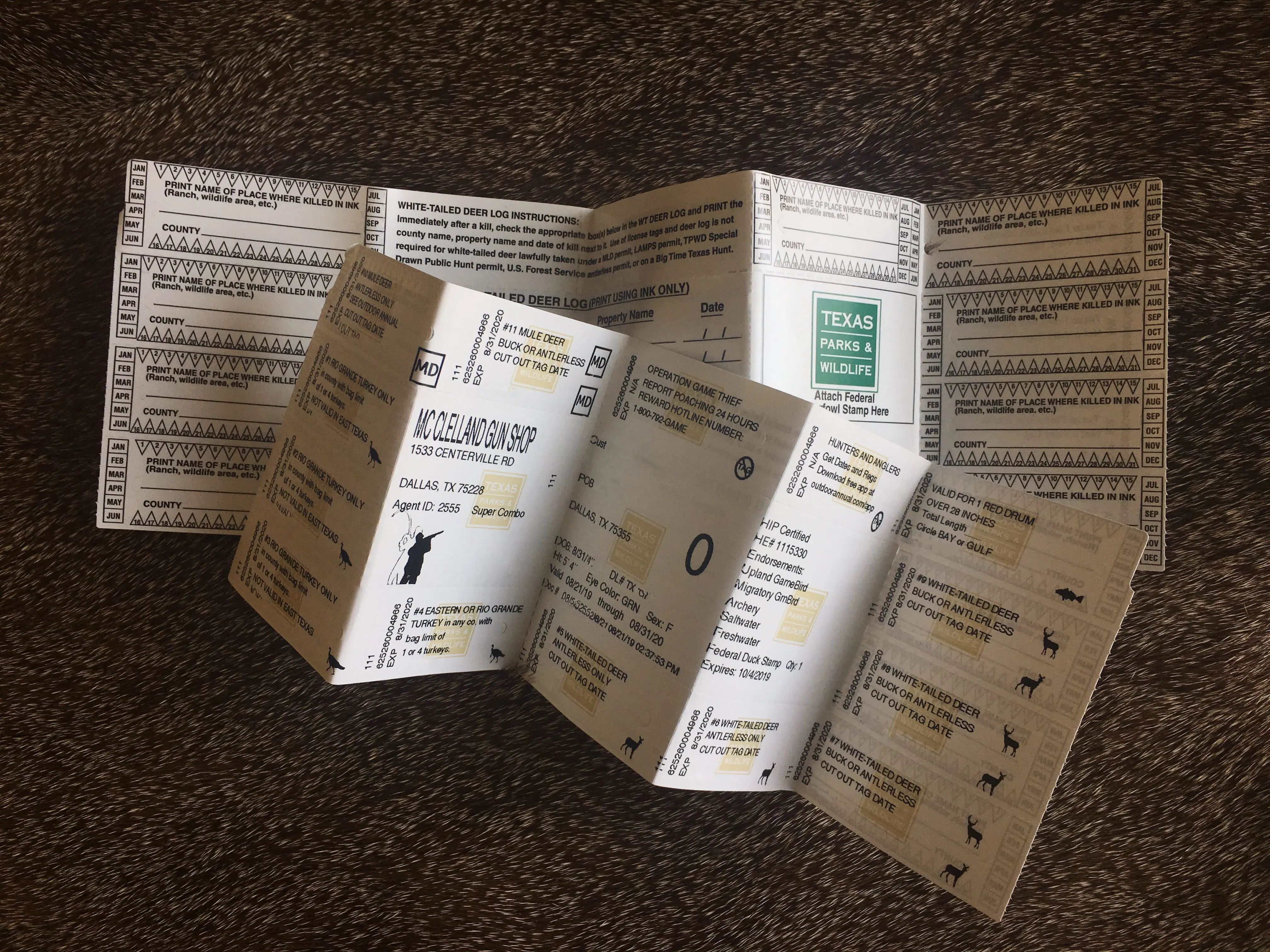
Non-resident licenses are priced higher to reflect the state’s conservation funding priorities. A 1-Day Non-Resident Fishing License can range from approximately $12 to $16. This is a convenient option for tourists or individuals planning a short fishing trip.
For slightly longer stays, a 5-Day Non-Resident Fishing License is available, typically costing around $30 to $40. This offers a more economical choice for those spending a week or so fishing in Texas.
The Annual Non-Resident Fishing License is the most comprehensive option for visitors planning multiple trips throughout the year. This license usually costs in the range of $60 to $70. Similar to resident licenses, non-residents will also need to purchase a Saltwater Fishing Stamp if they intend to fish in saltwater, adding approximately $10 to $12 to the total cost.
Where to Purchase Your License
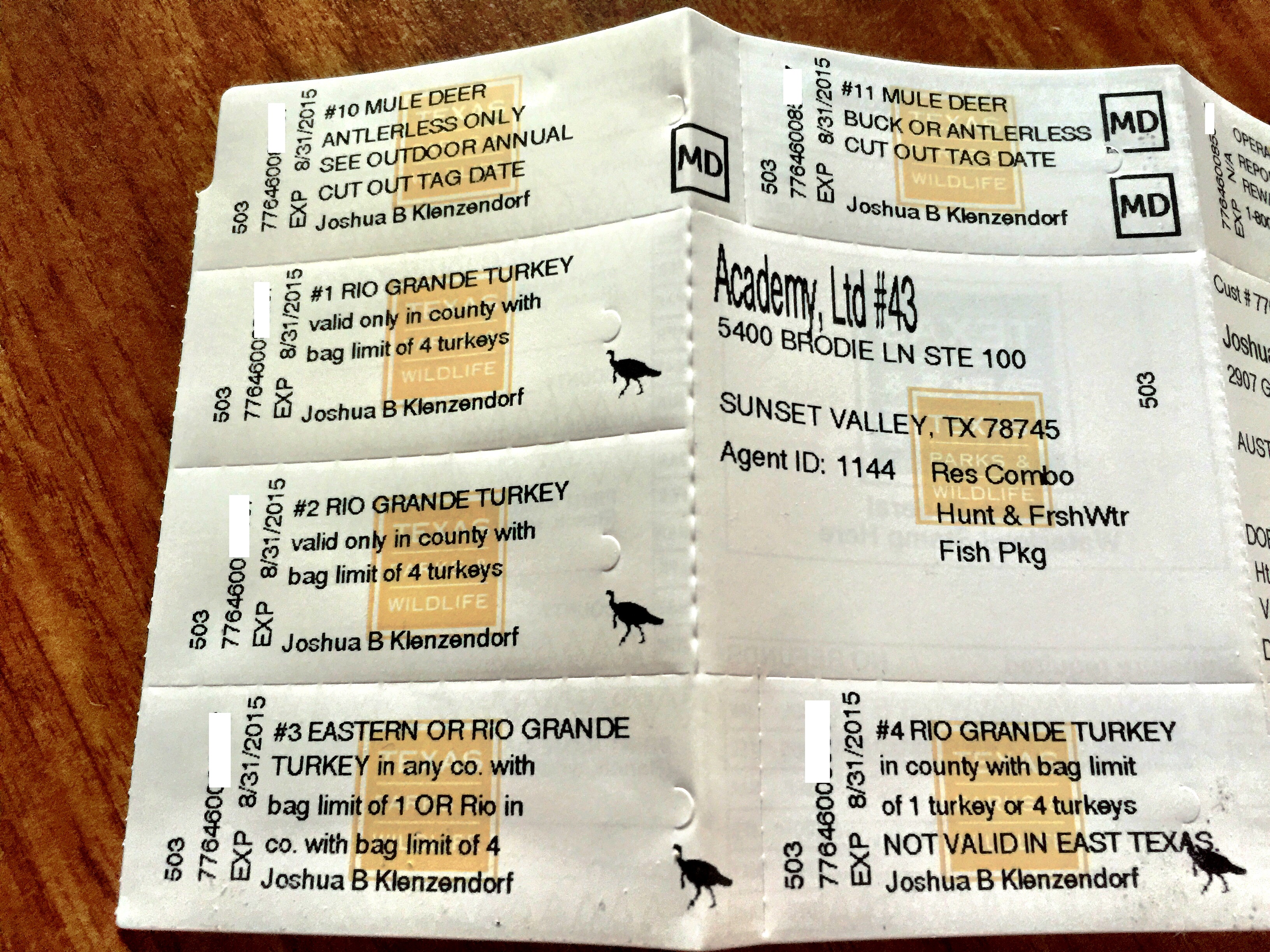
Purchasing a fishing license in Texas is a straightforward process. The most convenient method is often online through the official Texas Parks and Wildlife Department website. This allows you to browse all available license types, purchase them instantly, and print a temporary license to carry while your official one is mailed.
Alternatively, you can visit a licensed vendor. These vendors include many bait and tackle shops, sporting goods stores, and even some general stores throughout the state. A quick search on the TPWD website can help you locate a vendor near your chosen fishing destination, whether it’s near the fishing villages of the Upper Gulf Coast or the popular lakeside towns like Austin.
When purchasing, be prepared to provide proof of residency, such as a valid Texas driver’s license or ID card. For non-residents, a government-issued identification will suffice. It’s advisable to purchase your license before heading out to your fishing spot to avoid any potential citations.
Special Considerations and Regulations
Beyond the basic license requirements, anglers in Texas should be aware of specific regulations and special considerations that pertain to various fishing activities. These are in place to ensure the sustainability of fish populations and the health of aquatic ecosystems.
Endorsements and Stamps
As mentioned, the Saltwater Fishing Stamp is a critical endorsement for anyone planning to fish in the bays, estuaries, and the Gulf of Mexico. This stamp is vital for the conservation and management of marine species like red drum, speckled trout, and flounder, which are popular targets for saltwater anglers.
Another important endorsement to consider is the All-Water Stamp. This stamp allows you to fish in both freshwater and saltwater with a single license, offering convenience for anglers who travel between different water types. The cost of the All-Water Stamp is generally higher than the Saltwater Stamp alone, so it’s important to weigh your fishing habits to determine if it’s the most economical choice.
For those interested in specific species, there may be additional endorsements. For example, a Trout Stamp might be required for certain trout species in specific locations, contributing to their specific management programs. Always check the TPWD regulations for the waters you plan to fish to ensure you have all the necessary permits.
Youth and Family Fishing
Texas encourages families to enjoy the outdoors, and this extends to fishing. Children under the age of 17 generally do not need a fishing license. This is a fantastic way for parents and guardians to introduce young ones to the sport without an additional cost. However, if a youth angler wishes to fish in certain managed areas or for specific species that require endorsements, they may need those as well.
For families planning a fishing trip, consider purchasing a Family Fishing Package or similar offerings if available, which might bundle licenses for multiple family members at a discounted rate. These packages can make a family vacation to a lakeside cabin in the Texas Hill Country or a trip to the Texas Coast even more accessible and enjoyable.
Regulations and Bag Limits
Owning a fishing license is just the first step. Anglers must also adhere to all regulations set forth by the Texas Parks and Wildlife Department. These include daily bag limits (the maximum number of fish of a particular species you can keep per day), size limits (minimum or maximum lengths a fish must be to be kept), and season restrictions for certain species. These regulations are crucial for maintaining healthy fish populations and ensuring that future generations can enjoy the sport.
For instance, there are specific regulations for popular species like largemouth bass, catfish, and various types of panfish. Saltwater regulations often differ significantly, with specific rules for flounder, red drum, and speckled trout. It is the angler’s responsibility to be informed about the regulations for the specific body of water they are fishing in. The TPWD website provides detailed fishing regulations, which are updated annually. Familiarizing yourself with these rules will not only keep you compliant but also contribute to the long-term health of Texas’s aquatic resources. Many local tourism boards and state parks also offer information and resources on local fishing spots and regulations, making it easier for visitors to plan their adventures.
In conclusion, securing a fishing license in Texas is an essential step for any angler. With a range of options tailored to residents, non-residents, and various fishing preferences, the Texas Parks and Wildlife Department makes it accessible for everyone to experience the thrill of fishing in this incredible state. By understanding the costs, types of licenses, and adhering to regulations, you can ensure a rewarding and responsible fishing trip, contributing to the preservation of Texas’s natural beauty and abundant fisheries.
LifeOutOfTheBox is a participant in the Amazon Services LLC Associates Program, an affiliate advertising program designed to provide a means for sites to earn advertising fees by advertising and linking to Amazon.com. Amazon, the Amazon logo, AmazonSupply, and the AmazonSupply logo are trademarks of Amazon.com, Inc. or its affiliates. As an Amazon Associate we earn affiliate commissions from qualifying purchases.