
Understanding the costs associated with fishing licenses in Texas is a crucial first step for any angler planning a trip to the Lone Star State. Whether you’re a seasoned angler or a novice looking to cast a line in the abundant waters of Texas, a valid fishing license is a mandatory requirement. The Texas Parks and Wildlife Department (TPWD) oversees the licensing system, ensuring funds generated contribute to the conservation and management of the state’s diverse aquatic resources. The pricing structure is designed to be accessible to a wide range of anglers, offering various license types tailored to different needs, durations, and residency statuses. Navigating these options can sometimes feel complex, but a clear understanding of the fees, exemptions, and benefits can make the process straightforward and ensure your fishing adventures are both legal and enjoyable.
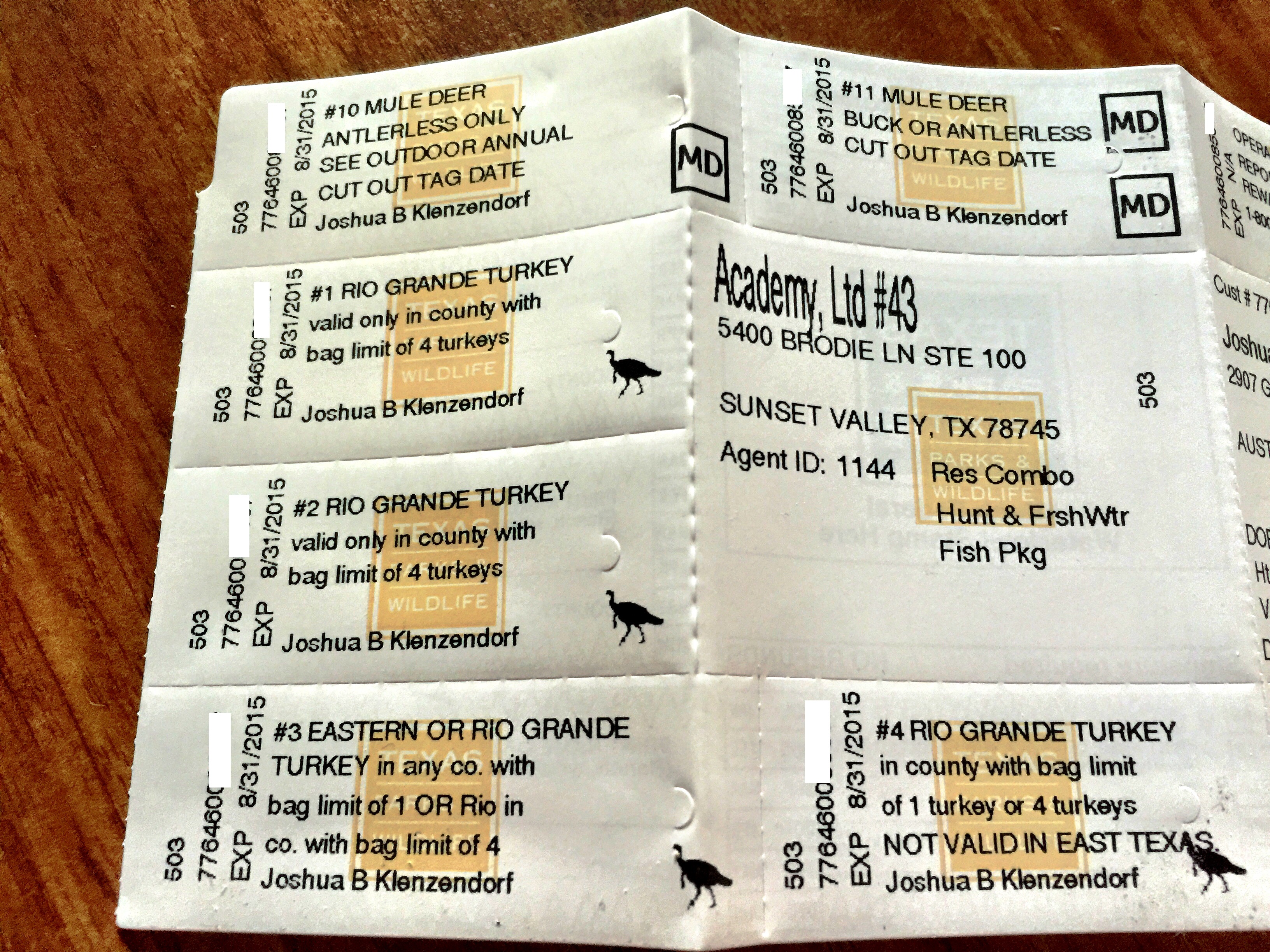
Understanding Texas Fishing License Types and Costs
The Texas Parks and Wildlife Department offers a comprehensive array of fishing licenses, catering to both residents and non-residents, and accommodating varying lengths of stay. This tiered approach ensures that anglers can select the most cost-effective and appropriate license for their specific fishing plans. The core of the licensing system revolves around the distinction between resident and non-resident status, which significantly impacts the price. Beyond this fundamental difference, licenses are further categorized by their validity period, from short-term options for visitors to annual permits for dedicated local anglers.
Resident Licenses
For Texas residents, the cost of fishing licenses is considerably lower, reflecting the state’s commitment to its citizens’ recreational pursuits. The most common type is the Annual Resident Fishing License, which provides unlimited fishing opportunities throughout the state for a full year from the date of purchase. This is often the most economical choice for individuals who plan to fish multiple times a year.
- All-Water Fishing License (Resident): This permit allows for both freshwater and saltwater fishing across the entire state. It’s a comprehensive option for anglers who don’t want to be restricted by water type. The cost for this annual resident license is typically around $30.
- Freshwater Fishing License (Resident): This license is specifically for fishing in freshwater bodies within Texas. It’s a more budget-friendly option for those who primarily fish in lakes, rivers, and streams. The annual resident freshwater license usually costs around $20.
- Saltwater Fishing License (Resident): For those whose angling interests lie in the bountiful coastal waters of the Gulf of Mexico, this license is required. It covers all legal saltwater fishing activities. The annual resident saltwater license is also typically priced around $20.
Beyond the annual options, Texas also offers specialized resident licenses:
- Senior Fishing License (Resident, 65 and Older): A significant benefit for senior citizens, this license offers a reduced rate for residents aged 65 and older. This allows them to continue enjoying Texas fishing for a nominal fee, often around $12 for an annual all-water license.
- Youth Fishing License (Resident, Under 17): Anglers under the age of 17 do not need a fishing license in Texas. This is a fantastic initiative to encourage young people to engage with the outdoors and develop a love for fishing from an early age.
Non-Resident Licenses
Non-residents, those who do not currently reside in Texas, will find that license fees are higher. This is a standard practice in many states to ensure that non-residents contribute proportionally to the conservation efforts that benefit all anglers. Non-resident licenses are available in various durations to suit the needs of visitors.
- Annual Non-Resident All-Water Fishing License: This permit provides year-round fishing privileges in both freshwater and saltwater for non-residents. Its cost is considerably higher than the resident equivalent, often falling in the range of $100 to $120.
- 1-Day Non-Resident Fishing License: For short visits or casual fishing trips, a 1-day license is a cost-effective option. This allows a non-resident to fish for a single day in any legal waters. The price for a 1-day license is typically around $16.
- 14-Day Non-Resident Fishing License: This option is ideal for tourists or visitors planning a longer stay. It offers unlimited fishing for 14 consecutive days in all legal waters. The cost for this license is usually between $40 and $50.
- 3-Day Non-Resident Fishing License: A middle-ground option between a 1-day and a 14-day license, this permit is suitable for weekend trips or shorter vacation periods. The price for a 3-day license is generally around $30.
It is essential to note that some non-resident licenses may require additional endorsements for specific types of fishing, such as red drum or saltwater species.
Special Permits and Endorsements
In addition to the basic fishing licenses, certain activities or species may require special permits or endorsements. These are add-ons that enhance your fishing privileges and directly support specific management programs.
- Saltwater Stamp Endorsement: If you hold a resident or non-resident freshwater-only license and wish to fish in saltwater, you will need to purchase a Saltwater Stamp Endorsement. This is a relatively inexpensive addition, typically costing around $10 annually for residents and slightly more for non-residents.
- Red Drum Tag: For anglers targeting red drum in the Texas coastal waters, a Red Drum Tag is required. This endorsement allows you to keep a certain number of red drum, with specific regulations applying. The cost is generally around $10 for residents.
- Trout/Catfish Stamp: This endorsement is required for fishing for rainbow trout or channel catfish in designated areas where such stocking programs are managed. It typically costs around $10 for residents.
- Special Permits for Guided Hunts or Bowfishing: For unique fishing activities like bowfishing or participating in guided hunts that include fishing, specific permits may be necessary. These are usually priced individually.
The TPWD website provides an up-to-date and detailed list of all required endorsements for specific fishing scenarios. It is always recommended to check the latest regulations and fees before purchasing a license.
Where to Purchase Your Texas Fishing License
Acquiring a Texas fishing license is a convenient process, with multiple purchase options available to suit your preferences. The Texas Parks and Wildlife Department has established a network that makes obtaining a license straightforward, whether you’re a local resident or a visiting angler.
Online Purchase
The most efficient and user-friendly method for purchasing a fishing license is through the official Texas Parks and Wildlife Department website. The online portal is designed for easy navigation, allowing you to select the appropriate license type, enter your details, and complete the transaction securely. Once purchased, you can often print a temporary license immediately or have it mailed to your address. This method is ideal for those who prefer the convenience of shopping from home or want to secure their license in advance of their fishing trip.
In-Person Retail Locations
For those who prefer a tangible transaction or need immediate access to their license, Texas fishing licenses can be purchased at numerous authorized retail locations across the state. These include:
- Sporting Goods Stores: Major retailers specializing in outdoor and sporting equipment, such as Academy Sports + Outdoors and Cabela’s, are authorized license vendors.
- General Retailers: Many general merchandise stores and supermarkets also carry fishing licenses.
- Bait and Tackle Shops: Local bait and tackle shops are excellent resources not only for supplies but also for purchasing licenses.
- County and City Offices: In some instances, local government offices may also be authorized to sell fishing licenses.
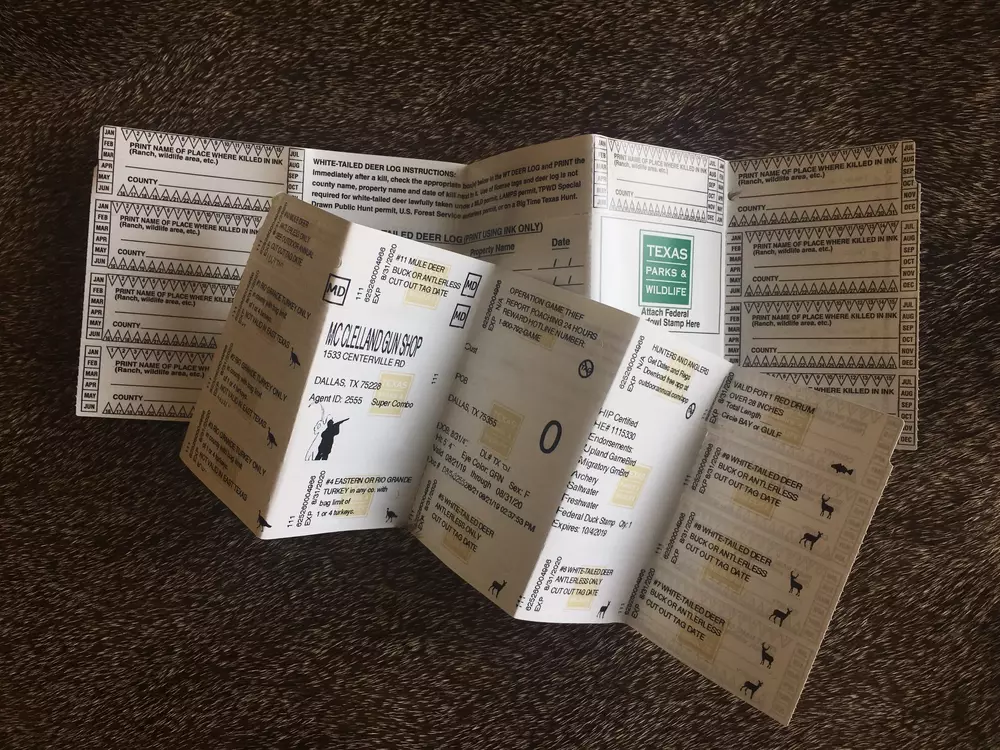
When purchasing in person, ensure you have a valid form of identification, especially if you are applying for a resident license.
By Mail
While less common and generally slower, it is possible to purchase fishing licenses by mail through the Texas Parks and Wildlife Department. This option typically requires downloading a mail-in application form from their website and sending it along with payment. This method is best suited for individuals who do not have reliable internet access or prefer a more traditional approach, but it necessitates planning well in advance of your fishing excursions.
Who Needs a Fishing License in Texas?
Understanding the licensing requirements is fundamental to adhering to Texas fishing regulations. The primary goal of the licensing system is to ensure that individuals engaging in recreational fishing contribute to the conservation efforts that sustain the state’s fisheries for future generations.
General Requirements
With a few notable exceptions, virtually anyone aged 17 and older who fishes in Texas waters must possess a valid fishing license. This applies to both freshwater and saltwater environments. The license serves as proof of your contribution to the management and conservation programs funded by license fees.
Exemptions
Texas offers several exemptions to the general licensing requirement to encourage participation and acknowledge specific circumstances:
- Youth Anglers: As previously mentioned, individuals under the age of 17 are not required to have a fishing license. This exemption applies to both residents and non-residents.
- Active Duty Military Personnel: Active duty members of the U.S. Armed Forces who are residents of Texas may be eligible for a discounted or free fishing license. Specific requirements and application processes apply, so it is advisable to check with the TPWD for details.
- Residents on Active Duty Abroad: Texas residents serving on active duty in the U.S. Armed Forces outside of Texas are generally exempt from needing a license while on leave and visiting the state.
- Landowners Fishing on Their Own Property: In certain situations, landowners may fish on their own private property without a license, provided they are not fishing in public water or receiving compensation for guiding.
- Free Fishing Days: The Texas Parks and Wildlife Department designates specific “Free Fishing Days” throughout the year. During these designated days, individuals of all ages can fish without a license in public waters. These events are promoted to encourage public engagement with fishing and outdoor activities.
It is crucial to be aware of these exemptions and to ensure you meet the specific criteria. Ignorance of the law is not a defense, and fishing without a required license can result in significant fines and penalties.
Resident vs. Non-Resident Distinction
The distinction between a resident and a non-resident is primarily based on how long you have lived in Texas and your intent to establish residency. Generally, to be considered a resident for licensing purposes, you must have lived in Texas for at least six consecutive months immediately preceding the purchase of your license and must intend to continue residing in the state. Proof of residency, such as a Texas driver’s license or voter registration, may be required. Non-residents are individuals who do not meet these criteria.
The Importance of Fishing Licenses for Conservation
The fees collected from the sale of fishing licenses are not merely an administrative charge; they are a vital source of funding for the Texas Parks and Wildlife Department and its critical conservation efforts. These funds play a pivotal role in maintaining and enhancing the state’s aquatic ecosystems and fish populations, ensuring a sustainable future for angling.
Funding Fisheries Management
A significant portion of license revenue is directly allocated to fisheries management programs. This includes activities such as:
- Stocking Programs: Introducing hatchery-raised fish, like channel catfish, rainbow trout, and various game fish species, into public waters to supplement natural populations and enhance fishing opportunities, particularly in areas with high angling pressure or limited natural reproduction.
- Habitat Improvement: Projects aimed at restoring and improving fish habitat in lakes, rivers, and coastal areas. This can involve creating artificial reefs, managing aquatic vegetation, and improving water quality.
- Population Surveys and Research: Conducting scientific studies to monitor fish populations, assess their health, and understand their life cycles. This data is essential for developing effective management strategies and setting appropriate fishing regulations.
- Creel Surveys: Gathering data on angler catch rates and harvest to gauge the impact of fishing on fish populations and inform management decisions.
Enforcement and Education
License fees also contribute to the enforcement of fishing regulations and the provision of valuable educational resources. This ensures fair fishing practices and promotes responsible angling ethics.
- Conservation Officers: Funding supports the dedicated conservation officers who patrol Texas waterways, enforcing fishing laws, and ensuring compliance with license requirements and bag limits.
- Angler Education Programs: TPWD offers various educational programs designed to teach new anglers about fishing techniques, conservation ethics, and the importance of following regulations. These programs foster a sense of stewardship for aquatic resources.

Protecting Biodiversity
Beyond game fish, license revenue indirectly supports the broader conservation of Texas aquatic biodiversity. By managing fisheries sustainably, TPWD helps protect the intricate ecosystems that support a wide array of aquatic life, from game fish to smaller baitfish and invertebrates. This holistic approach ensures that Texas waters remain vibrant and healthy for all their inhabitants.
Purchasing a fishing license is more than just a legal requirement; it’s an investment in the future of angling and the preservation of Texas’s natural aquatic heritage.
LifeOutOfTheBox is a participant in the Amazon Services LLC Associates Program, an affiliate advertising program designed to provide a means for sites to earn advertising fees by advertising and linking to Amazon.com. Amazon, the Amazon logo, AmazonSupply, and the AmazonSupply logo are trademarks of Amazon.com, Inc. or its affiliates. As an Amazon Associate we earn affiliate commissions from qualifying purchases.