
Florida, often dubbed the Sunshine State, is a premier destination for travelers worldwide and an increasingly popular choice for those seeking a new lifestyle. From the enchanting theme parks of Orlando to the vibrant nightlife of Miami, the pristine beaches of Sarasota and Clearwater Beach on the Gulf Coast, and the historic charm of St. Augustine on the Atlantic Coast, the state offers an unparalleled array of experiences. Whether you’re planning a short vacation, considering a long-term stay, or even contemplating a move, understanding the local tax landscape is crucial. While Florida is famously known for not having a state income tax, other taxes can significantly impact your travel budget, accommodation choices, and overall lifestyle. This guide delves into the specifics of Florida taxes, helping you navigate the financial aspects of your visit or residency in this captivating state.
Understanding Florida’s Sales Tax for Travelers and Tourists
For any visitor to Florida, sales tax is perhaps the most frequently encountered tax. It applies to a vast array of goods and services, influencing everything from souvenir purchases to dining experiences and rental cars. While the statewide sales tax rate is consistent, local surtaxes can lead to variations depending on where you are in the state.
The Standard Sales Tax Rate and What It Covers
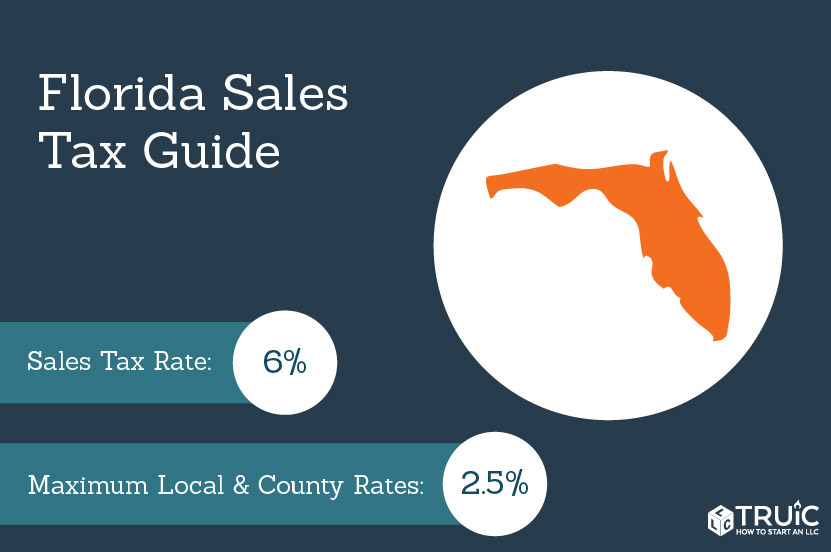
The uniform statewide sales tax rate in Florida is 6%. This rate applies to the sale of most tangible personal property, admissions, and certain services. When you’re exploring the shops at Disney Springs or Universal CityWalk, enjoying a meal at a beachfront restaurant in Key West, or renting a car to drive along the Florida Keys, this 6% will typically be added to your bill.
This tax is a fundamental component of budgeting for daily expenses during your trip. It impacts the cost of:
- Retail Purchases: From clothing and electronics to gifts and groceries (excluding most unprepared food items), nearly all retail goods you buy will be subject to this tax. This is important to remember when shopping for unique souvenirs or fashion at places like Worth Avenue in Palm Beach or the Design District in Miami.
- Restaurant Meals and Beverages: Dining out is a significant part of the Florida experience, whether you’re savoring fresh seafood in Naples, trying a Cuban Sandwich in Little Havana, or enjoying fine dining. All these culinary adventures will incur the state sales tax.
- Admission Tickets: Entry to popular tourist attractions like Walt Disney World Resort, Universal Orlando Resort, Busch Gardens Tampa Bay, SeaWorld Orlando, Legoland Florida Resort, or even museums and historical sites such as the Castillo de San Marcos in St. Augustine, are subject to the sales tax.
- Vehicle Rentals: Car rentals, essential for exploring vast regions like Southwest Florida or traversing the state from Jacksonville to Fort Lauderdale, are also subject to sales tax, along with other potential fees.
Local Option Sales Surtaxes: Where Rates Can Vary
Beyond the statewide 6%, many Florida counties impose a “local option sales surtax,” often referred to as a discretionary sales surtax or county sales tax. These surtaxes are added on top of the state sales tax, meaning the effective sales tax rate you pay can be higher than 6%. The rates typically range from 0.5% to 2.5%, but they vary significantly by county.
For instance, Miami-Dade County, home to bustling Miami Beach and the Art Deco Historic District, has a surtax that brings its total sales tax to 7%. Similarly, Orange County, where most of Orlando’s major theme parks are located, also has a higher combined rate. Other counties like Monroe County (the Florida Keys) and Collier County (including Naples) also have their specific surtax rates.
When planning your budget for shopping, dining, and activities, especially in major tourist hubs, it’s wise to factor in these potential county-specific surtaxes. A little research into the specific county you’re visiting can help you avoid any surprises, ensuring a smoother travel experience.
Accommodation Taxes: What You’ll Pay for Your Stay
One of the most significant tax considerations for any visitor to Florida is the tax levied on accommodations. These taxes, often known as “transient rental taxes” or “tourist development taxes,” are crucial for budgeting your stay, whether you choose a luxurious resort in The Palm Beaches, a charming boutique hotel in St. Augustine, or a cozy vacation rental in Kissimmee.
Transient Rental Tax (Tourist Development Tax)
In Florida, accommodations rented for six months or less are subject to both the state’s 6% sales tax AND an additional “Transient Rental Tax” or “Tourist Development Tax” (TDT), which is a local tax. This TDT is usually collected by the county and the funds are typically earmarked for tourism promotion and infrastructure development. The rate of the TDT varies widely by county, usually ranging from 1% to 6%.
For example:
- In Orlando (specifically Orange County), the TDT is 6%. Combined with the 6% state sales tax and the county’s 0.5% local option sales surtax, the total tax on accommodations can reach 12.5%. This means a $200 hotel room could effectively cost you an extra $25.
- In Miami-Dade County (including popular areas like South Beach), the TDT can be as high as 6% in some municipalities, leading to a combined tax rate of 13% (6% state sales tax + 1% county sales surtax + 6% TDT).
- Even in scenic, quieter destinations like Sanibel Island or Anna Maria Island, you’ll encounter these accommodation taxes.
It’s important to note that these taxes apply to all forms of short-term lodging, including hotels, motels, resorts, vacation rentals booked through platforms like Airbnb or VRBO, and even campgrounds. When you are comparing prices for suites or apartments, always look for the final price that includes all taxes and fees to get an accurate picture of your total expense.
Impact on Booking and Accommodation Choices
The varying rates of accommodation taxes can significantly influence your budgeting and booking decisions.
- Budget Travel: For those on a tighter budget, understanding these taxes is critical. A slightly higher nightly rate in a county with a lower TDT might end up being cheaper than a seemingly lower rate in a high-tax county. Budget travel often involves meticulously comparing these total costs.
- Luxury Travel: Even for luxury travel, where amenities and experiences are paramount, these taxes can add a substantial amount to the overall cost of a stay at a five-star resort or a private villa. Factoring this into your plans ensures you can fully enjoy experiences without unexpected financial burdens.
- Long-Term Stays: If you’re considering a long-term stay (longer than six months), you might be exempt from the TDT, which can lead to significant savings. This distinction is vital for “snowbirds” or those seeking extended breaks from colder climates. Always confirm the duration and specific rules with your accommodation provider.
- Comparison and Reviews: When using websites for booking and reviews, pay close attention to the “total price” breakdown. Some platforms are clearer than others about including all taxes and fees upfront. Always double-check to avoid surprises at check-in.
Understanding these accommodation taxes is key to making informed decisions, whether you’re seeking a family-friendly stay near Lake Buena Vista or a romantic getaway in the serene Florida Keys, which includes Key Largo, Islamorada, and Marathon.
Property Taxes and Their Lifestyle Implications in Florida
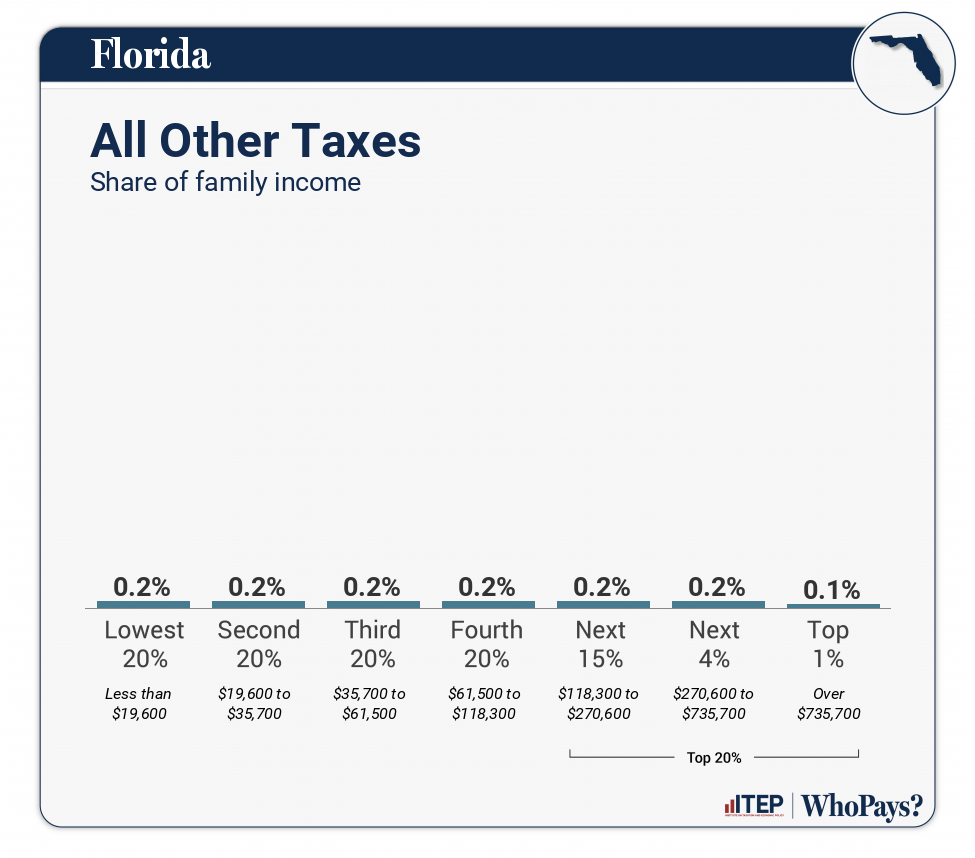
While primarily relevant to homeowners and those considering long-term residency or investment, property taxes in Florida also play a role in the broader lifestyle and economic landscape that attracts visitors and residents alike. For many, the lack of a state income tax makes Florida an appealing state for relocation, retirement, or purchasing a vacation home. However, property taxes are a significant component of the state’s revenue and vary widely by location.
Overview for Homeowners and Investors
Property taxes in Florida are assessed at the local level (county, city, school board, and other special districts) and are based on the assessed value of the property. The rates, known as millage rates (dollars of tax per $1,000 of assessed value), can vary considerably. Generally, properties in areas with high-demand amenities, robust public services, and desirable landmarks or attractions tend to have higher property values and, consequently, higher tax bills.
For someone looking to purchase a villa near a golf course in Naples, a beachfront condo in St. Petersburg, or a luxury apartment in Boca Raton, understanding the property tax implications is paramount. These taxes directly affect the cost of homeownership and the potential return on investment for vacation rental properties. The absence of a state income tax often means that local governments rely more heavily on property taxes to fund public services like schools, police, and fire departments.
Homestead Exemption and Other Benefits for Residents
One of the most significant benefits for full-time Florida residents who own their primary home is the Homestead Exemption. This exemption reduces the taxable value of a primary residence by up to $50,000, significantly lowering the property tax bill. To qualify, you must own the home and reside in it as your permanent dwelling as of January 1st of the tax year.
Furthermore, Florida has the “Save Our Homes” amendment, which limits annual increases in the assessed value of homesteaded properties to 3% or the Consumer Price Index, whichever is lower. This provides a crucial hedge against rapidly increasing property values, offering long-term financial stability for residents.
While these benefits aren’t directly applicable to tourists, they highlight Florida’s efforts to make residency attractive and sustainable. For those considering moving from another state in America or the United States to embrace the Florida lifestyle, these exemptions represent substantial long-term savings and are a key factor in the overall affordability of living in the state. They contribute to the vibrant communities found everywhere from Tallahassee to Jupiter.
The Broader Financial Picture: Why Florida Remains a Top Destination
Despite the various taxes travelers and residents encounter, Florida consistently ranks as one of the most desirable states for tourism, relocation, and business. The tax structure, particularly the absence of a state income tax, plays a pivotal role in this enduring appeal, creating a unique financial environment that balances local revenue needs with an attractive overall cost of living and a thriving tourism economy.
No State Income Tax: A Major Draw
The most celebrated aspect of Florida’s tax system, especially for residents and long-term visitors, is the absence of a state personal income tax. This is a monumental advantage for individuals, significantly impacting their net income compared to residents of states with high income tax rates. For retirees, this means their pensions and Social Security benefits are not subject to state income tax, making Florida a top choice for retirement communities like The Villages.
For professionals and businesses, the lack of a state corporate income tax (though there is a corporate profits tax) and personal income tax makes Florida an attractive hub for entrepreneurship, investment, and business relocation. This fosters economic growth, job creation, and a diverse range of services and amenities that ultimately benefit both residents and tourists. The vibrant business environment supports a wide array of hotels, resorts, and attractions, enhancing the overall visitor experience.
Balancing Taxes with the Florida Lifestyle
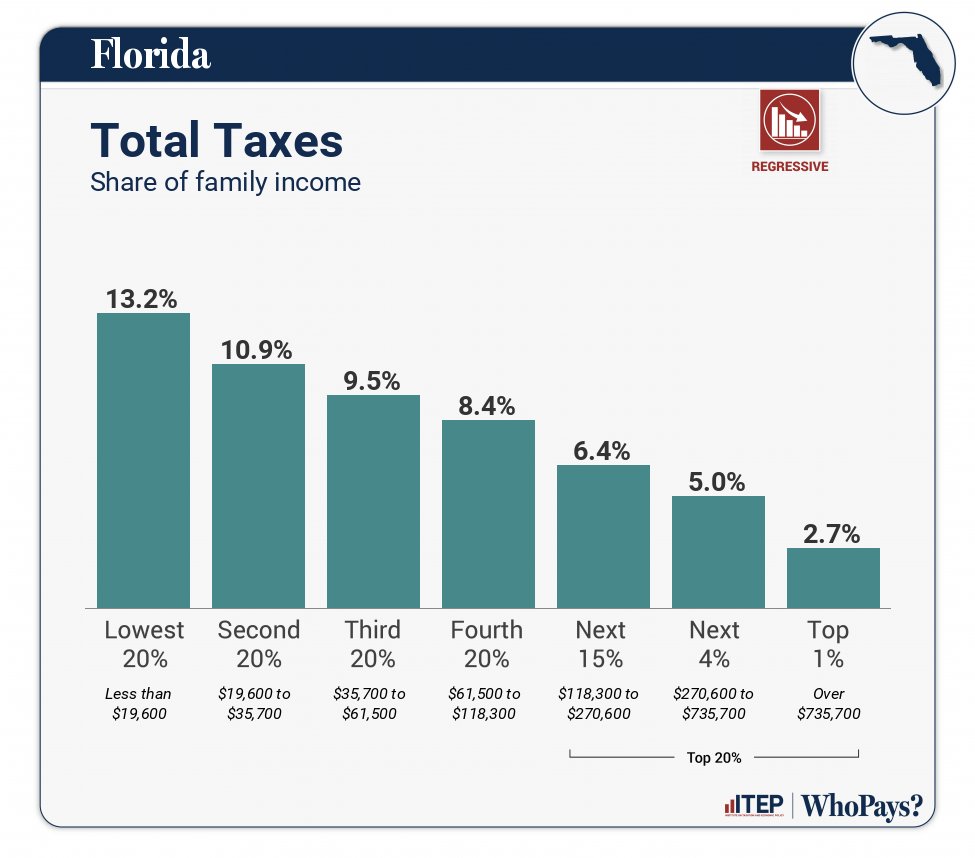
The tax structure in Florida can be seen as a trade-off: lower income taxes are balanced by sales tax, property tax, and specific tourism-related taxes. This balance is critical to funding the infrastructure and services that support the state’s massive tourism industry and growing population. The revenue generated from sales and tourist development taxes directly contributes to maintaining beautiful beaches like Siesta Key Beach and Cocoa Beach, promoting attractions, preserving natural wonders like Everglades National Park and Big Cypress National Preserve, and ensuring the quality of life that draws millions each year.
For travelers, understanding these taxes allows for better budgeting for a family trip to Orlando, a business stay in Tampa’s Ybor City, or an adventure to the Kennedy Space Center Visitor Complex on the Space Coast. It ensures that the overall experience remains enjoyable and free from unexpected costs. The state’s vibrant local culture, diverse food scene offering everything from Stone Crab to Key Lime Pie, and endless activities continue to make it a prime destination, with the tax system playing its part in maintaining this appeal.
Planning Your Florida Trip or Move
To fully embrace all that Florida has to offer, a little advance planning regarding taxes can go a long way.
- Budget for Sales Tax: Always assume that goods, restaurant meals, and attractions will have at least 6% added to their price, and potentially more depending on the county.
- Factor in Accommodation Taxes: When researching accommodation options, whether it’s an all-inclusive resort in Destin or a charming guesthouse in Tarpon Springs near the Sponge Docks, make sure to account for both the 6% state sales tax and the county-specific Tourist Development Tax. Use online calculators or contact properties directly for total costs.
- Consider Long-Term Implications: If you’re thinking about extended stays or residency, delve deeper into property tax rates for specific areas of interest (e.g., Vero Beach, Gainesville, Pensacola). Research homestead exemptions and other benefits that apply to permanent residents.
- Seek Expert Advice: For complex financial planning related to moving or investing in Florida, consulting a tax professional or real estate agent with local expertise is always recommended.
In conclusion, while “How Much Are Florida Taxes?” might seem like a straightforward question, the answer is nuanced, reflecting a balance between a pro-business, low-income-tax environment and the need to fund robust public services and maintain world-class tourism infrastructure. By understanding the sales, accommodation, and property tax landscape, visitors and prospective residents can confidently plan their finances, ensuring a seamless and enjoyable experience in the Sunshine State. Whether you’re here for the thrills of theme parks, the tranquility of Bahia Honda State Park, the history of Ponce de Leon and Flagler College, or the vibrant communities across the state, knowing your taxes is a smart travel tip for maximizing your Florida adventure.
LifeOutOfTheBox is a participant in the Amazon Services LLC Associates Program, an affiliate advertising program designed to provide a means for sites to earn advertising fees by advertising and linking to Amazon.com. Amazon, the Amazon logo, AmazonSupply, and the AmazonSupply logo are trademarks of Amazon.com, Inc. or its affiliates. As an Amazon Associate we earn affiliate commissions from qualifying purchases.