
Navigating the financial landscape of living, working, or even visiting New York City can feel as complex as planning a luxury travel itinerary. While the allure of its iconic landmarks, vibrant local culture, and world-class restaurants is undeniable, understanding the financial implications, particularly income taxes, is crucial for residents and even some long-term visitors. This guide aims to demystify New York City income taxes, providing clarity for those considering a move, managing their finances, or planning extended stays that might trigger tax liabilities.
The taxation system in New York City is a multi-layered affair, influenced by federal, state, and city-level levies. For anyone earning income within the city limits, understanding these components is essential for accurate budgeting and compliance. Whether you’re a seasoned resident, a newcomer exploring family trips, or a professional on a business stay, this breakdown will equip you with the knowledge to navigate these financial waters.
Understanding the Components of New York City Income Tax
When discussing New York City income taxes, it’s vital to recognize that the final amount paid is a sum of three distinct tax obligations: federal income tax, New York State income tax, and New York City income tax. Each of these has its own set of rules, brackets, and deductions, contributing to the overall tax burden.
Federal Income Tax
The federal income tax is levied by the United States government and applies to all residents and citizens. The rates are progressive, meaning higher earners pay a larger percentage of their income in taxes. These rates are set by the Internal Revenue Service (IRS) and are adjusted periodically for inflation. Federal tax brackets are determined annually, with different rates for single filers, married couples filing jointly, and heads of household.
Beyond the progressive rates, federal income tax allows for a wide array of deductions and credits, which can significantly reduce the taxable income. These can include deductions for student loan interest, qualified education expenses, retirement contributions (like those to a 401(k) or IRA), and certain medical expenses. Tax credits, such as the child tax credit or credits for energy-efficient home improvements, directly reduce the amount of tax owed. Understanding these provisions is crucial for minimizing your federal tax liability, whether you’re contemplating a budget travel adventure across the country or settling down in New York City.
New York State Income Tax
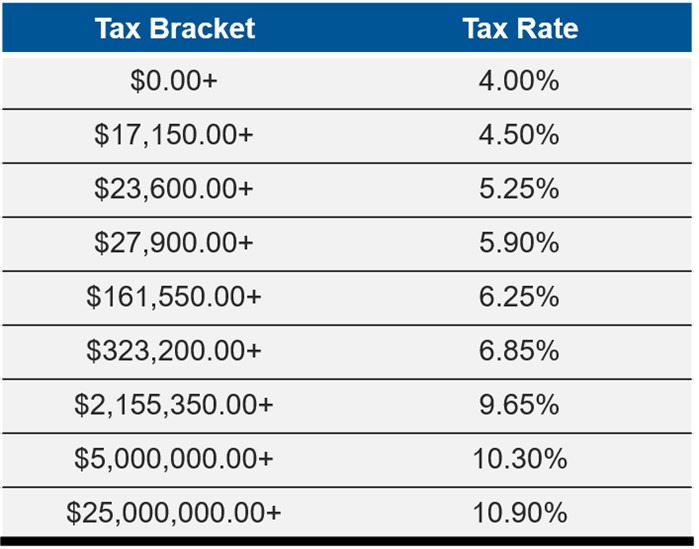
New York State also imposes its own income tax on individuals who earn income within the state. Like the federal tax, New York State income tax is progressive, with higher income levels subject to higher tax rates. The state’s tax structure is managed by the New York State Department of Taxation and Finance.
New York State offers various exemptions and deductions that can help reduce your taxable income. These can include deductions for dependents, medical expenses, and contributions to retirement plans. Similar to the federal system, there are also tax credits available for specific situations, such as credits for low-income households or for certain business investments. The interplay between federal and state tax deductions is also something to consider, as some expenses may be deductible on both returns, while others may have limitations. This is particularly relevant for individuals who might be considering long-term stays or even permanent relocation, impacting their overall lifestyle choices.
New York City Income Tax
Adding another layer to the tax equation, New York City has its own municipal income tax. This tax is levied on the income of residents and also on the income of non-residents who earn income from sources within the city. The New York City income tax rates are also progressive, though generally lower than the state rates. The city’s tax is administered by the New York City Department of Finance.
The New York City income tax is calculated on your taxable income after federal and state deductions and exemptions have been applied. This means that the amount of New York City income tax you pay is directly influenced by your tax situation at the federal and state levels. For instance, if you can reduce your taxable income significantly through federal or state deductions, your New York City tax liability will also be lower. The city also offers certain credits and exemptions, though they are typically more limited than those at the state or federal levels. Understanding these three layers is paramount for anyone earning income in this bustling metropolis, whether they’re planning a short visit or considering long-term accommodation.
Calculating Your New York City Income Tax Liability
Determining the exact amount of New York City income tax requires a systematic approach, considering your gross income and applying various adjustments, deductions, and credits across federal, state, and city levels. The process is not a simple one-step calculation; rather, it involves a series of computations that build upon each other.
Step 1: Determine Your Federal Taxable Income
The first step in calculating your overall tax liability, which ultimately impacts your New York City tax, is to determine your federal taxable income. This begins with your gross income, which includes wages, salaries, tips, investment income, and any other earnings. From your gross income, you subtract above-the-line deductions, also known as adjustments to income. These can include contributions to traditional IRAs, student loan interest paid, and health savings account (HSA) contributions.

After calculating your adjusted gross income (AGI), you then choose between taking the standard deduction or itemizing your deductions. The standard deduction is a fixed amount that varies based on your filing status. Itemized deductions can include things like mortgage interest, state and local taxes (SALT) up to a limit, charitable contributions, and medical expenses exceeding a certain percentage of your AGI. The Tax Cuts and Jobs Act of 2017 significantly increased the standard deduction, making it more advantageous for many taxpayers. Once you subtract either the standard deduction or your itemized deductions from your AGI, you arrive at your federal taxable income. This figure forms the base for calculating your federal income tax.
Step 2: Calculate Your New York State Taxable Income
Your New York State taxable income is also derived from your federal taxable income, with specific state adjustments. Generally, New York State starts with your federal AGI and then adds back certain deductions that were allowed on your federal return but are not permitted by the state. Common add-backs include state and local taxes deducted on your federal return and, for some taxpayers, deductions for certain retirement contributions.
Conversely, New York State allows for certain deductions that are not available at the federal level, such as a deduction for one-half of your federal tax liability. It also provides exemptions for you, your spouse, and your dependents, which effectively reduce your taxable income. Similar to the federal system, New York State has its own set of tax credits designed to provide relief to specific groups of taxpayers or encourage certain economic activities. The result of these adjustments and exemptions is your New York State taxable income, which is then used to calculate your state income tax. This stage is crucial for anyone considering longer stays, perhaps in a resort or an extended-stay apartment, as it directly impacts their financial obligations.
Step 3: Determine Your New York City Taxable Income and Tax Owed
The New York City income tax is calculated based on your New York State taxable income, with further adjustments. The city generally uses your New York State taxable income as the starting point and then applies its own specific rules for additions and subtractions. For most residents, the New York City taxable income will be very similar to their New York State taxable income, as the city’s adjustments are often less extensive than those made at the state level.
Once your New York City taxable income is determined, you apply the city’s tax rates. These rates are progressive, and New York City offers a few tax credits, such as a basic resident credit or a credit for low-income taxpayers. The final New York City income tax you owe is the result of applying the applicable tax rate to your taxable income, then subtracting any credits you are eligible for. Understanding this layered calculation is essential for anyone planning to work in New York City, perhaps at a company headquartered near Times Square, or for those considering making the city their permanent home, impacting their choices regarding hotels and accommodation.
Key Considerations for Taxpayers in New York City
Beyond the core calculations, several factors can influence your tax burden and filing requirements in New York City. These include residency status, specific income sources, and the potential for tax planning strategies that can optimize your financial outcomes. Whether you are a tourist exploring Central Park or a professional planning a long-term stay, being aware of these nuances is beneficial.
Residency Status and Its Tax Implications
Your residency status is a primary determinant of your tax obligations in New York City. Generally, if you are a resident of New York City, you are subject to city income tax on all of your income, regardless of where it is earned. Conversely, if you are a non-resident but earn income from sources within New York City – for instance, if you work in Manhattan but live in New Jersey – you will likely owe New York City income tax on that New York-sourced income.
Determining residency for tax purposes can sometimes be complex. New York State and New York City have specific tests, which often involve looking at factors such as the number of days spent in the city, the location of your permanent home, and your intent. For individuals who split their time between residences, understanding these tests is critical to correctly identify their tax obligations and avoid potential penalties. This is a significant consideration for those who might be frequent travelers, perhaps staying at hotels like the Plaza Hotel or considering short-term rentals.
Understanding Different Income Sources
The type of income you earn can also affect how it is taxed. While wages and salaries are straightforward, other income sources might have different rules. For example, capital gains from selling stocks or real estate are taxed at different rates than ordinary income. Rental income from properties, dividends from investments, and income from freelance or gig work all have their own specific reporting and taxation guidelines.
If you’re considering investing in New York City real estate or starting a business there, understanding the tax implications of business income, property taxes, and any potential sales taxes is crucial. Similarly, if you’re enjoying the vibrant food scene or attending events at iconic venues like Madison Square Garden, be aware that while these experiences are often tax-deductible as travel or entertainment for business purposes, they are generally not for personal tax benefits. For residents, managing a diverse portfolio of income requires careful record-keeping and an understanding of how each component contributes to their overall tax liability.
Tax Planning and Savings Strategies
For residents of New York City, effective tax planning can lead to significant savings. This often involves maximizing available deductions and credits. For instance, contributing the maximum allowable amount to tax-advantaged retirement accounts like a 401(k) or an IRA can reduce your taxable income at all three levels – federal, state, and city. Similarly, utilizing credits for education expenses, child care, or energy-efficient home improvements can directly lower your tax bill.
For those who own property, understanding deductions related to mortgage interest, property taxes (subject to SALT limitations), and home improvements can be beneficial. Freelancers and small business owners have additional opportunities for deductions related to business expenses, such as home office deductions, supplies, and professional development. Staying informed about changes in tax laws and regulations is also a key aspect of tax planning. Consulting with a qualified tax professional can provide personalized advice tailored to your specific financial situation, ensuring you are taking advantage of all eligible tax benefits and complying with all regulations, whether you’re a long-term resident or just visiting iconic attractions like the Statue of Liberty.
LifeOutOfTheBox is a participant in the Amazon Services LLC Associates Program, an affiliate advertising program designed to provide a means for sites to earn advertising fees by advertising and linking to Amazon.com. Amazon, the Amazon logo, AmazonSupply, and the AmazonSupply logo are trademarks of Amazon.com, Inc. or its affiliates. As an Amazon Associate we earn affiliate commissions from qualifying purchases.