
Understanding the cost of plane tickets to New York is a crucial first step for anyone planning a trip to the city that never sleeps. This iconic metropolis, a global hub for culture, finance, and entertainment, draws millions of visitors annually from across the globe. The price you’ll pay for your flight is not a static figure; it’s a dynamic element influenced by a complex interplay of factors. From the time of year you choose to visit to the airline you select and how far in advance you book, each decision can significantly impact your overall travel expenditure. This comprehensive guide aims to demystify the pricing of flights to New York, offering insights and actionable advice to help you secure the best possible fares.
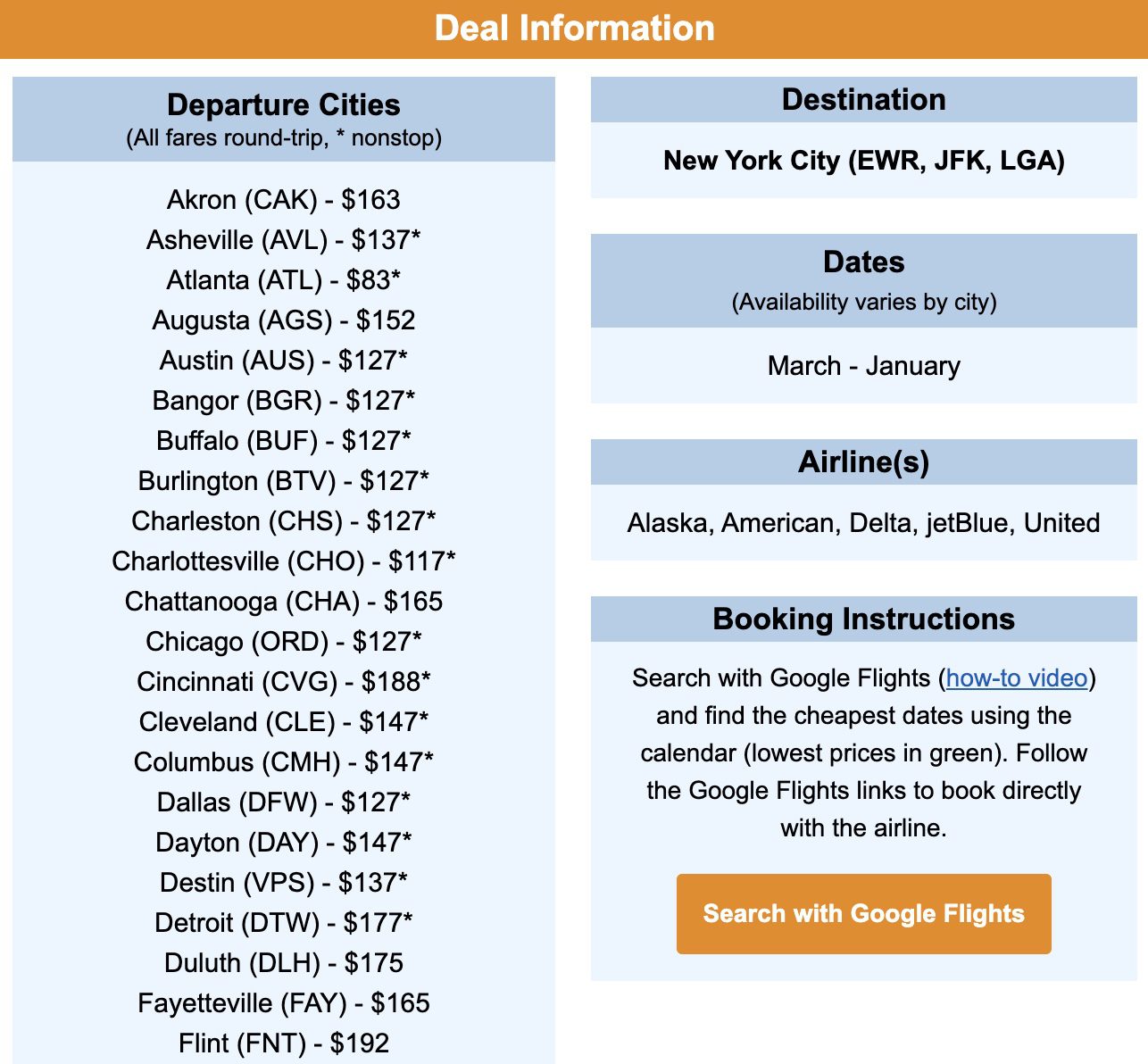
Factors Influencing Plane Ticket Prices to New York
The cost of a plane ticket to New York is rarely a simple calculation. Numerous variables converge to determine the final price displayed at booking. Recognizing these influences is paramount to making informed decisions and potentially saving money. Airlines employ sophisticated pricing algorithms that constantly adjust based on demand, seasonality, and competitor pricing. Therefore, a ticket purchased today might be significantly different in price tomorrow.
Seasonality and Demand
The time of year you plan to travel to New York is perhaps the most significant determinant of flight costs. Peak travel seasons, characterized by high demand, invariably lead to higher ticket prices. These periods often coincide with major holidays such as Christmas and New Year’s Eve, when New York sparkles with festive decorations and a plethora of events. Summer months, from June through August, also witness a surge in tourist numbers, driven by favorable weather and school holidays. Visiting during these times, while offering unique experiences like enjoying Central Park in its full summer bloom or experiencing the magic of Times Square during the holidays, will likely come at a premium.
Conversely, the shoulder seasons and off-peak periods generally offer more affordable airfare. The months of April and May, before the summer rush, can provide pleasant weather and fewer crowds. Similarly, September and October, with their crisp autumn air and the vibrant foliage that transforms the city’s parks, present an attractive and often more budget-friendly window for travel. The winter months, excluding the holiday period, from January to March, typically see the lowest demand and consequently the lowest ticket prices. While the weather can be cold, New York offers a wealth of indoor attractions, from world-class museums like the Metropolitan Museum of Art to Broadway shows.
Advance Booking and Flexibility
The adage “the earlier, the better” often holds true when it comes to booking flights to New York. Airlines release tickets many months in advance, and early bird discounts are a common strategy to fill seats. Generally, booking your flight 1 to 3 months before your departure date for domestic travel, and 2 to 6 months for international journeys, can yield the best results. Waiting until the last minute is rarely a cost-effective strategy, as prices tend to skyrocket as the departure date approaches and remaining seats become scarce.
However, there’s a sweet spot, and booking too far in advance might not always guarantee the lowest price, as airlines may introduce sales or adjust fares later. Flexibility with your travel dates can also be a significant money-saver. If your schedule allows, consider flying mid-week (Tuesdays and Wednesdays are often cheaper than Fridays or Sundays) or opting for flights at less convenient times, such as early morning or late at night. Some airlines may also offer lower fares on flights with layovers compared to direct routes. If time is not a critical constraint, exploring these options can lead to substantial savings.
Airline Choice and Class of Service
The choice of airline plays a pivotal role in the cost of your ticket to New York. Major legacy carriers, while offering a broader range of services and amenities, often come with higher price tags. Budget airlines, on the other hand, can provide significantly cheaper fares by offering fewer frills and charging extra for services like checked baggage, seat selection, and in-flight meals. It’s essential to compare the total cost, including all anticipated add-ons, when evaluating budget versus full-service carriers.
Furthermore, the class of service you select will dramatically influence the price. Economy class is the most affordable option, suitable for most travelers. Premium Economy offers slightly more legroom and enhanced service for a moderate price increase. Business Class provides a significantly more comfortable experience with lie-flat seats, gourmet dining, and priority services, commanding a much higher fare. First Class represents the pinnacle of air travel luxury, with unparalleled comfort and bespoke service, and thus the highest cost. For budget-conscious travelers, sticking to Economy class and strategically choosing your booking time and flexibility will be key to managing expenses.
Strategies for Finding Affordable Plane Tickets to New York
Securing an affordable plane ticket to New York requires a proactive and informed approach. Simply searching for flights on a single day or through a single website is unlikely to yield the best deals. Instead, a combination of smart search techniques, awareness of fare trends, and a willingness to be flexible can unlock significant savings.
Utilizing Flight Comparison Websites and Alerts
Flight comparison websites are invaluable tools for navigating the complex landscape of airfare pricing. Platforms like Google Flights, Skyscanner, Kayak, and Expedia aggregate prices from hundreds of airlines and travel agencies, allowing you to compare options side-by-side. These sites often offer features such as flexible date searches, price trend analysis, and the ability to set up fare alerts. By inputting your desired route and dates, you can receive email notifications when prices drop for your chosen flights, enabling you to book at an opportune moment.
When using these tools, experiment with different search parameters. Try searching for flights on adjacent dates to see if shifting your travel by a day or two results in a lower fare. Also, consider searching for flights to different airports serving the New York metropolitan area. The main airports are John F. Kennedy International Airport (JFK), LaGuardia Airport (LGA), and Newark Liberty International Airport (EWR) in neighboring New Jersey. Each airport can have different pricing structures and airline offerings, so comparing flights into all three can uncover hidden savings.
Considering Nearby Airports and Alternative Routes
As mentioned, exploring flights into airports beyond the most obvious choice can lead to significant savings. While JFK and LGA are the primary gateways within New York City, EWR in New Jersey often presents competitive pricing. The added cost and time of transportation from EWR into Manhattan or other boroughs should be factored into your overall budget when comparing these options. Public transportation, such as the AirTrain and NJ Transit, offers relatively affordable ways to reach the city.
In some cases, particularly for international travelers, it might be more cost-effective to fly into a major hub city on the East Coast, such as Boston or Washington D.C., and then take a connecting flight, a train (like Amtrak), or a bus to New York. This strategy requires careful calculation of the total travel time and cost, but can sometimes result in substantial savings on the main international flight. Always research ground transportation options and their associated costs thoroughly before committing to this approach.
Leveraging Airline Sales and Loyalty Programs
Airlines frequently run promotional sales, offering discounted fares on various routes, including those to New York. Subscribing to airline newsletters and following their social media accounts can keep you informed about these limited-time offers. Many airlines also have loyalty programs that allow you to earn miles or points with each flight. Accumulating these points can lead to free flights, upgrades, or discounts on future bookings. If you fly frequently, joining the loyalty programs of airlines that serve New York can be a worthwhile endeavor.
Consider also the possibility of using credit card points or airline-specific travel portals. Many travel rewards credit cards offer sign-up bonuses that can be redeemed for flights, and some cards allow you to transfer points to various airline partners, providing flexibility. Keep an eye out for special promotions that might offer bonus miles for booking flights to specific destinations or during certain periods. By combining these strategies, you can significantly reduce the financial burden of your air travel to New York.
Understanding Airport Operations and Fees in New York
The New York metropolitan area is served by a complex network of airports, each with its own operational characteristics and fee structures. Navigating these can sometimes add an unexpected layer of cost to your journey. Understanding these nuances can help you budget more accurately and avoid surprises.
Major Airports and Their Characteristics
As previously mentioned, the primary airports serving the New York region are John F. Kennedy International Airport (JFK), LaGuardia Airport (LGA), and Newark Liberty International Airport (EWR). JFK is the largest and busiest international airport in the New York metropolitan area, handling the majority of international long-haul flights. It is a major hub for many international carriers. LGA is primarily a domestic airport, with a focus on short-haul and medium-haul flights, and is conveniently located closer to Manhattan. EWR, while located in New Jersey, is an integral part of the New York air travel system and serves a mix of domestic and international flights.
Airport Fees and Taxes
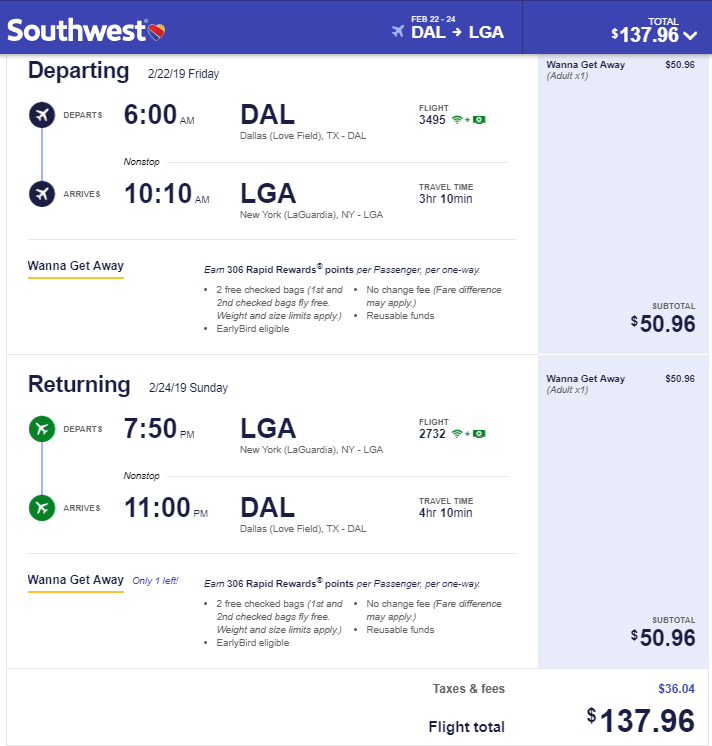
When you purchase a plane ticket, the price you see is often a base fare, but it includes various taxes and fees imposed by governments and airport authorities. These can include federal taxes, state taxes, passenger facility charges, and security fees. For flights to New York, these fees can vary slightly depending on the origin of the flight and the specific airport of arrival. While these are generally unavoidable, understanding that they are part of the ticket price can help in budget planning. It’s always advisable to review the breakdown of your ticket price to see exactly what these charges entail.
Transportation from the Airport to the City
Once your plane lands, the cost of getting to your final destination within New York City is another factor to consider. Each airport offers various transportation options, ranging from taxis and ride-sharing services to public transportation. Taxis and ride-sharing services typically offer door-to-door convenience but come at a higher cost. Public transportation, such as subways and buses, is the most economical option but may require transfers and take longer. For JFK and EWR, the AirTrain, connecting to the Long Island Rail Road (LIRR) and NJ Transit respectively, provides an efficient way to reach the city. Factor in these ground transportation costs when comparing the overall affordability of flights to different New York area airports.
The Dynamic Nature of Airfare to New York
The world of airfare is in constant flux, and prices for tickets to New York are no exception. Understanding this dynamic nature is key to becoming a savvy traveler. What might seem like a great deal today could be surpassed by an even better offer tomorrow, or conversely, prices could surge unexpectedly.
Monitoring Price Trends and Fluctuations
The digital age has empowered travelers with unprecedented access to data on flight prices. By consistently monitoring price trends for your desired route to New York, you can gain a better understanding of when prices typically rise and fall. Many flight comparison websites offer historical price data, allowing you to see average fares for specific times of the year. This information can be invaluable when deciding whether to book now or wait for a potential price drop. Patience, combined with strategic monitoring, can often lead to significant savings.
The Role of Inclement Weather and Special Events
Unforeseen circumstances can also influence flight prices. Inclement weather, such as snowstorms or hurricanes, can lead to flight cancellations and delays, often resulting in airlines offering rebooking options or sometimes lower fares to fill remaining seats once operations resume. Similarly, major special events, beyond the typical holiday seasons, can cause surges in demand and, consequently, flight prices. These might include large sporting events like the US Open, major conventions, or significant cultural festivals. Being aware of such events in New York during your potential travel window can help you anticipate price changes.

The “Hidden” Costs and Budgeting for Your Trip
Beyond the ticket price, remember to budget for the “hidden” costs associated with air travel. These can include baggage fees (especially if you’re traveling with more than one checked bag or oversized items), airport parking or transportation to the airport, in-flight entertainment or Wi-Fi if not included, and potential currency exchange fees if traveling internationally. For New York, also consider the cost of ground transportation from the airport to your accommodation, as well as the transportation within the city itself. A well-rounded budget accounts for all these ancillary expenses, ensuring a more stress-free and enjoyable travel experience. By understanding the multifaceted nature of plane ticket pricing and employing smart booking strategies, you can make your dream trip to New York a financially feasible reality.
LifeOutOfTheBox is a participant in the Amazon Services LLC Associates Program, an affiliate advertising program designed to provide a means for sites to earn advertising fees by advertising and linking to Amazon.com. Amazon, the Amazon logo, AmazonSupply, and the AmazonSupply logo are trademarks of Amazon.com, Inc. or its affiliates. As an Amazon Associate we earn affiliate commissions from qualifying purchases.