
Navigating the complexities of property taxes in California can feel like a daunting journey, especially for those new to the Golden State or considering a real estate investment. While the question “How much are property taxes California?” seems straightforward, the reality is that there isn’t a single, universal answer. Instead, property taxes in California are determined by a multifaceted system that takes into account various factors. Understanding these elements is crucial for homeowners, potential buyers, and even those considering long-term accommodation or real estate ventures within the state. This comprehensive guide will delve into the core components that shape property tax assessments, offering clarity and insight into this essential aspect of California living.
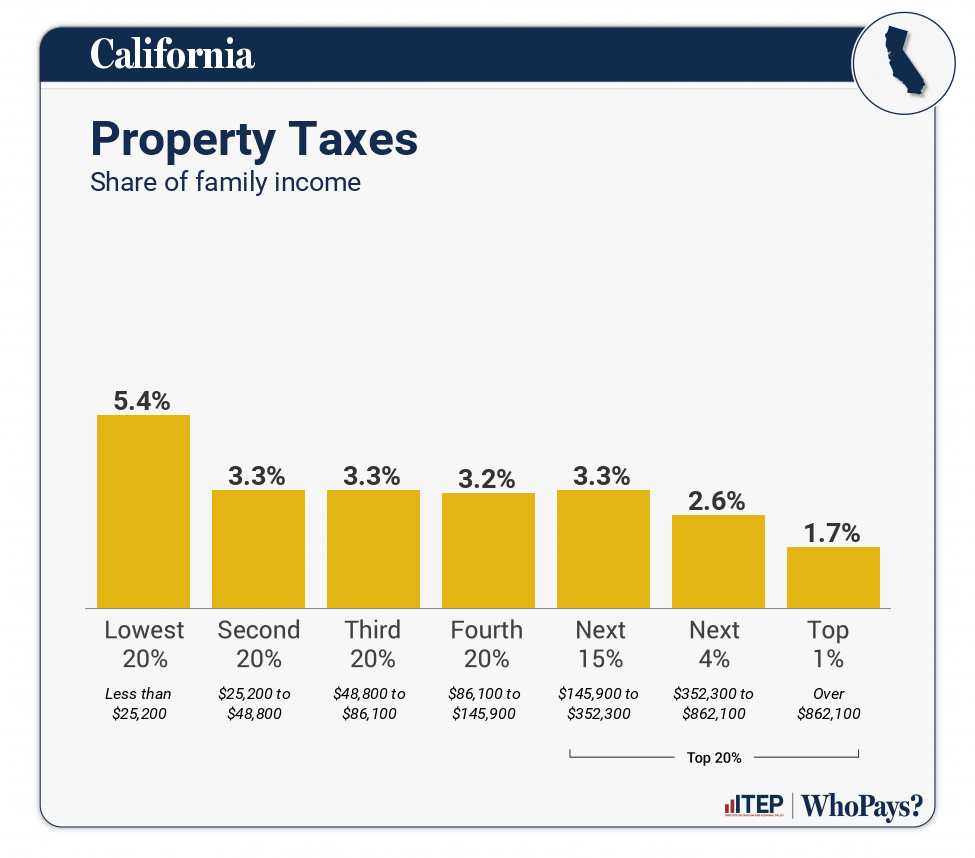
The primary driver behind property taxes in California is Proposition 13, a landmark initiative passed in 1978. This proposition fundamentally altered how real estate is taxed by establishing limits on property tax rates and reassessments. At its heart, Proposition 13 caps the maximum annual property tax rate at 1% of a property’s assessed value. However, this is just the starting point. The assessed value itself is determined at the time of acquisition or new construction and is generally limited to the original purchase price, plus an annual inflation adjustment of no more than 2%. This system has significant implications, particularly for long-term residents who may be paying substantially less in property taxes than more recent purchasers of comparable properties.
Understanding the Assessed Value: The Foundation of Your Property Tax Bill
The “assessed value” is the cornerstone upon which your property tax liability is built. In California, this value is not a static figure that constantly fluctuates with market trends, as might be expected in other jurisdictions. Instead, it’s a carefully calculated amount based on specific events and regulations.
Initial Assessment and the Impact of Proposition 13
When you purchase a property in California, its assessed value is typically set at the purchase price. This price is then used as the base for future tax calculations. Proposition 13 stipulates that this assessed value can only increase by a maximum of 2% per year, or by the actual inflation rate if it’s lower. This annual adjustment is designed to provide a degree of predictability and stability for property owners, preventing sudden, drastic increases in their tax burdens due to minor market fluctuations.
For instance, if you bought a home in San Francisco for $500,000 in 1990, its assessed value would have increased gradually over the years, capped by that 2% annual inflation adjustment. Years later, a neighbor who purchased a similar home in 2023 for $1.5 million would have a significantly higher assessed value from the outset, and consequently, a higher property tax bill, even though the properties might appear to be of similar market value today. This is a direct consequence of Proposition 13’s mechanism.
Reassessments: When the Assessed Value Can Change
While Proposition 13 provides a protective shield against constant reassessment, there are specific triggers that can lead to a property being reassessed at its current market value. These reassessments are a critical aspect of how the California property tax system adapts to significant changes in property ownership or status.
Change of Ownership: The Primary Reassessment Trigger
The most common reason for a reassessment is a “change of ownership.” This occurs when the property is sold, gifted, inherited, or transferred to another party. When a change of ownership is recorded, the county assessor will reappraise the property to its fair market value as of the date of the transfer. This means that if you buy a property, your property taxes will be based on the price you paid, not a historical value.
There are certain exceptions to this rule, often referred to as “exclusions,” designed to prevent reassessment in specific scenarios. For example, transfers between spouses, transfers to children (subject to certain limitations), and transfers upon death to a spouse or registered domestic partner typically do not trigger a reassessment. Understanding these exclusions is vital for estate planning and intergenerational property transfers.
New Construction: Adding Value, Adding Taxes
Another significant trigger for reassessment is new construction. If you build a new structure on your property, such as an addition to your home, a swimming pool, or a detached garage, the value of that new construction will be added to the property’s assessed value. The assessor will determine the market value of the new construction as of its completion and adjust the tax bill accordingly. This reassessment applies only to the new construction; the existing portion of the property continues to be taxed based on its original or previously established assessed value, subject to the Proposition 13 limitations.
Other Factors Affecting Property Taxes
Beyond the assessed value, several other factors can influence the final property tax bill in California. These include local bonded indebtedness, special assessments, and voter-approved special taxes, which are often levied to fund specific local services or improvements.
Special Assessments and Mello-Roos Taxes
In many communities across California, particularly in newer developments, you might encounter special assessments or Mello-Roos Community Facilities Districts (CFDs). These are additional taxes levied on properties within a specific district to finance public improvements such as roads, sewers, parks, and schools. Mello-Roos taxes are typically paid over a number of years and are often included in property tax bills. The amount and duration of these special assessments vary widely depending on the district and the improvements they are financing. It’s crucial to inquire about any Mello-Roos taxes or special assessments associated with a property you are considering purchasing, as they can add a significant amount to your annual tax obligation, separate from the base property tax calculated under Proposition 13.
Local Levies and Bond Measures

In addition to state-level regulations, local jurisdictions, including cities and counties, can levy additional property taxes for specific purposes. These are often passed by voters as bond measures to fund schools, public safety, or infrastructure projects. While Proposition 13 limits the base property tax rate, voter-approved measures can add to this rate. These additional levies are usually clearly itemized on the property tax bill, allowing property owners to see exactly what they are paying for.
The Average Property Tax Rate in California: A General Guideline
While the 1% cap under Proposition 13 is a fundamental principle, the effective property tax rate in California, when all additional levies are considered, is often higher. This leads to the question: what is the average property tax rate?
State Averages vs. Local Realities
The California Board of Equalization provides statistics on property taxes. Historically, the effective property tax rate in California, considering all levies including general and special taxes, hovers around 1.1% to 1.2% of the market value. However, this is a statewide average and can be misleading. The actual rate paid by a homeowner can vary significantly depending on the location within California and the specific taxes levied by that city or county.
For example, a property in a more developed area with extensive public services and existing bond measures might have a higher overall tax rate than a property in a less developed region. Similarly, properties in areas with robust school districts that have passed numerous bond measures will likely have higher property taxes.
Factors Influencing Local Rates
Several factors contribute to the variation in property tax rates across different California localities:
- Local Bond Measures and Special Taxes: As mentioned, voter-approved bond measures for schools, infrastructure, and public services directly increase the property tax burden.
- Special Assessments for Improvements: Areas with ongoing or past infrastructure projects financed through special assessments will have higher rates.
- County and City Budgets: The funding needs of local governments influence their reliance on property tax revenue.
- Housing Market Dynamics: While Proposition 13 limits reassessment, the initial purchase price of a property, which dictates the base assessed value, is heavily influenced by the local housing market. This indirectly affects the dollar amount of property tax paid.
To get a precise understanding of property taxes for a specific location, it’s essential to consult with the county assessor’s office. They can provide detailed information on the assessed value of a particular property, any applicable special assessments, and the total tax bill. This is especially crucial for individuals considering purchasing property in a new city or region, perhaps looking for a vacation home or a long-term rental investment in a popular tourist destination like Napa Valley or a coastal city like San Diego.
How Property Taxes Impact Your Budget and Lifestyle
Understanding property taxes is not just an abstract financial exercise; it has a direct and tangible impact on your personal budget and overall lifestyle in California. Whether you’re a first-time homeowner, a seasoned investor, or seeking a vacation rental, property taxes are a recurring expense that must be factored into your financial planning.
Homeownership Costs and Affordability
For aspiring homeowners, property taxes are a significant component of the monthly housing payment, alongside mortgage principal and interest, homeowners insurance, and potentially homeowners association (HOA) fees. A higher property tax bill can make a property less affordable or necessitate a larger down payment to keep monthly payments manageable. This is particularly relevant in high-cost-of-living areas like Los Angeles or Silicon Valley, where both property values and property taxes can be substantial.
When exploring different cities or even neighborhoods, researching average property tax rates should be as important as looking at school districts or commute times. For instance, someone considering relocating from Texas, where property taxes are generally higher and assessed annually based on market value, might find California’s system intriguing, especially if they plan to stay in a home for a long period. However, the impact of a change of ownership reassessment cannot be overstated.
Investment Property Considerations
For those looking to invest in real estate, whether for rental income or as a vacation property, property taxes are a direct operating expense that eats into potential profits. A vacation rental in a popular tourist spot like Disneyland‘s vicinity or a luxury villa in Palm Springs will undoubtedly come with property tax obligations. Investors need to accurately estimate these costs when calculating their return on investment (ROI). A higher property tax can significantly alter the profitability of a rental property, impacting decisions about purchasing, pricing, and managing accommodations.

Long-Term Stays and Lifestyle Choices
Even for those considering long-term stays that don’t involve outright ownership, such as extended leases in apartments or villas, the underlying property tax costs influence rental prices. Landlords factor their property tax expenses into the rent they charge. Therefore, understanding how property taxes work in California can indirectly inform your choices about where to live and what type of accommodation to seek. If you are contemplating a long-term stay in a resort town like Lake Tahoe, knowing the property tax landscape can help you budget more effectively for accommodation costs.
In conclusion, the question “How much are property taxes California?” is best answered by understanding the intricate framework of Proposition 13, the mechanisms of assessed value and reassessment, and the impact of local levies. While a general guideline of around 1% to 1.2% of market value can be used, individual circumstances and location play a paramount role. Careful research and consultation with local authorities are essential for anyone seeking to accurately estimate their property tax obligations in the Golden State. Whether you are dreaming of owning a piece of California real estate, investing in a burgeoning market, or simply planning your next extended vacation, a firm grasp of property tax implications will empower you to make informed decisions and manage your finances effectively.
LifeOutOfTheBox is a participant in the Amazon Services LLC Associates Program, an affiliate advertising program designed to provide a means for sites to earn advertising fees by advertising and linking to Amazon.com. Amazon, the Amazon logo, AmazonSupply, and the AmazonSupply logo are trademarks of Amazon.com, Inc. or its affiliates. As an Amazon Associate we earn affiliate commissions from qualifying purchases.