
Understanding property taxes is a crucial aspect of responsible homeownership, especially when considering a move to or within the vibrant state of Colorado. While Colorado offers breathtaking natural beauty, a thriving economy, and a high quality of life, the cost of property taxes is a significant factor in the overall financial picture for any homeowner. This guide delves into the intricacies of Colorado’s property tax system, providing insights into how they are calculated, what influences their rates, and how they compare to other states, offering valuable context for potential residents and existing homeowners alike.
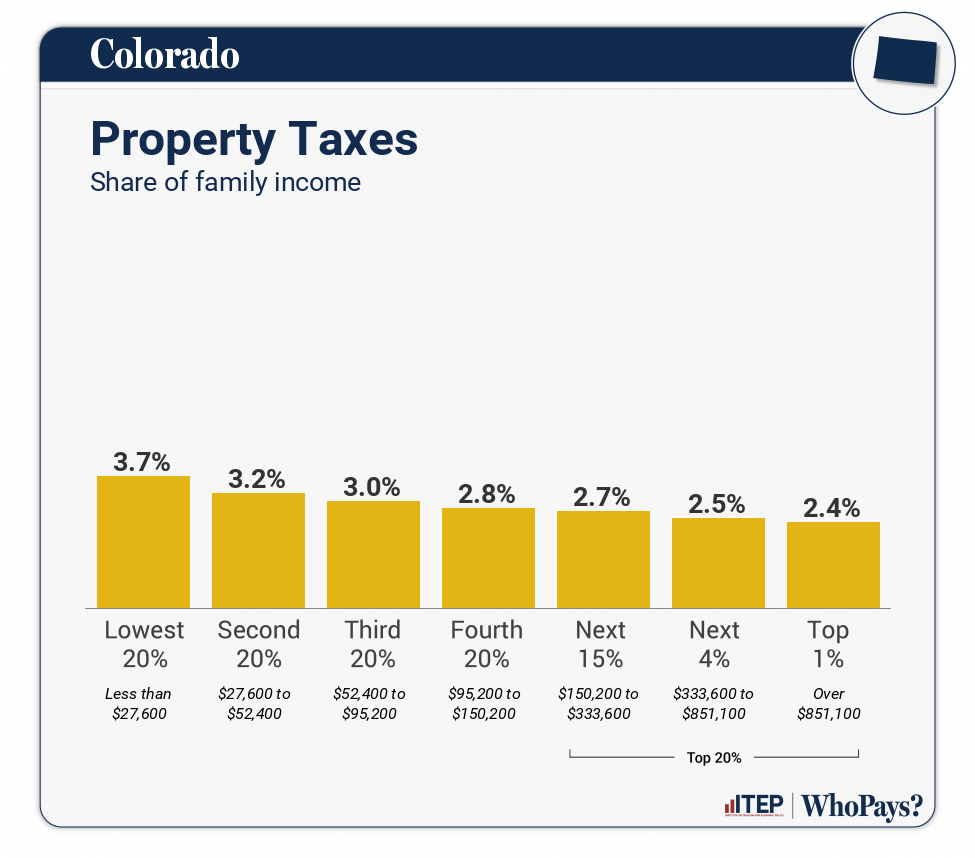
Understanding Colorado’s Property Tax Structure
Colorado operates under a unique property tax system that aims to balance the need for local government funding with the desire to keep the tax burden manageable for residents. Unlike some states that rely heavily on income taxes or sales taxes, property taxes form a significant portion of revenue for local entities such as school districts, counties, and municipalities. This revenue is essential for funding essential services like public education, infrastructure development, law enforcement, and emergency services.
The foundation of Colorado’s property tax system lies in the assessed value of a property, which is not the same as its market value. The Colorado Division of Property Taxation oversees the assessment process, ensuring that properties are valued consistently across the state. For most residential properties, the assessed value is set at 7.15% of the property’s actual market value. This means that if your home is worth $500,000, its assessed value for tax purposes would be $35,750 ($500,000 * 0.0715). This lower assessment percentage is a key feature of Colorado’s tax policy, designed to mitigate the impact of potentially high property values on tax bills.
Beyond residential properties, commercial and industrial properties, as well as agricultural land, are assessed at different rates. Commercial and industrial properties are typically assessed at 29%, while agricultural and conservation easements are assessed at a much lower rate of 26%. These varying assessment rates reflect the differing economic impacts and public benefits associated with these property types.
The actual property tax bill is then calculated by multiplying the assessed value by the mill levy. A mill levy is a rate expressed in mills, where one mill represents one-tenth of a cent, or $0.001. Mill levies are set by local taxing authorities, and their rates can vary significantly depending on the specific needs and budgets of those entities. For instance, a school district with extensive facility needs or a growing population might have a higher mill levy than a smaller, more established district.
The Role of the County Assessor
The County Assessor’s Office plays a pivotal role in the property tax process. Each county in Colorado has an assessor responsible for valuing all taxable property within their jurisdiction. This valuation process typically occurs every two years, though assessors can make adjustments based on significant property changes or market fluctuations. Homeowners have the right to appeal their property valuation if they believe it is inaccurate. The assessor’s office provides the assessed value, and the local taxing entities determine the mill levies, ultimately resulting in the final property tax bill.
Property Tax Limitations and Relief Programs
Recognizing the potential financial strain of property taxes, Colorado has implemented several limitations and relief programs to assist homeowners. One of the most significant is the Colorado Property Tax Limitation Act, often referred to as the “Gallagher Amendment.” This amendment mandates that the ratio of residential property taxes to all property taxes in the state must remain at 45%. As residential property values have increased dramatically over the years, the assessed value percentage for residential properties has been reduced from its original 21% to the current 7.15% to maintain this 45% ratio. While this has provided significant relief to homeowners, it has also placed a greater burden on commercial properties and has led to ongoing discussions about tax reform.
For seniors, there’s the Senior Property Tax Exemption. Eligible seniors who are 65 years or older and have owned their home for at least 10 consecutive years may be able to exempt a portion of their home’s value from property taxes. The amount of the exemption is determined annually by the state. This program is invaluable for many long-time residents who wish to remain in their homes as they age.
Additionally, there are provisions for “abatement” of property taxes in cases of hardship, such as natural disasters or significant economic distress. These programs are typically administered at the county level and can provide temporary or permanent relief depending on the circumstances.
Factors Influencing Colorado Property Tax Rates
Several factors contribute to the variability of property taxes across Colorado. Understanding these elements can help homeowners anticipate their tax obligations and make informed decisions about where to live.
Location, Location, Location
Perhaps the most significant determinant of property tax rates is location. Different counties, cities, and school districts within Colorado have varying mill levies. These differences are driven by the unique funding needs of each local government. For example, a rapidly growing metropolitan area like Denver or Boulder may require more funding for infrastructure and public services, leading to higher mill levies compared to a more rural or less developed region. Conversely, areas with robust tourism economies and significant commercial development might have a higher tax base, potentially allowing for lower mill levies.
Property Type and Value
As mentioned earlier, the type of property significantly impacts its assessed value and, consequently, its tax liability. Residential, commercial, industrial, and agricultural properties are all subject to different assessment rates. Within the residential category, the market value of a property is the primary driver of its assessed value. A luxury home in an affluent neighborhood will naturally have a higher assessed value and a larger tax bill than a modest home in a less expensive area, even if they are in the same taxing district.
Local Government Budgets and Needs
The budgets and funding priorities of local taxing authorities are the direct cause of varying mill levies. School districts, for instance, are a major driver of property taxes. Districts facing enrollment growth, needing to build new schools, or seeking to increase teacher salaries will often have higher mill levies. Similarly, counties and municipalities that are investing in significant infrastructure projects, public safety initiatives, or community development programs will require more tax revenue. Understanding the financial health and priorities of these local entities is key to understanding why property taxes differ from one jurisdiction to another.
Economic Development and Tax Base
The economic health and composition of a community’s tax base also play a role. Areas with a strong commercial and industrial presence often have a broader tax base, meaning a larger proportion of the tax burden is borne by businesses rather than individual homeowners. This can sometimes lead to lower property tax rates for residents. Conversely, communities heavily reliant on residential property taxes may have higher rates for homeowners if the overall property values are not exceptionally high.
Comparing Colorado Property Taxes to Other States
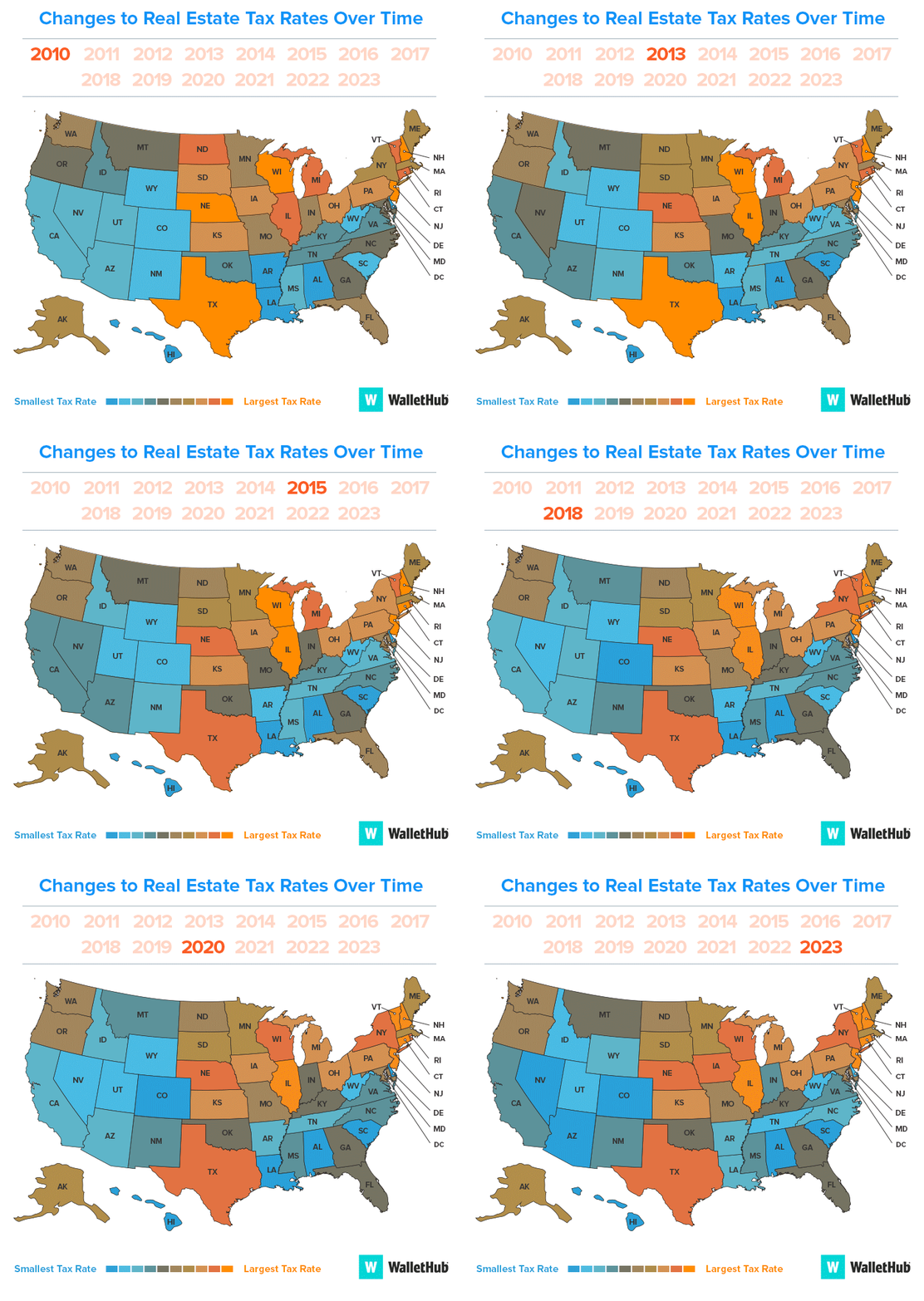
When considering the overall cost of living, it’s helpful to compare Colorado’s property taxes to those in other parts of the United States. Generally, Colorado is considered to have moderate property taxes. Its effective property tax rates – the actual amount paid as a percentage of home value – tend to fall in the middle of the national spectrum.
States like New Jersey, Illinois, and Texas are often cited as having some of the highest property taxes in the nation, with effective rates significantly exceeding those in Colorado. These states may have higher mill levies, higher assessment rates, or a combination of factors that contribute to a larger property tax burden for homeowners.
Conversely, states like Alabama, Louisiana, and Delaware often have lower property tax rates. These states may rely more heavily on other forms of taxation, such as sales or income taxes, to fund their government services.
It’s important to remember that a state’s property tax rate is just one piece of the puzzle when evaluating the overall tax burden. A state with low property taxes might have high income or sales taxes, and vice versa. Therefore, a comprehensive financial analysis is always recommended when relocating or making significant financial decisions.
The Impact of the Gallagher Amendment
The Gallagher Amendment has had a profound impact on Colorado’s relative position in property tax rankings. By ensuring that residential property taxes do not exceed 45% of the total property tax revenue, the amendment has effectively capped the growth of residential property taxes even as home values have soared. While this has been a boon for homeowners, it has created funding challenges for local governments and has been a subject of intense debate and legislative efforts to reform or repeal it. The ongoing discussions around property tax reform in Colorado highlight the complex interplay between property values, tax revenue needs, and homeowner affordability.
Navigating Your Property Tax Bill in Colorado
Once you understand the general principles of property taxation in Colorado, the next step is to know how to interpret and manage your specific tax bill.
Decoding Your Tax Notice
Your annual property tax notice, typically sent out by your County Treasurer’s Office, will break down the calculation of your tax liability. It will clearly state your property’s actual value, its assessed value, the mill levies applied by each taxing district (school, county, city, special districts), and the total tax due. Reviewing this notice carefully each year is essential to ensure accuracy and to understand any changes from previous years.
Payment Options and Deadlines
In Colorado, property taxes are generally due in two installments. The first half is typically due by February 28th, and the second half is due by June 15th. Many counties offer the option to pay the entire year’s taxes at once by the first deadline. It’s crucial to adhere to these deadlines to avoid penalties and interest charges. You can usually pay online, by mail, or in person at your county treasurer’s office.
Appealing Your Property Valuation
If you believe your property has been over-assessed, you have the right to appeal. The process typically begins by contacting your County Assessor’s Office. They will explain the appeals process, which often involves submitting evidence to support your claim, such as recent appraisals or comparable sales data. The assessor will then review your case, and if no agreement is reached, you may have the option to appeal to the County Board of Equalization and subsequently to the State Board of Property Tax Appeals. Acting promptly within the specified appeal periods is vital.

Budgeting for Property Taxes
For homeowners, property taxes are an ongoing expense that needs to be factored into a regular budget. Many homeowners choose to escrow their property taxes, meaning their mortgage lender collects a portion of the taxes with each monthly mortgage payment and then pays the full tax bill on their behalf. If you do not escrow, it is wise to set aside funds each month to ensure you have the full amount ready by the due dates. Planning and proactive budgeting can prevent financial stress and ensure you remain in good standing with your tax obligations.
In conclusion, understanding property taxes in Colorado is an integral part of being a homeowner in the Centennial State. While the system can seem complex, by grasping the concepts of assessed value, mill levies, and the factors that influence them, homeowners can navigate their tax responsibilities with greater confidence. The state’s commitment to balancing local funding needs with homeowner relief, through programs like the Gallagher Amendment and senior exemptions, shapes a property tax landscape that, while requiring attention, generally offers a moderate burden compared to many other states.
LifeOutOfTheBox is a participant in the Amazon Services LLC Associates Program, an affiliate advertising program designed to provide a means for sites to earn advertising fees by advertising and linking to Amazon.com. Amazon, the Amazon logo, AmazonSupply, and the AmazonSupply logo are trademarks of Amazon.com, Inc. or its affiliates. As an Amazon Associate we earn affiliate commissions from qualifying purchases.