
Navigating Florida’s Roads: An Overview for Travelers
Florida, with its stunning beaches, vibrant cities like Miami and Orlando, and world-class attractions, draws millions of visitors annually. For many, exploring the Sunshine State involves renting a car and hitting the open road, offering the freedom to discover everything from the serene Everglades to the bustling streets of Tampa. While driving in Florida is generally straightforward, understanding local traffic laws is paramount to ensure a smooth and enjoyable journey. One area that often causes confusion, particularly for out-of-state drivers, is the prevalence and enforcement of red light cameras.
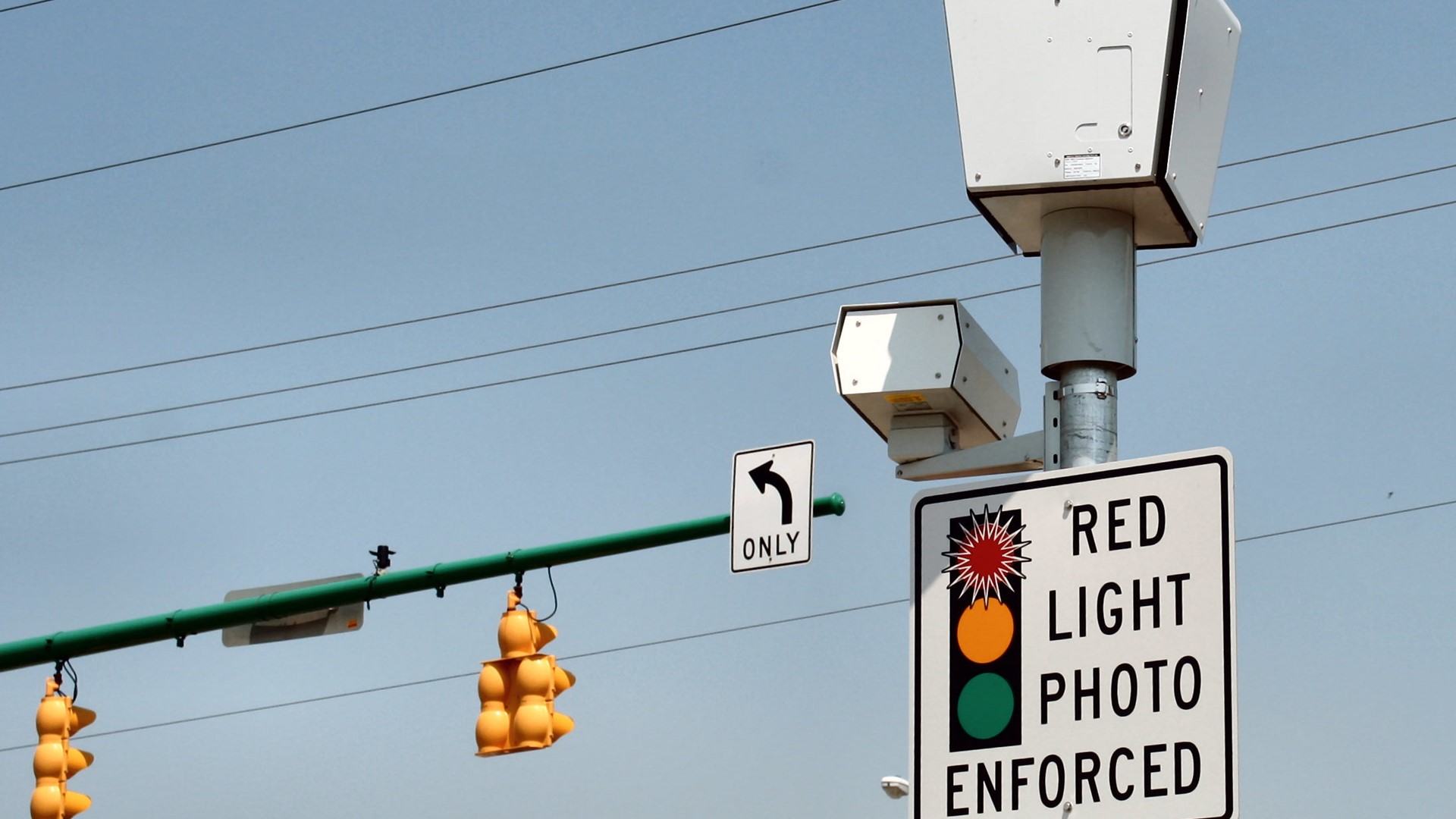
These automated systems, designed to enhance road safety by deterring drivers from running red lights, can inadvertently catch unaware travelers off guard. A sudden flash at an intersection might be your first, unwelcome introduction to Florida’s red light camera program. Receiving a ticket, especially when far from home, can be a significant inconvenience and an unexpected drain on travel budgets. Therefore, a proactive understanding of how these cameras operate, the costs associated with violations, and strategies to avoid them is an essential part of any traveler’s guide to Florida. This knowledge not only helps prevent fines but also contributes to safer driving practices, making your trip more relaxed and memorable for all the right reasons.
Understanding Red Light Camera Enforcement in Florida
Red light cameras are a fixture in many Florida municipalities, installed at intersections deemed to have a high incidence of crashes caused by red light violations. These systems are controversial but remain a tool used by local governments to promote safety and manage traffic flow. For travelers, recognizing how these systems work and where they are likely to be encountered is the first step in avoiding a costly infraction.
The Florida Markings: Where Cameras Are Found
Red light cameras in Florida are typically installed at major intersections, often in areas with heavy traffic volume or a history of accidents. Cities such as Miami, Orlando, Jacksonville, and Tampa are among those that have implemented comprehensive red light camera programs. State law, specifically Florida Statute 316.0083, mandates that local authorities provide notice of red light cameras through signs posted at appropriate locations. These signs are usually situated on all approaches to an intersection equipped with a camera, serving as a clear warning to drivers. While the absence of a sign might be a defense in some cases, it’s always safer to assume a camera could be present at any signalized intersection, especially in urban areas. Observing traffic ahead and remaining vigilant for the standard traffic signal, rather than relying solely on signage, is a prudent approach.
The Mechanics of a Red Light Camera Citation
When a vehicle enters an intersection after the traffic signal has turned red, a red light camera system captures a series of images or video footage. These systems are activated by sensors embedded in the pavement or via radar, which detect a vehicle crossing the stop line after the light has changed. The evidence typically includes:
- A still image of the vehicle before it enters the intersection, with the red light clearly visible.
- A second still image of the vehicle in the intersection, still with the red light displayed.
- A close-up image of the vehicle’s license plate.
- A short video clip demonstrating the vehicle’s movement through the intersection.
This photographic and video evidence is then reviewed by a law enforcement officer or a designated technician. If a violation is confirmed, a “Notice of Violation” is issued and mailed to the registered owner of the vehicle. This initial notice is distinct from a “Uniform Traffic Citation” and carries specific implications, particularly for out-of-state drivers, as detailed in the next section. It’s crucial for travelers to understand that the system records the event, not necessarily the driver, which can lead to complications if a rental car is involved.
The Financial Impact: Ticket Costs and Fees
Receiving a red light camera ticket while traveling in Florida can be an unwelcome surprise. The costs associated with these violations are significant and can escalate quickly if not addressed promptly. Understanding the tiered system of penalties is vital for any visitor.
Initial Violation vs. Uniform Traffic Citation
In Florida, the process typically begins with a “Notice of Violation” for a red light camera infraction. This notice is civil in nature and, by law, cannot add points to a Florida driver’s license. The standard fine for this initial Notice of Violation is generally $158. This amount covers the state-mandated penalty and local administrative fees.
However, if the recipient of the Notice of Violation fails to pay the fine or contest it within the specified timeframe (usually 30 or 60 days, as indicated on the notice), the situation escalates. The local government agency then has the option to issue a “Uniform Traffic Citation” (UTC). A UTC is a moving violation, which carries a much higher fine, typically around $262 or more, and importantly, can result in points being assessed against a Florida driver’s license. For out-of-state drivers, while Florida itself cannot directly add points to an out-of-state license, the home state’s Department of Motor Vehicles may choose to apply points under interstate compacts, such as the Driver License Compact. This conversion from a civil infraction to a moving violation significantly increases the financial burden and potential long-term consequences.
Additional Penalties and Consequences
Beyond the base fine, several other penalties and consequences can arise from a red light camera ticket:
- Late Fees: If the initial Notice of Violation is not paid by the deadline, late fees are often added before a UTC is issued, further increasing the total cost.
- Court Costs: If a UTC is contested in court and the driver is found liable, additional court costs and administrative fees will be applied on top of the higher fine. This can quickly push the total well over $300.
- Impact on Insurance Rates: While the initial Notice of Violation does not directly impact insurance rates for Florida residents because it doesn’t result in points, a converted UTC, being a moving violation, most certainly can. Insurers often review driving records for moving violations and may increase premiums based on this information, regardless of the driver’s home state.
- Driver’s License Issues for Out-of-State Visitors: This is a critical point for travelers. If a UTC is issued and remains unpaid, the Florida Department of Highway Safety and Motor Vehicles (DHSMV) can place a hold on the driver’s license. Through interstate compacts, this hold can prevent the driver from renewing their license in their home state until the Florida fine is resolved. This can lead to significant inconvenience and legal complications for travelers who might not be aware of the severity of an unpaid Florida ticket. Resolving such issues from afar can be particularly challenging and costly.
Strategies for Avoiding Red Light Camera Tickets While Traveling
Prevention is always better than cure, especially when it comes to traffic tickets in an unfamiliar state. Adopting proactive driving habits and utilizing available resources can significantly reduce the risk of receiving a red light camera ticket during your Florida travels.
Defensive Driving Practices
- Always Stop Before the White Line: The most fundamental rule for avoiding red light camera tickets is to ensure your vehicle comes to a complete stop before the solid white stop line at intersections when the light is red. Even creeping slightly over the line can trigger the sensors.
- Be Aware of Your Surroundings: Actively look for red light camera signs on the approach to intersections, as mandated by Florida law. However, don’t rely solely on signs; maintaining situational awareness and anticipating light changes is key.
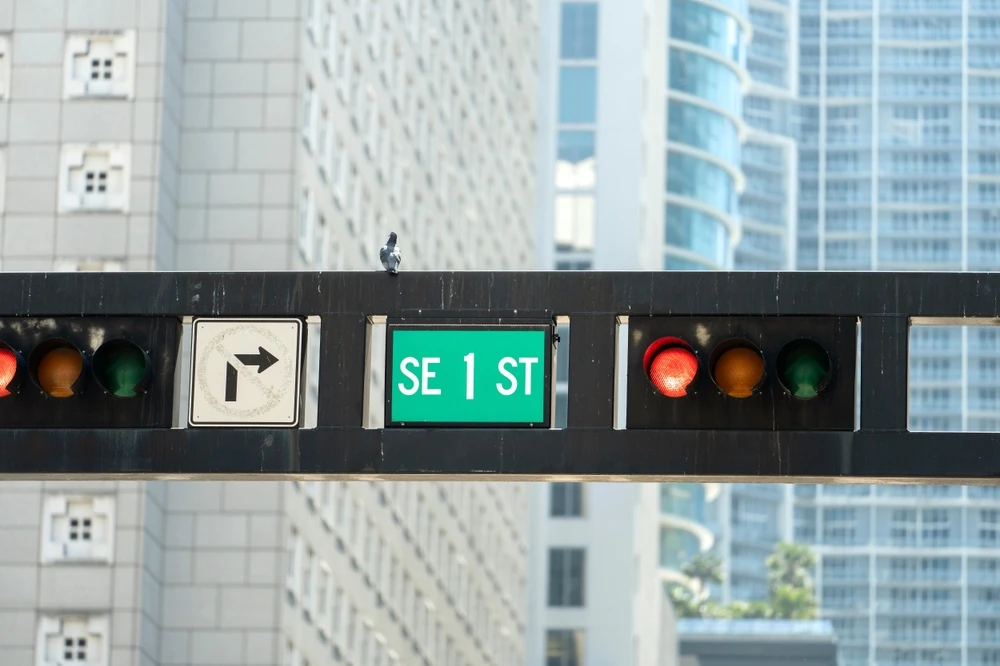
- Exercise Caution with Right-on-Red: In Florida, turning right on red is generally permitted after a complete stop, unless prohibited by signage. However, red light cameras are particularly sensitive to this maneuver. Always make a full and complete stop before proceeding, and ensure the way is clear and no “No Turn on Red” sign is present. If in doubt, wait for the green light.
- Maintain a Safe Following Distance: This allows you ample time to react to sudden stops or changes in traffic light signals, preventing you from having to slam on your brakes or, worse, driving through an intersection on a red light.
- Avoid Distractions: Keep your focus entirely on the road. Distracted driving, whether by a phone, passengers, or navigation systems, can lead to missing crucial cues like a changing traffic light or a red light camera warning sign.
Planning Your Routes
- Utilize Navigation Apps with Camera Warnings: Many modern GPS and navigation applications, such as Waze or Google Maps, incorporate features that alert drivers to the presence of red light cameras. While not infallible, these warnings can serve as helpful reminders to be extra vigilant at upcoming intersections.
- Familiarize Yourself with Florida Traffic Laws: Before embarking on your road trip, take a few minutes to review basic Florida traffic regulations. A quick online search can provide valuable insights into state-specific rules, speed limits, and enforcement practices. Understanding that red light cameras are prevalent is a crucial piece of this knowledge.
- Consider Driving Conditions: Heavy rain, common in Florida, can reduce visibility and increase stopping distances. Adjust your speed and driving habits accordingly to ensure you can stop safely before the stop line, even if the light changes unexpectedly.
What to Do If You Receive a Ticket as an Out-of-State Driver
Even with the best intentions and diligent driving, sometimes a red light camera ticket still finds its way to your mailbox. For out-of-state drivers, the process of dealing with such a ticket requires careful attention to avoid further complications, especially since you are far from the jurisdiction.
Paying the Fine
Upon receiving a “Notice of Violation,” the simplest and often most expedient solution for travelers is to pay the fine. The notice will include detailed instructions on how to remit payment, typically through online portals, by mail, or via phone. Ensure you pay the correct amount by the deadline specified on the notice to avoid the escalation to a Uniform Traffic Citation and subsequent higher fines and potential penalties.
The consequences of non-payment for out-of-state drivers can be severe. If the Notice of Violation converts to a UTC and remains unpaid, the Florida DHSMV can place a hold on your driver’s license record. Through interstate agreements like the Driver License Compact or the Nonresident Violator Compact, this hold can then be transmitted to your home state’s Department of Motor Vehicles. This effectively means you could be unable to renew your driver’s license in your own state until the Florida ticket is fully resolved. Such a situation can lead to significant inconvenience, additional fees, and potentially even legal issues in your home state. Therefore, it is strongly advised to address any Florida red light camera ticket promptly.
Contesting the Ticket
While paying the fine is often the easiest route, there are legitimate circumstances where contesting a red light camera ticket might be advisable. This option should be carefully considered, especially given the distance and potential costs for a traveler.
Grounds for contesting could include:
- Clear Evidence of No Violation: For example, if your vehicle was demonstrably behind the stop line when the light turned red, or if you were legally in the intersection performing a right-on-red after a complete stop.
- Malfunctioning Camera/Equipment: Though rare, technical errors can occur.
- Vehicle Identification Error: If the license plate captured is not yours, or if there’s confusion with a rental vehicle’s registration.
- Emergency Circumstances: While generally a difficult defense, extreme emergencies might be considered.
The process for contesting a Notice of Violation involves requesting a hearing with the local traffic court, as outlined on the notice. If you’ve already received a UTC, contesting becomes a more formal legal process, typically involving an appearance before a judge. For travelers, attending a court hearing in Florida can be impractical and costly, potentially requiring travel back to the state or hiring a local attorney. An attorney specializing in traffic law in the specific Florida county where the violation occurred can provide advice on the viability of your case and represent you in court without your physical presence. While hiring an attorney incurs additional costs, it might be a worthwhile investment if the fine is substantial, if there’s a strong chance of points on your license, or if you believe you were clearly not at fault and want to avoid potential long-term impacts on your driving record or insurance. Weigh the cost of the ticket against the cost and inconvenience of contesting it, especially from out of state.
LifeOutOfTheBox is a participant in the Amazon Services LLC Associates Program, an affiliate advertising program designed to provide a means for sites to earn advertising fees by advertising and linking to Amazon.com. Amazon, the Amazon logo, AmazonSupply, and the AmazonSupply logo are trademarks of Amazon.com, Inc. or its affiliates. As an Amazon Associate we earn affiliate commissions from qualifying purchases.