
Traveling through the vast and diverse landscapes of Texas offers a truly captivating experience. From the vibrant cityscapes of Austin and Dallas to the historic charm of San Antonio and the coastal beauty of Galveston, the Lone Star State boasts an incredible array of attractions and experiences. Whether you’re embarking on a luxurious escape, a budget-friendly adventure, or a memorable family trip, Texas caters to every travel style. However, as you navigate the open roads, it’s crucial to be aware of traffic regulations, especially speed limits, as speeding tickets can significantly impact your travel budget and overall experience. Understanding the potential costs associated with a speeding violation in Texas is paramount to enjoying your journey without unexpected financial burdens.
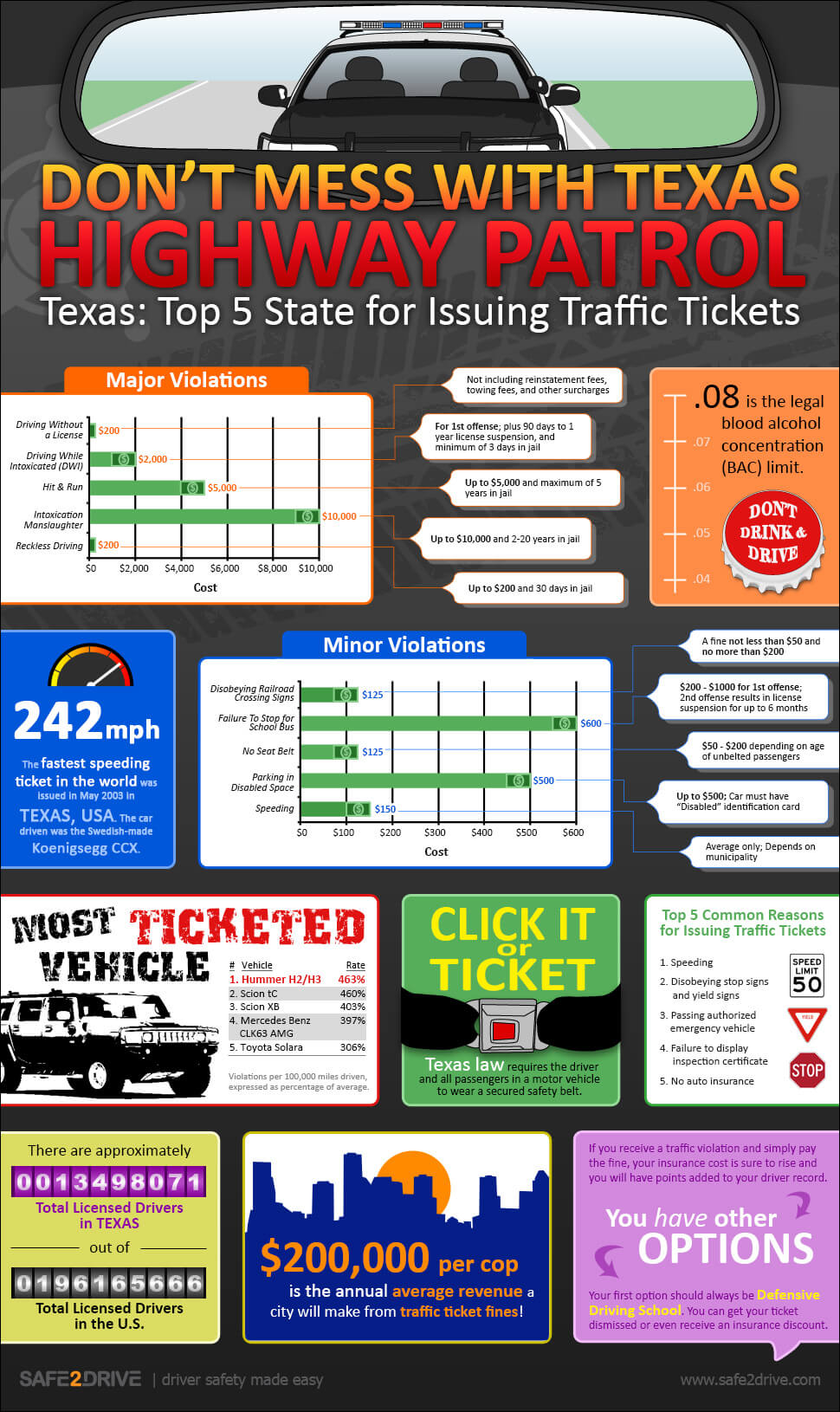
This comprehensive guide delves into the intricacies of speeding ticket fines in Texas, breaking down the factors that influence the cost and offering practical advice to help you avoid them. We’ll explore the legal framework, the potential financial repercussions, and how these violations might affect your travel plans, including accommodation choices and future travel aspirations.
Understanding Texas Speeding Ticket Fines
The cost of a speeding ticket in Texas isn’t a one-size-fits-all figure. Several elements contribute to the final amount you’ll be required to pay. While the base fine might seem straightforward, court costs, surcharges, and potential increases based on the severity of the violation can quickly escalate the expense.
The Base Fine and Its Variables
The base fine for a speeding ticket in Texas is determined by how far over the posted speed limit you were traveling. Generally, the faster you were going, the higher the base fine. For instance, a minor infraction, such as being a few miles per hour over the limit, will incur a lower fine compared to a significant speed transgression. The specific dollar amounts can vary slightly between different counties and municipalities, as local jurisdictions have some discretion in setting their fine schedules.
However, it’s important to note that the base fine is just the beginning. Texas imposes several mandatory surcharges and fees on traffic violations. These can include:
- State Traffic Fine: A portion of your fine goes directly to the state for general revenue.
- Court Costs: These are administrative fees charged by the court to process your ticket.
- State Transportation Fund Surcharge: This surcharge contributes to the upkeep and development of Texas‘ transportation infrastructure.
- Indigent Defense Fund Surcharge: This fee supports legal aid for individuals who cannot afford an attorney.
- Other Local or County Fees: Depending on the jurisdiction where you received the ticket, there might be additional local fees.
When these additional costs are factored in, a seemingly small speeding ticket can quickly become a much larger expense. For example, a base fine of $100 could easily balloon to $200 or more once all surcharges and fees are applied.
The Impact of Speeding Location and Circumstances
The location where you receive a speeding ticket can also influence the final cost. Certain areas in Texas have higher fine structures or specific ordinances that might increase the penalty. For instance, tickets issued in school zones or construction zones often carry significantly higher fines due to the increased risk to vulnerable populations. These zones are designed to protect children and workers, and exceeding the speed limit in these areas is taken very seriously by law enforcement.
Furthermore, the circumstances surrounding the stop can play a role. If your speeding was deemed reckless or contributed to an accident, the penalties will be much more severe, potentially including criminal charges. Law enforcement officers have discretion in issuing tickets, and their assessment of your driving behavior can impact the charges filed.
The Cost of a Texas Speeding Ticket: A General Overview
While exact figures can vary, here’s a general idea of what you might expect:
- Minor Speeding (e.g., 1-10 mph over the limit): The base fine might be around $50-$100, but with surcharges, the total could range from $150-$250.
- Moderate Speeding (e.g., 11-20 mph over the limit): The base fine could be in the range of $75-$150, with total costs potentially reaching $200-$350.
- Significant Speeding (e.g., 20+ mph over the limit): Base fines can start at $100 and go up significantly. Total costs could easily exceed $300-$500, and in some cases, much higher.
- Speeding in a School or Construction Zone: Fines are often doubled or more, making these violations particularly expensive.
It’s essential to remember that these are estimates. The best way to get an accurate understanding of potential costs is to refer to the specific ticket you receive, which will outline the charges and applicable fees, or to contact the court clerk in the jurisdiction where the ticket was issued.
Consequences Beyond the Fine: Points, Insurance, and Travel Impacts
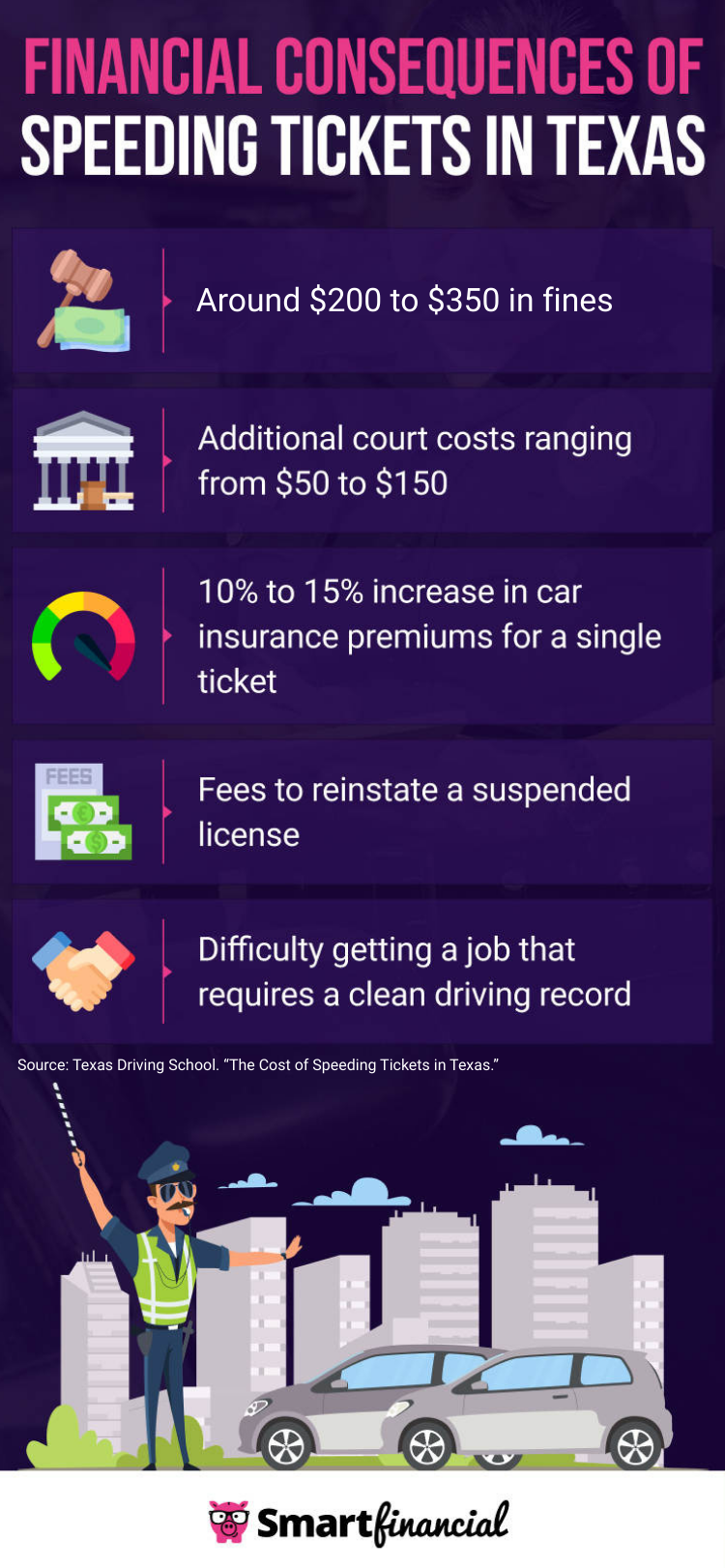
The financial cost of a speeding ticket in Texas is not the only repercussion to consider. Violations can lead to points on your driving record, increased insurance premiums, and even affect your ability to travel or secure certain accommodations.
Accumulating Points on Your Driving Record
Texas operates a point system for traffic violations. Each moving violation, including speeding, adds points to your driving record. Accumulating too many points can lead to a driver’s license suspension. For instance, accumulating six or more points in a three-year period can result in a Texas Department of Public Safety (DPS) surcharge. This surcharge is an additional annual fee imposed by the state to encourage safer driving habits. The longer you maintain a clean driving record, the fewer points you accumulate over time. However, a series of speeding tickets can quickly push you over the threshold, leading to further financial penalties and the inconvenience of a suspended license.
The Ripple Effect on Auto Insurance Premiums
One of the most significant long-term consequences of a speeding ticket is its impact on your auto insurance premiums. Insurance companies view speeding violations as an indicator of higher risk. After you receive a speeding ticket, your insurance provider will likely increase your premium. The amount of the increase varies depending on your insurance company, your driving history, the severity of the speeding violation, and your location. In some cases, a single speeding ticket can lead to a 10-20% increase in your annual premium, and multiple tickets can cause even more substantial hikes.
This increased cost can make your travel budget tighter, especially if you plan extensive road trips. For those who rely on their vehicles for business stays or extended family trips, higher insurance costs can become a significant financial burden over time. When budgeting for your Texas adventures, factor in the potential for increased insurance costs following any traffic violations.
Impact on Travel and Accommodation Plans
While not a direct consequence of the ticket itself, the financial strain and potential license suspension from multiple speeding tickets can indirectly impact your travel plans. If your license is suspended, spontaneous road trips to explore attractions like the Alamo or the beaches of South Padre Island become impossible.
Furthermore, a driving record with multiple violations might raise concerns for car rental agencies. While most agencies focus on the validity of your license, severe or frequent violations could, in some rare cases, lead to a denial of rental services.
For those seeking long-term stays or booking premium accommodations like a suite at the Hotel San Marcos or a villa at a resort near Austin, a history of serious traffic violations, while not typically a direct booking factor, can contribute to a general perception of irresponsibility. More critically, if a suspended license prevents you from reaching your destination or fulfilling rental agreements, your entire travel itinerary, including pre-paid accommodation and tour bookings, could be jeopardized. This underscores the importance of responsible driving, not just for avoiding immediate fines, but for ensuring the smooth execution of your travel plans.
Strategies for Avoiding Speeding Tickets and Their Costs
The most effective way to deal with speeding tickets is, of course, to avoid getting them in the first place. By adopting safe driving practices and being mindful of speed limits, you can save yourself money, stress, and potential travel disruptions.
Adhering to Speed Limits and Posted Signs
This might seem obvious, but consistently adhering to posted speed limits is the most straightforward method to avoid speeding tickets. Familiarize yourself with the speed limits in different zones – residential areas, highways, and especially school and construction zones, which often have reduced limits. Pay close attention to traffic signs, as they can change frequently, particularly in areas undergoing construction or maintenance. Using cruise control on highways can be an excellent tool to maintain a consistent and legal speed.
Understanding Local Driving Laws and Etiquette
Texas has specific traffic laws, and understanding them can help you navigate the roads safely and legally. Be aware of laws regarding passing, lane changes, and yielding. Additionally, observing local driving etiquette can prevent misunderstandings and potential confrontations that might lead to increased scrutiny from law enforcement. For example, in more densely populated areas like Houston, traffic can be more complex, and maintaining a predictable driving pattern is key.
What to Do If You Receive a Speeding Ticket
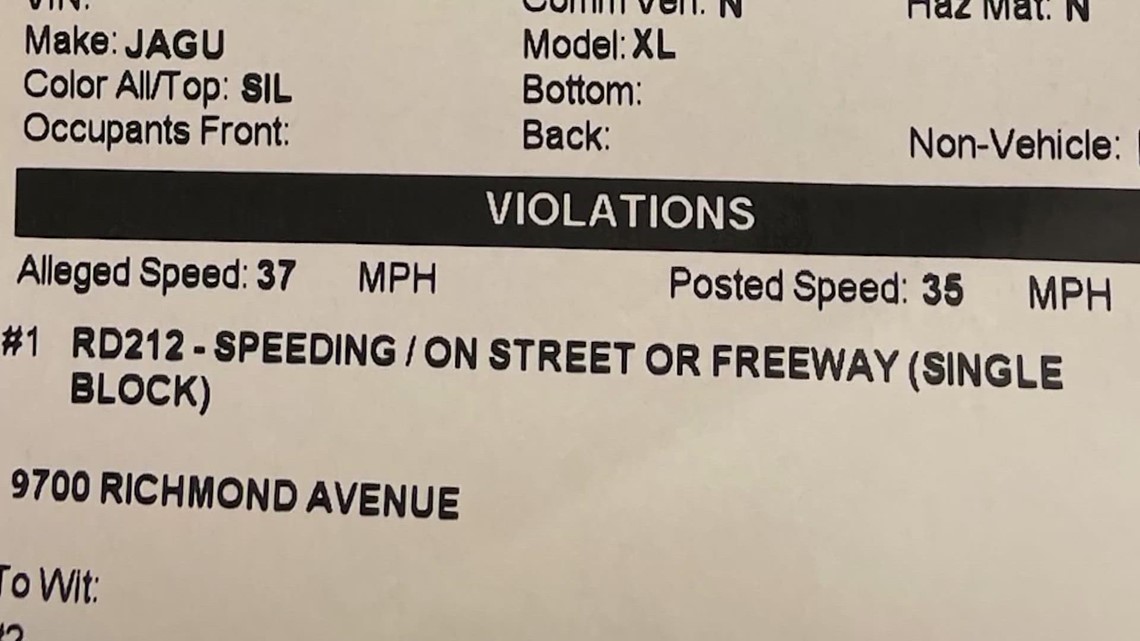
Despite your best efforts, you might still find yourself receiving a speeding ticket. In such situations, understanding your options is crucial.
- Pay the Fine: The simplest option is to pay the fine by the due date. This acknowledges your guilt and resolves the ticket. However, this will result in points on your record and potential insurance premium increases.
- Contest the Ticket: You have the right to contest the ticket in court. This could involve presenting evidence that you were not speeding or that the citation was issued in error. Many people choose to hire a traffic attorney to represent them in court, as they have experience navigating the legal system and can often negotiate reduced fines or alternative resolutions.
- Request a Defensive Driving Course: In many cases, Texas allows drivers to attend a defensive driving course to have a speeding ticket dismissed. This is typically an option for minor moving violations and if you haven’t taken a course for a similar purpose within the past 12 months. Successfully completing the course and providing proof of completion to the court will usually result in the ticket being dismissed from your record, preventing points from being added and avoiding an insurance increase. This can be an excellent way to manage the consequences of a minor speeding offense, especially if you’re planning a trip that requires a clean driving record.
By being proactive and informed, you can significantly reduce the likelihood of receiving speeding tickets in Texas, ensuring your travels through this magnificent state remain enjoyable, stress-free, and within your budget. Whether you’re exploring the historic missions of San Antonio, enjoying the nightlife in Dallas, or soaking up the sun on the coast, a focus on safe and legal driving will enhance your Texas experience.
LifeOutOfTheBox is a participant in the Amazon Services LLC Associates Program, an affiliate advertising program designed to provide a means for sites to earn advertising fees by advertising and linking to Amazon.com. Amazon, the Amazon logo, AmazonSupply, and the AmazonSupply logo are trademarks of Amazon.com, Inc. or its affiliates. As an Amazon Associate we earn affiliate commissions from qualifying purchases.