
Florida, the Sunshine State, beckons millions of travelers each year with its pristine beaches, vibrant cities, and world-class attractions. From the enchanting theme parks of Orlando to the lively streets of Miami and the historic charm of St. Augustine, there’s an endless array of experiences awaiting visitors. However, for those planning a road trip or even just commuting within the state, understanding Florida’s’ extensive toll road network is absolutely crucial. Tolls can significantly impact your travel budget and overall journey, making it essential to know how they work, how much they cost, and the best ways to pay for them.
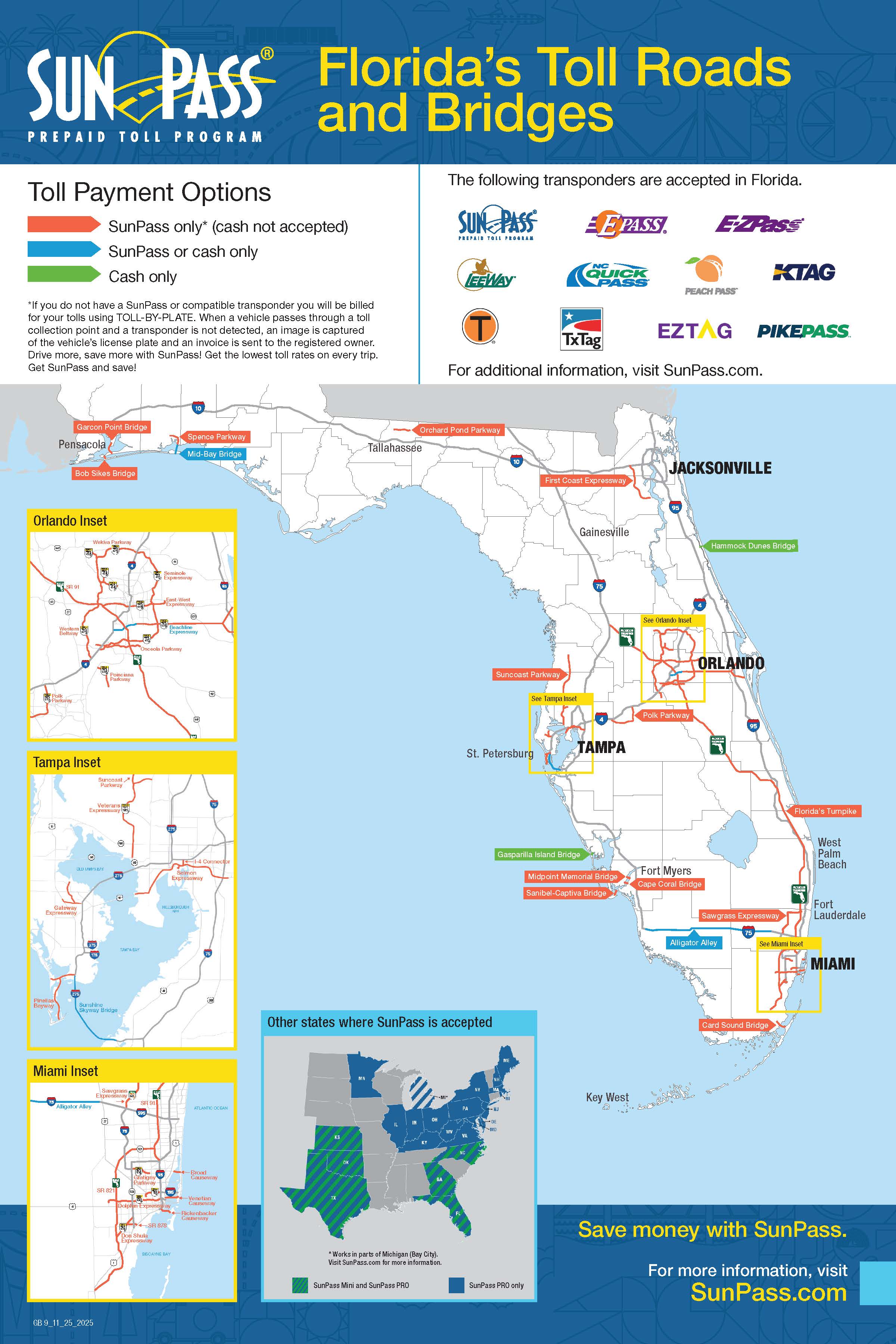
The state’s infrastructure relies heavily on tolls to fund the construction, maintenance, and expansion of its highways, bridges, and express lanes. This system ensures smooth traffic flow and accessibility to key destinations, but it also means that many popular routes come with associated fees. Navigating this system efficiently can save you time, money, and unnecessary stress, allowing you to focus more on enjoying your Florida adventure, whether it’s a luxury getaway, a budget-friendly family trip, or a business stay.
Understanding Florida’s Toll Road Network
Florida’s toll road network is one of the most comprehensive in the United States, designed to provide efficient transportation across its vast geography. These roads are typically faster and less congested than free alternatives, making them a popular choice for tourists and residents alike. However, their pervasive nature means that avoiding tolls entirely can sometimes lead to considerably longer travel times, especially when heading to major urban centers or popular Florida attractions.
Key Toll Systems: SunPass, E-Pass, and More
At the heart of Florida’s toll collection system are electronic transponders, designed for seamless travel. The most widely recognized and accepted electronic toll collection system is SunPass. Operated by Florida’s Turnpike Enterprise, SunPass transponders are accepted on virtually all toll roads and most bridges across the state. Using a SunPass offers several advantages, including discounted toll rates on many routes compared to cash or Toll-by-Plate options, and the convenience of not having to stop at toll booths.
While SunPass is dominant statewide, other local electronic toll systems exist, primarily in Central Florida. The E-Pass system, operated by the Central Florida Expressway Authority (CFX), functions similarly to SunPass and is interchangeable with it across the state. If you primarily plan to travel around the Orlando area, an E-Pass might be a local option, though a SunPass Mini or PRO transponder will cover all your bases throughout Florida. Additionally, some older toll bridges and causeways may still accept cash, but this is becoming increasingly rare.
Beyond these dedicated Florida systems, some transponders from other states, notably E-ZPass, are now accepted on Florida’s toll roads. This interoperability is a significant convenience for interstate travelers, reducing the need for multiple transponders. However, it’s always wise to confirm acceptance before you travel, especially if your transponder is from a less common system.
Major Toll Roads and Expressways
Florida’s arterial toll roads connect major population centers and tourist destinations. The most prominent is the Florida Turnpike, a 300-plus mile highway that stretches from just south of Orlando down to Miami, with extensions reaching Wildwood and the Treasure Coast. It’s a critical artery for North-South travel and offers a generally smooth, high-speed route, albeit with significant cumulative tolls.
In Central Florida, around Orlando, the Central Florida Expressway Authority (CFX) manages a network of toll roads vital for accessing theme parks like Walt Disney World Resort and Universal Orlando Resort, as well as Orlando International Airport (MCO). Key roads include SR 408 (East-West Expressway), SR 417 (Central Florida GreeneWay), SR 528 (Beachline Expressway) leading to Cocoa Beach and the Kennedy Space Center, and SR 429 (Daniel Webster Western Beltway).
South Florida, particularly the Miami-Dade and Broward County areas, also has numerous toll roads and express lanes. The Miami-Dade Expressway Authority (MDX) operates roads like SR 836 (Dolphin Expressway) and SR 112 (Airport Expressway). Additionally, major interstates like I-95 and I-4 now feature Express Lanes in congested urban areas. These lanes use dynamic pricing, meaning tolls vary based on traffic volume, offering a quicker route for a potentially higher price. Another notable toll road is Alligator Alley, a segment of I-75 that traverses the Everglades between Naples and Fort Lauderdale, connecting the Gulf Coast to the Atlantic Coast.
Navigating Payment Methods and Costs
The cost of tolls in Florida varies significantly depending on the road, the distance traveled, and the payment method used. Understanding these nuances is key to managing your travel budget effectively, especially for longer journeys or frequent use of toll roads.
Transponders: Your Key to Seamless Travel
For most travelers, especially those planning extensive driving, a transponder is the most cost-effective and convenient way to pay tolls.
- SunPass Mini: A sticker transponder that costs around $5 and is affixed to your windshield. It’s non-transferable between vehicles but offers discounted rates. Once purchased, you simply load money onto your account.
- SunPass PRO: A portable transponder that costs around $15. It can be moved between vehicles and is compatible with E-ZPass systems in other states, making it ideal for multi-state road trippers.
Both types of SunPass provide access to the lowest toll rates. You can purchase them at major retailers like Publix, CVS Pharmacy, and Walgreens, as well as AAA offices and online via the SunPass website. Activating your transponder and linking it to an account with a pre-paid balance is a straightforward process.

Cash, Credit Cards, and Toll-by-Plate Options
While electronic payment is preferred, other options are available, though they often come with higher costs or less convenience.
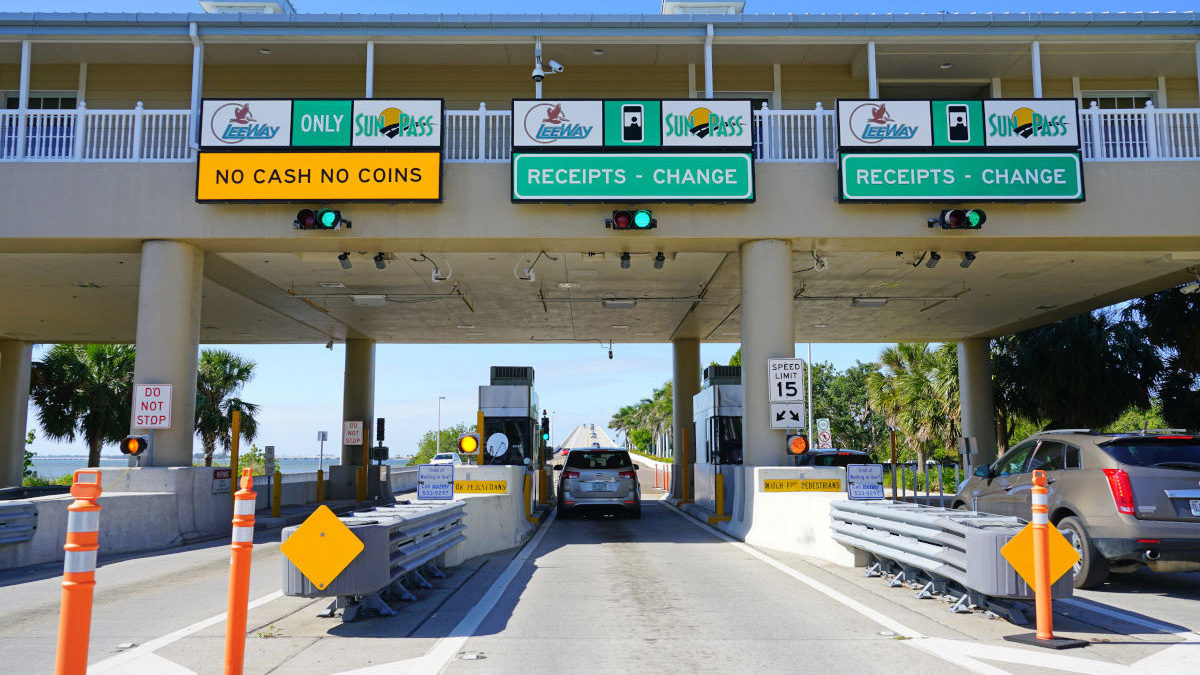
- Cash: Many toll roads in Florida no longer accept cash. Even on roads where cash lanes exist, they are being phased out. If you encounter a cash lane, ensure you have small bills or exact change to avoid delays.
- Credit Cards: Direct credit card payment at toll plazas is also rare. If a toll plaza is still staffed, they might accept credit cards, but relying on this is not advisable.
- Toll-by-Plate (Pay-by-Mail): This is the default option for vehicles without a transponder that pass through an all-electronic toll plaza. Cameras capture your vehicle’s license plate, and a bill is mailed to the registered owner. While convenient for infrequent users, this method is the most expensive. It typically includes a processing fee per billing cycle in addition to the higher, undiscounted toll rate. Rental car companies have their own systems for handling Toll-by-Plate, which can involve significant administrative fees, as detailed below.
Estimating Toll Costs for Popular Routes
Toll costs vary significantly based on distance and specific road segments. Here are some illustrative examples, but always check current rates, as they can change.
- Florida Turnpike: A full trip from Orlando (near Wildwood) to Miami can cost approximately $25-30 with a SunPass, and potentially $35-45+ via Toll-by-Plate.
- Alligator Alley (I-75): The toll for this segment between Naples and Fort Lauderdale is usually around $3.50 for two-axle vehicles with SunPass or E-Pass, but higher for Toll-by-Plate.
- Orlando Area Expressways (CFX Roads): A typical drive around the Orlando beltway or to attractions can involve multiple tolls, each ranging from $1.25 to $3.75, quickly adding up. For example, a round trip from Orlando International Airport (MCO) to Walt Disney World Resort via toll roads might cost $4-7 using a transponder.
- I-95 Express Lanes: These lanes in Miami-Dade and Broward County use dynamic pricing. During peak hours, a short segment could cost $5-10, while longer trips might reach $20 or more for a single direction, making them significantly pricier but potentially faster.
Online toll calculators, available on the SunPass and CFX websites, are invaluable tools for estimating costs for your specific route. Many GPS apps like Google Maps or Waze also provide toll estimates and options to avoid tolls.
Essential Tips for Travelers and Tourists
Understanding Florida’s toll system is particularly important for tourists, who often rent vehicles and may be unfamiliar with local payment methods. Proactive planning can prevent unexpected charges and streamline your journey.
Rental Cars and Tolls: What You Need to Know
This is arguably the most critical aspect for visitors. Rental car companies have various programs for handling tolls, and failing to understand them can lead to substantial extra fees.
- Opt-in Programs: Many rental car companies (e.g., Hertz, Enterprise, Avis, Budget, Alamo, National) offer optional toll programs. For a daily or weekly fee (e.g., $3.95-$19.99 per day or week, capped at a maximum charge for the rental period), you can use toll roads without worrying about individual payments. The tolls themselves are then charged to your credit card at the standard or discounted rate. This is often the most convenient option for peace of mind, especially if you plan extensive toll road travel.
- Toll-by-Plate with Admin Fees: If you don’t opt into a program, and the rental car goes through a Toll-by-Plate lane, the rental company will receive the bill. They will then charge you the toll amount plus a hefty administrative fee (e.g., $15-$30 per toll violation or per billing cycle). These fees can quickly exceed the actual tolls, making this the most expensive option.
- Using Your Own Transponder: If you have a portable SunPass PRO or an accepted E-ZPass, you can use it in your rental car. Ensure your license plate is linked to your transponder account, or at least clearly display the transponder so it reads correctly. It’s also a good idea to inform the rental company that you’ll be using your own device to avoid accidental double billing. Crucially, ensure you disable or don’t use the rental company’s transponder if they have one installed and you’re using your own.
Always inquire about the rental company’s toll policies when booking or picking up the vehicle. Understanding the terms upfront can save you hundreds of dollars in unexpected charges.
Strategies for Minimizing or Avoiding Tolls
While toll roads offer speed and convenience, it’s possible to minimize their impact or avoid them entirely with some planning.
- Route Planning: Utilize GPS apps like Google Maps, Waze, or Apple Maps and select the “Avoid Tolls” option. Be aware that this might significantly increase your travel time, especially for longer distances or routes through urban centers.
- Local Roads: For shorter distances or if you’re not in a hurry, consider using non-toll state roads or local streets. For example, if driving from Orlando International Airport (MCO) to the Walt Disney World Resort area, you could take local roads like Narcoossee Road and Osceola Parkway instead of the toll expressways, adding about 15-20 minutes to the drive.
- Strategic Transponder Use: If you only anticipate using toll roads occasionally, purchasing a SunPass Mini for $5 and loading a small amount onto it might be cheaper than a rental company’s daily toll program, provided you don’t incur daily activation fees from the rental company.
Planning Your Journey: Resources and Apps
Several resources can help you plan your Florida trip efficiently, taking tolls into account:
- Official Toll Websites: The SunPass website (SunPass.com) and the Central Florida Expressway Authority (CFX) website (CFXway.com) offer detailed information on toll rates, maps, and transponder purchasing.
- GPS Navigation Apps: As mentioned, Google Maps, Waze, and Apple Maps are excellent for real-time traffic updates, route planning, and visualizing toll sections. They also provide estimates for toll costs and offer the option to avoid toll roads entirely.
- Toll Calculators: Dedicated online toll calculators can help you map out your exact route and get a precise estimate of toll expenses.
The Impact of Tolls on Your Florida Experience
While tolls are an integral part of Florida’s transportation landscape, they needn’t be a deterrent to exploring the state’s wonders. In fact, by funding state-of-the-art road networks, tolls contribute to a smoother and often faster travel experience, allowing you to reach destinations like the stunning beaches of Sarasota, the bustling port of Fort Lauderdale, or the historical sites of Key West with greater ease.
For travelers focused on budget travel, awareness and planning are your best allies. By opting for a SunPass or carefully navigating rental car toll programs, you can significantly mitigate costs. For those seeking luxury travel and convenience, the ability to zip through electronic toll plazas on high-speed expressways is a major advantage, saving precious vacation time.
Ultimately, understanding “how much are tolls in Florida” is about more than just monetary cost; it’s about optimizing your journey. With a little preparation and the right tools, you can seamlessly integrate tolls into your travel plans, ensuring your Florida adventure is as enjoyable and stress-free as possible, leaving you more time to savor the sunshine, attractions, and local culture that define this magnificent state.
LifeOutOfTheBox is a participant in the Amazon Services LLC Associates Program, an affiliate advertising program designed to provide a means for sites to earn advertising fees by advertising and linking to Amazon.com. Amazon, the Amazon logo, AmazonSupply, and the AmazonSupply logo are trademarks of Amazon.com, Inc. or its affiliates. As an Amazon Associate we earn affiliate commissions from qualifying purchases.