
The question “How much bigger is Alaska than Texas?” immediately conjures images of vast, untamed wilderness clashing with the expansive plains and bustling cities of the Lone Star State. For travelers, adventurers, and anyone fascinated by geography, the answer isn’t just a simple number; it’s a gateway to understanding two profoundly different, yet equally captivating, corners of the United States. This comparison goes beyond mere square mileage, delving into the distinct travel experiences, unique tourism landscapes, diverse accommodation options, and iconic landmarks that define each state. From rugged Alaskan backcountry to Texan urban jungles, exploring their scale helps us appreciate the incredible diversity of America’s geography and the myriad lifestyle choices they offer.
The Grand Scale: Alaska’s Immense Dominance
When it comes to sheer size, Alaska stands in a league of its own, dwarfing every other U.S. state. It’s often said that everything is bigger in Texas, but Alaska serves as a humbling counterpoint to that adage, offering a scale so immense it challenges comprehension. This vastness profoundly impacts every aspect of travel, tourism, and lifestyle within the Last Frontier.
Numbers Don’t Lie: A Stark Comparison
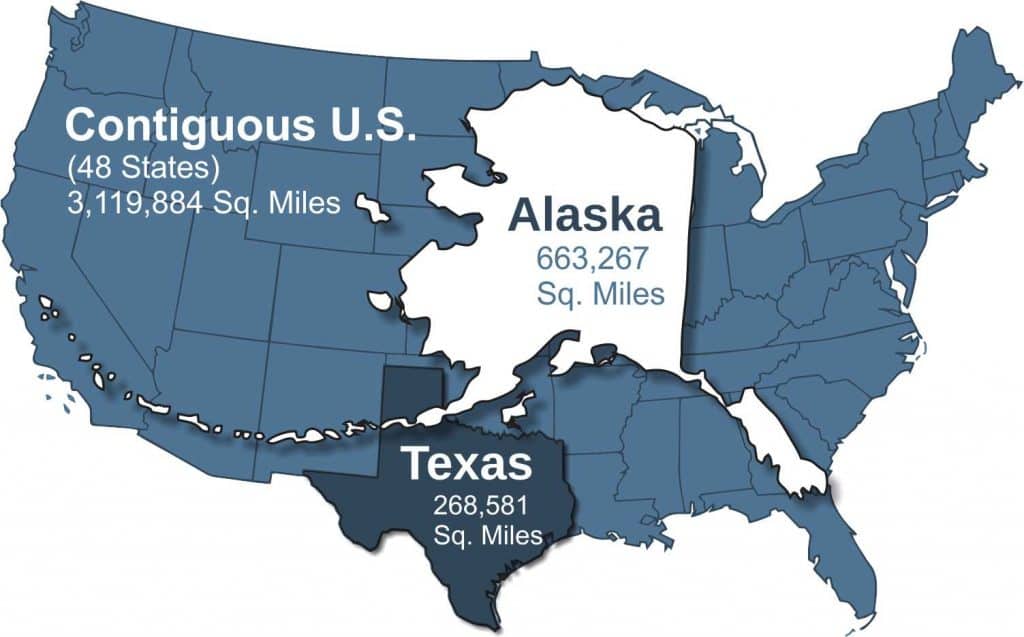
Let’s put the numbers into perspective. Texas, the second-largest state in the United States, boasts an impressive land area of approximately 268,596 square miles (695,662 square kilometers). This considerable size allows for diverse landscapes, from the Gulf Coast beaches to the arid Trans-Pecos region.
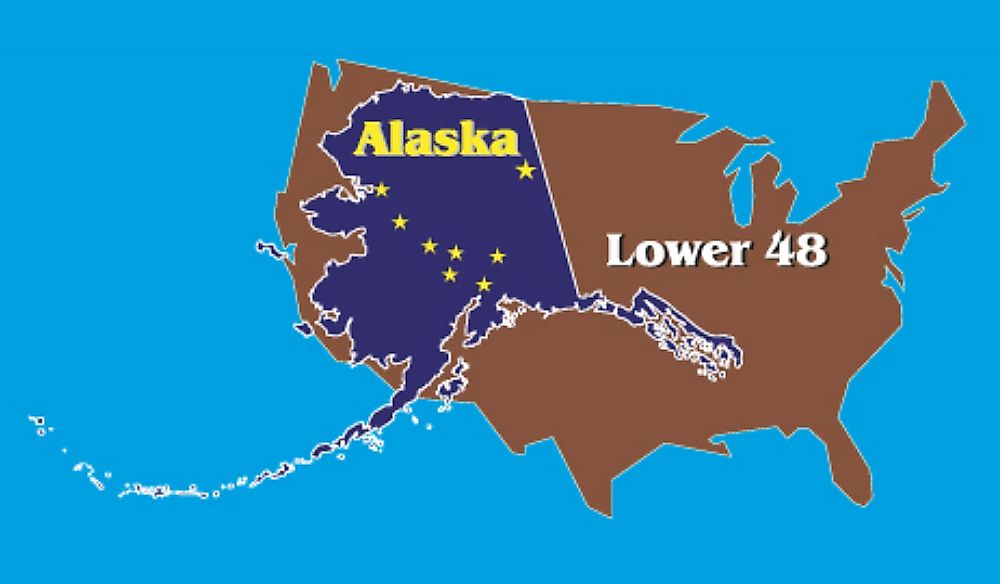
Now, consider Alaska. It encompasses an astonishing 665,384 square miles (1,723,337 square kilometers). This means Alaska is roughly 2.5 times larger than Texas. To truly grasp this difference, imagine placing Texas into Alaska’s borders; you could fit Texas entirely within Alaska with significant room to spare. In fact, if you superimposed a map of Alaska onto the contiguous United States, it would stretch from Florida to California. This immense footprint dictates everything from travel logistics to the feeling of remoteness and adventure that defines an Alaskan journey.
Beyond Square Miles: Understanding the True Expanse
The sheer size of Alaska isn’t just about land area; it also includes an extensive coastline and vast bodies of water. Alaska has more coastline than all other U.S. states combined, totaling over 33,904 miles (54,563 kilometers) including islands. This expansive shoreline, carved by glaciers and dotted with fjords, provides a unique canvas for travel and tourism, offering everything from scenic cruises through Glacier Bay National Park to fishing expeditions in the Inside Passage. The numerous rivers, lakes, and glaciers further contribute to its sprawling dimensions, making many areas accessible only by small plane, boat, or on foot—a true frontier experience. This scale impacts accommodation, with remote lodges and cabins often replacing traditional hotels, promising unparalleled seclusion for those seeking a unique lifestyle experience.
A Tale of Two States: Diverse Landscapes and Lifestyles
The colossal difference in size between Alaska and Texas translates into fundamentally different landscapes, climates, cultures, and overall lifestyles. While both states offer unique travel opportunities, their geographic characteristics have shaped distinct identities that appeal to different types of visitors.
Texas: The Lone Star State’s Charm
Texas is a tapestry of diverse environments, from the piney woods of East Texas to the desert landscapes of West Texas, and from the rolling hills of the Texas Hill Country to the bustling metropolitan areas like Houston, Dallas, and Austin. This geographical variety supports a vibrant agriculture industry, vast ranches, and significant oil and gas operations. The culture is a rich blend of Southern charm, cowboy heritage, and a strong Hispanic influence, especially prominent in cities like San Antonio.
Travelers to Texas can expect a lifestyle that often revolves around delicious BBQ, lively music scenes (especially in Austin), and a deep sense of state pride. Accommodation ranges from luxury hotels in downtown Houston to charming bed and breakfasts in historic towns, catering to both business travelers and families on vacation. Tourism in Texas offers a mix of urban exploration, historical sites, and outdoor activities like hiking, fishing, and water sports along its numerous rivers and lakes.
Alaska: The Last Frontier’s Untamed Beauty
Alaska, in stark contrast, is defined by its dramatic, often formidable, natural beauty. Home to the tallest peak in North America, Denali (formerly Mount McKinley), vast glaciers, dense forests, active volcanoes, and tundra stretching towards the Arctic Circle, Alaska is a realm of extreme wilderness. Its climate ranges from relatively mild coastal regions to frigid Interior Alaska and the high Arctic.
The lifestyle in Alaska is deeply connected to nature and the outdoors. While cities like Anchorage and Juneau offer modern amenities, the true Alaskan experience often involves venturing into the wild. Tourism here is centered around wildlife viewing (bears, moose, eagles, whales), fishing, hunting, hiking, kayaking, and winter sports like dog sledding. Accommodation options reflect this adventurous spirit, featuring remote wilderness lodges, rustic cabins, and even glamping sites, alongside conventional hotels in major towns. The immense size of Alaska means that many of its most stunning landmarks and natural attractions require meticulous planning, often involving small aircraft or specialized guide services, providing a true sense of exploration.
Travel and Tourism: Exploring Each State’s Unique Appeal
The vast differences in size and geography between Alaska and Texas naturally lead to distinctly different travel and tourism experiences. Each state offers a unique set of attractions, activities, and guides tailored to its environment and cultural ethos.
Texas Adventures: Urban Wonders and Southern Hospitality
Traveling in Texas often involves exploring its vibrant cities and historic towns, interspersed with visits to state parks and natural areas. Dallas offers world-class shopping, dining, and museums, while Houston is a hub for space exploration at the NASA Johnson Space Center and a diverse culinary scene. Austin prides itself as the “Live Music Capital of the World,” attracting visitors with its eclectic music venues and thriving food truck scene. San Antonio captivates with its rich history, epitomized by The Alamo and the scenic Riverwalk.
Tourism in Texas caters to a wide range of interests. Families might enjoy theme parks or coastal resorts along the Gulf of Mexico. History buffs can delve into frontier history, missions, and battlegrounds. Foodies can embark on a BBQ trail or savor authentic Tex-Mex cuisine. The state’s accessibility, with major airports in Dallas and Houston, makes it easy for travelers to navigate, often by car, between its key destinations. Local guides offer insights into everything from cattle drives to wine tours in the Hill Country, ensuring a memorable experience infused with genuine Texan hospitality.

Alaska Expeditions: Wilderness, Wildlife, and Arctic Wonders
Travel to Alaska is an expedition into raw nature. The sheer size dictates that visitors often focus on specific regions, such as Southcentral Alaska around Anchorage, the Interior with Fairbanks, or the Southeast Inside Passage accessed via Juneau. Popular attractions include Denali National Park for its unparalleled wildlife viewing and majestic peak, and Kenai Fjords National Park for glacier and marine wildlife cruises. Many tourists arrive via cruise ships, which offer a comfortable way to experience the coastal beauty and stop at charming port towns.
Alaskan tourism emphasizes outdoor activities and immersion in the natural world. Guided tours for bear viewing, salmon fishing, glacier trekking, and flightseeing over vast mountain ranges are immensely popular. For the truly adventurous, trips to the Arctic Circle or even Gates of the Arctic National Park offer a taste of extreme wilderness and unique cultural encounters with indigenous communities. The vastness of the state means that domestic air travel, often on small bush planes, is a common and essential mode of transportation, connecting remote lodges and villages. Despite its ruggedness, Alaska caters to various lifestyle choices, from luxury wilderness resorts offering gourmet dining amidst stunning scenery to budget-friendly camping and hostel options for backpackers.
Accommodation and Experiences: Where to Stay and What to Do
The distinctive landscapes and tourism offerings of Alaska and Texas are reflected in their diverse accommodation options and the types of experiences available, catering to different budgets, travel styles, and preferences.
From Houston Skyscrapers to Denali Backcountry Cabins
In Texas, the accommodation landscape is broad and well-established. Major cities like Houston, Dallas, and Austin are replete with luxury hotels, boutique apartments, and convention resorts, often featuring extensive amenities like rooftop pools, fine dining, and business centers. Visitors can find everything from globally recognized brands like the Grand Hyatt or Marriott Marquis to charming local guesthouses. For those seeking a taste of the Texan countryside, ranch stays, bed and breakfasts in places like Fredericksburg, or lakeside villas offer a tranquil escape. Booking is generally straightforward through popular platforms, with plenty of reviews and comparison sites to help travelers find the perfect fit for short or long-term stays.
Alaska’s accommodation scene, while growing, is more dictated by its remote geography. In cities such as Anchorage, Fairbanks, and Juneau, travelers will find familiar hotel chains, along with unique local lodges and B&Bs. However, the quintessential Alaskan experience often involves staying in wilderness lodges, rustic cabins, or remote resorts that are accessible only by small plane or boat. These accommodations, though sometimes simple, offer unparalleled access to nature and often come with guided activities included. Many visitors opt for cruise ship cabins, which serve as floating hotels navigating the scenic Inside Passage. For adventurous travelers, backcountry cabins in national parks like Denali or public-use cabins available through the forest service provide a raw, immersive experience. The amenities at these remote locations often focus on comfort, warmth, and access to outdoor activities, rather than urban luxuries.
Tailoring Your Trip: Luxury to Budget Travel
Both states offer options for various travel lifestyles. In Texas, luxury travel might involve stays at five-star hotels, private ranches, or exclusive resorts with golf courses and spas. Budget travel is easily accommodated through extensive motel chains, hostels, and campgrounds, especially in state and national parks. Family trips are well-served with resorts offering kid-friendly amenities and numerous attractions. Business stays are a core component of the major cities, with hotels equipped for conferences and corporate events.
Alaska’s luxury travel often translates to exclusive wilderness lodges providing personalized service, gourmet dining, and private guided tours. Budget travel is possible through camping, hostel networks in cities, and seeking out more basic accommodation in smaller towns. Family trips can be incredibly rewarding, focusing on educational wildlife encounters and outdoor adventures, often best facilitated by organized tours. While Alaska doesn’t typically attract business travelers in the same volume as Texas, conferences and conventions are held in cities like Anchorage and Fairbanks, blending professional opportunities with unique local experiences. The emphasis in Alaska is consistently on experiences that connect visitors with its formidable natural environment, whether through high-end guided expeditions or self-planned backcountry treks.
Landmarks and Natural Wonders: Iconic Sights in Both States
The size and geographical characteristics of Alaska and Texas have gifted them with iconic landmarks and breathtaking natural wonders, each reflecting the distinct character of the respective state.
Texas’ Historic and Natural Treasures
Texas is rich in historical landmarks that narrate its journey from a frontier territory to a powerhouse state. The Alamo in San Antonio is arguably the most famous, a symbol of courage and independence. Other significant historical sites include the four Spanish colonial missions that form the San Antonio Missions National Historical Park, and the Sixth Floor Museum at Dealey Plaza in Dallas, commemorating President John F. Kennedy’s assassination. Architectural marvels can be found in the state’s capitols and historic downtowns.
Nature lovers in Texas can explore the dramatic desert landscapes of Big Bend National Park on the border with Mexico, offering stunning mountains, canyons, and the Rio Grande River. Guadalupe Mountains National Park is home to the four highest peaks in Texas and features diverse ecosystems. The Texas Gulf Coast provides miles of beaches, wildlife refuges like Padre Island National Seashore, and opportunities for birdwatching and fishing.
Alaska’s Breathtaking Landscapes
Alaska’s landmarks are overwhelmingly natural wonders, a testament to its raw and powerful environment. Denali National Park and Preserve, home to Denali, is the crown jewel, drawing visitors from across the globe to witness its towering peak and abundant wildlife. Glacier Bay National Park and Preserve is a UNESCO World Heritage Site famous for its tidewater glaciers, majestic fjords, and marine animals like whales and seals. Kenai Fjords National Park, near Seward, offers a similar spectacle of glaciers calving into the sea.
Beyond these well-known parks, the sheer scale of Alaska means countless other natural attractions. The vast forests of the Tongass National Forest, the largest national forest in the United States, are a paradise for hiking and wildlife viewing. The Gates of the Arctic National Park, entirely north of the Arctic Circle and roadless, represents the ultimate wilderness experience. Volcanic landscapes, expansive tundra, and the mesmerizing phenomenon of the Northern Lights (Aurora Borealis) visible in Fairbanks and further north, add to Alaska’s allure. These natural landmarks are not just sights to behold but offer profound, often life-changing, experiences that connect visitors deeply with the planet’s untouched grandeur.
In conclusion, the answer to “How much bigger is Alaska than Texas?” is a resounding “significantly.” Alaska is approximately 2.5 times larger than Texas, a difference in scale that shapes every facet of life and travel within these two remarkable states. While Texas offers a diverse blend of urban sophistication, rich history, and varied natural beauty, Alaska presents an unparalleled journey into the wild, a true frontier experience defined by immense landscapes, abundant wildlife, and extreme natural wonders. Both states, in their own unique ways, exemplify the enduring allure and vastness of America’s diverse geography, promising unforgettable experiences for every type of traveler.
LifeOutOfTheBox is a participant in the Amazon Services LLC Associates Program, an affiliate advertising program designed to provide a means for sites to earn advertising fees by advertising and linking to Amazon.com. Amazon, the Amazon logo, AmazonSupply, and the AmazonSupply logo are trademarks of Amazon.com, Inc. or its affiliates. As an Amazon Associate we earn affiliate commissions from qualifying purchases.