
The iconic Arnold Palmer beverage, a sophisticated blend of iced tea and lemonade, has long been a refreshing staple across the United States and beyond. While its smooth, balanced flavor profile is universally appreciated, a question often arises for those mindful of their caffeine intake: “How much caffeine is in an Arizona Arnold Palmer?” This query is particularly relevant given the beverage’s widespread availability, often found at roadside diners, golf courses, and convenience stores, making it a go-to refreshment for travelers and locals alike. Understanding the caffeine content is crucial for making informed dietary choices, especially for individuals sensitive to stimulants or those looking to manage their daily caffeine consumption.
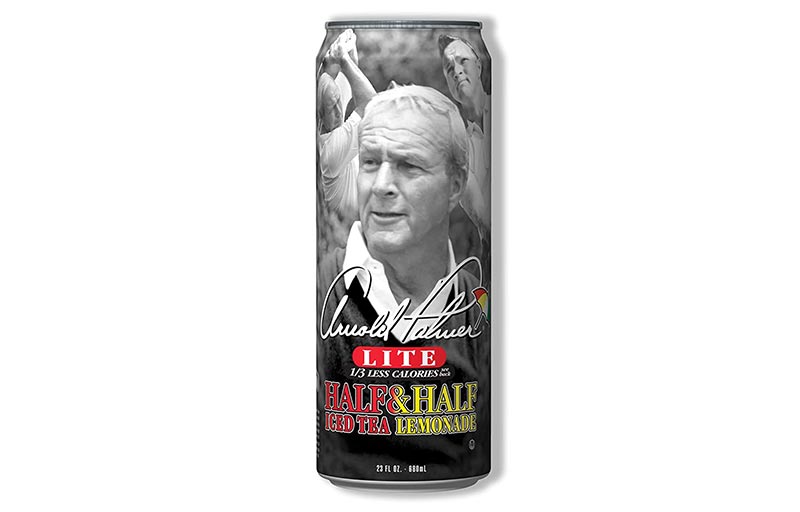
The brand name “Arizona” is synonymous with a vast array of iced tea products, and their rendition of the Arnold Palmer is no exception. The company, Arizona Beverages USA, is known for its large-format cans and bottles, often offering a value proposition that appeals to a broad consumer base. However, when delving into the specifics of caffeine, it’s important to note that the exact amount can vary. This variation is influenced by several factors, including the type of tea used in the blend and the brewing process employed by the manufacturer.
Deciphering the Caffeine Content
To accurately address the caffeine in an Arizona Arnold Palmer, we must first consider the primary components: iced tea and lemonade. The caffeine is exclusively derived from the tea. The lemonade portion, typically made from water, sugar, and lemon juice, contains no caffeine. Therefore, the focus shifts entirely to the tea.
The Role of Black Tea
Arizona Beverages USA primarily uses black tea to create its Arnold Palmer. Black tea is produced from the Camellia sinensis plant, the same plant that yields green tea, white tea, and oolong tea. The oxidation process during the manufacturing of black tea leads to a higher caffeine content compared to its less oxidized counterparts. The longer oxidation period develops more robust flavors and a darker hue, characteristics that are central to the appeal of many iced tea beverages.
The caffeine content in black tea can range significantly. Factors such as the specific tea varietal, the growing region, the leaf size, and the processing methods all contribute to these differences. For example, teas grown at higher altitudes or with younger tea leaves tend to have higher caffeine levels. Generally, an 8-ounce serving of brewed black tea can contain anywhere from 25 to 70 milligrams of caffeine. This wide range underscores the difficulty in providing a single, definitive figure for an Arizona Arnold Palmer.
Caffeine in Arizona’s Specific Blend
Arizona Beverages USA does not always publicly disclose the precise caffeine content for every single one of its products, including its Arnold Palmer. However, based on industry averages for similar iced tea blends, and by examining other Arizona iced tea products, we can arrive at a reasonable estimation.
Many sources and consumer reports suggest that a standard 23-ounce can of Arizona Arnold Palmer typically contains between 20 to 40 milligrams of caffeine. This figure is on the lower to moderate side when compared to other caffeinated beverages. For instance, a similar volume of coffee could easily contain 150-200 milligrams of caffeine, and even a standard 12-ounce can of cola might have around 30-40 milligrams. This places the Arizona Arnold Palmer in a category of mild caffeine stimulation.
It is important to note that these are estimates. For the most accurate information, consumers are encouraged to check the product packaging, as some manufacturers do provide nutritional information, including caffeine content, on their labels. If the packaging is unavailable, contacting Arizona Beverages USA directly through their customer service channels is another avenue for obtaining precise details.
Factors Influencing Caffeine Levels
Beyond the inherent characteristics of the tea used, several other factors can influence the caffeine content of any brewed beverage, including the Arizona Arnold Palmer. While Arizona manufactures its product under controlled conditions, understanding these variables provides a broader context for appreciating caffeine variability in general.
Tea Variety and Processing
As mentioned, the type of tea is paramount. While Arizona predominantly uses black tea, the specific varietal or blend of black teas can differ. For instance, a blend relying more heavily on Assam or Ceylon teas, both known for their robustness, might have a slightly higher caffeine profile than one using Darjeeling or Keemun teas, which are often milder. The processing methods, such as the degree of oxidation and fermentation, also play a role. Finer tea leaves, often found in tea bags, tend to release caffeine more readily than larger, whole leaves.
Brewing Time and Temperature
Although Arizona brews its teas in a commercial setting, the principles of brewing tea apply universally. Longer brewing times and higher water temperatures generally extract more caffeine from the tea leaves. Conversely, shorter brewing times and cooler temperatures result in a weaker brew with less caffeine. The commercial brewing process employed by Arizona Beverages USA is designed to achieve a consistent flavor profile, and this consistency extends to the controlled extraction of caffeine.

Serving Size
A critical factor in determining overall caffeine consumption is the serving size. The typical Arizona Arnold Palmer is sold in large cans or bottles, often around 23 ounces. This is significantly larger than a standard 8-ounce cup of coffee or tea. Therefore, even if the caffeine concentration per ounce is relatively low, the total caffeine in a single serving can be comparable to or even exceed that of a smaller serving of a more potent caffeinated beverage. For example, if a 23-ounce can contains approximately 30 milligrams of caffeine, that’s about 1.3 milligrams per ounce. This is considerably less than the 4-5 milligrams per ounce often found in brewed coffee.
Comparing Caffeine Across Beverages
To better contextualize the caffeine content of an Arizona Arnold Palmer, it’s useful to compare it with other popular drinks. This comparison can help individuals make more informed choices about their daily beverage intake, particularly when traveling or exploring new culinary experiences.
Coffee vs. Tea
The most significant difference in caffeine lies between coffee and tea. A standard 8-ounce cup of brewed coffee can contain between 80 to 200 milligrams of caffeine, with the average hovering around 95 milligrams. This is substantially higher than the estimated 20-40 milligrams found in a 23-ounce can of Arizona Arnold Palmer. Even a double espresso, typically around 2 ounces, might contain 120-150 milligrams.
Soft Drinks and Energy Drinks
When compared to soft drinks, the Arizona Arnold Palmer is often in a similar range or slightly lower than many colas. A 12-ounce can of Coca-Cola or Pepsi typically contains around 30-40 milligrams of caffeine. However, energy drinks are in a league of their own. A standard 8.4-ounce can of Red Bull, for instance, contains about 80 milligrams of caffeine, while a 16-ounce Monster Energy drink can have upwards of 160 milligrams. This highlights that the Arizona Arnold Palmer is a much milder option in the realm of stimulating beverages.
Other Tea Varieties
It’s also worth noting the caffeine difference between black tea and other tea types. Green tea generally has less caffeine than black tea, typically ranging from 20 to 45 milligrams per 8-ounce serving. White tea, made from young tea buds and leaves, usually contains the least amount of caffeine among true teas, often around 15 to 30 milligrams per 8-ounce serving. Herbal teas, such as chamomile or peppermint, are naturally caffeine-free. Therefore, the choice of using black tea in the Arizona Arnold Palmer positions it as a moderately caffeinated beverage among the tea family.
Hydration and Caffeine Considerations for Travelers
For travelers exploring the diverse landscapes and cultures of places like Arizona, staying hydrated is paramount. The Arizona Arnold Palmer offers a familiar and refreshing option, but understanding its caffeine content can be beneficial, especially when navigating different climates or engaging in strenuous activities.
The Moderate Caffeine Advantage
The relatively low caffeine content of the Arizona Arnold Palmer can be an advantage for many travelers. It provides a gentle pick-me-up without the jittery side effects or potential sleep disruption that can accompany higher caffeine intake. This makes it a suitable choice for a mid-afternoon refreshment or a companion during a leisurely exploration of a city like Phoenix or a hike through the Grand Canyon.
Balancing Hydration and Caffeine
While tea does contain water and contributes to hydration, excessive caffeine intake can have a mild diuretic effect. However, given the moderate levels in the Arizona Arnold Palmer, this effect is generally negligible for most individuals. For those who are particularly sensitive to caffeine or are trying to minimize their intake, it remains a good option to consider, especially when compared to coffee or energy drinks.

Making Informed Choices
When traveling, access to beverages can vary. Recognizing the typical caffeine profile of popular drinks like the Arizona Arnold Palmer empowers travelers to make informed decisions that align with their personal health goals and preferences. Whether you are enjoying the desert landscapes of Arizona, the vibrant streets of New York City, or the beaches of California, understanding the contents of your refreshment is part of a mindful travel experience. The Arizona Arnold Palmer stands as a widely available and relatively mild source of caffeine, offering a classic taste that appeals to many on their journeys.
LifeOutOfTheBox is a participant in the Amazon Services LLC Associates Program, an affiliate advertising program designed to provide a means for sites to earn advertising fees by advertising and linking to Amazon.com. Amazon, the Amazon logo, AmazonSupply, and the AmazonSupply logo are trademarks of Amazon.com, Inc. or its affiliates. As an Amazon Associate we earn affiliate commissions from qualifying purchases.