
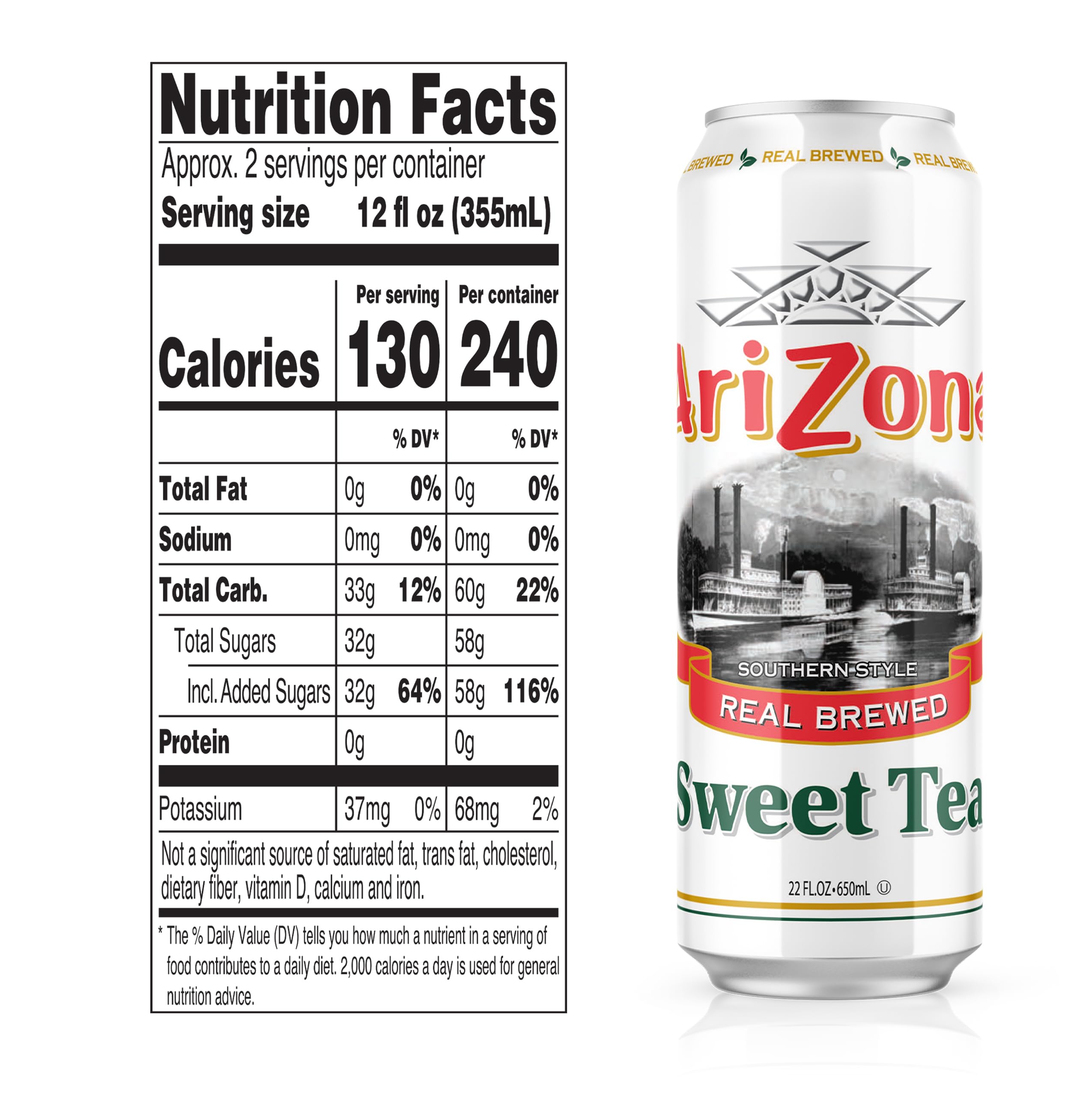
For many, a bottle of Arizona Sweet Tea is more than just a beverage; it’s a staple of picnics, a companion on road trips across the United States, and a refreshing choice for a warm afternoon. Its ubiquitous presence in convenience stores, supermarkets, and vending machines across America has made it an icon of accessible refreshment. However, as consumers become increasingly mindful of their dietary intake, a common question arises: just how much caffeine is in this popular sweet tea? Understanding the caffeine content is crucial for those who are sensitive to stimulants, are monitoring their intake for health reasons, or are simply curious about the ingredients in their favorite drinks. This exploration delves into the caffeine profile of Arizona Sweet Tea, offering clarity for informed consumption.
The Caffeine Conundrum: Unpacking the Ingredients
The caffeine content in any beverage is primarily derived from its source ingredients. In the case of tea, this means the tea leaves themselves. Arizona Sweet Tea, like many commercially produced iced teas, is typically brewed from black tea leaves. Black tea, which undergoes full oxidation during processing, generally contains more caffeine than green tea or white tea. The manufacturing process for Arizona Sweet Tea involves steeping these tea leaves to extract flavor and color, followed by the addition of sugar, water, and flavorings. While the exact brewing methods and tea leaf origins are proprietary information for Arizona Beverages USA, the general principles of tea production allow us to estimate its caffeine yield.
Black Tea as the Base
Black tea leaves, sourced from the Camellia sinensis plant, naturally contain caffeine. The amount of caffeine in a cup of brewed black tea can vary significantly based on several factors, including the type of tea leaf, the brewing time, the water temperature, and the leaf-to-water ratio. For instance, a longer steeping time or hotter water can result in a higher caffeine extraction. However, when it comes to mass-produced beverages like Arizona Sweet Tea, the brewing process is standardized to ensure consistency across batches and throughout the country, from New York City to Los Angeles.
Other Contributors to Caffeine Content
While black tea is the primary source, it’s important to consider if any other ingredients in Arizona Sweet Tea contribute to its caffeine levels. Generally, sweeteners, water, and flavorings do not contain caffeine. Therefore, the caffeine content is almost entirely attributable to the black tea used in its production. This makes comparing it to other caffeinated beverages that might include coffee, guarana, or added caffeine a straightforward exercise. The focus remains squarely on the tea extract.
Quantifying the Caffeine in Arizona Sweet Tea
Pinpointing the exact milligram amount of caffeine in a single serving of Arizona Sweet Tea can be challenging due to the lack of explicit labeling on all of their products and the inherent variability in tea brewing. However, based on industry standards and comparisons with similar products, we can provide a well-informed estimate.
Typical Caffeine Range
Most sources and independent analyses suggest that a standard 23.5-ounce can or bottle of Arizona Sweet Tea contains approximately 40-50 milligrams of caffeine. This figure is often cited in online forums, consumer reports, and beverage databases. To put this into perspective, a typical 8-ounce cup of brewed black tea can range from 25 to 70 milligrams of caffeine. This means that a large serving of Arizona Sweet Tea has a caffeine content that is relatively moderate compared to other caffeinated beverages.
Comparison with Other Drinks
To better understand the caffeine content of Arizona Sweet Tea, let’s compare it to other popular drinks:
- Coffee: An 8-ounce cup of brewed coffee can contain anywhere from 80 to 100 milligrams of caffeine, sometimes even more, depending on the roast and brewing method.
- Cola: A 12-ounce can of cola typically has around 30-40 milligrams of caffeine.
- Energy Drinks: These vary wildly but can contain anywhere from 80 to over 200 milligrams of caffeine per serving.
- Green Tea: An 8-ounce cup of brewed green tea generally has less caffeine than black tea, usually in the range of 20-45 milligrams.
Given these comparisons, Arizona Sweet Tea offers a mild to moderate caffeine boost, making it a suitable choice for many who wish to avoid the high stimulant levels found in coffee or many energy drinks. It provides a gentle lift without the intense jolt that some consumers seek to avoid.

Factors Influencing Caffeine Variability
While a general range of 40-50 mg is a helpful guideline, it’s important to acknowledge that the precise caffeine content can fluctuate. Several variables can subtly alter the final amount in your Arizona Sweet Tea.
Tea Leaf Type and Origin
The specific varietal of Camellia sinensis used and its region of origin can influence its natural caffeine content. Different tea bushes have different genetic predispositions for caffeine production. While Arizona Beverages USA likely uses a blend of teas to achieve a consistent flavor profile, slight variations in the tea leaf composition can occur year to year or from different supplier lots.
Processing and Steeping Time
Though automated for mass production, the exact duration and temperature of the steeping process can impact caffeine extraction. Shorter steeping times or lower water temperatures would yield less caffeine, while longer times and higher temperatures would extract more. The industrial brewing process is designed for optimization and consistency, but minute deviations are always a possibility in large-scale food production.
Product Variations
Arizona Beverages USA offers a vast array of products, including various iced tea flavors and lines such as their diet or zero-sugar options. While the classic Arizona Sweet Tea is based on black tea, other variations might use different tea blends or have modified formulations that could affect caffeine levels. For instance, some flavored teas might incorporate additional ingredients that could, in rare cases, contribute to or dilute the overall caffeine concentration. It is always advisable to check product labels for specific information if it is available, although caffeine content is not always explicitly declared.
Health Implications and Consumption Guidance
Understanding the caffeine content of Arizona Sweet Tea is beneficial for making informed lifestyle choices, particularly for individuals who need to manage their stimulant intake.
Caffeine Sensitivity and Recommended Limits
The general recommended daily caffeine intake for healthy adults is up to 400 milligrams. Pregnant women are often advised to limit their intake to 200 milligrams per day. Children and adolescents have lower recommended limits, and individuals with certain medical conditions (such as anxiety disorders, heart conditions, or sleep disturbances) may need to consume even less or avoid caffeine altogether.
A 23.5-ounce serving of Arizona Sweet Tea (approximately 40-50 mg caffeine) represents a modest portion of this daily allowance. For most adults, enjoying one or two bottles of Arizona Sweet Tea a day would likely fall well within safe and moderate consumption levels. However, for individuals who are highly sensitive to caffeine, even this amount might be enough to cause jitteriness, insomnia, or other adverse effects.

Making Informed Choices
When considering Arizona Sweet Tea as part of your diet, especially if you are consuming other caffeinated beverages or products throughout the day, it’s wise to factor its caffeine content into your total daily intake. If you are seeking a caffeine-free beverage, you might want to opt for water, herbal teas, or specific caffeine-free versions of iced teas if available.
For those who enjoy the taste of Arizona Sweet Tea but are concerned about sugar content, exploring their diet or zero-sugar options can be a good alternative, though it’s still wise to be aware of any potential caffeine in those formulations. Ultimately, being aware of the caffeine in your favorite drinks empowers you to make choices that align with your personal health and wellness goals, ensuring that your enjoyment of classic beverages like Arizona Sweet Tea is both pleasurable and responsible.
LifeOutOfTheBox is a participant in the Amazon Services LLC Associates Program, an affiliate advertising program designed to provide a means for sites to earn advertising fees by advertising and linking to Amazon.com. Amazon, the Amazon logo, AmazonSupply, and the AmazonSupply logo are trademarks of Amazon.com, Inc. or its affiliates. As an Amazon Associate we earn affiliate commissions from qualifying purchases.