
California, a land of unparalleled beauty, innovation, and diverse lifestyles, attracts millions annually, whether for a dream vacation, a new career opportunity, or an extended stay. From the sun-kissed beaches of Southern California to the majestic redwoods of Northern California, the allure of the Golden State is undeniable. However, beneath the glamorous facade lies a complex and often challenging rental market, characterized by high demand and, consequently, high living costs. For anyone considering a long-term stay, relocating for work, or simply extending their travel experience beyond a typical hotel booking, understanding the intricacies of rent increases in California is paramount. This knowledge is not just for residents; it’s crucial for digital nomads, temporary workers, and anyone planning an extended exploration of the state’s vibrant cities and natural wonders, as accommodation costs significantly impact overall lifestyle and travel budgets.
The question “How much can rent increase in California?” isn’t simple, as the answer hinges on a patchwork of state-wide legislation and powerful local ordinances. Navigating this landscape requires careful attention to detail, as rent control laws are designed to provide tenants with stability while also addressing the concerns of property owners. These regulations directly influence whether a month-long stay in a serviced apartment or a year-long lease in a vibrant community is financially viable. For those immersed in the world of travel and accommodation, from comparing resorts to reviewing villas, understanding these dynamics becomes another layer of consideration when assessing the true cost of experiencing California’s myriad attractions and unique local culture.

Navigating California’s Rental Landscape: Understanding State-Wide Protections
Before delving into the specifics of rent increases, it’s essential to grasp the foundational legal framework that governs rental housing across California. The state recognized the growing housing affordability crisis and the need for broader tenant protections, leading to landmark legislation. This framework sets a baseline for permissible rent increases and eviction protections, offering a critical safeguard for many residents and long-term visitors alike. For individuals considering moving to or spending an extended period in cities like Sacramento, San Diego, or Anaheim, understanding these state-level rules is the first step in budgeting and planning their accommodation.
The Foundation: California Tenant Protection Act (AB 1482)
The most significant piece of state-wide legislation affecting rent increases in California is the California Tenant Protection Act of 2019, commonly known as Assembly Bill (AB) 1482. This law, effective January 1, 2020, introduced both rent caps and “just cause” eviction protections for many rental properties across the state. It essentially created a uniform floor of tenant rights in areas without stronger local ordinances.
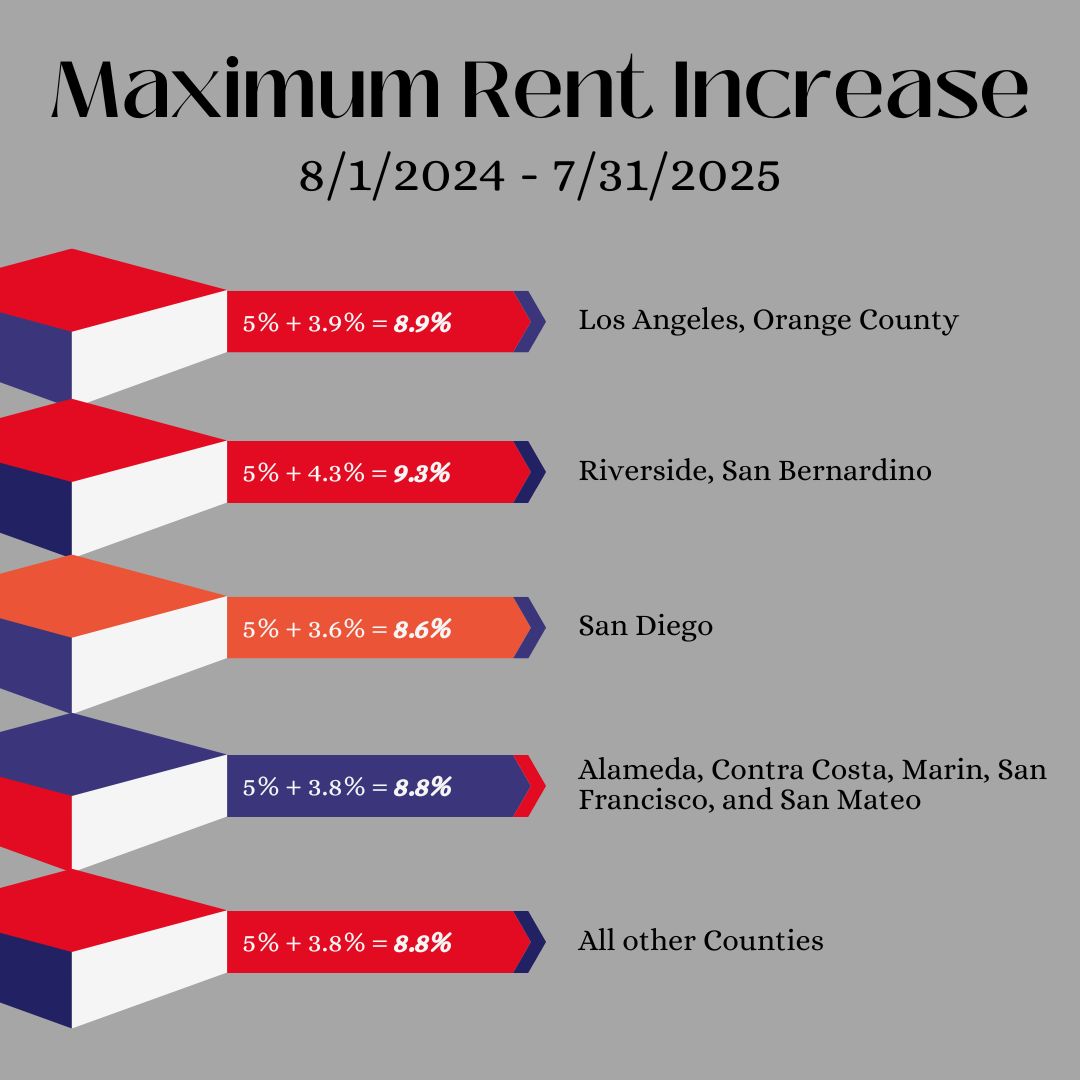
Under AB 1482, annual rent increases are generally capped at 5% plus the percentage change in the cost of living, as measured by the Consumer Price Index (CPI) for the metropolitan area where the property is located, or 10%, whichever is lower. The CPI percentage is typically determined in April of the preceding year. For example, if the relevant CPI increase for a year was 3%, the maximum allowable rent increase would be 5% + 3% = 8%. If the CPI was 6%, the total would be 5% + 6% = 11%, but the cap ensures it cannot exceed 10%. This cap applies to existing tenants and limits how much a landlord can raise the rent over a 12-month period. It’s important to note that this cap resets when a tenant moves out, allowing landlords to raise the rent to market rate for a new tenant (“vacancy decontrol”), although subsequent increases for that new tenant would then fall under AB 1482’s limits.
Beyond rent increases, AB 1482 also introduced “just cause” eviction protections. This means that after a tenant has resided in a property for 12 months (or at least one occupant has resided for 24 months), landlords must have a legitimate, “just cause” reason to evict them. These reasons can be “at-fault” (e.g., non-payment of rent, lease violations) or “no-fault” (e.g., owner intends to occupy, withdrawal of the unit from the rental market), with “no-fault” evictions often requiring relocation assistance for the tenant. These dual protections provide a crucial layer of stability, allowing individuals to settle into a community, whether they are pursuing a new job or embracing a new travel-focused lifestyle, without the constant fear of arbitrary displacement or exorbitant rent hikes.
Who is Covered and Who is Exempt?
While AB 1482 provides broad protections, it doesn’t apply to all rental properties in California. Understanding the exemptions is critical for both tenants and landlords, as it determines whether a property falls under the state’s rent cap and just cause provisions.
Generally, AB 1482 applies to multi-family residential properties, such as apartment buildings, that are at least 15 years old. This 15-year rolling exemption means that newly constructed buildings are exempt from the rent cap and just cause requirements for their first 15 years. This policy was designed to encourage new housing construction, a significant priority in California’s tight housing market. For those considering long-term stays in newer luxury apartments or serviced suites, it’s crucial to verify if the property is still within this exemption period.
Several other significant exemptions exist:
- Single-Family Homes and Condominiums: Generally exempt if they are not owned by a corporation, a real estate investment trust (REIT), or an LLC with at least one corporate member, and if the landlord provides specific written notice to the tenant that the property is exempt from AB 1482. If this notice is not provided, the protections do apply. This means a private individual renting out their single-family home might be exempt, but a large investment company owning many single-family rentals would likely be covered.
- Owner-Occupied Duplexes: A duplex where the owner lives in one of the units as their primary residence is generally exempt from the law.
- Housing that is already subject to a more restrictive local rent control ordinance: If a city has its own rent control laws that offer greater tenant protections (e.g., lower rent caps, stricter eviction rules), those local laws take precedence over AB 1482. We will explore these local ordinances in the next section.
- Short-Term Rentals: Properties rented for 30 days or less, such as many vacation rentals, are generally exempt as they fall outside the scope of traditional residential tenancies. This distinction is crucial for travelers exploring different types of accommodation, from hotels to private villas, and highlights the difference between tourist stays and long-term residency.
- Subsidized Housing: Certain types of affordable housing programs, dormitories, and housing provided by non-profits are also often exempt.

The intricacies of these exemptions emphasize the need for tenants to understand their rights and for landlords to ensure compliance. For those planning to make California their temporary home, whether for leisure or business stays, confirming the applicability of AB 1482 to their chosen accommodation is a vital step in financial planning and ensuring peace of mind.
Beyond State Law: Exploring Local Rent Control Ordinances
While AB 1482 provides a baseline for rent control across California, many cities have long-standing, often more stringent, local rent control ordinances. These local laws predate AB 1482 and, where they offer greater protections, supersede the state law. This means that for individuals considering an extended stay or relocation to one of California’s major metropolitan areas, understanding the specific rules of that city is paramount. The difference between state law and a local ordinance can significantly impact the maximum allowable rent increase and the reasons for eviction, influencing everything from housing stability to the overall cost of a lifestyle.
Cities with Stronger Protections
Several prominent California cities have robust local rent control and eviction protection laws that offer more comprehensive safeguards than AB 1482. These cities often have higher costs of living and more competitive rental markets, leading to the adoption of stricter regulations to protect their residents.
- Los Angeles: The City of Los Angeles has one of the oldest and most extensive rent stabilization ordinances (RSO), covering hundreds of thousands of rental units. Properties built before October 1, 1978, are generally subject to the RSO. This ordinance typically allows for a lower annual rent increase percentage than AB 1482, often tied to a specific percentage of the CPI and sometimes zero percent in certain economic conditions. The Los Angeles RSO also has very specific “just cause” eviction provisions and often requires higher relocation assistance for “no-fault” evictions.
- San Francisco: Known for its notoriously high rents, San Francisco has a strong rent control ordinance that generally applies to units built before June 13, 1979. The annual rent increase is capped at a percentage based on the CPI, often resulting in very modest increases. San Francisco’s law is particularly protective, with strict “just cause” eviction rules and limitations on what expenses landlords can pass through to tenants.
- Oakland: Oakland’s Rent Adjustment Program applies to most multi-unit residential properties built before January 1, 1996. Its allowable annual rent increase is also tied to a percentage of the CPI, typically lower than the state-wide cap. Oakland also has strong “just cause” eviction protections.
- San Jose: The San Jose Rent Ordinance covers multi-family units built before September 7, 1979. It caps annual rent increases at a specific percentage (e.g., 5% in some years, often lower). Similar to other major cities, it includes “just cause” eviction requirements.
- Santa Monica and Berkeley: These cities, among others, also have very robust and often more restrictive rent control laws than the state average, reflecting their unique housing markets and commitment to tenant protections.
For anyone planning an extended stay or contemplating residency in these iconic destinations, researching the specific local rent board or housing department’s website is indispensable. These local nuances not only affect budgeting for accommodation but also play a role in choosing a neighborhood or deciding between short-term rentals and more permanent housing solutions, influencing the overall travel and lifestyle experience.
The Impact on Long-Term Accommodation and Lifestyle Choices
The interplay between state and local rent control laws profoundly impacts how individuals, especially those with a flexible lifestyle or an interest in long-term stay arrangements, approach accommodation in California. For digital nomads, remote workers, or retirees looking to experience California for an extended period, these regulations are more than legal jargon; they are fundamental financial considerations.
In cities with strong rent control, finding initial affordable housing can be a challenge due to high demand, but once secured, tenants benefit from significant stability regarding future rent increases. This makes areas like San Francisco or Los Angeles attractive for those committed to a long-term presence, as the predictability of accommodation costs allows for better financial planning for other aspects of life, such as local tourism, dining, and experiencing unique attractions. Conversely, in areas where AB 1482 is the primary protection, or in exempt properties, rent increases might be higher and more frequent, requiring individuals to factor in potentially larger jumps in their annual housing expenses.
This dynamic also influences the choice between traditional apartments and alternative accommodation options. For shorter extended stays (e.g., 3-6 months), serviced apartments or long-term stay hotels might offer more predictable costs, albeit often at a premium. For stays exceeding a year, a traditional lease in a rent-controlled city could offer greater long-term value, assuming one can navigate the competitive initial rental market. The decision between a full-service resort for a temporary retreat versus a tenant-protected apartment for an immersive cultural experience becomes a complex equation balancing initial cost, stability, and lifestyle preferences. Understanding the rules helps one to strategize whether a luxury travel experience is achievable by cutting long-term housing costs, or if a budget travel approach is mandated by market realities.
Practical Implications for Tenants, Travelers, and Investors
Understanding how much rent can increase in California isn’t just about knowing the numbers; it’s about recognizing the practical implications for all parties involved in the housing market. For tenants, this knowledge empowers them to advocate for their rights. For travelers considering extended stays, it shapes their budgeting and accommodation choices. For property owners and investors, it defines the parameters of their business and influences their investment strategies in one of the world’s most dynamic real estate markets.
Understanding Your Rights and Responsibilities
For any tenant in California, whether a long-term resident or someone on an extended work assignment, knowing your rights is paramount. When you receive a rent increase notice, the first step is to determine which law applies to your specific unit: state-wide AB 1482 or a local rent control ordinance.
- Verify Applicability: Check the age of your building and its location. Most cities with local rent control have online resources or housing departments that can help you determine if your unit is covered. For properties that might be exempt from AB 1482 (like single-family homes), ensure your landlord has provided the required written notice of exemption. Without this notice, your unit may still be covered.
- Calculate the Increase: Compare the proposed rent increase to the maximum allowed under the applicable law. Remember, state law allows 5% + CPI (up to 10%), while local ordinances might have lower, specific percentages.
- Notice Requirements: Landlords are legally required to provide proper notice for rent increases. For increases of 10% or less over a 12-month period, a 30-day written notice is typically required. For increases exceeding 10%, a 60-day written notice is usually mandated. If proper notice is not given, the increase may not be valid.
- Documentation: Keep thorough records of your lease agreement, all rent payment receipts, and any communication with your landlord, especially regarding rent increases or maintenance requests.
- Seek Assistance: If you believe a rent increase is unlawful, or if you face an eviction without “just cause,” resources are available. Local tenant advocacy groups, housing authorities, and legal aid societies provide invaluable assistance and guidance. Websites for your city’s rent board (e.g., Los Angeles Housing Department, San Francisco Rent Board) are excellent starting points.
Understanding these responsibilities and rights fosters a fair and transparent rental experience, crucial for cultivating a positive long-term accommodation relationship and ensuring a peaceful lifestyle in California.
California’s Rental Market: A Dynamic Environment for Accommodation Seekers
California’s rental market remains one of the most competitive and expensive in the United States. Even with rent control measures, high demand, limited housing supply, and strong economic growth in tech hubs like Silicon Valley and entertainment centers like Los Angeles continue to drive up overall housing costs. This dynamic environment has significant implications for various types of accommodation seekers.
For budget travel enthusiasts or those seeking more affordable long-term stays, the challenge lies in finding initial housing. Rent control primarily benefits existing tenants, but new renters often face market-rate pricing for available units. This pushes some to consider less conventional options:
- Extended-Stay Hotels: Offering amenities similar to apartments (kitchenettes, living areas), these can be a viable short-to-medium-term solution, especially for business travelers or families transitioning. They bypass rent control laws but typically come with a higher nightly or weekly rate.
- Serviced Apartments and Corporate Housing: These furnished units offer convenience and often include utilities, making them attractive for corporate relocations or those on specific assignments. Again, these are generally exempt from rent control.
- Co-Living Spaces: A growing trend, particularly in expensive urban centers, co-living arrangements offer private bedrooms with shared common areas, often at a more accessible price point.
For those pursuing a luxury travel or premium lifestyle in California, the high cost of rent means that luxurious apartments or sprawling villas command significant premiums. However, the stability offered by rent control, once secured, can make these long-term commitments more predictable than fluctuating market rates. The overall tourism industry is also affected; as residential rents climb, so too do the costs of short-term vacation rentals, influencing the desirability and accessibility of various destinations and attractions. This interplay ensures that the rental market is a constant point of discussion and adaptation for residents, visitors, and hotels in the Golden State.
Planning Your California Stay: Financial Considerations and Future Outlook
Making a home, even a temporary one, in California requires careful financial foresight. The state’s appeal—its breathtaking landmarks, vibrant local culture, and diverse experiences—comes with a price tag, and rent is often the largest component. For travelers extending their stays, relocating, or making California their home base, understanding the full financial picture, including the dynamics of rent increases, is non-negotiable.
Budgeting for Life in the Golden State
Beyond the rent itself, the overall cost of living in California is a critical factor. When budgeting for an extended stay or a move, consider that high rents often correlate with higher prices for other essentials:
- Transportation: While public transport options exist in major cities, California is largely car-dependent, meaning expenses for gas, insurance, and parking can be substantial.
- Food and Groceries: While diverse culinary experiences are part of California’s charm, grocery prices and dining out can quickly add up.
- Utilities: Depending on the region, heating and cooling costs can be significant, particularly in extreme climates.
- Activities and Entertainment: From theme parks to national parks, museums to concerts, California offers endless entertainment, but these activities require budgeting.
How rent increases impact this overall budget is straightforward: even a modest percentage increase on an already high rent can translate to hundreds of dollars more per month. For those managing a budget travel lifestyle, this means constantly monitoring expenses and potentially adjusting other spending categories. For individuals accustomed to luxury travel, it might mean re-evaluating which upscale amenities or experiences are truly essential versus those that can be scaled back. The key is to factor in the potential for annual rent increases when planning your long-term financial commitment to life in the Golden State.
The Evolving Landscape of California Housing
The housing market in California is in a perpetual state of evolution, driven by economic shifts, population growth, and ongoing legislative efforts. While AB 1482 and various local ordinances provide a framework for stability, discussions around housing affordability, supply, and tenant protections are continuous.
- Future Legislative Changes: Policymakers regularly debate proposals to modify existing rent control laws, expand tenant protections, or incentivize more housing construction. Staying informed about these potential changes is important for both tenants and property owners, as they can alter the landscape of permissible rent increases.
- Market Dynamics: Despite rent control, the fundamental imbalance between housing supply and demand in many parts of California persists. This means that while existing tenants may enjoy capped increases, the initial market rate for new rentals will likely remain high.
- Impact on Investment and Development: Rent control policies can influence developers’ decisions regarding new construction, potentially leading to more activity in exempt categories (like luxury apartments) or in areas with fewer restrictions. This, in turn, impacts the variety and availability of accommodation types across the state.
For anyone planning to embed themselves in California’s vibrant culture for an extended period, whether to explore its world-renowned destinations, embrace a specific lifestyle, or pursue professional opportunities, understanding “How Much Can Rent Increase In California?” is not just an academic exercise. It’s a fundamental query that underpins budgeting, decision-making, and ultimately, the ability to fully enjoy the rich tapestry of experiences that the Golden State has to offer. By staying informed and planning proactively, you can navigate California’s complex rental market and make the most of your journey.
LifeOutOfTheBox is a participant in the Amazon Services LLC Associates Program, an affiliate advertising program designed to provide a means for sites to earn advertising fees by advertising and linking to Amazon.com. Amazon, the Amazon logo, AmazonSupply, and the AmazonSupply logo are trademarks of Amazon.com, Inc. or its affiliates. As an Amazon Associate we earn affiliate commissions from qualifying purchases.