
Understanding the nuances of cash assistance programs in Nevada is crucial for individuals and families seeking to supplement their income or navigate periods of financial hardship. While the term “cash assistance” can encompass various forms of aid, in the context of state-provided programs, it most commonly refers to the Temporary Assistance for Needy Families (TANF) program. This federal program, administered at the state level, is designed to provide temporary financial support to families with children, along with work support and other services to help them achieve self-sufficiency.
The amount of cash assistance an individual or family receives in Nevada through TANF is not a one-size-fits-all figure. It is determined by a complex interplay of factors, primarily centering on the household’s income, the number of eligible family members, and specific state-determined benefit levels. Navigating these determinants requires a clear understanding of eligibility criteria, benefit calculations, and the various circumstances that can influence the final award.
Understanding Temporary Assistance for Needy Families (TANF) in Nevada
Temporary Assistance for Needy Families (TANF) is the cornerstone of cash assistance programs in Nevada, administered by the Nevada Department of Welfare and Supportive Services (DWSS). Unlike some other social service programs, TANF is designed to be temporary, with an emphasis on moving recipients towards employment and self-reliance. The program’s core tenets include providing financial aid to families with children, promoting work and responsible fatherhood, and preventing and reducing out-of-wedlock pregnancies.
Eligibility Criteria for TANF
To qualify for TANF in Nevada, households must meet several key eligibility requirements. These generally include:
- Residency: Applicants must be residents of Nevada.
- Citizenship/Immigration Status: Applicants must be U.S. citizens, legal permanent residents, or have other eligible immigration status.
- Children in the Home: TANF is intended for families with at least one dependent child under the age of 18 (or 19 if still attending high school or vocational school full-time).
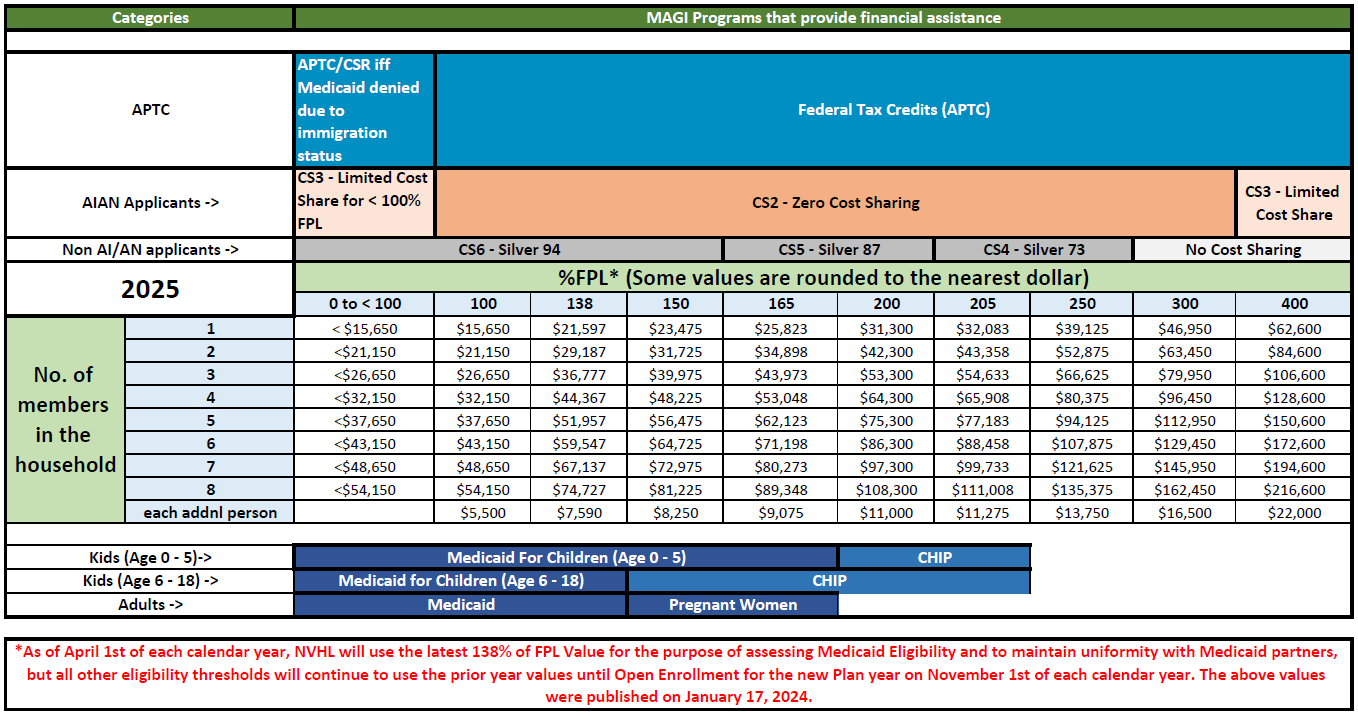
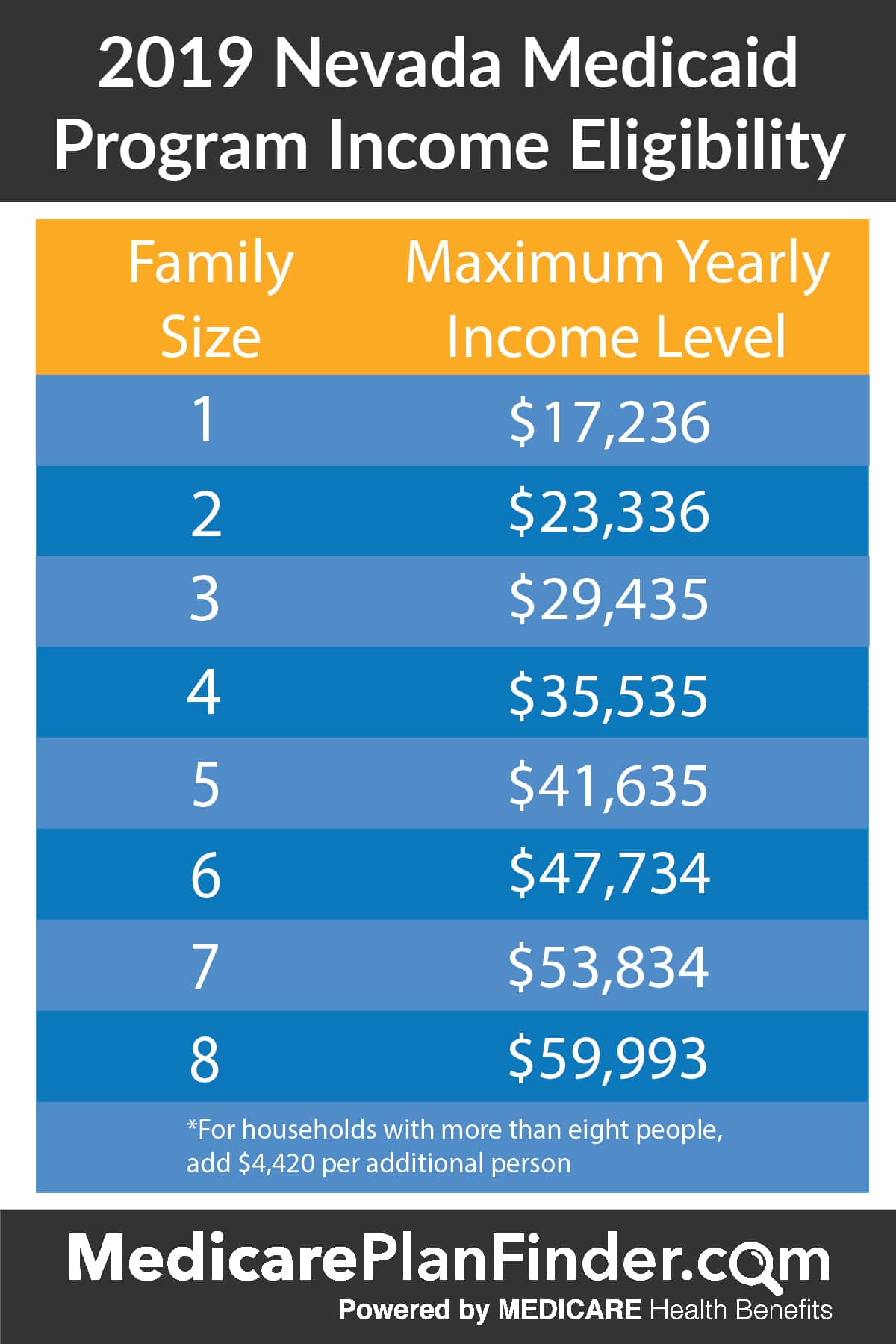
- Income Limits: The household’s gross and net income must fall below specific thresholds set by the state. These limits are often adjusted annually and can vary based on family size.
- Asset Limits: Households must also meet certain limits on the value of their assets (e.g., savings accounts, vehicles), excluding essential items like the primary residence.
- Work Requirements: Most adult recipients are required to participate in work activities, which can include job searching, job training, education, or community service, unless they meet specific exemption criteria.
- Time Limits: Federal law imposes a lifetime limit on how long a family can receive TANF benefits, typically 60 months. Nevada may also have shorter state-specific time limits for certain situations.
How Benefit Amounts Are Calculated
The actual cash assistance amount a family receives through TANF is determined through a formula that takes into account several variables. The primary drivers of the benefit amount are:
- Family Size: Larger families generally receive higher benefit amounts because the assistance is intended to cover the needs of all eligible children and the custodial parent or guardian.
- Gross and Net Income: The applicant’s gross income (income before deductions) and net income (income after certain allowable deductions) are critical. The benefit amount is reduced by a portion of this income, reflecting the program’s goal of supplementing, not replacing, earned income. Deductions may be allowed for work-related expenses, child care costs, and other necessary expenditures.
- State Maximum Benefit Levels: Nevada establishes maximum benefit levels for different family sizes. These are the highest amounts a family of a given size can receive, regardless of their income. The calculated benefit amount cannot exceed this maximum.
- Earned Income Disregards: TANF programs often include “earned income disregards,” which are portions of earned income that are not counted when calculating benefit eligibility or amount. This is a key incentive for recipients to seek employment, as earning more income does not immediately lead to a dollar-for-dollar reduction in benefits.
It is important to note that the TANF benefit amount is intended to be a partial supplement to a family’s needs and is generally not designed to cover all living expenses. The benefit is typically paid out on a monthly basis.
Beyond TANF: Other Forms of Cash Assistance
While TANF is the primary government-administered cash assistance program, individuals in Nevada might also encounter other programs or forms of financial support that could be considered “cash assistance” in a broader sense. These may not directly provide monthly cash stipends in the same way as TANF but offer financial relief or resources that can be converted into cash.
Emergency Assistance Programs
Nevada and its various county-level social service agencies may offer emergency assistance programs. These are typically short-term, one-time payments designed to help families facing immediate crises, such as eviction, utility shut-off, or a sudden loss of income due to unforeseen circumstances. The eligibility and benefit amounts for these programs vary widely and are often dependent on available funding and the specific nature of the emergency. These are not regular cash assistance but are crucial for preventing homelessness and addressing urgent needs.
Child Support Enforcement
While not direct cash assistance from the state, the Nevada Child Support Program, also administered by DWSS, plays a vital role in ensuring financial support for children from non-custodial parents. For custodial parents receiving TANF, any child support payments collected are typically passed through to the family up to a certain amount, with the remainder going to reimburse the state for TANF benefits paid. For non-TANF families, child support payments are a direct form of financial assistance received from the other parent.
Local and Non-Profit Aid
Numerous local charities, religious organizations, and community-based non-profits operate in Nevada that may offer direct financial assistance or vouchers for essential needs. These can include organizations like the Salvation Army, local food banks that may offer financial assistance for utility bills, or housing assistance programs. The availability and amount of aid from these sources are highly dependent on donations and grant funding and are typically awarded on a case-by-case basis to individuals demonstrating acute need.
Factors Influencing Your Specific Cash Assistance Amount
The exact amount of cash assistance you will receive in Nevada is highly individualized. Beyond the general rules of TANF, several specific circumstances can directly impact your monthly payment.
Impact of Other Income Sources
Any income you or other members of your household receive will significantly affect your TANF benefit. This includes:
- Earned Income: Wages from employment are the most common form of earned income. As mentioned, TANF has earned income disregards to encourage work, but beyond these disregards, your earned income will reduce your benefit amount. For example, if your calculated maximum benefit for your family size is $500 per month, and after applying disregards, $200 of your earned income is counted, your benefit would be reduced by $200, resulting in a $300 payment.
- Unearned Income: This includes sources like unemployment benefits, Social Security benefits, Supplemental Security Income (SSI), pensions, and any other income not from work. Unearned income generally reduces your TANF benefit on a dollar-for-dollar basis after certain deductions.
- Child Support Payments: As discussed, child support payments received by the custodial parent can affect the TANF grant.
- In-Kind Benefits: While not direct cash, certain in-kind benefits may be considered in determining eligibility or benefit levels in some cases, though typically essential needs met through specific programs (like SNAP for food) do not reduce cash assistance directly.
Household Composition and Changes
The number of eligible individuals in your household is a primary determinant of your potential benefit amount. If there are changes in your household composition—such as a new child being born, a child turning 18 and no longer being eligible, or a family member moving out—your benefit amount will be recalculated. It is imperative to report any such changes to the DWSS promptly to ensure your benefits accurately reflect your current circumstances.
Sanctions and Compliance
TANF programs have rules and requirements that recipients must follow, most notably work participation requirements. Failure to comply with these requirements without a good cause can result in sanctions. Sanctions typically involve a reduction in the cash assistance amount, often starting with a partial reduction and escalating to a full termination of benefits if non-compliance continues. Understanding and adhering to these requirements is vital for maintaining consistent benefit payments.
State Budget and Funding Fluctuations
While less common for core programs like TANF, the overall funding levels for state assistance programs can sometimes influence benefit amounts or eligibility criteria, especially for emergency or discretionary programs. Nevada, like all states, operates within its budget, and while federal funding provides a baseline, state allocations can play a role. However, for TANF, benefit levels are generally set by statute and adjusted, rather than being directly tied to short-term budget fluctuations.
How to Apply and Get a Specific Estimate
The process for applying for cash assistance in Nevada is managed through the Nevada Department of Welfare and Supportive Services (DWSS). It is designed to gather the necessary information to accurately assess your eligibility and calculate your potential benefit amount.
Application Process
- Online Application: The most efficient way to begin is by applying online through the Nevada Benefits Portal or the DWSS website. This allows you to submit your application and supporting documents electronically.
- In-Person or Phone Application: If you prefer or require assistance, you can also apply in person at your local DWSS office or by calling their main customer service line.
- Required Documentation: Be prepared to provide comprehensive documentation, including proof of identity for all household members, proof of residency, birth certificates for children, social security numbers, proof of income (pay stubs, benefit statements), proof of assets, and information about any child support obligations.
- Interviews and Verification: After submitting your application, DWSS will review your information. You may be required to attend an interview, either in person or by phone, to discuss your circumstances further and verify the information provided. They may also conduct background checks or contact previous employers.

Obtaining a Specific Estimate
Unfortunately, there isn’t a universally available online calculator that can provide an exact dollar amount for your potential cash assistance without submitting an application. The reason for this is the highly personalized nature of the calculation.
However, once you have submitted an application and provided all necessary information, the DWSS case worker assigned to your case will be able to:
- Determine Eligibility: Confirm if you meet all the TANF eligibility criteria.
- Calculate Benefit Amount: Based on your verified income, family size, and the current state benefit schedules, they will calculate the precise monthly cash assistance amount you are eligible to receive.
- Provide a Notice of Decision: You will receive an official notice detailing your eligibility status and the exact benefit amount, along with the effective date.
It is advisable to be as accurate and thorough as possible when completing your application. If you have specific questions about how certain income, assets, or circumstances might affect your benefit amount, it is best to discuss these directly with a DWSS representative during the application process. They are equipped to provide guidance tailored to your unique situation within the framework of Nevada’s welfare policies.
LifeOutOfTheBox is a participant in the Amazon Services LLC Associates Program, an affiliate advertising program designed to provide a means for sites to earn advertising fees by advertising and linking to Amazon.com. Amazon, the Amazon logo, AmazonSupply, and the AmazonSupply logo are trademarks of Amazon.com, Inc. or its affiliates. As an Amazon Associate we earn affiliate commissions from qualifying purchases.