
The allure of New York City, often dubbed the “City That Never Sleeps,” draws millions each year. From its iconic landmarks and vibrant culture to its endless dining and entertainment options, it’s a place that sparks the imagination. But for those considering a more permanent stay, the question inevitably arises: “How much does it actually cost to live in New York?” This is a complex question, as the cost of living is a dynamic interplay of individual choices, neighborhood preferences, and lifestyle aspirations.
While New York is undeniably one of the most expensive cities in the world, understanding the breakdown of expenses can help paint a clearer picture and allow for more informed planning. This guide aims to demystify the costs associated with establishing a life in the Big Apple, covering essential expenses and offering insights into how different lifestyles can impact your budget. Whether you’re dreaming of a luxurious long-term stay in a downtown apartment or a more budget-conscious existence, this article will delve into the financial realities of calling New York home.
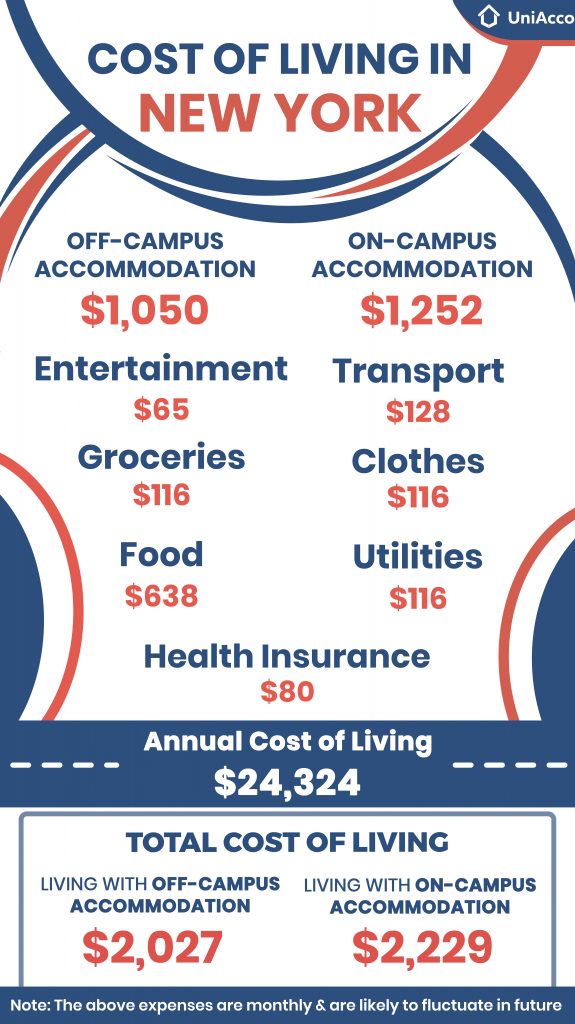
The Foundation: Accommodation Costs in New York
The most significant factor in the cost of living in New York is undeniably accommodation. Rent prices vary dramatically depending on the borough, neighborhood, and the type of dwelling you choose. This is where understanding New York‘s diverse offerings becomes crucial.
Borough Breakdown: Where You Live Matters
Each of New York‘s five boroughs offers a distinct living experience and price point.
- Manhattan: As the economic and cultural heart of the city, Manhattan commands the highest rents. Neighborhoods like the Upper East Side and the West Village are notoriously expensive, with one-bedroom apartments often starting at $4,000 per month and exceeding $5,000 easily. Even studios in prime locations can push $3,000. However, there are pockets, particularly in Upper Manhattan, where rents might be slightly more accessible, though still substantial. The sheer density of world-renowned attractions like the Central Park, Times Square, and the Empire State Building contributes to its desirability and, consequently, its cost.
- Brooklyn: Once an affordable alternative to Manhattan, Brooklyn has seen a significant surge in rental prices, especially in trendy neighborhoods like Williamsburg, Dumbo, and Bushwick. While still generally less expensive than Manhattan, a one-bedroom apartment can still range from $2,500 to $4,000 per month. More distant neighborhoods in Brooklyn can offer more affordable options, but this often means a longer commute to Manhattan. The borough’s burgeoning arts scene, diverse culinary offerings, and iconic bridges like the Brooklyn Bridge make it a sought-after destination.
- Queens: Queens offers a more diverse range of housing options and price points. Neighborhoods like Astoria and Long Island City have become increasingly popular and thus more expensive, with one-bedrooms averaging $2,000 to $3,000. However, other areas of Queens, particularly further east, can provide more budget-friendly accommodation, with rents for comparable apartments falling between $1,800 and $2,500. Queens boasts a rich tapestry of cultures, from the vibrant streets of Flushing to the coastal charm of the Rockaways.
- The Bronx: Historically the most affordable borough, The Bronx is now experiencing its own gentrification. While it still offers the most budget-friendly housing options in the city, rents are steadily increasing. One-bedroom apartments can be found for $1,500 to $2,200 in many areas. The Bronx is home to significant green spaces like Yankee Stadium and the Bronx Zoo, offering a different kind of urban experience.
- Staten Island: The least populated and arguably the most suburban of the boroughs, Staten Island generally offers the lowest rental prices. One-bedroom apartments can often be found for $1,200 to $1,800 per month. The commute to Manhattan via the Staten Island Ferry is a defining characteristic of life here.
Beyond Rent: Associated Housing Costs
It’s crucial to remember that rent is not the only accommodation expense. You’ll also need to factor in:
- Utilities: Electricity, gas, water, and internet can add $150 to $300+ per month, depending on usage and the building’s efficiency.
- Renter’s Insurance: Essential for protecting your belongings, this typically costs $15 to $30 per month.
- Moving Costs: The initial expense of relocating can be significant, including movers, truck rentals, and potential security deposits and broker fees (which can be as high as 15% of the annual rent).
- Furnishing: If you’re not moving into a furnished apartment, the cost of furniture can be a substantial upfront investment.
Daily Living Expenses: Navigating the Cost of Food, Transport, and More
Once accommodation is sorted, the day-to-day costs of living in New York come into play. These expenses are highly variable and depend on your personal habits and preferences.
Dining and Groceries: A Tale of Two Wallets
New York is a culinary paradise, offering everything from Michelin-starred restaurants to humble street food vendors. This diversity directly impacts your food budget.
- Dining Out: Eating out regularly in New York can be incredibly expensive. A mid-range dinner for two can easily cost $80-$150, not including drinks or tips. Even a casual lunch at a deli can set you back $15-$25. New York‘s dining scene is an integral part of its lifestyle, but indulging too frequently will significantly inflate your expenses.
- Groceries: Cooking at home is a more budget-friendly approach. Grocery costs can range from $300 to $600+ per month for a single person, depending on dietary choices and where you shop. Manhattan grocery stores, especially those in upscale neighborhoods, tend to be pricier than those in outer boroughs. Exploring local markets and ethnic grocers can often yield better prices and unique ingredients.
Transportation: Getting Around the Concrete Jungle

Navigating New York is generally efficient and relatively affordable thanks to its extensive public transportation system.
- MetroCard: A monthly unlimited MetroCard for subways and buses costs $132 (as of late 2023). This is a crucial expense for most New Yorkers and offers incredible value for frequent commuters, allowing unlimited travel across the city. Single rides are $2.90.
- Taxis and Ride-Sharing: While convenient, taxis and services like Uber and Lyft can become very expensive for regular use. A short ride within Manhattan can cost $15-$30, and longer journeys can easily exceed $50.
- Car Ownership: Owning a car in New York is generally discouraged due to the high costs of parking (which can be $400-$700+ per month), insurance, gas, and tolls. Most residents opt out of car ownership entirely.
Other Essential Expenses
Beyond food and transport, consider these other regular costs:
- Healthcare: Health insurance premiums and out-of-pocket medical expenses can vary widely depending on your coverage and needs.
- Personal Care: This includes haircuts, toiletries, and gym memberships. A gym membership can range from $50 to $200+ per month.
- Entertainment and Leisure: New York offers an unparalleled array of entertainment, from Broadway shows and museums like the Metropolitan Museum of Art to sporting events at Yankee Stadium and live music venues. Budgeting for these activities is essential for enjoying the New York lifestyle. A Broadway show ticket can range from $100 to $500+, while museum admission varies but many offer free or pay-what-you-wish days.
Lifestyle Choices: Luxury vs. Budget in New York
The cost of living in New York is ultimately a reflection of your chosen lifestyle. The city caters to both extreme luxury and more frugal approaches to urban living.
The Luxury Lifestyle
For those who desire the full New York experience with all its opulent offerings, the costs can escalate rapidly. This includes:
- High-end Accommodation: Living in premium Manhattan neighborhoods, possibly in a doorman building with extensive amenities, or opting for a luxury hotel like the Plaza Hotel for a long-term stay.
- Fine Dining and Private Clubs: Frequenting Michelin-starred restaurants, exclusive clubs, and enjoying top-shelf beverages.
- Designer Shopping and Exclusive Experiences: Indulging in high-end retail therapy and attending exclusive events.
- Private Transportation: Relying on taxis, ride-sharing, or even a chauffeured car service.
A luxury lifestyle in New York can easily see monthly expenses reach $10,000, $20,000, or even significantly more. This is a lifestyle associated with luxury travel and a different set of financial priorities.
The Budget-Conscious Lifestyle
It is entirely possible to live in New York on a more modest budget, especially if you’re willing to make certain compromises. Key strategies include:
- Affordable Accommodation: Choosing to live in outer boroughs like The Bronx or eastern Queens, or in less trendy neighborhoods within Brooklyn, and opting for a smaller apartment or roommate situation.
- Home Cooking and Budget-Friendly Eats: Preparing most meals at home and exploring affordable dining options like food trucks, dollar slices, and ethnic eateries.
- Utilizing Public Transportation: Relying heavily on the MetroCard for commuting.
- Free or Low-Cost Entertainment: Taking advantage of New York‘s many free attractions, such as exploring Central Park, walking across the Brooklyn Bridge, visiting free museum days, and enjoying street festivals.
- Second-hand Shopping and DIY: Finding furniture and clothing at thrift stores or online marketplaces.
A budget travel approach to living in New York might see monthly expenses ranging from $2,500 to $4,500 for a single person, depending on rent and personal spending habits. This often involves a more grounded approach to experiencing the city’s local culture and activities.

The Verdict: Is New York Affordable for You?
Ultimately, the question of “How much does it cost to live in New York?” has no single answer. It is a city that can accommodate a vast spectrum of financial capabilities. The cost of living is a direct reflection of the choices you make regarding where you live, how you eat, how you travel, and how you choose to spend your leisure time.
For many, the dream of living in New York is not solely about the cost but about the experience. The unparalleled energy, the diverse communities, the access to world-class culture and career opportunities make it a unique and rewarding place to call home. By carefully planning your budget, understanding the different accommodation options, and being mindful of your spending habits, a fulfilling life in New York can be within reach for a variety of individuals and families. Whether you’re drawn to New York for business stays, family trips, or the sheer thrill of urban exploration, a well-planned financial strategy is the key to unlocking the magic of this incredible city.
LifeOutOfTheBox is a participant in the Amazon Services LLC Associates Program, an affiliate advertising program designed to provide a means for sites to earn advertising fees by advertising and linking to Amazon.com. Amazon, the Amazon logo, AmazonSupply, and the AmazonSupply logo are trademarks of Amazon.com, Inc. or its affiliates. As an Amazon Associate we earn affiliate commissions from qualifying purchases.