
The question of “how much do Boston Terriers weigh?” extends far beyond a simple numerical answer; it delves into the very fabric of lifestyle choices for potential and current owners. Understanding the typical weight range of this charming breed is crucial for everything from ensuring their health and well-being to planning travel arrangements, selecting appropriate gear, and even determining the suitability of your living environment. A Boston Terrier’s size directly impacts their integration into your daily life, making this an essential aspect of responsible pet ownership and a key consideration in the “lifestyle” of a Boston Terrier companion.
Understanding the Boston Terrier Standard Weight
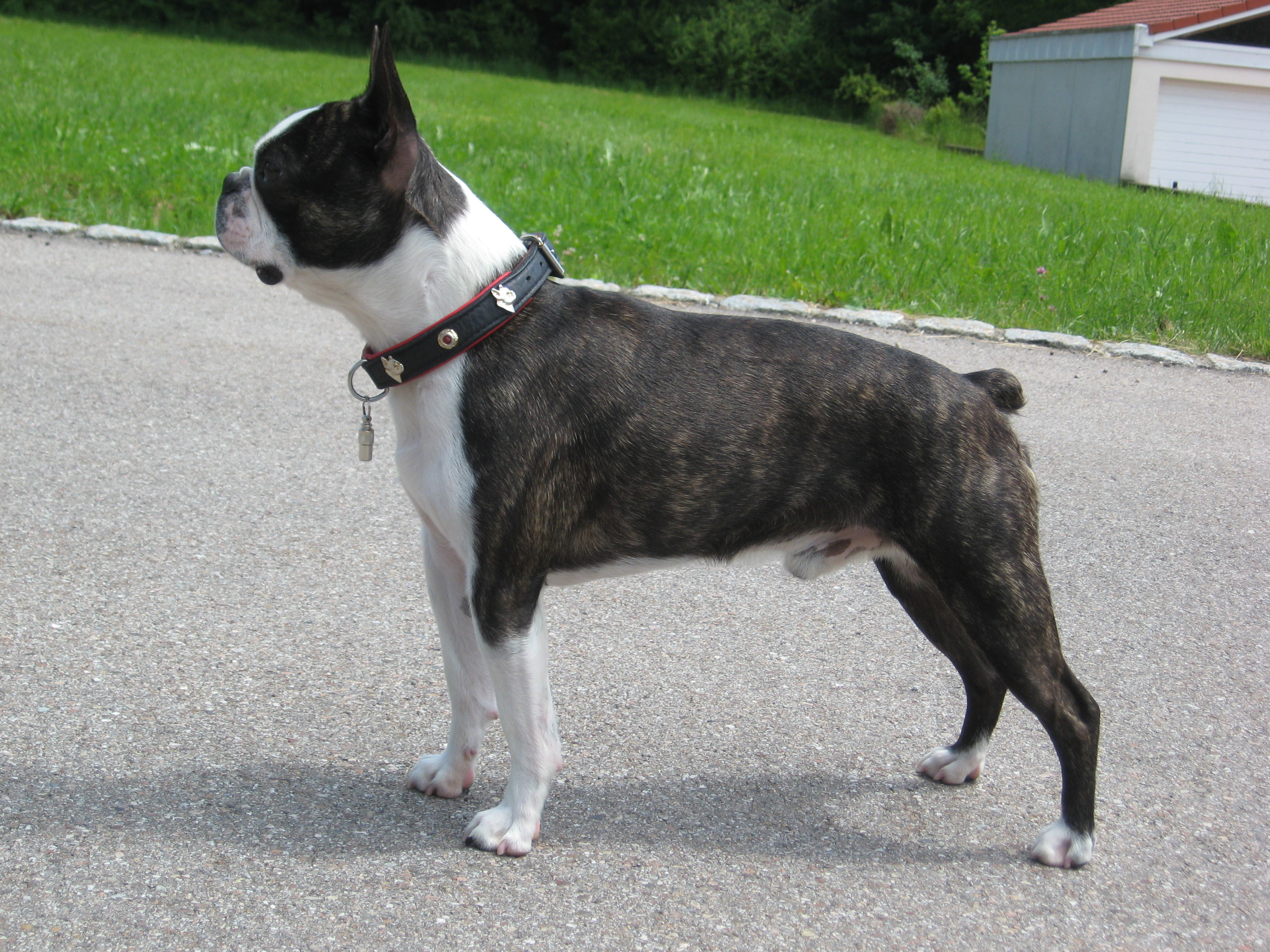
For prospective owners, knowing the breed standard provides a foundational understanding of what to expect. The Boston Terrier is classified by weight, a unique characteristic that reflects its compact yet muscular build. These classifications are not merely arbitrary; they serve as guidelines for breeders and provide owners with a benchmark for their dog’s healthy development.
Breed Standard and Weight Classes
According to the American Kennel Club (AKC) breed standard, Boston Terriers are divided into three weight classes:
- Under 15 pounds: These are the smallest Boston Terriers, often referred to as “toy” size, though not a separate breed. They are incredibly portable and often well-suited for very small living spaces.
- 15 pounds and under 20 pounds: This is the most common weight class, encompassing a broad range of typical Boston Terriers. They offer a good balance of sturdiness and manageable size.
- 20 pounds and not to exceed 25 pounds: These are the larger Boston Terriers, nearing the upper limit of the breed standard. While still compact, they possess a more substantial presence.
It’s important to note that regardless of weight, the AKC standard emphasizes a “cobby” body, which means short and broad, with a square head and expressive eyes. The overall balance and proportion are more critical than the exact weight, ensuring the dog maintains its characteristic appearance and agility.
Factors Influencing a Boston Terrier’s Weight
While the breed standard provides a healthy range, several factors contribute to an individual Boston Terrier’s actual weight throughout its life. These factors are often direct reflections of an owner’s lifestyle choices and commitment to pet care.
- Genetics: The most significant determinant is the dog’s genetic lineage. Puppies from smaller parents will generally be smaller, and vice versa. Responsible breeders will often be able to provide estimates based on their breeding lines.
- Diet and Nutrition: The quality and quantity of food are paramount. Overfeeding, even by a small amount daily, can lead to significant weight gain over time. Conversely, an inadequate diet can hinder proper growth. A balanced, high-quality diet tailored to their age, activity level, and weight class is essential for a healthy lifestyle.
- Activity Level: Boston Terriers are generally active dogs, but their energy levels can vary. A dog that receives regular exercise will naturally maintain a healthier weight than one that leads a sedentary lifestyle. Incorporating daily walks, play sessions, and mental stimulation is crucial.
- Age: Puppies grow rapidly, and their weight will increase until they reach maturity, typically around 12-18 months. Senior Boston Terriers may become less active, necessitating adjustments in diet to prevent weight gain.
- Health Conditions: Underlying medical conditions, such as thyroid issues or metabolic disorders, can affect a dog’s weight. Regular veterinary check-ups are vital for monitoring health and addressing any weight concerns promptly.
Weight Implications for Urban & Apartment Living
The compact size of Boston Terriers makes them an incredibly popular choice for urban dwellers and those living in apartments or smaller homes. Their manageable weight class is a significant advantage in these lifestyle scenarios, influencing everything from space requirements to daily routines.
Space Requirements
A 20-pound Boston Terrier requires far less dedicated space than a large breed. This is a major benefit for apartment living, where square footage is often at a premium. They can comfortably navigate smaller living areas, curl up in a modest dog bed, and don’t demand an expansive backyard to thrive. This makes them ideal companions for those whose lifestyle doesn’t include a large property but still desire the companionship of a dog.
Exercise Needs in Confined Spaces
While they are adaptable to apartment living, Boston Terriers are not couch potatoes. Their energy needs, though moderate, still require consistent attention. Fortunately, their weight and size mean that their exercise requirements can often be met with regular walks, trips to a local park, or indoor play sessions, even in urban environments. Two to three short walks daily, combined with some indoor playtime, are typically sufficient to keep a Boston Terrier happy and healthy, preventing excess weight gain that can result from a sedentary lifestyle. Owners can integrate these activities seamlessly into their urban routines.
Portability and Ease of Travel
One of the most appealing lifestyle aspects of a Boston Terrier is their inherent portability. Their weight range means they are typically easy to pick up, carry, and maneuver in various situations. This ease of portability is a huge plus for city living, where navigating public transport, pet-friendly shops, or crowded sidewalks is a regular occurrence. A smaller, lighter Boston Terrier can often be carried in a comfortable dog sling or carrier, enhancing shared experiences and allowing them to accompany their owners on many outings that might be impractical with a larger dog.
Traveling with Your Boston Terrier: Weight as a Key Factor

For individuals with a dynamic or travel-heavy lifestyle, the weight of their pet is a paramount consideration. Boston Terriers, due to their size, often present fewer logistical challenges than larger breeds, making them excellent travel companions.
Airline Pet Policies and Carrier Dimensions
When flying, a Boston Terrier’s weight and size are critical. Most airlines allow small dogs to travel in the cabin if they can fit comfortably in an approved carrier that can be stored under the seat in front of you. The combined weight of the dog and carrier typically has an upper limit, often around 15-20 pounds. This means that smaller Boston Terriers from the under 15-pound class, and even some from the 15-20 pound class (depending on the carrier’s weight and the airline’s specific policy), can often fly with their owners in the cabin. This is a significant lifestyle advantage, as it avoids the stresses and risks associated with cargo travel. For larger Boston Terriers approaching or exceeding 25 pounds, cargo travel might be the only option, which requires careful planning and consideration.
Road Trips and Public Transport
For road trips, a Boston Terrier’s moderate weight makes them easy to secure in a car seat or crate, ensuring safety and comfort. They don’t take up excessive space, allowing for more room for luggage or other passengers. Similarly, on public transport systems in many cities, smaller dogs in carriers are permitted, offering a valuable option for owners who rely on buses, subways, or trains as part of their daily or travel lifestyle. Their compact nature minimizes inconvenience to other passengers and makes these journeys far more feasible.
Choosing Pet-Friendly Accommodations
When planning getaways, the weight of your Boston Terrier can influence your choice of hotels, vacation rentals, and other accommodations. Many pet-friendly establishments have weight restrictions, often ranging from 20 to 50 pounds. A Boston Terrier typically falls well within these limits, opening up a wider array of accommodation options. This flexibility is a significant benefit for a lifestyle that includes traveling with a beloved canine companion, allowing owners to focus on the destination rather than exhaustive searches for suitable lodging.
Health and Wellness: Maintaining an Ideal Weight for a Fulfilling Lifestyle
Maintaining an ideal weight is fundamental to a Boston Terrier’s long-term health and, consequently, their quality of life. An overweight or underweight Boston Terrier can suffer from various health complications that directly impact their ability to enjoy a full, active lifestyle.
Diet and Nutrition for Weight Management
A proper diet is the cornerstone of weight management. Boston Terriers thrive on high-quality dog food appropriate for their life stage (puppy, adult, senior) and activity level. Portion control is vital; even small breeds can become obese quickly if overfed. Owners must be diligent about measuring food and limiting treats. Consulting with a veterinarian can help establish a precise feeding plan tailored to an individual dog’s metabolic needs and lifestyle. Obesity in Boston Terriers can exacerbate brachycephalic (short-nosed) breathing issues, put strain on their joints, and lead to other serious health problems like diabetes and heart disease.
Exercise Regimens for Different Weights
While all Boston Terriers need regular exercise, the intensity and duration can be adjusted based on their current weight and fitness level. A dog that is slightly overweight might benefit from longer, more frequent walks or structured play sessions. For underweight dogs, focus should be on a calorie-dense diet combined with moderate activity to build muscle mass. Always monitor your dog for signs of overheating or overexertion, especially given their brachycephalic nature, which can make breathing difficult in extreme temperatures or during intense exercise.
Recognizing and Addressing Weight Issues
Regularly weighing your Boston Terrier and performing a body condition score check at home is an important aspect of a proactive lifestyle. You should be able to feel their ribs without seeing them, and they should have a discernible waist when viewed from above. If you notice significant changes in weight or body condition, consult your veterinarian. They can help rule out underlying medical issues, adjust dietary recommendations, and suggest appropriate exercise modifications to guide your Boston Terrier back to a healthy weight, ensuring they can enjoy all aspects of their life alongside you.

The Boston Terrier in Your Lifestyle: Beyond the Scale
Beyond the mere number on a scale, the weight of a Boston Terrier profoundly influences how they integrate into an owner’s overall lifestyle. Their size category is an advantage in many modern living situations, offering a blend of robust companionship and manageable care.
The ease with which a Boston Terrier fits into a diverse range of living arrangements—from bustling city apartments to suburban homes—underscores their suitability for various personal lifestyles. Their moderate exercise requirements mean they can adapt to a more active owner who enjoys outdoor adventures or a more relaxed individual seeking a loyal home companion. Their manageable weight translates to less physical strain when handling them, easier grooming, and often more affordable pet supplies, contributing positively to an owner’s daily routine and financial planning.
Ultimately, the weight of a Boston Terrier is one piece of a larger puzzle that defines the unique lifestyle shared between these charming dogs and their human companions. It informs choices about care, travel, and daily living, ensuring a harmonious and enriching partnership.
LifeOutOfTheBox is a participant in the Amazon Services LLC Associates Program, an affiliate advertising program designed to provide a means for sites to earn advertising fees by advertising and linking to Amazon.com. Amazon, the Amazon logo, AmazonSupply, and the AmazonSupply logo are trademarks of Amazon.com, Inc. or its affiliates. As an Amazon Associate we earn affiliate commissions from qualifying purchases.