
For many, the journey to a perfect smile is a significant investment, both in terms of time and finances. While the question “How much do braces cost in Texas?” might seem straightforward, its implications for travelers, digital nomads, and those considering a lifestyle change or long-term stay in the Lone Star State are multifaceted. Understanding the financial landscape of orthodontic treatment in Texas is not just about a price tag; it’s about making an informed decision that aligns with your travel plans, budget, and desired lifestyle. Whether you’re considering Texas as a destination for quality medical tourism, weighing healthcare costs as part of a potential relocation, or simply curious about how a significant health investment fits into your overall travel budget, this guide will illuminate the various factors that influence the cost of braces across this vast and diverse state.
Texas, known for its sprawling landscapes, vibrant cities like Houston, Dallas, Austin, and San Antonio, and a rich tapestry of local culture and food, also boasts a highly developed healthcare infrastructure. This makes it an attractive option for those seeking specialized treatments, including orthodontics, while simultaneously exploring its numerous attractions and landmarks. From world-class medical centers to a competitive market of experienced orthodontists, Texas offers a spectrum of choices, each with its own cost implications. For the discerning traveler, integrating health needs with a travel itinerary requires careful planning, much like booking the perfect hotel suite or finding the ideal long-term accommodation. Let’s delve into the specifics of what you can expect when budgeting for braces in Texas.
Navigating Orthodontic Costs in the Lone Star State
The cost of orthodontic treatment in Texas is not a fixed number; it’s a dynamic range influenced by several key variables. These include the type of braces chosen, the complexity of the individual’s dental case, the orthodontist’s experience and reputation, and the geographical location within the state. A visit to an orthodontist in a bustling metropolitan area like Austin or Dallas might present different price points compared to a practice in a smaller, rural town. For travelers, understanding these nuances is crucial for both financial planning and logistical considerations, especially if multiple appointments are required.
The Baseline: Traditional Metal Braces
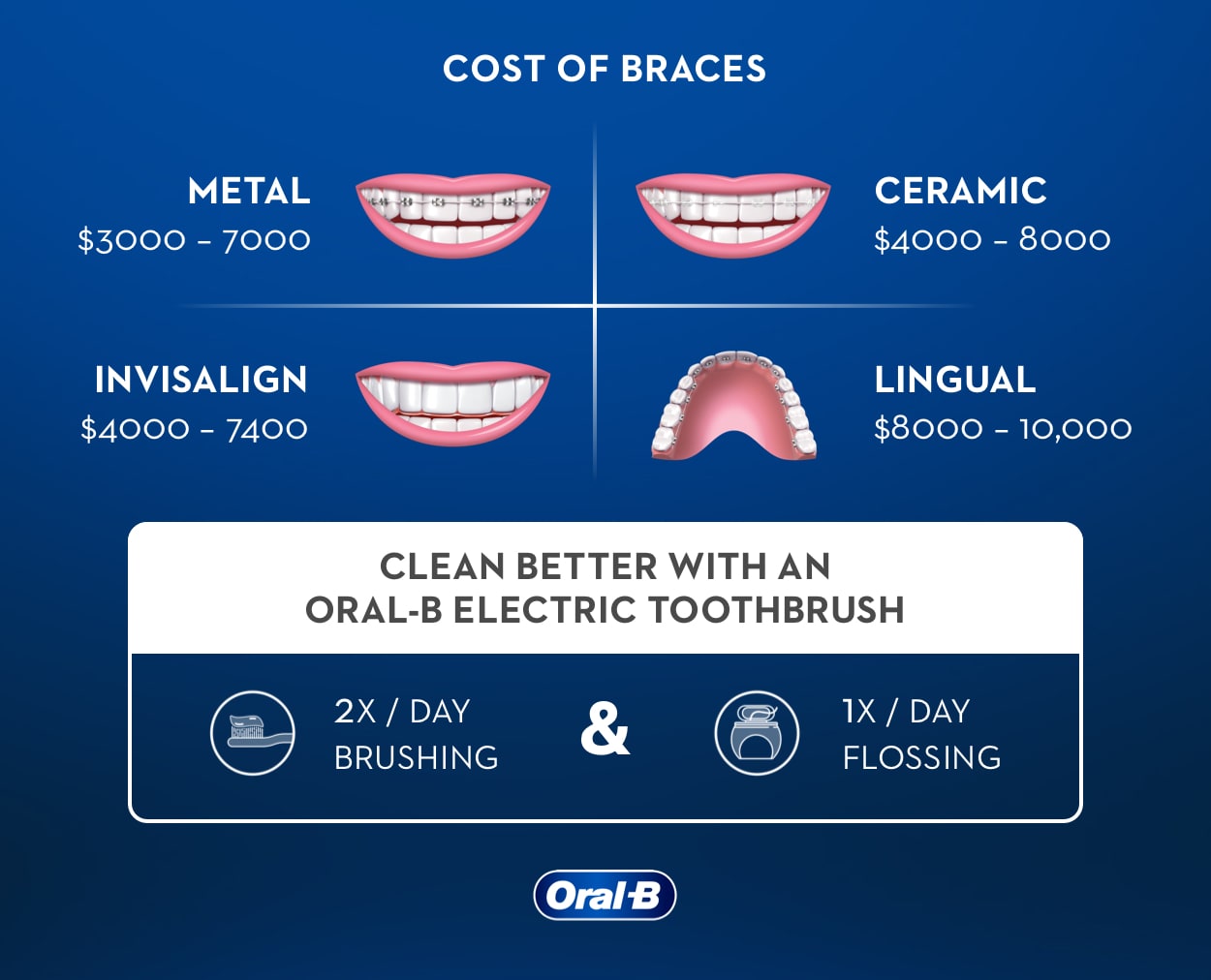
Traditional metal braces remain the most common and often the most budget-friendly option for orthodontic correction. These time-tested devices are highly effective for a wide range of dental issues, from minor adjustments to complex malocclusions. In Texas, the average cost for traditional metal braces typically ranges from $3,000 to $7,500.
Several factors contribute to this variability. The severity of the orthodontic issue is paramount; a more complex case requiring extensive treatment will naturally incur higher costs due to longer treatment times and more frequent adjustments. The orthodontist’s practice location also plays a significant role. Practices situated in affluent neighborhoods or major city centers, where overhead costs are higher, may charge more than those in suburban or rural areas. Furthermore, the experience and specialized expertise of the orthodontist can influence pricing; highly sought-after specialists might command higher fees for their services. For travelers planning an extended stay or considering Texas as a base, comparing quotes from various practices in different regions can yield substantial savings, much like comparing hotel rates across a city.
Beyond Metal: Exploring Alternative Orthodontic Options
While traditional metal braces are effective, many individuals, particularly adults or those with a focus on aesthetics, seek alternative options. Texas orthodontists offer a variety of choices that cater to different preferences and needs, each with its own price point.
- Ceramic Braces: These are similar in design to metal braces but use clear or tooth-colored brackets, making them less noticeable. While aesthetically pleasing, they are generally more fragile and can stain if not properly cared for. The cost for ceramic braces in Texas typically falls between $4,000 and $8,000.
- Lingual Braces: These braces are custom-made and fitted to the back (lingual side) of the teeth, making them virtually invisible from the front. They are an excellent option for those prioritizing discretion but come with a higher price tag due to their custom nature and the specialized skill required for their application and adjustment. Expect to pay anywhere from $8,000 to $10,000 or more for lingual braces in Texas.
- Clear Aligners (e.g., Invisalign): Invisalign and similar clear aligners consist of a series of removable, custom-made transparent trays that gradually shift teeth into position. They offer unmatched convenience and aesthetics, as they can be removed for eating, brushing, and flossing. The cost for clear aligners in Texas usually ranges from $4,000 to $8,500. The final cost depends on the complexity of the case, the number of aligners required, and the specific brand chosen.
For travelers who value discretion and flexibility in their daily lives and social interactions, especially when visiting various destinations or attending business meetings, these alternative options might be worth the extra investment. Considering the “lifestyle” aspect of orthodontic care is just as important as the financial one.
Factors Influencing Orthodontic Investment Decisions for Travelers
Making a decision about orthodontic treatment, particularly when on the go or planning a stay in a new location, involves more than just comparing price lists. For the savvy traveler, integrating dental care into a broader lifestyle and travel plan requires careful consideration of various practical and financial aspects.
Location, Location, Location: Urban vs. Rural & Travel Implications
As mentioned, geographical location within Texas plays a significant role in the cost of braces. Major metropolitan areas like Houston, Dallas, and Austin generally have higher costs of living and, consequently, higher operating expenses for dental practices. This often translates to slightly higher prices for orthodontic services compared to smaller cities or rural communities. For example, getting braces in downtown Dallas might be pricier than in a town like Fredericksburg in the Texas Hill Country.
For travelers, this cost difference can be a strategic point. If you’re planning an extended stay in Texas specifically for treatment, exploring options outside the most expensive city centers could offer considerable savings. However, logistical convenience must also be factored in. Larger cities typically offer a wider selection of orthodontists, better access to public transportation, and a plethora of accommodation options, from luxury resorts to budget-friendly apartments or villas. If you’re flying in for multiple appointments, staying near a major airport like Dallas/Fort Worth International Airport or George Bush Intercontinental Airport might be more practical.

Consider the entire travel budget: savings on braces in a rural area might be offset by increased travel time and fuel costs, or the need for a rental car. Conversely, opting for treatment in a city might mean slightly higher treatment costs but could allow you to enjoy city attractions and stay in a comfortable hotel closer to your orthodontist, maximizing your overall experience while undergoing treatment. This balance between cost and convenience is a quintessential aspect of effective travel planning.
Insurance, Payment Plans, and Budgeting for Your Smile Journey
Navigating the financial aspects of braces requires understanding how insurance and payment options work, especially for someone not a long-term resident of Texas or the United States.
- Dental Insurance: Many dental insurance plans offer some coverage for orthodontic treatment, particularly for children and teenagers. However, adult orthodontics might have more limited coverage or a longer waiting period. For international travelers or those with travel-specific insurance, checking the specifics of orthodontic coverage is paramount. Often, these plans may not cover pre-existing conditions or extensive orthodontic work. It’s crucial to confirm with both your insurance provider and the orthodontic practice whether your plan is accepted and what portion of the cost it will cover.
- Payment Plans: Most orthodontic offices in Texas understand that the cost of braces is significant and offer flexible payment plans. These typically involve an initial down payment followed by interest-free monthly installments spread over the course of treatment. This can make the investment more manageable, especially for those balancing dental costs with other lifestyle expenses, such as frequent travel or luxury travel experiences. Inquire about these options during your initial consultations.
- Third-Party Financing: For those who need additional financial assistance, third-party financing options like CareCredit or similar medical credit cards are often available. These can offer deferred interest or low-interest payment plans, subject to credit approval.
- Flexible Spending Accounts (FSAs) and Health Savings Accounts (HSAs): If you are a U.S. resident with these accounts, they can be excellent tools to pay for orthodontic treatment with pre-tax dollars, significantly reducing your out-of-pocket expenses.
When budgeting for braces, consider it as a long-term investment in your health and confidence. Just as you would meticulously plan for a family trip or a business stay, allocating funds for orthodontic care requires forethought and research into all available financial avenues.
Making an Informed Decision: A Traveler’s Perspective
For a traveler, investing in orthodontic treatment in a new location is a decision that extends beyond mere cost. It involves trust, logistical planning, and the desire to maximize both health outcomes and travel experiences.
Beyond the Price Tag: Quality of Care and Orthodontic Expertise
While cost is a significant factor, the quality of care and the expertise of your orthodontist should be paramount, especially if you are traveling for treatment. A beautiful, healthy smile is a long-term asset, and choosing a skilled professional is critical for a successful outcome.
When selecting an orthodontist in Texas, consider the following:
- Credentials and Experience: Look for orthodontists who are board-certified by the American Board of Orthodontics and have extensive experience with the type of braces you’re considering.
- Patient Reviews and Testimonials: Online reviews on platforms like Google, Yelp, or the orthodontist’s website can provide valuable insights into other patients’ experiences regarding communication, professionalism, and treatment results.
- Technology and Techniques: Modern orthodontic practices often utilize advanced technology, such as 3D imaging and digital treatment planning, which can lead to more precise and efficient treatment.
- Comfort and Communication: During your initial consultation, assess the office environment and the staff. You’ll be spending a fair amount of time there, so a comfortable atmosphere and clear communication are essential, particularly if you’re coordinating care from afar. For those coming from another country, ensuring the practice is adept at handling international patients and their specific needs can be a major plus.

Think of this research as akin to choosing the perfect hotel or resort for your travels — you wouldn’t just book the cheapest option without checking reviews and amenities. Your health investment deserves the same diligent approach.
Integrating Orthodontic Treatment with Your Texas Travel Itinerary
One of the unique advantages of undergoing orthodontic treatment while traveling in Texas is the opportunity to blend health-focused visits with memorable travel experiences. Texas offers a vast array of destinations and attractions that can turn routine appointments into exciting excursions.
If your treatment requires multiple visits, consider planning your trips around various Texas regions. For example, if your orthodontist is in San Antonio, you could combine an appointment with a visit to the historic Alamo and a leisurely stroll along the River Walk, perhaps staying at a charming boutique hotel nearby. If you’re in Houston, a quick check-up could be followed by an inspiring visit to the NASA Space Center or exploring the city’s renowned museums. For those drawn to the vibrant music scene and outdoor activities of Austin, orthodontic appointments can be interleaved with kayaking on Lady Bird Lake or enjoying live performances on Sixth Street.
For longer treatment durations, exploring different types of accommodation can enhance your stay. Instead of just a standard hotel, consider a short-term rental apartment in a desirable neighborhood, which offers more space and a local living experience. This approach not only provides convenience but also allows you to immerse yourself in the local culture, discover hidden culinary gems, and truly experience Texas beyond its tourist facade. It transforms a necessary health investment into an enriching part of your broader lifestyle and travel adventures.
Ultimately, understanding the cost of braces in Texas is just the beginning. For the modern traveler, this knowledge becomes a tool for strategic planning, allowing for the integration of essential healthcare with the pursuit of new experiences and personal well-being. By carefully researching, budgeting, and planning, you can achieve the smile you desire while simultaneously enjoying all the Lone Star State has to offer.
LifeOutOfTheBox is a participant in the Amazon Services LLC Associates Program, an affiliate advertising program designed to provide a means for sites to earn advertising fees by advertising and linking to Amazon.com. Amazon, the Amazon logo, AmazonSupply, and the AmazonSupply logo are trademarks of Amazon.com, Inc. or its affiliates. As an Amazon Associate we earn affiliate commissions from qualifying purchases.