
The image of a firefighter evokes bravery, dedication, and an unwavering commitment to public safety. These men and women stand on the front lines, battling blazes, responding to medical emergencies, and providing vital assistance in times of crisis. Especially in a state like California, known for its sprawling urban centers, wildland-urban interfaces, and susceptibility to natural disasters, the role of a firefighter is not just essential, but exceptionally demanding. Beyond the heroics and the adrenaline, however, lies the practical reality of their profession: compensation. For many considering a career in this vital field, or for those simply curious about the economic realities faced by these everyday heroes, the question often arises: “How much do California firefighters actually make?”

Understanding the financial landscape for California firefighters is a complex picture, influenced by factors such as location, experience, rank, and the ever-present cost of living in the Golden State. It’s a compensation structure that needs to not only reflect the inherent dangers and physical demands of the job but also enable these dedicated individuals to build a life, support their families, and perhaps even enjoy some of the travel and leisure opportunities that California itself offers. This article will delve into the various facets of a California firefighter’s salary, benefits, and how their earnings shape their lifestyle, including their ability to explore destinations, find suitable accommodation, and engage in the tourism experiences that are often sought after in this vibrant state.
The Financial Landscape of a California Firefighter
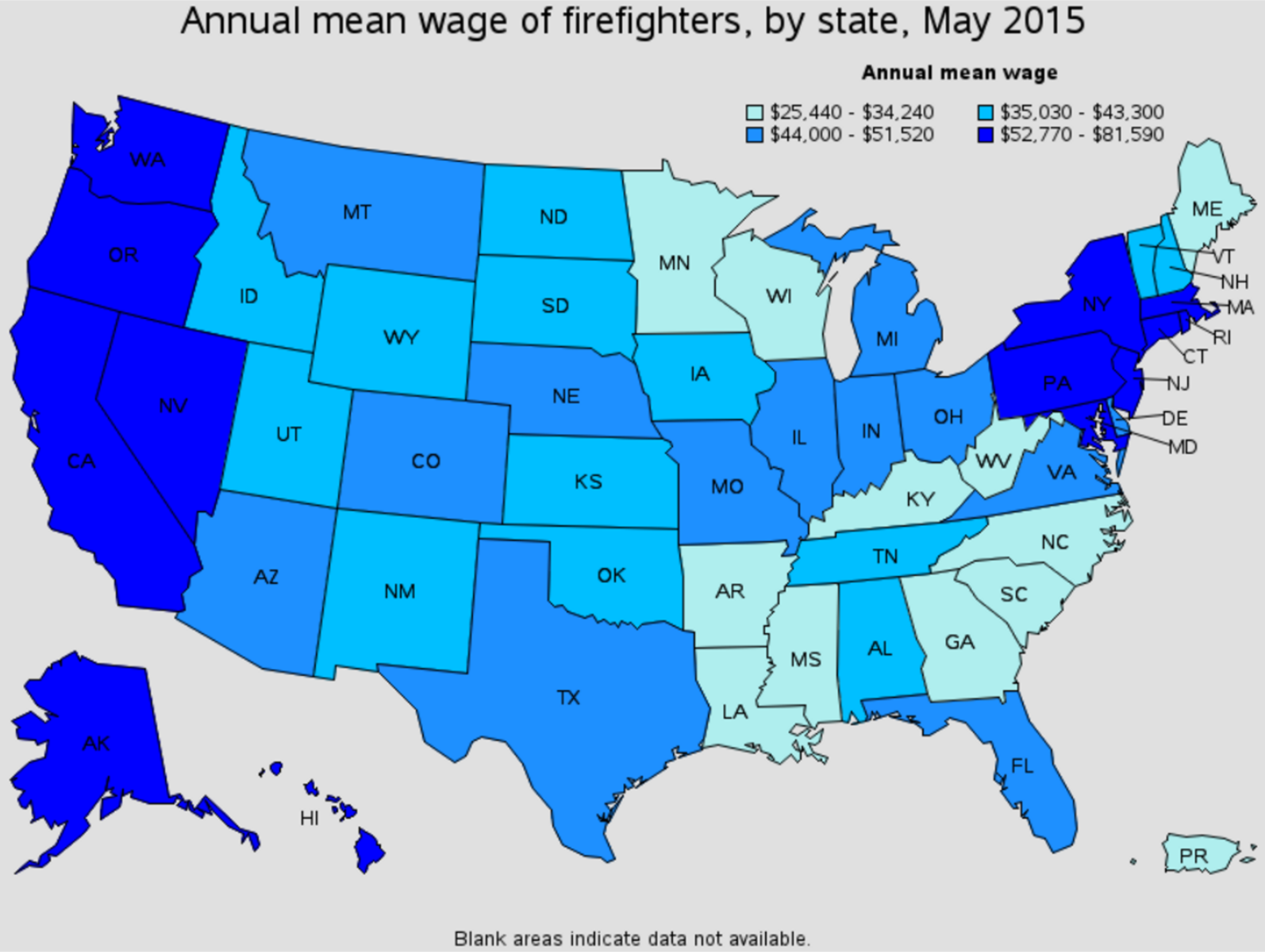
The compensation for firefighters in California is generally considered to be among the highest in the nation, a reflection of the state’s high cost of living and the critical nature of their work. However, “how much” is a figure that varies significantly depending on a multitude of factors. Unlike a uniform national salary, firefighter pay scales are often determined at the local level, by individual cities, counties, and fire districts, each with its own budget and union agreements.
Entry-Level Salaries and Growth Potential
For aspiring firefighters, the starting salary is a significant consideration. Entry-level positions for Firefighter/Paramedics or Firefighter/EMTs in California can range broadly. In smaller, more rural districts, a new recruit might start in the $50,000 to $70,000 range annually. However, in larger metropolitan areas and affluent communities, particularly in the Bay Area or Southern California, starting salaries can climb significantly higher, often reaching $70,000 to $90,000 per year. For example, a new firefighter with the Los Angeles Fire Department (LAFD) or the San Francisco Fire Department could expect to begin at the higher end of this spectrum.
These figures represent base pay and typically do not include benefits, overtime, or special pay. The growth potential within the fire service is substantial. With experience, additional training, and promotions, a firefighter can advance through ranks such as Engineer, Captain, Battalion Chief, and even Fire Chief. Each promotion brings a significant increase in salary. An experienced Fire Captain in a major California city could earn a base salary well into the $120,000 to $160,000 range, with senior chiefs potentially commanding salaries exceeding $200,000 or more annually, excluding benefits and overtime.
The Impact of Overtime and Specializations
One of the most impactful components of a firefighter’s total compensation package is overtime. Firefighters typically work long shifts, often 24 hours on duty, followed by 48 or 72 hours off. This schedule inherently creates opportunities for overtime, especially when covering shifts for colleagues, responding to large-scale emergencies like wildfires, or participating in special assignments. In California, where wildland fires are a perennial threat, firefighters can accrue a substantial amount of overtime pay during fire season, significantly boosting their annual earnings. It is not uncommon for a firefighter’s total take-home pay to increase by 20-50% or even more due to overtime, pushing many well past their base salary figures. This surge in income during peak seasons can be crucial for managing the state’s high cost of living or for saving for significant life events or desired travel experiences.
Beyond overtime, specialized roles also command higher pay. Firefighter/Paramedics, for instance, typically earn more than Firefighter/EMTs due to the advanced medical training and certifications required for their position. Other specializations, such as hazardous materials (HAZMAT) teams, urban search and rescue (USAR), dive teams, or arson investigation, also often come with additional compensation. These specialized skills are not only critical for public safety but also represent career advancement paths that enhance earning potential. Furthermore, comprehensive benefit packages, including robust health insurance, dental and vision plans, and generous pension plans, significantly add to the overall value of a firefighter’s compensation, providing financial security for themselves and their families into retirement.
Navigating California’s High Cost of Living
While California firefighters generally earn competitive salaries, their purchasing power is heavily influenced by the state’s notoriously high cost of living. This economic reality shapes everything from where they can afford to live to their choices in lifestyle and leisure, including their travel habits and accommodation preferences.
Housing Realities for Firefighters
Housing is arguably the single largest expense in California, with median home prices and rental rates far exceeding national averages. Firefighters often face a dilemma: live close to their fire station, which is typically in or near the expensive urban centers they serve, or commute from more affordable outlying areas. For example, a firefighter working in San Francisco or Los Angeles might find it challenging to afford a single-family home within those cities on a base salary, especially early in their career. Many opt to live in neighboring communities like Oakland, Vallejo, or the Inland Empire, enduring longer commutes to maintain a manageable cost of living.
This choice directly impacts their lifestyle. Long commutes eat into personal time and increase transportation costs, leaving less time and money for travel and leisure. For those who choose to live closer to work, often through shared housing or smaller apartments, the compromise means less space but more immediate access to their community and quicker returns home after a demanding 24-hour shift. The challenge of finding suitable accommodation that aligns with both their budget and the demanding nature of their profession is a constant consideration for California firefighters, influencing their ability to build equity and stability. The significant overtime opportunities can, however, provide a crucial financial buffer, enabling some to save for down payments on homes or invest in more desirable living situations.
Balancing Daily Expenses and Future Aspirations

Beyond housing, everyday expenses in California—from groceries and gasoline to childcare and entertainment—are all generally higher than in other states. This means that a seemingly high firefighter salary can quickly diminish when confronted with the realities of California’s economy. Budgeting and financial planning become paramount for firefighters and their families. Their ability to indulge in lifestyle luxuries, undertake significant travel, or even plan for family trips relies heavily on prudent financial management and leveraging their overtime earnings effectively.
Many firefighters prioritize saving for retirement through their robust pension plans, but also consider other long-term goals. These might include purchasing a vacation home, investing in rental properties, or saving for their children’s education. The demanding nature of their job also means they value their time off immensely. This makes considerations for travel and leisure not just a luxury but a crucial component of their work-life balance and mental well-being. Whether it’s a budget-friendly camping trip to a California state park or a more elaborate resort stay, their financial planning aims to accommodate these much-needed respites.
Firefighter Lifestyle: Balancing Demands with Leisure and Travel
The unique schedule of a firefighter, often involving 24-hour shifts followed by several days off, presents both challenges and opportunities when it comes to personal lifestyle, travel, and leisure. While the job is physically and mentally taxing, the extended periods off can be strategically utilized for rest, family time, and exploring various destinations.
Local Getaways and California Landmarks
For many California firefighters, local travel and exploring the state’s diverse attractions are often the most accessible forms of leisure. With several days off at a time, they have the flexibility to take short road trips without needing extensive time off requests, which can be difficult to coordinate given staffing needs. California offers an unparalleled array of landmarks and natural wonders, from the majestic redwoods in Redwood National Park to the sun-drenched beaches of San Diego.
Popular destinations for firefighters and their families might include:
- National Parks: Yosemite National Park, Joshua Tree National Park, and Death Valley National Park offer stunning natural beauty and opportunities for hiking, camping, and disconnecting.
- Coastal Escapes: The scenic drives along Highway 1 through Big Sur, visits to charming coastal towns like Carmel-by-the-Sea or Santa Barbara, and family fun at the Santa Monica Pier provide rejuvenating ocean breezes.
- Mountain Retreats: Lake Tahoe is a year-round destination offering skiing in winter and water sports in summer, while other mountain ranges provide opportunities for cabin stays and outdoor adventures.
- Theme Parks: For families, destinations like Disneyland in Anaheim or Universal Studios Hollywood offer exciting entertainment, often requiring careful budgeting but providing memorable experiences.
- Wine Country: Regions like Napa Valley or Sonoma offer sophisticated escapes for couples seeking culinary and wine experiences.
These trips, whether budget-conscious camping trips or more indulgent weekend getaways, are integral to maintaining a balanced lifestyle for those who regularly face high-stress situations. The flexibility in their work schedule, coupled with their income, often allows for spontaneous exploration of California’s vast tourism offerings.
Choosing Accommodation: From Budget Stays to Respite Resorts
The choice of accommodation for a firefighter on leisure time largely depends on their budget, the purpose of their travel, and how they’ve managed their finances through base pay and overtime. For many, especially during family trips or extended stays, balancing cost with comfort is key.
- Budget Travel: Camping or staying in vacation rentals (like cabins or apartments booked through platforms) are popular choices for families seeking to maximize their travel budget. These options provide more space and often kitchen facilities, reducing dining out expenses.
- Mid-Range Hotels: When visiting cities like San Diego, Sacramento, or San Francisco, firefighters might opt for mid-range hotels that offer good value, convenient locations to attractions like the Golden Gate Bridge, and essential amenities without the premium price tag of luxury establishments. Booking in advance and looking for deals can further enhance affordability.
- Resorts and Luxury: For special occasions or much-needed respite, particularly after a challenging fire season, some firefighters might indulge in stays at upscale resorts or hotels. California boasts numerous luxurious resorts in destinations like Palm Springs, Laguna Beach, or the wine country. While these are less frequent, the higher earnings from overtime or several years of experience can make such experiences attainable, providing a well-deserved break and a chance to truly relax and recharge. Some even take advantage of firefighter discounts offered by certain hotels or travel providers, which can make luxury more accessible.
The ability to choose from a spectrum of accommodation options, from a rustic cabin in a national park to a boutique hotel in Beverly Hills, highlights the varied financial capabilities and lifestyle aspirations within the firefighting community. It underscores how their dedication to public service is often rewarded with the means to enjoy the very state they protect.
Investing in a Future Beyond the Front Lines
Beyond immediate needs and short-term leisure, California firefighters also plan for their long-term financial stability and future lifestyle, which often includes extended travel and comfortable retirement. The comprehensive benefits package, particularly the robust pension system, forms a cornerstone of this planning.
Planning for Family Trips and Extended Breaks
The pension system in California for public safety employees is generally considered one of the best in the country. After a career spanning 25-30 years, a retired firefighter can often expect to receive a significant percentage of their highest earning years’ salary as a pension. This financial security in retirement means that the aspiration for long-term travel, extended family trips, or even acquiring a second home (perhaps in a more affordable state or a beloved California destination like Lake Arrowhead) becomes a tangible reality.
During their active careers, the accumulation of vacation time and the ability to save from overtime earnings also allow firefighters to plan for more ambitious family trips. These might include international travel to explore different cultures, extended stays in popular tourist destinations, or even business-related travel for training or conferences. The distinct work schedule provides blocks of time that are ideal for such undertakings, minimizing the need for frequent, shorter trips and allowing for more immersive experiences. Whether it’s a dream trip to Europe or an extended family reunion in a resort setting, the financial planning and career stability of a California firefighter lay the groundwork for a rich and rewarding life, both during and after their service.
In conclusion, the question of “How much do California firefighters make?” reveals a multifaceted answer. While base salaries are competitive and vary by location and experience, the significant opportunities for overtime and comprehensive benefits packages create a financial reality that can be quite robust. This compensation, though often challenged by California’s high cost of living, enables these brave individuals to not only secure housing and manage daily expenses but also to enjoy a fulfilling lifestyle. From exploring California’s iconic landmarks and diverse attractions to affording various types of accommodation, from budget-friendly camping to well-deserved resort stays, firefighters often have the means to balance the demanding nature of their profession with enriching travel and leisure pursuits. Their dedication to public safety is truly valued, allowing them to build a life that is both stable and allows for the pursuit of experiences, contributing to the vibrant tapestry of life in the Golden State.
LifeOutOfTheBox is a participant in the Amazon Services LLC Associates Program, an affiliate advertising program designed to provide a means for sites to earn advertising fees by advertising and linking to Amazon.com. Amazon, the Amazon logo, AmazonSupply, and the AmazonSupply logo are trademarks of Amazon.com, Inc. or its affiliates. As an Amazon Associate we earn affiliate commissions from qualifying purchases.