
California, often romanticized as the Golden State, beckons with its diverse landscapes, vibrant cities, and unparalleled lifestyle opportunities. From the sun-drenched beaches of San Diego to the tech hubs of Silicon Valley and the iconic allure of Hollywood, it’s a dream destination for many – not just for vacations but also for building a life and career. For those considering a challenging yet rewarding path in law enforcement, understanding the financial landscape is crucial, especially given California’s notorious cost of living. This article delves into how much police officers earn across the state, exploring the factors that influence their salaries and, crucially, what kind of lifestyle and travel opportunities these earnings afford in one of the world’s most desirable locations.

A career in law enforcement in California is more than just a job; it’s a commitment to public service in a state that offers a unique blend of urban sophistication, natural beauty, and cultural richness. From ensuring the safety of tourists exploring Yosemite National Park or the Golden Gate Bridge to maintaining order in bustling metropolises like Los Angeles and San Francisco, police officers play a pivotal role in the state’s appeal. Understanding their compensation helps paint a clearer picture of the professional life and personal potential available to those who serve and protect in the Golden State.
The Landscape of Law Enforcement Careers in California
The law enforcement profession in California is incredibly varied, encompassing a wide range of agencies from municipal police departments to county sheriff’s offices and state-level organizations. This diversity directly translates into a broad spectrum of salary structures, benefits, and career advancement paths. An officer patrolling the scenic coastlines of Santa Monica might have a different compensation package than one serving the agricultural heartland or the bustling streets of Oakland.
Understanding Salary Variations Across the Golden State
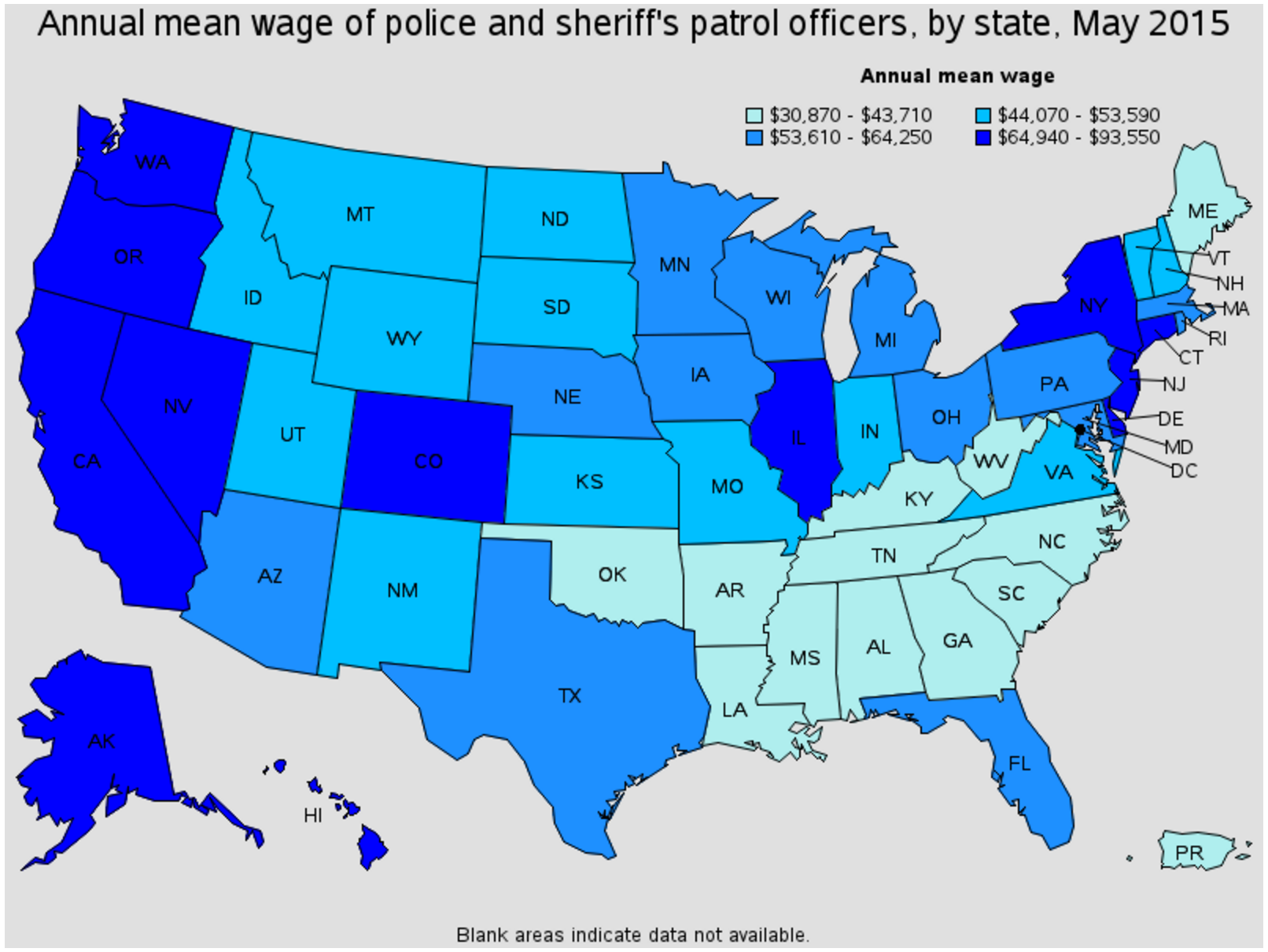
The biggest factor influencing a police officer’s salary in California is location. Simply put, officers working in areas with a higher cost of living tend to receive higher base salaries to help them afford to live where they work. Major metropolitan areas like Los Angeles, San Francisco, San Diego, and their surrounding counties typically offer the most competitive pay scales. For instance, the Los Angeles Police Department (LAPD) and the San Francisco Police Department (SFPD) are known for their strong compensation packages, reflecting the exorbitant housing and living expenses in these urban centers. Conversely, departments in more rural or less expensive parts of the state, such as some communities in the Central Valley or far northern California, might have lower starting salaries, though the purchasing power of those earnings can be relatively higher due to reduced living costs.
Beyond municipal police forces, county sheriff’s departments (like the San Bernardino County Sheriff’s Department or Orange County Sheriff’s Department) and state agencies like the California Highway Patrol (CHP) also offer distinct pay scales. CHP officers, for example, have a statewide pay scale that, while adjusted for regions, generally offers competitive salaries, especially considering their critical role in maintaining safety on California’s vast network of highways and roads, which are vital for tourism and local travel.
Factors Influencing Police Compensation Beyond Location
While location is paramount, several other factors significantly impact an officer’s total compensation:
- Experience and Rank: Like most professions, law enforcement offers a clear career progression. An entry-level officer’s salary will steadily increase with years of service. Promotions to higher ranks, such as sergeant, lieutenant, or captain, come with substantial pay raises, reflecting increased responsibility and expertise.
- Specializations: Officers who specialize in areas like SWAT, K9 units, forensics, narcotics, or detective work often receive additional pay incentives or “skill pay.” These specialized roles require additional training and carry unique risks, justifying the higher compensation.
- Overtime: Overtime hours can significantly boost an officer’s annual earnings. Given the demanding nature of police work, including responding to emergencies, covering shifts, and working special events (many of which are tied to California’s tourism industry, like large festivals or sporting events), overtime is a common and often lucrative component of an officer’s income.
- Education and Training: Some departments offer incentives or higher starting pay for recruits with college degrees or military experience. Continuous training and professional development can also open doors to higher-paying specialized roles.
- Benefits Packages: Beyond the base salary, the comprehensive benefits package is a cornerstone of compensation. This typically includes generous health, dental, and vision insurance for the officer and their family, robust retirement plans (pensions), paid time off, and sometimes even educational assistance or housing stipends. These benefits, particularly the pension, represent a substantial long-term financial asset, contributing to a stable lifestyle throughout and beyond a career in service.
Average Salaries and Earning Potential for California Police Officers
To provide a concrete understanding, let’s look at typical salary ranges, keeping in mind that these are averages and can fluctuate based on the factors discussed above.
Entry-Level to Seasoned Veterans: A Glimpse at Earnings
An entry-level police officer in California, fresh out of the academy, can expect to start with a base salary ranging from $60,000 to $80,000 per year. In higher-cost areas like Los Angeles or San Jose, this starting figure might be closer to $75,000 – $90,000. For example, a new recruit with the LAPD might begin around $74,000, while in some smaller departments, it could be closer to $65,000.
As officers gain experience, their salaries climb significantly. A seasoned officer with 5-10 years of experience can often earn a base salary between $90,000 and $120,000 annually. Those in major departments or specialized units with a decade or more of service can see their base pay reach $110,000 to $140,000 or more. With overtime, these figures can escalate dramatically. It is not uncommon for veteran officers in departments like the LAPD or SFPD to clear $150,000 to $200,000+ annually, particularly if they actively seek overtime opportunities. This level of earning potential is competitive with many private sector jobs, especially when the stability and benefits of public service are factored in.
For example, a police sergeant in a large urban department might earn a base salary of $130,000 – $160,000, with lieutenants and captains earning even more, potentially exceeding $200,000 in base pay for command staff positions in top-tier agencies. These figures underscore the significant financial growth trajectory available within a law enforcement career in California.
Beyond the Base: Benefits and Incentives
The total compensation package for a police officer in California extends far beyond the base salary, profoundly impacting their overall lifestyle and financial security. These benefits are often valued at tens of thousands of dollars annually:
- Health and Wellness: Comprehensive medical, dental, and vision insurance plans for officers and their families are standard. Many departments offer excellent plans that minimize out-of-pocket expenses, providing peace of mind, especially when considering family trips or active lifestyles.
- Retirement Pensions: California public safety officers typically participate in generous defined-benefit pension plans. These plans promise a guaranteed income stream in retirement, often allowing officers to retire after 20-30 years of service with a significant percentage of their highest annual salary. This long-term financial security is a major draw, enabling officers to plan for comfortable golden years, potentially involving extensive travel or relocation to more relaxed environments.
- Paid Time Off: Officers accrue vacation time, sick leave, and holidays, providing ample opportunity for leisure and travel. A career in law enforcement can be demanding, so the ability to take regular breaks, explore California’s diverse attractions (from Disneyland Resort to Napa Valley), or embark on international adventures is a valuable perk.
- Special Pay and Allowances: Many departments offer additional allowances for uniforms, equipment, education, and even housing subsidies in certain high-cost areas. These can significantly reduce an officer’s out-of-pocket expenses and boost their disposable income, contributing to a higher quality of life.
Navigating the California Lifestyle: What a Police Salary Can Afford
California’s allure comes with a price tag. The state’s cost of living, particularly housing, is among the highest in the nation. However, the competitive salaries and robust benefits offered to police officers are designed to help them not just survive but thrive within this demanding economic environment.
Cost of Living in California’s Key Destinations
For an officer working in San Francisco, a starting salary of $90,000 might seem substantial, but it must be viewed in the context of median home prices exceeding $1.5 million. This often means officers choose to live in more affordable surrounding communities, commuting into the city. Similarly, in Los Angeles, while an officer might command a high salary, the cost of a comfortable apartment or family home requires careful budgeting. Many officers serving the City of Angels opt for residences in adjacent communities in Orange County or the San Gabriel Valley.
However, as an officer’s salary grows with experience and rank, coupled with overtime, the dream of homeownership or living in a desirable neighborhood becomes increasingly attainable. Moreover, the significant pension ensures financial stability post-career, allowing for greater freedom in lifestyle choices during retirement. Many officers, having served their time in high-cost areas, choose to retire to more affordable parts of California or other states, enjoying a comfortable life supported by their pension.
Beyond housing, the California lifestyle involves expenses like transportation, dining out, and leisure activities. A solid police salary enables officers to enjoy the state’s vibrant culinary scene, explore its world-class museums and theme parks like Universal Studios Hollywood, and take advantage of its unparalleled outdoor recreation opportunities, from skiing in Lake Tahoe to surfing in Malibu. For many, the ability to take family vacations to San Diego Zoo or road trips along Highway 1 through Big Sur becomes a tangible reality.
Career Longevity and Retirement: Planning for Golden Years in the Golden State
The structured career path and robust pension system in California law enforcement provide a strong foundation for long-term financial planning. Many officers can retire in their late 40s or early 50s after 25-30 years of service, with a pension that often replaces 70-90% of their final average salary. This allows for a robust second career or, more commonly, a comfortable retirement where travel, hobbies, and leisure become primary pursuits.
Imagine retiring from the CHP after 30 years with a six-figure annual pension. This financial security allows for extensive travel, whether it’s exploring international destinations or simply enjoying extended stays in California’s less-explored corners. Many retired officers find themselves able to afford luxury cruises, extended tours of Europe, or purchasing a vacation home in a desirable location, fulfilling lifelong travel dreams made possible by their dedicated service and careful financial planning. The blend of a rewarding career and secure retirement makes law enforcement in California an attractive long-term prospect for those seeking both purpose and prosperity.
The Role of Police in Ensuring Safe Tourism and Vibrant Communities
Beyond their personal financial well-being, police officers in California play an indispensable role in upholding the state’s reputation as a premier travel destination and a wonderful place to live. Their efforts directly contribute to the safety and enjoyment of millions of tourists and residents annually.
Protecting California’s Iconic Landmarks and Tourist Havens
From the bustling activity around the Hollywood Walk of Fame to the serene beauty of the Santa Monica Pier and the historical significance of Alcatraz Island, California is home to countless landmarks and attractions. Police officers are often the first line of defense, ensuring these sites remain safe and welcoming. Their visible presence deters crime, they respond to emergencies, and they provide assistance to visitors, often acting as informal ambassadors for their cities.
Major events, from the Pasadena Rose Parade to numerous film festivals and concerts, rely heavily on effective law enforcement for crowd control, security, and traffic management. This often involves significant overtime for officers, further boosting their earnings while contributing directly to the vibrant tourism economy that characterizes much of California. The safety and security provided by dedicated officers are paramount to the state’s continued appeal as a global travel hub.

Fostering Community and Lifestyle for Residents and Visitors Alike
The sense of safety and order that police officers cultivate extends beyond tourist attractions into residential neighborhoods, schools, and local businesses. A secure community enhances the overall quality of life for residents, allowing families to enjoy local parks, community events, and a general sense of well-being. This, in turn, contributes to a desirable “lifestyle” that attracts new residents and businesses, further fueling California’s dynamic economy.
For potential residents considering a move to California, understanding the presence and professionalism of local law enforcement is often a significant factor in their decision-making. High-performing police departments contribute to stable property values, thriving local economies, and a confident population, all of which are essential ingredients for a fulfilling life in the Golden State.
In conclusion, the question of “How much do cops make in California?” reveals a complex picture of competitive salaries, robust benefits, and significant earning potential, all shaped by location, experience, and specialization. While the state’s high cost of living presents challenges, the compensation packages are designed to enable officers to afford a high quality of life, pursue personal passions like travel, and secure a comfortable future. More than just a paycheck, a career in law enforcement in California offers the opportunity to contribute to a vibrant, safe, and desirable place that captivates both residents and global travelers alike. It’s a profession that, when balanced with savvy financial planning, can unlock a truly California dream.
LifeOutOfTheBox is a participant in the Amazon Services LLC Associates Program, an affiliate advertising program designed to provide a means for sites to earn advertising fees by advertising and linking to Amazon.com. Amazon, the Amazon logo, AmazonSupply, and the AmazonSupply logo are trademarks of Amazon.com, Inc. or its affiliates. As an Amazon Associate we earn affiliate commissions from qualifying purchases.